

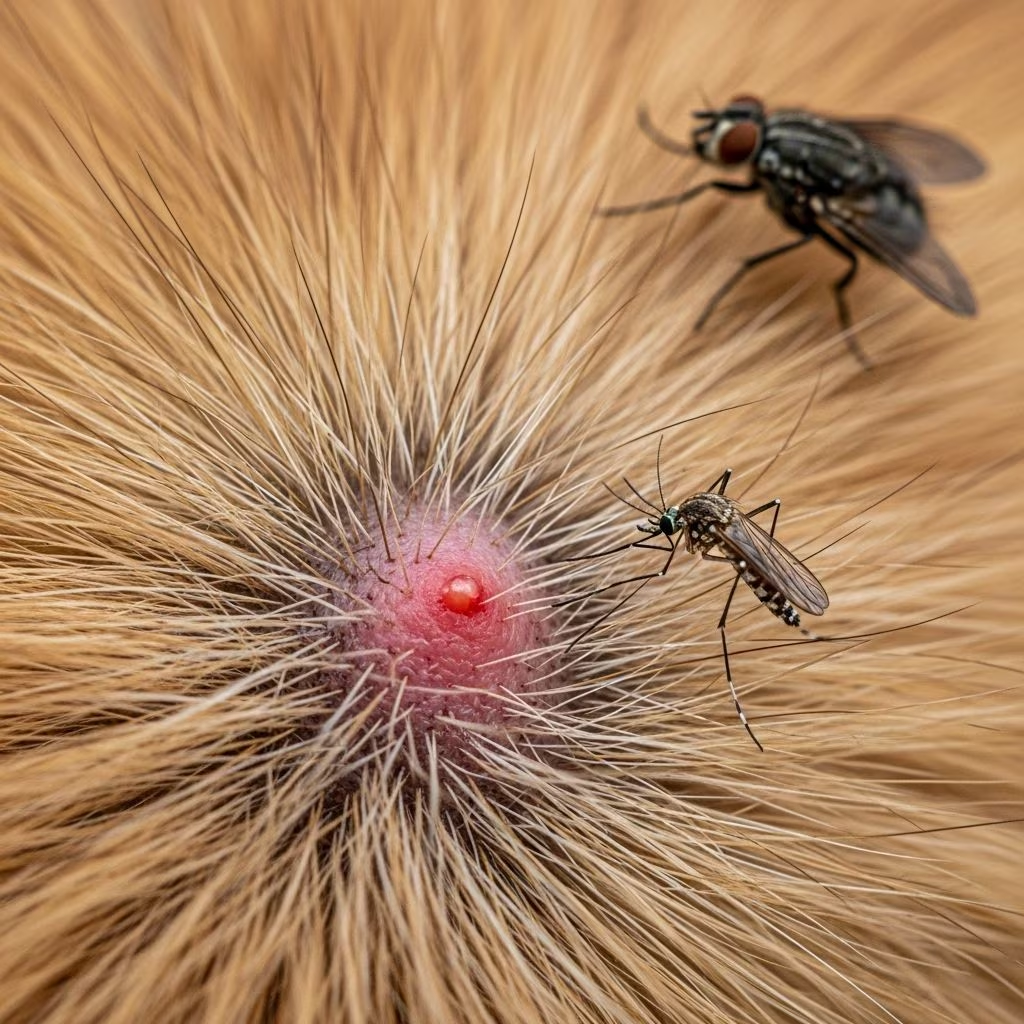
Flies and mosquitoes pose significant threats to dogs, causing discomfort through bites, potential infections, and disease transmission. These pests target vulnerable areas like ears, eyes, and wounds, leading to conditions such as fly strike or allergic dermatitis that require prompt attention from owners and veterinarians.
Common Types of Insects Affecting Canine Skin
Dogs encounter various flying insects that irritate their skin. Mosquitoes deliver itchy punctures, while flies like stable flies or eye gnats feed on mucous membranes and open sores. Understanding these pests helps in early detection and control.
- Mosquitoes: Small, persistent biters active at dusk and dawn, often causing hypersensitivity reactions.
- Stable and Biting Flies: Larger insects that land on legs and belly, drawing blood and leaving painful welts.
- Eye Gnats: Tiny swarmers around face and eyes, leading to excessive tearing and rubbing.
- Sand Flies: Coastal pests linked to parasitic diseases, biting at night.
Recognizing Signs of Insect Infestation
Symptoms vary by insect but often include restlessness, head shaking, and visible skin changes. Early signs prevent escalation to secondary bacterial infections or hair loss.
| Insect Type | Key Symptoms | Affected Areas |
|---|---|---|
| Mosquitoes | Small red bumps, intense itching, paw chewing | Belly, ears, muzzle |
| Flies (Biting/Stable) | Painful crusty spots, bleeding sores | Legs, flanks, tail base |
| Fly Strike (Maggots) | Foul odor, wriggling larvae, deep wounds | Wounds, soiled hindquarters |
| Eye Gnats | Eye irritation, discharge, squinting | Around eyes and nose |
Owners should inspect dogs daily, especially after outdoor time in buggy areas. Swelling or hives signal allergic responses needing veterinary input.
Health Risks Beyond Simple Itching
Insect bites transmit serious illnesses. Mosquitoes carry heartworm larvae in some regions, while sand flies spread leishmaniasis, attacking internal organs. Fly strike from screwworm larvae devours living tissue, potentially fatal without intervention. Biting flies exacerbate anemia in heavy infestations.
Allergic dogs develop hypersensitivity, where even one bite triggers widespread inflammation. Chronic exposure leads to hot spots—moist, infected patches from self-trauma.
Immediate First Aid for Bites and Stings
Quick action minimizes damage. Isolate the dog from further exposure and clean affected sites gently.
- Apply a cold compress for 10 minutes to reduce swelling.
- Gently wash with mild antiseptic soap, avoiding hydrogen peroxide which delays healing.
- Use oatmeal baths or soothing shampoos to calm itching skin.
- For mild reactions, apply vet-approved hydrocortisone cream; never use human products without guidance.
Baking soda paste or aloe vera gel offers natural relief, but prevent licking to avoid ingestion. Administer antihistamines like diphenhydramine only under vet dosage instructions.
Advanced Treatment Options for Severe Cases
Veterinary care is essential for maggot infestations or deep wounds. Treatments include:
- Maggot removal via irrigation and manual extraction, followed by antibiotics.
- Corticosteroids for inflammation in allergic dermatitis.
- Topical antimicrobials for secondary infections.
For fly strike, wounds demand professional debridement to remove necrotic tissue. Pain management ensures dog comfort during recovery.
Effective Prevention Strategies
Proactive measures outperform reactive treatments. Integrate multiple approaches for year-round protection.
Topical and Oral Preventatives
Modern products kill or repel on contact:
- Imidacloprid-based spot-ons: Repel mosquitoes for 4 weeks, safe for dogs over 7 weeks.
- Fipronil combinations: Target fleas, ticks, and flies; avoid in cat households.
- Pyriproxyfen collars: Disrupt insect life cycles for months.
Consult vets for region-specific recommendations, combining adulticides with growth inhibitors.
Environmental Controls
Eliminate breeding sites:
- Remove standing water to deter mosquitoes.
- Clean manure and debris weekly to discourage flies.
- Trim vegetation and use screens on windows.
Community mosquito programs indirectly reduce local fly populations.
Special Considerations for High-Risk Dogs
Puppies, seniors, and thin-coated breeds suffer more. Long-haired dogs hide bites, delaying detection. Outdoor workers like herding dogs need robust protection, including medicated collars against sand flies.
Seasonal and Regional Variations
Summer peaks insect activity, but overwintering larvae persist in warm climates. Coastal areas see more sand flies; Midwest battles stable flies near livestock. Tailor prevention to local vectors.
FAQs
Can mosquitoes make my dog sick?
Yes, they transmit heartworm disease via bites, preventable with monthly chewables.
What if I see maggots on my dog?
Seek emergency vet care; report screwworm suspicions to authorities.
Are bug zappers safe for mosquito control around dogs?
No, they kill beneficial predators without affecting mosquitoes.
How often should I apply repellents?
Monthly for most topicals; follow product labels precisely.
Can I use human insect repellent on my dog?
No, DEET and similar are toxic; use dog-specific formulas only.
Long-Term Management for Allergic Dogs
Hypersensitive pups require vigilant flea and fly control. Combine preventatives with hypoallergenic diets and regular grooming to maintain skin barrier health. Annual vet checkups monitor for emerging allergies.
Grooming removes debris attracting pests and allows bite inspections. Bathing with medicated shampoos every 2-4 weeks supports skin integrity without over-drying.
References
- Dermatology Fact Sheets — UC Davis School of Veterinary Medicine. 2023. https://www.vetmed.ucdavis.edu/hospital/animal-health-topics/dermatology-fact-sheets
- Flies and Mosquitoes of Dogs — Merck Veterinary Manual. 2023-06-23. https://www.merckvetmanual.com/dog-owners/skin-disorders-of-dogs/flies-and-mosquitoes-of-dogs
- Mosquito Bites on Dogs: How to Treat and Prevent — PetMD. 2023. https://www.petmd.com/dog/general-health/mosquito-bites-on-dogs
- Dog Skin Diseases: Causes, Diagnosis, And Treatment — Hill’s Pet Nutrition. 2023. https://www.hillspet.com/dog-care/routine-care/dog-parasites
- Bug Bites on Dogs: Identification and Treatment — MetLife Pet Insurance. 2023. https://www.metlifepetinsurance.com/blog/pet-health/bug-bites-on-dogs/



