
Insect Bite Dermatitis In Pets: A Comprehensive Care Guide
Comprehensive guide to recognizing, treating, and preventing insect bite reactions in dogs, cats, horses, and rabbits for healthier pet skin.
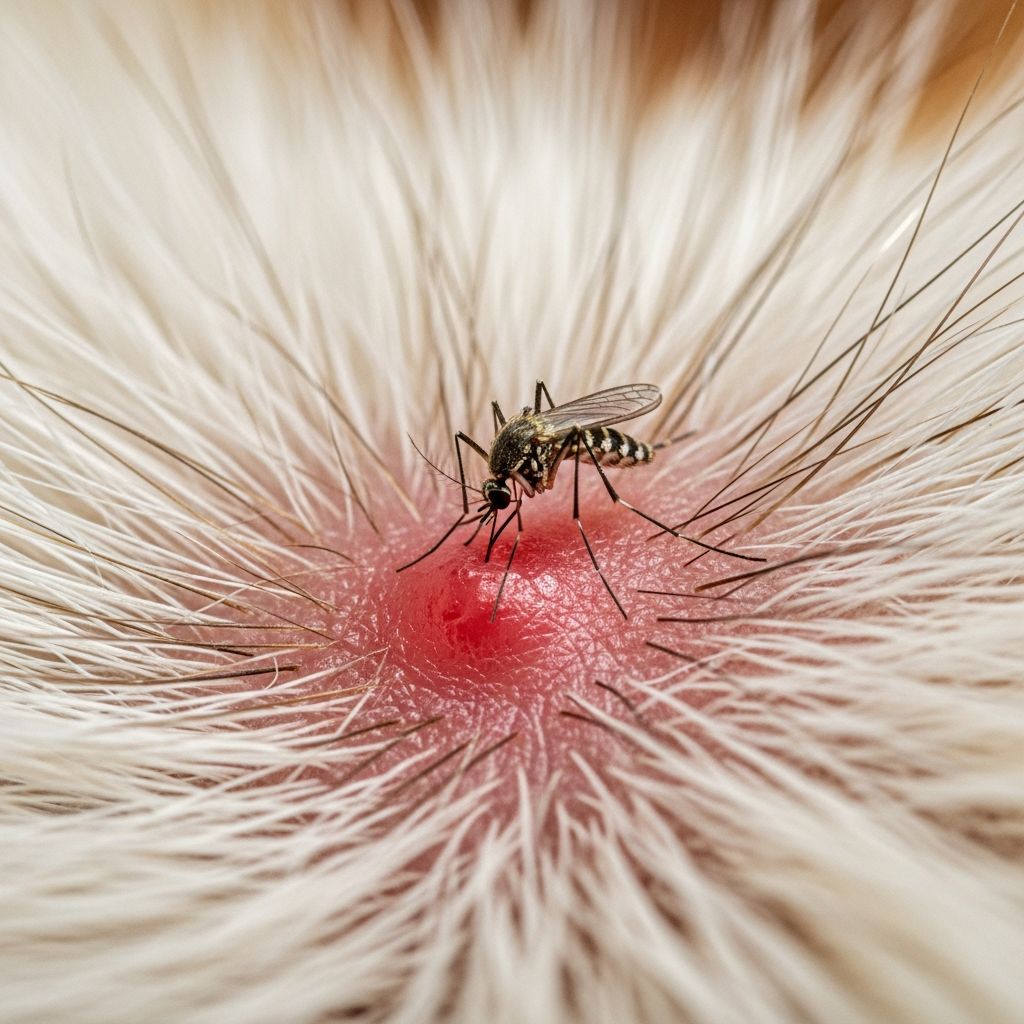
Insect bite dermatitis represents a frequent challenge for pet owners, manifesting as inflammatory skin conditions triggered by arthropod assaults on dogs, cats, horses, and rabbits. These reactions often target sensitive areas like the ears (pinna), leading to discomfort, scratching, and potential complications if untreated. Understanding the mechanisms, identification, and intervention strategies is crucial for maintaining pet well-being.
Understanding the Roots of Insect-Induced Skin Issues
The condition arises when insects such as flies, mosquitoes, fleas, mites, and stinging varieties like bees or wasps penetrate the skin, injecting saliva, venom, or other irritants. In pets, the pinna’s thin, vascular structure makes it particularly vulnerable, especially in animals with upright or pendulous ears. Hypersensitivity reactions amplify the response, turning minor punctures into widespread inflammation.
For dogs and cats, summer months heighten risks due to increased insect activity, while horses face issues year-round in fly-heavy environments. Rabbits, with their delicate skin, suffer from similar exposures in outdoor hutches. The immune system’s overreaction—releasing histamines and cytokines—drives swelling, redness, and itchiness, sometimes progressing to secondary infections.
Common Culprits Behind Pet Skin Reactions
- Flies and Mosquitoes: Responsible for painful bites causing wheals and papules, prevalent on ears and faces.
- Fleas: Trigger intense pruritus leading to excoriations, acting as disease vectors.
- Stinging Insects (Bees, Wasps): Deliver venom provoking localized or systemic responses.
- Midges and Gnats: Key in equine hypersensitivity, targeting mane, tail, and ears.
- Mites: Cause burrowing dermatitis, mimicking bite reactions.
These pests thrive in warm, humid conditions, exploiting pets’ inability to swat them away effectively.
Symptoms Across Species: What to Watch For
Manifestations vary by species and insect type but share core signs like erythema, edema, and pruritus. Early detection prevents escalation.
Dogs
Dogs exhibit facial swelling, hives, urticaria, and ear-flap redness. Severe cases involve breathing difficulties, vomiting, or anaphylaxis. Chronic scratching leads to alopecia, crusts, and infections.
Cats
Cats show miliary dermatitis—small crusty bumps—often on ears and head from flea allergies. Swelling and self-trauma are common.
Horses
Insect bite hypersensitivity (IBH) causes itching on trunk, ears, mane, and tail. Lesions include scaling, hives, and hair loss, worsening seasonally.
Rabbits
Rabbits develop ear-edge crusting, ulcers, and head tilting from mites or flies. Pruritus prompts excessive grooming, risking flystrike.
| Species | Primary Sites | Key Symptoms |
|---|---|---|
| Dogs | Ears, face, paws | Swelling, hives, vomiting |
| Cats | Ears, neck, back | Bumps, alopecia, scabs |
| Horses | Ears, mane, tail | Itch, scales, thickening |
| Rabbits | Ears, head | Crusts, ulcers, tilting |
Diagnosis: Pinpointing the Problem
Veterinarians diagnose via history, clinical exam, and tests. Skin scrapings rule out mites; intradermal testing identifies hypersensitivities in horses. Biopsies confirm allergic dermatitis. Ruling out differentials like food allergies or infections is essential.
Home Care Strategies for Mild Reactions
Pet owners can manage initial responses safely.
- Remove stingers with tweezers or credit card scraping.
- Apply cold compresses (ice pack wrapped in cloth) for 10 minutes to curb swelling.
- Create baking soda paste (3:1 soda:water) for alkaline stings; aloe vera for soothing (prevent licking).
- Oatmeal baths calm multiple sites in dogs/cats.
- Administer vet-approved diphenhydramine (1mg/lb) for itching.
Elizabethan collars deter scratching. Monitor for 24-48 hours.
Veterinary Interventions for Advanced Cases
Severe symptoms demand professional care. Treatments include:
- Antihistamines (H1/H2 blockers) and short-term corticosteroids for inflammation.
- Epinephrine for anaphylaxis, plus IV fluids and oxygen.
- Antibiotics for secondary pyoderma.
- Omega-3 supplements reduce chronic itch in horses.
Horses benefit from allergen immunotherapy, though efficacy varies.
Prevention: Proactive Defense Tactics
Minimize exposure through integrated pest management.
Environmental Controls
- Stable horses at dawn/dusk; use fly sheets, masks, screens.
- Keep dog/cat areas clean, mow grass short, eliminate standing water.
- Rabbit hutches elevated, screened, bedded with fly-repellent herbs.
Topical and Systemic Repellents
- Vet-safe pyrethrin sprays, permethrin collars for dogs/cats (avoid cats for some).
- Essential oils like citronella (diluted) for horses.
- Flea preventives (isoxazolines) year-round.
Regular grooming removes debris; hypoallergenic diets support skin health.
Species-Specific Management Plans
Dogs and Cats
Focus on flea control and ear cleaning. Hypoallergenic shampoos weekly.
Horses
IBH protocols emphasize stabling and repellents; test for Culicoides midges.
Rabbits
Inspect ears daily; use ivermectin for mites under vet guidance.
Potential Complications and Long-Term Outlook
Untreated cases risk chronic otitis, aural hematomas in dogs, or myiasis in rabbits. Allergies may recur seasonally, but consistent prevention yields good prognoses. Early intervention prevents sensitization.
Frequently Asked Questions (FAQs)
What if my pet shows breathing issues after a bite?
Seek emergency vet care immediately—anaphylaxis requires epinephrine.
Can I use human creams on pets?
No; consult vet. Hydrocortisone may be okay sparingly, but avoid ingestion risks.
How do I differentiate bites from infections?
Bites show transient wheals; infections persist with pus/discharge. Vet exam needed.
Are natural repellents effective?
Some (neem, lemon eucalyptus) help mildly; combine with vet products for best results.
Do indoor pets get insect dermatitis?
Yes, from fleas/house flies. Vigilant prevention essential.
References
- Insect Bite Reaction in Dogs — Harmony Animal Hospital. 2023. https://www.petvets.com/blog/insect-bite-reaction-dogs/
- Insect Bites – StatPearls — NCBI Bookshelf. 2023-10-05. https://www.ncbi.nlm.nih.gov/books/NBK537235/
- Insect Bite Hypersensitivity — UC Davis School of Veterinary Medicine. 2024. https://ceh.vetmed.ucdavis.edu/health-topics/insect-bite-hypersensitivity
- First Aid for Insect Stings in Dogs — VCA Animal Hospitals. 2023. https://vcahospitals.com/know-your-pet/first-aid-for-insect-stings-in-dogs
- What to Do with Insect Bites on a Dog — Veterinary Emergency Group. 2023. https://www.veg.com/post/insect-bite-on-dog
- Insect Bites and Stings: Monitoring for Allergic Reactions in Your Pet — Rockwall Urgent Vet. 2023. https://www.rockwallurgentvet.com/blog/insect-bites-and-stings-monitoring-for-allergic-reactions-in-your-pet
Similar Articles








Read full bio of Sneha Tete


