

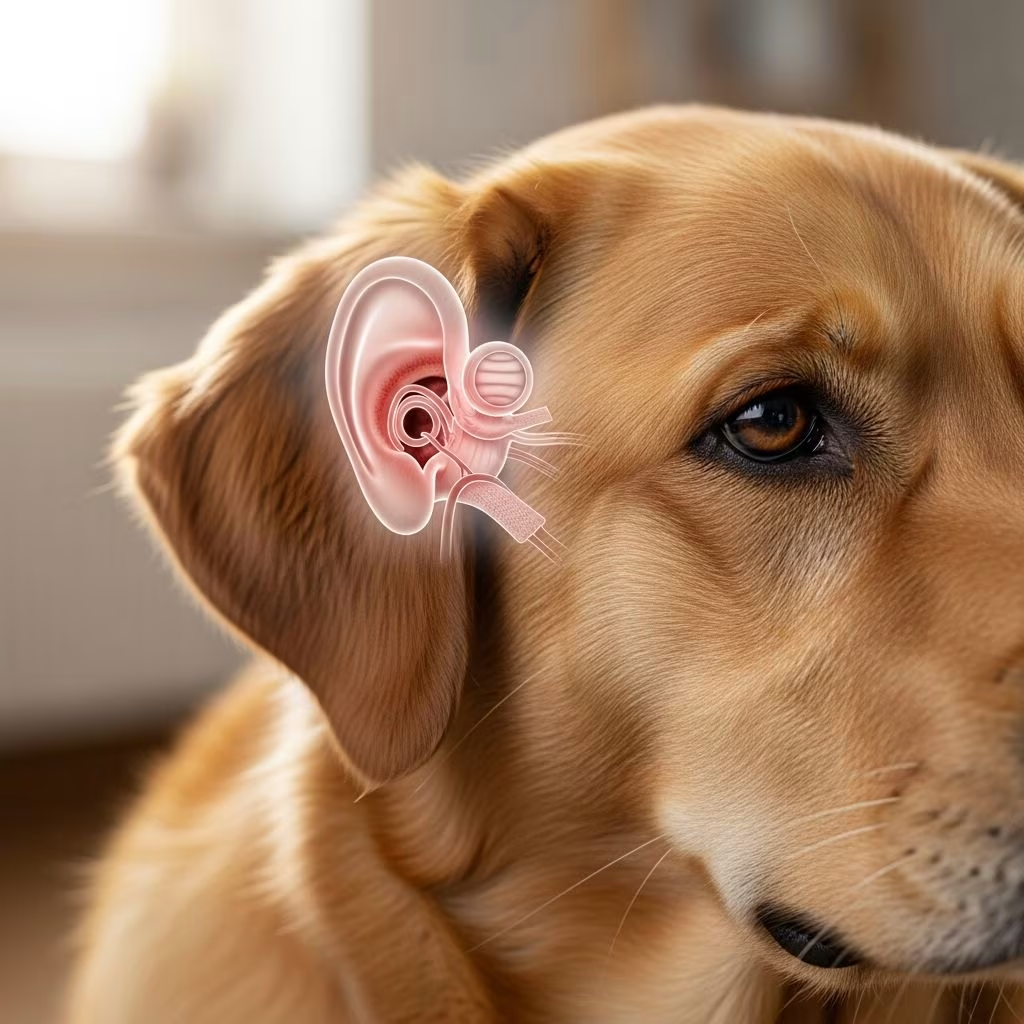
Understanding Inner Ear Infection (Otitis Interna) in Dogs
Inner ear infection, medically known as otitis interna, is a serious condition affecting the innermost part of a dog’s ear. This infection can significantly impact your dog’s quality of life, affecting balance, hearing, and overall comfort. The inner ear is a delicate structure located deep within the skull, making it particularly challenging to treat and requiring prompt veterinary attention. Understanding this condition is essential for dog owners to recognize early symptoms and seek appropriate treatment.
The inner ear plays a crucial role in maintaining balance and hearing in dogs. When infection develops in this area, it can cause severe disorientation and neurological symptoms. Unlike outer ear infections, which are relatively common and often manageable at home, inner ear infections require professional veterinary intervention and careful monitoring. Early recognition and aggressive treatment significantly improve outcomes and prevent serious complications.
What Causes Inner Ear Infections in Dogs?
Inner ear infections typically develop as a progression from untreated middle or outer ear infections. The infection spreads from the external ear canal through the middle ear to the inner ear structures. Several factors can predispose dogs to developing otitis interna:
– Chronic outer ear infections (otitis externa) that have not been adequately treated- Middle ear infections (otitis media) that progress without proper medical intervention- Bacterial or fungal pathogens that penetrate deeper ear structures- Ruptured eardrum allowing infection to spread to inner ear tissues- Underlying allergies that create chronic inflammation in the ear canal- Foreign bodies lodged in the ear canal- Tumors or masses affecting the ear structures- Compromised immune system function
The most common pathway to inner ear infection begins with an untreated outer ear infection. Moisture, debris, and bacterial overgrowth in the external ear canal create an ideal environment for infection to develop and progress deeper into the ear structures.
Recognizing the Clinical Signs of Otitis Interna
Dogs with inner ear infections display a variety of symptoms ranging from mild to severe. The clinical signs depend on the severity of the infection and which structures have been affected. Recognizing these symptoms early can lead to faster diagnosis and treatment.
Primary Symptoms
The most characteristic sign of inner ear infection is a marked head tilt, where your dog’s head tilts toward the affected ear. Additionally, dogs may exhibit circling behavior, moving in circles toward the infected side. Loss of hearing on the affected side commonly occurs, and affected dogs may not respond to sounds on that side of their body.
Vestibular signs are prominent in otitis interna. Your dog may experience severe disorientation, making it difficult to maintain balance and stay on their feet. They may stagger, sway, or appear uncoordinated. Some dogs experience nystagmus, an involuntary eye movement that can be distressing. In severe cases, dogs may be unable to stand or walk normally without assistance.
Additional Neurological Signs
If the facial nerve, which passes through the inner ear region, becomes damaged by the infection, your dog may develop additional symptoms:
– Drooling from the side of the mouth affected by the infection- Difficulty eating and dropping food from the mouth- Inability to blink on the affected side- Development of “dry eye” in the unblinking eye- Drooping upper eyelid on the affected side- With chronic infection, facial asymmetry where the face twists toward the affected ear
Ear-Related Signs
Local signs at the ear include redness of the external ear canal and discharge with a foul odor. The outer ear canal may become thickened and hard to the touch from chronic inflammation. Lymph nodes at the base of the chin on the affected side may become enlarged and tender. Some dogs experience pain when opening their mouth or may avoid eating due to discomfort.
Gastrointestinal Symptoms
Vomiting and nausea may occur during the acute phase of otitis interna. The disorientation and balance disruption can trigger nausea, and some dogs may refuse to eat or drink due to the combination of nausea and difficulty maintaining balance while feeding.
Diagnosis of Otitis Interna
Diagnosing inner ear infection requires a comprehensive approach combining clinical examination with diagnostic imaging and laboratory tests.
Physical Examination
Your veterinarian will perform a thorough examination of the ear canal using an otoscope. They will assess the external ear canal for discharge, inflammation, and eardrum integrity. However, visualizing deep into the ear may require sedation or general anesthesia to adequately examine the tissues and take appropriate samples for bacterial culture.
Diagnostic Imaging
Advanced imaging plays an important role in diagnosis. X-rays, CT scans, and MRI may be employed to visualize the middle and inner ear structures. These imaging modalities help identify fluid accumulation, bone involvement, or masses affecting the ear. MRI provides superior soft tissue detail and is often considered the gold standard for visualizing inner ear pathology.
Laboratory Testing
Cytology samples obtained from the ear canal are examined under a microscope to identify infectious organisms. Bacterial culture and sensitivity testing determine which antibiotics will be most effective against the specific organism causing the infection. This targeted approach ensures appropriate antibiotic selection rather than empirical treatment.
Treatment Approaches for Otitis Interna
Otitis interna is a very serious condition requiring aggressive and comprehensive treatment. The treatment approach depends on the severity of the infection, underlying causes, and your dog’s clinical condition.
Medical Management
For most cases, medical management is the first-line approach. Studies have shown that 82% of dogs with otitis media and interna can be successfully managed with medications and ear flushing, demonstrating the effectiveness of conservative treatment when implemented properly.
Antibiotic Therapy: Antibiotics are the cornerstone of treatment. Long-term oral or injectable antibiotics are prescribed for 3 to 6 weeks or sometimes longer to prevent relapse. The specific antibiotic is selected based on culture and sensitivity results from infected ear fluid. Medications are administered both directly in the ear and orally to achieve adequate drug levels at the infection site.
Anti-inflammatory Medications: Anti-inflammatory medications, particularly corticosteroids, may be prescribed during the first week of treatment to decrease pain and inflammatory changes in nearby nerves. Medications such as prednisone or triamcinolone help reduce swelling and protect nerve function.
Supportive Care: If your dog is unable to eat or drink normally due to nausea or disorientation, hospitalization for intravenous fluid therapy is warranted. Nausea must be controlled with appropriate medications, and dehydration must be prevented. Anti-nausea medications and pain management are essential components of the treatment plan.
Myringotomy Procedure
Many veterinarians recommend a myringotomy, a procedure where a small hole is made in the eardrum to drain pus trapped behind it. This procedure allows for direct visualization of the middle ear, removal of infected material, and collection of fluid for culture. Post-procedure, symptoms may temporarily worsen due to irritation, but this typically improves within a few days.
Activity Restriction
If your dog has altered balance, restrict activity during treatment to prevent falling injuries. Dogs should not have access to stairs as they may fall and injure themselves. Hand-feeding may be necessary temporarily, as reaching down into a food dish can stimulate nausea.
Surgical Intervention
Surgery is reserved for specific cases and is not required for all dogs with otitis interna. Dogs requiring surgery typically have:
– Relapses despite appropriate medical management- Failure to respond to medical treatment over an adequate trial period- Deterioration despite aggressive treatment- Fluid buildup in the middle ear- Bone infection surrounding the ear (osteomyelitis)- Masses arising from the middle ear or eustachian tube
Surgical options include draining the middle ear cavity or, in severe cases of middle and inner ear infection, removal of the entire external ear canal. The severity of neurological signs does not determine the need for surgery; rather, the underlying cause and response to medical management guide surgical decisions.
Potential Complications and Long-Term Effects
While most dogs with otitis interna respond well to medical management, serious complications can occur if the infection is not properly treated or progresses rapidly.
Serious Complications
In rare cases, a severe inner ear infection can spread to the brainstem, the part of the brain controlling breathing and heart rate, although this is quite uncommon. This life-threatening complication emphasizes the importance of prompt treatment.
Permanent Neurological Effects
Two potential long-term complications include permanently altered sense of balance and persistent signs of Horner’s syndrome. Some dogs may experience permanent deafness in the affected ear. With long-term facial nerve paralysis, the face may actually twist toward the side of the ear infection, creating permanent facial asymmetry.
Recovery Timeline
The altered sense of balance that generally accompanies otitis interna is typically improved within two to six weeks. Small dogs may recover their balance more quickly than large breeds. Expect a two to four month course of oral antibiotics to prevent relapse. Most dogs with otitis interna respond well to medical management when treatment is aggressive and consistent.
Prognosis and Recovery Expectations
The prognosis for dogs with otitis interna varies depending on several factors. With early and aggressive treatment, the prognosis is good to excellent. However, in cases where infection has spread to the bone or brain, the prognosis is more guarded.
Otitis media with an intact eardrum usually responds well to antibiotic therapy. However, if long-term inflammation of the inner ear exists with a ruptured eardrum, the chances of successful treatment are reduced. If local nerve problems develop, they may persist even after the infection has been cleared. Dogs need frequent recheck examinations to monitor progress and adjust treatment as needed.
Preventing Inner Ear Infections
Prevention begins with proper management of outer and middle ear infections. Regular ear cleaning as recommended by your veterinarian, prompt treatment of ear infections, and addressing underlying allergies help prevent progression to inner ear disease. Dogs with chronic ear issues should be monitored closely and treated aggressively to prevent spread to deeper ear structures.
Frequently Asked Questions
Q: Can inner ear infections in dogs be cured?
A: Yes, most inner ear infections can be successfully treated with appropriate medical management. Studies show that 82% of dogs respond well to medications and ear flushing procedures. However, some permanent complications like hearing loss or balance issues may persist.
Q: How long does it take for an inner ear infection to resolve?
A: Recovery typically takes 2 to 6 weeks for balance to normalize, though antibiotic treatment may continue for 3 to 6 weeks or longer. Small dogs often recover faster than larger breeds.
Q: Will my dog become deaf from an inner ear infection?
A: Hearing loss on the affected side commonly occurs with inner ear infections. While this is a potential complication, aggressive treatment can minimize permanent damage.
Q: Is surgery always necessary for otitis interna?
A: No, surgery is not required for all cases. Most dogs respond to medical management. Surgery is considered only when dogs fail to respond to medications, experience relapses, or have complications like fluid buildup or bone infection.
Q: What should I do if my dog shows signs of an ear infection?
A: Contact your veterinarian immediately. Early diagnosis and treatment significantly improve outcomes. Do not attempt to treat inner ear infections at home, as they require professional veterinary intervention.
References
- Inner Ear Infection (Otitis Interna) in Dogs — Dale Mabry Animal Hospital. 2023. https://dalemabryanimalhospital.com/wp-content/uploads/2023/01/Inner_Ear_Infection_in_Dogs_-_Otitis_Interna.pdf
- Middle and Inner Ear Inflammation (Otitis Media and Interna) in Dogs — Vetster. Accessed 2025. https://vetster.com/en/conditions/dog/middle-and-inner-ear-inflammation
- Otitis Media and Interna in Dogs — Merck Veterinary Manual. Accessed 2025. https://www.merckvetmanual.com/dog-owners/ear-disorders-of-dogs/otitis-media-and-interna-in-dogs
- Otitis Media/Interna Treatment and Prognosis — Remedy Veterinary Specialists. Accessed 2025. https://www.remedyvets.com/otitismedia
- Otitis Media/Interna and Neurologic Deficits — MSPCA-Angell. Accessed 2025. https://www.mspca.org/angell_services/otitis-media-interna-and-neurologic-deficits/



