

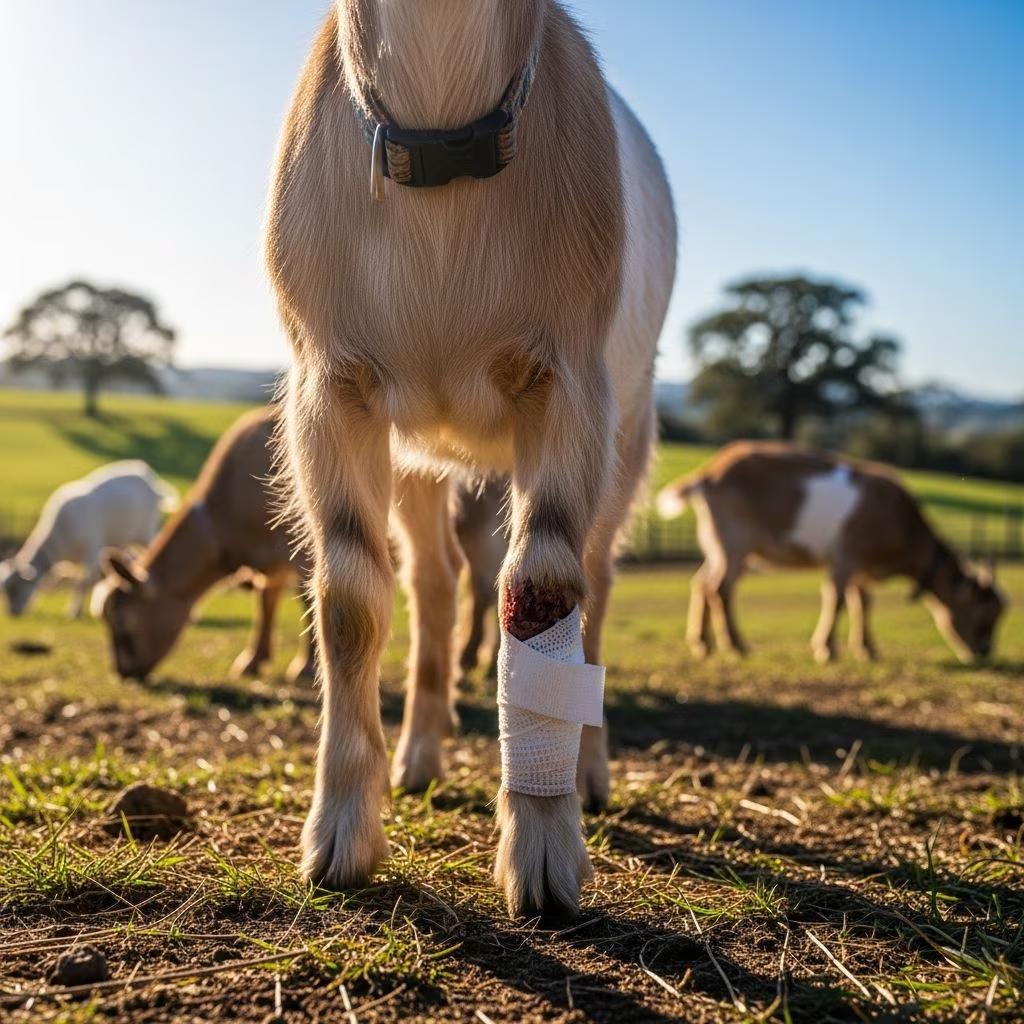
Traumatic injuries represent a primary cause of lameness in goats, often resulting from environmental hazards, rough handling, or herd dynamics. These injuries range from simple bruises to severe fractures, demanding prompt veterinary intervention to restore mobility and prevent chronic issues.
Common Types of Traumatic Injuries
Goats are agile climbers but prone to mishaps in rugged terrains or overcrowded pens. Understanding injury types aids in swift identification.
- Fractures: Breaks in long bones like the radius, tibia, or metatarsals occur from falls or kicks. Signs include non-weight bearing, swelling, and deformity.
- Sprains and Strains: Ligament or tendon damage from twisting during jumps, leading to swelling and reluctance to move.
- Wounds and Lacerations: Cuts from sharp objects or barbed wire, risking infection if not cleaned promptly.
- Joint Dislocations: Rare but serious, often from high-impact falls, causing instability and pain.
- Hoof Punctures: Nails or thorns penetrate the sole, leading to abscesses and abscess formation.
These injuries disrupt normal gait, with goats favoring affected limbs or refusing to stand.
Recognizing Signs of Injury-Related Lameness
Early detection hinges on observing gait abnormalities. Goats with trauma exhibit a shortened stride, head nodding, or knuckling over on affected feet. Palpation reveals heat, pain, or crepitus in fractures.
Conduct exams in a quiet area: restrain gently, lift limbs sequentially, and compare sides. Note asymmetry, open wounds, or abnormal angles. Systemic signs like fever suggest complicating infections.
| Symptom | Possible Injury | Urgency |
|---|---|---|
| Non-weight bearing | Fracture or severe sprain | High – Vet immediately |
| Mild limp, swelling | Bruise or strain | Moderate – Monitor & treat |
| Open wound with pus | Puncture or laceration | High – Clean & antibiotics |
| Joint instability | Dislocation | High – Surgical eval |
Diagnosis Methods for Goat Injuries
Veterinary diagnosis combines history, physical exams, and imaging. Radiographs confirm fractures, assessing displacement and bone involvement. Ultrasound evaluates soft tissues for tears or fluid.
Sedation facilitates thorough hoof and limb inspections. Culture swabs from wounds identify bacteria, guiding antibiotic choice. Bloodwork rules out systemic involvement.
Immediate First Aid for Injured Goats
Stabilize before transport: confine to a padded stall with deep bedding to minimize movement. Apply clean bandages to wounds, elevating if possible. Avoid forcing weight-bearing.
Administer NSAIDs like flunixin meglumine or meloxicam for pain and inflammation. Ice packs reduce swelling in acute cases. Withhold food briefly if surgery looms.
Treatment Strategies for Specific Injuries
Fracture Management
Stable fractures may heal with external casts or splints for 4-6 weeks, requiring crate rest. Comminuted or open fractures demand surgical fixation like pins or plates. Success rates improve with early intervention.
Sprain and Soft Tissue Care
Rest, compression, and NSAIDs suffice for mild cases. Severe tears need immobilization. Monitor for laminitis secondary to compensatory overloading.
Wound Treatment
Debride under sedation, flush with antiseptics, and apply topical antibiotics. Systemic antibiotics prevent cellulitis. Bandage changes every 2-3 days.
Dislocation Reduction
Closed manipulation under anesthesia, followed by immobilization. Recurrence risks necessitate surgery.
Supportive care includes soft bedding, low-protein diets to reduce activity, and monitoring appetite. Physical therapy post-healing strengthens limbs.
Long-Term Recovery and Rehabilitation
Recovery timelines vary: simple wounds heal in 7-10 days, fractures in 6-8 weeks. Gradual reintroduction to exercise prevents re-injury. Nutritional support with balanced minerals aids bone repair.
Regular physiotherapy, like controlled walking, restores muscle tone. Persistent lameness warrants re-evaluation for non-union or arthritis.
Prevention Tactics for Trauma in Herds
Proactive measures slash injury rates. Design safe enclosures with rounded edges, non-slip flooring, and ample space. Fence repairs eliminate hazards.
- Regular facility inspections for sharp protrusions.
- Controlled breeding to avoid mounting injuries.
- Hoof trimming every 6-8 weeks to ensure proper gait.
- Dry, clean bedding to prevent slips.
- Quarantine new goats to avoid aggressive introductions.
Training handlers in gentle restraint reduces handling trauma. Nutritional balance prevents weak bones.
When to Call a Veterinarian
Seek professional help for open fractures, non-improving lameness after 48 hours, fever, or multiple limb involvement. Delays exacerbate damage.
FAQs
Can goat fractures heal without surgery?
Yes, simple greenstick fractures often mend with casting and rest, but vet assessment is crucial.
How do I know if my goat’s lameness is from injury or infection?
Injuries show acute onset with swelling; infections add odor, heat, and herd spread.
What bedding is best for injured goats?
Deep straw or shavings provide cushioning and traction.
Is pain medication safe for pregnant goats?
Use vet-approved NSAIDs cautiously; alternatives like gabapentin may be considered.
How often should I check for injuries in my herd?
Daily visual checks during feeding; full exams monthly.
Key Takeaways for Goat Owners
Prioritizing safety and vigilance keeps herds sound. Swift action on trauma ensures quick recoveries and sustained productivity.
References
- Laminitis in Goats – Management & Prevention — The Lifestyle Vet Auckland. 2020-04-01. https://thelifestylevet.co.nz/index.php/2020/04/laminitis-in-goats-management-prevention/
- Lameness – Veterinary Handbook — Veterinary Handbook. N/A. https://www.veterinaryhandbook.com.au/Diseases.aspx?diseasenameid=101
- How to Identify, Treat, and Prevent Lameness in Goats — Bivatec Ltd. N/A. https://www.bivatec.com/blog/how-to-identify-treat-and-prevent-lameness-in-goats
- Laminitis in Goats – MSD Veterinary Manual — MSD Veterinary Manual. N/A. https://www.msdvetmanual.com/musculoskeletal-system/lameness-in-goats/laminitis-in-goats
- Lameness and Hoof Disorders in Sheep and Goats — PMC (PubMed Central). 2023. https://pmc.ncbi.nlm.nih.gov/articles/PMC12248598/
- Lameness in Sheep and Goats — NRE Tasmania (Government). N/A. https://nre.tas.gov.au/biosecurity-tasmania/animal-biosecurity/animal-health/sheep/lameness-in-sheep-and-goats
- Lameness in Sheep and Goats — Old Dominion Veterinary Services. N/A. https://www.olddominionvets.com/post/lameness-in-sheep-and-goats



