
Inherited Spinal Cord Disorders In Animals: Expert Guide
Exploring genetic spinal cord defects in pets: causes, symptoms, diagnosis, and advanced treatments for better animal health outcomes.
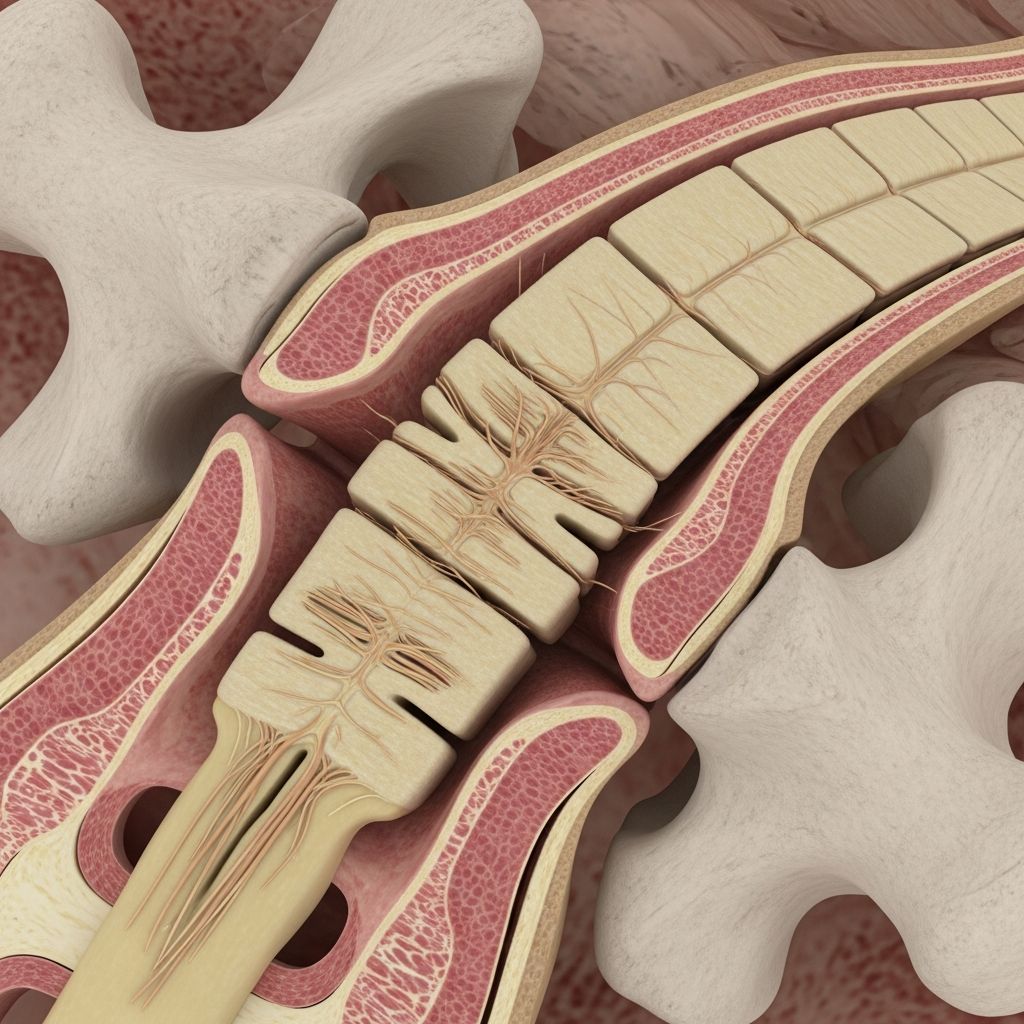
Congenital and inherited disorders of the spinal cord represent a significant challenge in veterinary medicine, particularly among certain dog breeds prone to genetic predispositions. These conditions arise from developmental anomalies during embryonic growth, leading to structural irregularities in the vertebrae or spinal cord that can manifest as pain, mobility issues, or neurological deficits early in life or later with progression.
Understanding the Genetic Roots of Spinal Anomalies
Many spinal cord disorders stem from disruptions in embryonic vertebral development, where segments fail to form properly due to genetic mutations or environmental influences during gestation. Breeds like English Bulldogs, French Bulldogs, Pugs, and German Shepherds show elevated incidences, often linked to selective breeding for physical traits such as brachycephalic skulls or specific body conformations. For instance, mutations in genes like DVL2 have been identified in Bulldogs, correlating with thoracic and tail vertebrae malformations, while fibroblast growth factor 4 (FGF4) retrogenes on chromosomes CFA12 and CFA18 heighten disk degeneration risks in chondrodystrophic breeds like Dachshunds.
These genetic factors create a spectrum of malformations, from mild incidental findings to severe instabilities causing spinal cord compression. Prevalence data indicates 80-97% of brachycephalic dogs exhibit some vertebral changes, though not all lead to symptoms. Understanding these roots is crucial for breeders to implement genetic screening and reduce incidence through responsible practices.
Key Types of Congenital Vertebral Malformations
Vertebral malformations vary widely but commonly include hemivertebrae, block vertebrae, butterfly vertebrae, and transitional vertebrae. Here’s a breakdown:
- Hemivertebrae: Incomplete half-formed vertebrae causing angular kyphosis or scoliosis, prevalent in screw-tailed breeds like Bulldogs (high incidence of thoracic and coccygeal forms).
- Block Vertebrae: Fusion of two or more vertebrae, reducing spinal flexibility and potentially leading to secondary instability.
- Butterfly Vertebrae: Symmetric clefts creating a butterfly shape, often seen alongside hemivertebrae in Pugs and Boston Terriers.
- Transitional Vertebrae: Lumbarization or sacralization, notably in German Shepherds (8-11% asymptomatic, up to 44% in cauda equina cases), increasing degeneration risks.
These anomalies often correlate with tail morphology; screw-tailed breeds show more severe column distortions.
Spinal Cord Compression Syndromes and Their Mechanisms
Beyond structural defects, secondary complications like spinal cord compression drive clinical disease. Pathogenesis involves instability from malformed facet joints, leading to soft tissue bands, repetitive microtrauma, or intervertebral disc herniation under biomechanical stress. In wobbler syndrome (cervical spondylomyelopathy), dynamic compression from vertebral instability or ligament hypertrophy affects giant breeds like Great Danes and Rottweilers, with onset from months to 4 years.
Cauda equina syndrome in German Shepherds exemplifies transitional vertebrae risks, presenting with pelvic limb weakness, incontinence, and lumbosacral pain starting at 3-7 years. Similarly, caudal articular process dysplasia in Pugs contributes to instability without overt vertebral fusion.
| Disorder | Affected Breeds | Primary Mechanism | Age of Onset |
|---|---|---|---|
| Hemivertebrae/Kyphosis | Bulldogs, Pugs | Direct bony compression, instability | Birth to young adult |
| Wobbler Syndrome | Great Danes, Mastiffs | Articular process proliferation | Several months-4 years |
| Cauda Equina | German Shepherds | Transitional vertebrae degeneration | 3-7 years |
| Intervertebral Disk Herniation | Dachshunds, French Bulldogs | Chondroid degeneration | 1-2 years or later |
Broader Inherited Spinal Dysplasias
Conditions like spina bifida involve neural tube closure failures, linked to teratogens, nutrition, or genetics, with high rates in Manx cats and Bulldogs associated with sacrocaudal dysgenesis. Atlantoaxial subluxation results from ligament laxity or dwarfism-related malformations, common in toy breeds. Chiari-like malformation and syringomyelia, prominent in Cavalier King Charles Spaniels, cause caudal fossa overcrowding and CSF flow obstruction, leading to neck pain and scratching.
Syringomyelia features fluid-filled cavities in the cord, often with scoliosis and ataxia onset between 6 months and 3 years. Spinal muscular atrophy and degenerative myelopathy represent neurodegenerative inherited issues, though less structural.
Recognizing Clinical Manifestations
Symptoms range from incidental to debilitating. Asymptomatic cases (common in 80-97% brachycephalics) are found via routine imaging. Symptomatic animals show ataxia, paresis, pain on palpation, proprioceptive deficits, or incontinence. In hemivertebrae, kyphosis compresses the cord directly or via discs; wobblers exhibit pelvic limb gait issues. Early signs in puppies include wobbliness or reluctance to move, progressing to paralysis if untreated.
Brachycephalic breeds may present with tail weakness tied to caudal malformations, while Cavaliers display phantom scratching. Differentiation from acquired diseases like disk herniation (3.5% lifetime dog prevalence, 20% in Mini Dachshunds) is vital.
Advanced Diagnostic Approaches
Diagnosis relies on multimodal imaging. CT excels at detailing bony malformations, while MRI assesses cord compression, edema, or syringomyelia. For wobblers, dynamic studies reveal instability. Radiographs screen for spondylosis deformans (age-related, incidental in 25-70% dogs >9 years, high in Boxers) or diffuse idiopathic skeletal hyperostosis (DISH, thoracic/lumbar).
Neurological exams pinpoint lesion localization, with CSF analysis ruling out inflammatory mimics. Genetic testing for FGF4 or DVL2 aids breeding decisions.
Treatment Strategies: From Conservative to Surgical
Management depends on severity. Conservative options—rest, physiotherapy, NSAIDs/steroids—offer short-term relief but poor long-term success. Surgery is gold standard for compression/instability: decompression (laminectomy), stabilization (fusion with plates/screws), or 3D-printed guides for precision (75% success).
Wobblers may require ventral slots or dorsal laminectomies. Disk herniations demand hemilaminectomy. Prognosis improves with early intervention; untreated cases risk chronic pain or euthanasia.
Prevention Through Genetic Awareness
Breeding reforms are key. Screening via radiographs/CT before mating, avoiding affected lines, and genetic tests (e.g., for chondrodystrophy) curb transmission. Public education on brachycephalic risks promotes healthier conformations.
FAQs on Animal Spinal Cord Disorders
Q: Are all vertebral malformations problematic?
A: No, many are incidental in breeds like Bulldogs; symptoms arise from secondary compression.
Q: Which breeds are most at risk?
A: Brachycephalics (Bulldogs, Pugs), chondrodystrophs (Dachshunds), giants (Great Danes), German Shepherds.
Q: Can these be cured?
A: Surgery often stabilizes; full cures vary, but 75% improve with targeted procedures.
Q: How do I know if my dog has one?
A: Consult a vet for neurological exam and imaging if ataxia or pain appears.
Q: Is spina bifida treatable in pets?
A: Symptomatic care; severe cases may need surgery, but prevention is focus.
References
- Congenital Vertebral Malformations in Dogs — Cave Veterinary Specialists. 2023. https://www.cave-vet-specialists.co.uk/veterinary-professionals/tips-from-our-experts/congenital-vertebral-malformations-in-dogs
- Degenerative Diseases of the Spinal Column and Cord in Animals — MSD Veterinary Manual. 2024. https://www.msdvetmanual.com/nervous-system/diseases-of-the-spinal-column-and-cord/degenerative-diseases-of-the-spinal-column-and-cord-in-animals
- The crooked spine: Congenital and developmental spinal disorders — dvm360. 2022. https://www.dvm360.com/view/crooked-spine-congenital-and-developmental-spinal-disorders-proceedings
- Disorders of the Spinal Cord — PMC (NCBI). 2020-04-01. https://pmc.ncbi.nlm.nih.gov/articles/PMC7152056/
- Developmental Disorders of the Spine in Dogs — Vetster. 2024. https://vetster.com/en/conditions/dog/developmental-disorders-of-the-spine
Similar Articles








Read full bio of medha deb


