
Inherited Skin Disorders In Horses: Essential Guide For Owners
Understanding genetic and congenital skin conditions that affect horses from birth or early development.
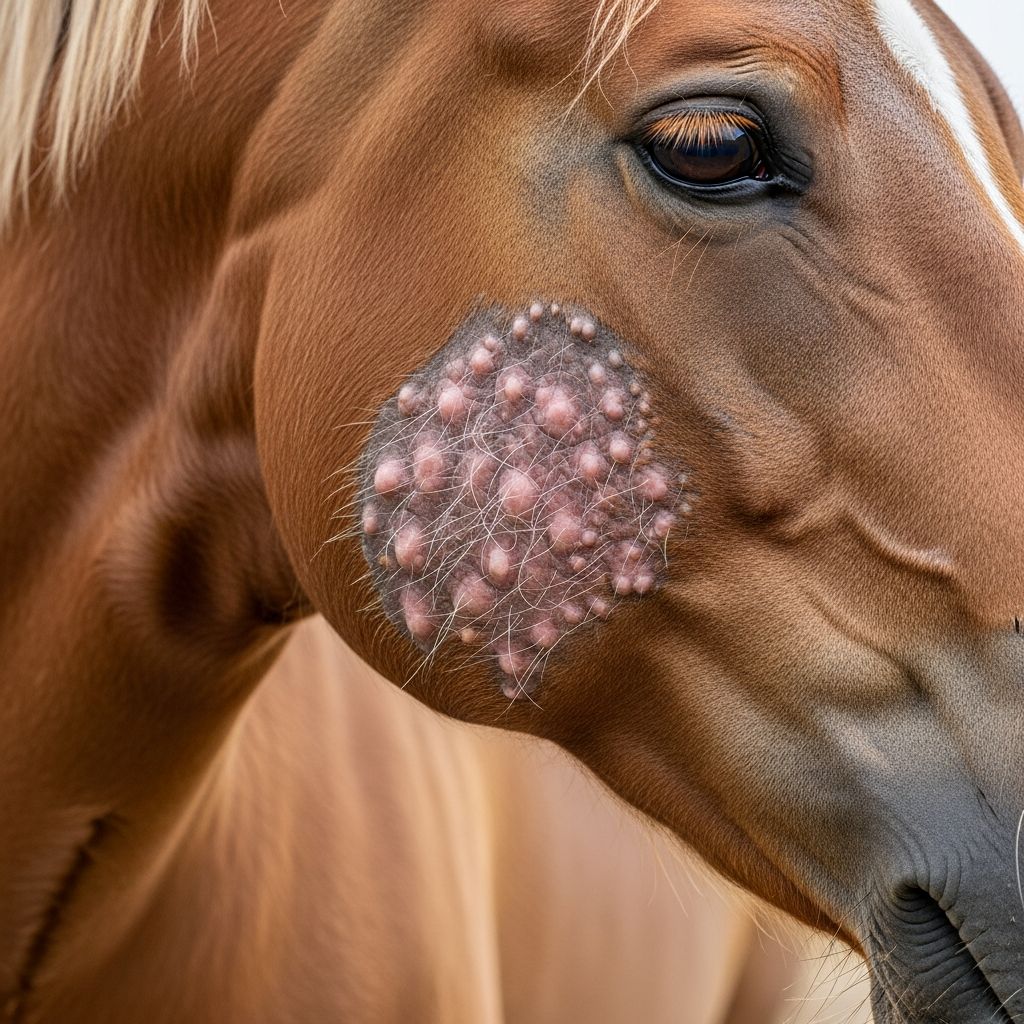
Horses can develop a wide range of skin disorders that originate from birth or emerge during early development. While some skin problems in horses arise from environmental exposure, injuries, or infections, others stem from genetic abnormalities passed down through breeding. Understanding these inherited conditions is essential for horse owners, breeders, and veterinarians seeking to diagnose, treat, and ultimately prevent these often debilitating disorders. This guide explores the various categories of genetically-determined skin diseases, their clinical presentations, underlying mechanisms, and available management approaches.
Understanding Genetic Skin Conditions in Horses
When skin disorders result primarily from genetic rather than environmental factors, veterinarians refer to them as genodermatoses. These conditions arise from errors in an animal’s genetic code and are transmitted to offspring according to established inheritance patterns. In horses, researchers have identified multiple genodermatoses with clearly defined genetic causes, affecting different breeds with varying degrees of severity.
The significance of recognizing these genetic conditions cannot be overstated. Early identification allows veterinarians to implement appropriate management strategies, prevents breeding of affected animals, and enables the development of genetic screening programs. Many of these conditions follow autosomal recessive inheritance patterns, meaning both parents must carry the mutation for offspring to be affected, though carriers may show no clinical signs.
Birth-Present Abnormalities: Conditions Evident at Foaling
Several skin conditions become apparent immediately upon birth or within the first weeks of life. These defects range from missing skin areas to structural cysts and abnormal pigmentation patterns.
Missing Skin Coverage at Birth
A condition known as aplasia cutis, or epitheliogenesis imperfecta, results in foals being born with partial or extensive areas of missing skin. The affected regions lack the normal protective barrier, making secondary bacterial or fungal infection a common complication. In some cases, the hooves may be deformed or completely absent, and additional congenital abnormalities may accompany the skin defect. The severity determines the prognosis; extensive skin loss typically proves fatal, while localized defects may be surgically repaired with variable success rates.
Fluid-Filled Cysts and Follicular Abnormalities
Dermoid structures, or cysts, occur relatively frequently in Thoroughbred horses. These are lined with skin tissue and accumulate shed skin cells, hair, and secretions from glands. Over time, the accumulated material can become infected, causing inflammation and drainage. Typically found along the midline of the back, these cysts can occasionally be associated with spinal cord dysfunction. Surgical removal is the standard treatment approach.
Follicular cysts develop when hair follicles grow abnormally or when glandular products are retained within the follicle. When the follicle fails to develop normally from the start, the condition is considered congenital. Additionally, periauricular cysts (also called dentigerous cysts) present another variant of cyst formation in horses. Although present at birth, these cysts may not be recognized until the horse reaches adulthood, sometimes causing diagnostic delays.
Pigmentation Disorders: Color and Pattern Abnormalities
Several hereditary conditions affect the distribution and intensity of skin color in horses, ranging from complete lack of pigmentation to patchy loss of color.
Total Loss of Pigmentation
Albinism, while rare in horses, represents a complete absence of pigment production. Affected horses display pale or pink irises and invariably develop visual defects, including light sensitivity and reduced vision. These animals face elevated risk of severe sunburn and skin damage from solar radiation exposure. It is important to distinguish albinism from extreme white spotting, which occurs through different genetic mechanisms.
Lethal white foal syndrome represents a tragic outcome sometimes occurring when two Overo Paint horses are bred together. The resulting pigmentation pattern, while visually striking, carries associated neurological abnormalities that prove incompatible with life. Similarly, horses displaying extreme piebald coloration (extensive black and white patches) or those with dominant white coat genes may inherit associated neurological problems or deafness in one or both ears.
Progressive Color Loss in Adulthood
Vitiligo presents a hereditary condition characterized by progressive loss of skin pigmentation, though the condition is not evident at birth. Arabian horses experience this disorder at higher frequencies, where it is sometimes referred to as Arabian fading syndrome or pinky syndrome. The condition typically manifests during young adulthood, with bleached patches developing irregularly across the skin surface. Most prominently affected areas include the face, particularly the bridge of the muzzle and regions around the eyes, though pigmentation loss may also affect the hair coat and hooves.
The progression of vitiligo remains unpredictable; patches may expand, regress, or remain stable. Color may fluctuate seasonally or with stress levels. While complete remission occurs rarely, many horses maintain stable conditions without further progression. Importantly, vitiligo causes no systemic health problems beyond cosmetic changes. Treatment options available for humans with vitiligo have shown minimal effectiveness in equine patients.
Structural Integrity Defects: Compromised Skin Strength
Several genetic conditions weaken the structural components of skin, resulting in fragility, poor wound healing, and vulnerability to injury.
Hereditary Equine Regional Dermal Asthenia (HERDA)
HERDA represents one of the most significant inherited skin conditions in horses, occurring predominantly in American Quarter Horses and related breeds. The condition arises from abnormal production of collagen and elastin, the proteins that provide skin strength and elasticity. Affected horses develop patches or extensive areas of loose, hyperextensible skin that tears easily even with minor trauma.
Clinical signs typically emerge during the second year of life, often becoming apparent during saddle training when pressure and friction from equipment causes skin damage. The condition follows an autosomal recessive inheritance pattern, requiring both parents to carry the mutation for offspring to manifest disease. Affected skin heals slowly or incompletely, leading to chronic wounds and scarring.
Diagnosis relies on observation of characteristic skin laxity combined with specialized testing of collagen structure. A DNA test has been developed to identify carrier animals, allowing breeders to make informed decisions and preventing the birth of affected foals. Currently, no cure exists for HERDA; management focuses on avoiding further trauma by limiting exercise and removing tack.
Blistering Diseases: Epidermolysis Bullosa Syndromes
Epidermolysis bullosa syndromes represent a group of inherited conditions affecting the connections between the outer and inner layers of skin. Three distinct types have been identified in horses, each with different inheritance patterns and severity levels.
All forms of epidermolysis bullosa share a common mechanism: even minor skin trauma causes the layers of skin to separate, resulting in fluid-filled blisters that quickly rupture and leave painful, ulcerated areas. The most severe blistering occurs on the lower legs, where hooves may slough, as well as in the mouth, face, and genital regions. Blisters may be present at birth or develop within the first weeks of life.
The simplex form carries the most favorable prognosis, though it remains a serious condition. The other two forms typically prove fatal, with affected foals unable to eat or ambulate normally. All three forms have been documented in Belgian draft foals. Junctional epidermolysis bullosa affects American Saddlebreds and Belgian draft horses, though the genetic mutations differ between these breeds.
Breed-Specific Inherited Conditions
Several genetic disorders show strong breed predispositions, affecting specific populations with greater frequency.
Hoof Wall Separation in Draft Ponies
Connemara ponies are affected by a genetic condition causing separation of the dorsal hoof wall from underlying structures at the front of the foot. This painful separation can progress to laminitis, a devastating hoof condition. The disorder represents another example of how single genetic mutations can profoundly affect equine health and function.
Pigmentation Disorders with Systemic Effects
Incontinentia pigmenti affects Quarter Horses and Warmblood horses, resulting in irregular areas of hair loss and absent skin pigmentation. This condition, similar to a human disease of the same name, demonstrates how similar genetic mechanisms may affect multiple species.
Fragile Foal Syndromes in Warmbloods
Warmblood horses experience inherited skin fragility conditions caused by mutations in specific genes responsible for connective tissue formation. Warmblood Fragile Foal Syndrome Type 1 (WFFS) results from mutations in the PLOD1 gene, which encodes a protein essential for collagen cross-linking. Affected foals exhibit skin fragility similar to HERDA but arise from a different genetic defect. Genetic testing became available in 2013, allowing breeders to identify carriers and prevent affected births. The condition demonstrates an autosomal recessive inheritance pattern, similar to HERDA in Quarter Horses.
Management and Prevention Strategies
Managing inherited skin conditions requires a multifaceted approach combining immediate care with long-term prevention.
Immediate Care Considerations
Horses with severe blistering conditions require intensive supportive care including wound management, pain control, and nutritional support. Animals with HERDA benefit from minimizing trauma through limiting exercise, avoiding saddles and equipment, and maintaining clean environments to prevent secondary infections. Some owners eventually elect euthanasia for severely affected horses unable to maintain quality of life.
Breeding Decisions and Genetic Testing
DNA testing availability has transformed breeding practices for conditions like HERDA and WFFS. Breeders can now identify carrier animals that may show no clinical signs but could pass mutations to offspring. Testing enables informed breeding decisions that eliminate affected births while maintaining genetic diversity in breeding populations.
Veterinary Monitoring
Regular dermatological examinations allow early detection of progressive conditions like vitiligo. Young horses, particularly of breeds with known genetic predispositions, benefit from baseline examinations that establish normal skin characteristics. Surveillance systems help identify emerging genetic problems in breed populations.
Emerging Research and Future Directions
Continued research into equine genetic skin disorders promises improved diagnostic and preventive capabilities. As additional genes responsible for inherited skin conditions are identified, genetic testing expands to cover more disorders. Breeding registries increasingly incorporate genetic testing requirements, creating healthier populations by preventing affected births.
Conclusion
Inherited and congenital skin disorders in horses range from minor cosmetic concerns to life-threatening conditions. Understanding the genetic basis of these conditions, recognizing clinical signs, and implementing appropriate management strategies represents essential knowledge for everyone involved in equine care. With advances in genetic testing and increased awareness, breeders and veterinarians work together to reduce the incidence of these debilitating disorders while supporting affected horses through compassionate management approaches.
References
- Skin Problems in Horses: Genetic Conditions — Kentucky Equine Research. 2024. https://ker.com/equinews/skin-problems-horses-genetic-conditions/
- Congenital and Inherited Skin Disorders in Horses — Merck Veterinary Manual, Department of Medical Sciences, School of Veterinary Medicine, University of Wisconsin-Madison. 2024. https://www.merckvetmanual.com/horse-owners/skin-disorders-of-horses/congenital-and-inherited-skin-disorders-in-horses
- How to Detect and Treat Horse Skin Conditions — Reel Foot Animal Hospital. 2024. https://www.reelfootanimalhospital.com/site/blog/2024/07/30/detect-treat-horse-skin-conditions
- Skin malformations in a neonatal foal tested homozygous positive for PLOD1 mutation — National Center for Biotechnology Information, PubMed Central. 2015. https://pmc.ncbi.nlm.nih.gov/articles/PMC4327794/
Similar Articles








Read full bio of Sneha Tete


