

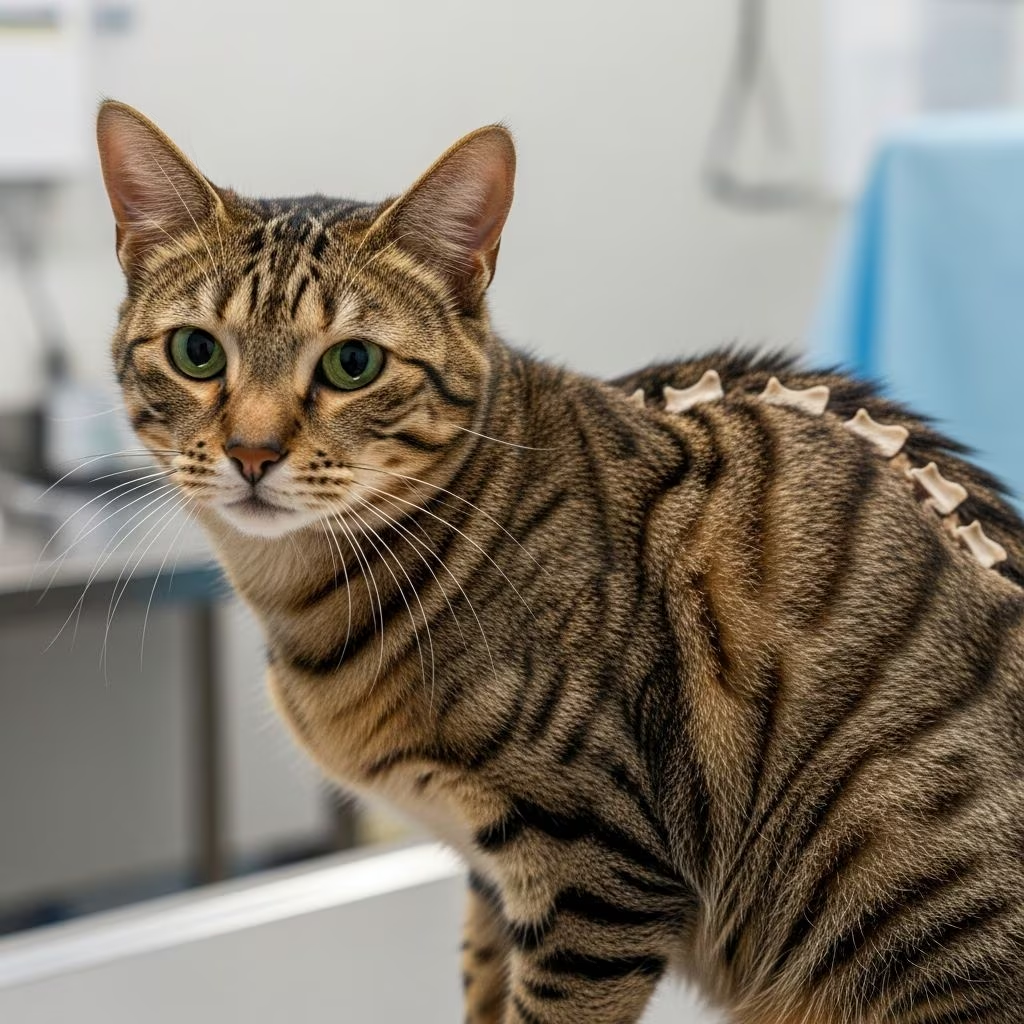
Skeletal and joint disorders represent a significant category of health concerns in domestic cats, particularly when these conditions are inherited or present from birth. Unlike acquired musculoskeletal problems that develop from injury or wear-and-tear, congenital and genetic skeletal diseases stem from abnormal development during growth phases or from inherited genetic mutations. Understanding these conditions is essential for cat owners, breeders, and veterinarians to identify affected animals early, manage pain effectively, and make informed breeding decisions.
Understanding Congenital and Inherited Skeletal Diseases
Congenital skeletal disorders manifest during the prenatal period or shortly after birth, while inherited conditions are passed through genetic lines and may not become apparent until later in life. Both categories can significantly impact a cat’s quality of life, mobility, and comfort. The severity ranges from asymptomatic conditions discovered incidentally on radiographs to severely debilitating diseases that cause chronic pain and functional impairment.
Environmental factors during critical growth periods can also trigger or exacerbate skeletal problems. Nutritional deficiencies, trauma, and viral infections can all contribute to abnormal skeletal development, sometimes interacting with genetic predisposition to create or worsen clinical disease.
Multiple Osteochondromas: Benign Bony Growths
Osteochondromatosis represents an uncommon developmental disorder characterized by the formation of multiple benign bony projections arising from the growth plates of long bones, vertebrae, and rib structures. These exostoses typically develop in young cats and appear as cartilage-capped bony protrusions on the bone surface.
Many affected cats remain asymptomatic, with the condition discovered only during routine radiographic examination. However, when these growths increase in size or interfere with joint function, affected animals may develop lameness, reduced mobility, or localized pain. The location of the osteochondromas determines whether clinical signs develop—growths near major joints or that impinge on soft tissues are more likely to cause problems than those in less critical locations.
Diagnosis and Management: Veterinarians confirm osteochondromatosis through physical examination and radiographic imaging, which clearly demonstrates the characteristic bony growths. When lameness or pain develops, surgical removal of the problematic masses provides relief and restores mobility. Asymptomatic cases typically require monitoring but no intervention.
Scottish Fold Osteodystrophy: A Breed-Specific Challenge
Scottish Fold osteodystrophy represents a serious genetic condition affecting the Scottish Fold breed, stemming from the same genetic mutation responsible for the breed’s distinctive folded ears. This autosomal dominant mutation, known as the Fd gene, affects cartilage and bone development throughout the body.
Genetic Inheritance Pattern
The inheritance mechanism of Scottish Fold osteodystrophy involves the Fd gene, requiring only a single copy to produce the characteristic folded ear phenotype. Cats carrying two copies of the gene experience far more severe skeletal manifestations, developing significant bone abnormalities during growth phases. These severely affected cats exhibit earlier onset of clinical signs and more rapid progression toward debilitating arthritis compared to heterozygous carriers.
Clinical Manifestations
Affected Scottish Folds develop abnormal bone growth and deformities affecting the spine, paws, and limb structure. The metacarpal, metatarsal, and toe bones become deformed and enlarged, while vertebral abnormalities create architectural disruption of the spinal column. These changes result in:
- Progressive lameness affecting hind limbs primarily
- Reluctance to jump, climb, or engage in normal feline behaviors
- Visible swelling and deformity of affected bones
- Chronic pain affecting quality of life
- Degenerative joint disease developing early in life
The functional impact extends beyond physical limitations—affected cats lose the ability to engage in natural feline behaviors like jumping and playing, resulting in diminished quality of life and behavioral changes.
Treatment Considerations
Currently, no cure exists for Scottish Fold osteodystrophy. Treatment focuses on managing pain and maintaining mobility through surgical removal of problematic bony growths when they contribute to dysfunction. Pain management protocols, including analgesic medications and environmental modifications, help affected cats maintain reasonable comfort levels. The prognosis remains guarded, with progressive deterioration expected as cats age.
Patellar Luxation: Kneecap Displacement
Patellar luxation, or displacement of the kneecap, represents a hereditary joint disorder involving abnormal development of the patella and surrounding knee structures. This condition occurs when the kneecap slips from its normal anatomical position, typically toward the inner aspect of the knee joint.
The underlying pathology involves multiple anatomical abnormalities of the hindlimb, including deformities of the femur, tibia, and hip joint. These structural irregularities predispose the patella to displacement, particularly during extension and flexion movements. Cats of any age can develop clinical signs, though the condition stems from developmental defects present from birth.
Affected cats may exhibit intermittent or chronic lameness, depending on the frequency and duration of luxation episodes. Some animals develop compensatory movement patterns that mask mild clinical signs. Diagnosis relies on physical examination demonstrating patellar instability combined with radiographic evidence of anatomical abnormalities.
Hip Dysplasia in Felines
Hip dysplasia refers to abnormal development of the hip joint, resulting in a loose or unstable articulation between the femoral head and acetabulum. While relatively uncommon in domestic cats generally, hip dysplasia occurs more frequently in purebred populations, particularly certain lineages predisposed to the condition.
The loose hip joint permits excessive movement between bone surfaces, leading to progressive cartilage degeneration and osteoarthritis development. Unlike dogs, many cats tolerate hip dysplasia remarkably well, particularly those with mild to moderate severity. Lameness varies considerably among affected individuals, ranging from imperceptible to severe functional impairment.
Management Approach: Most feline patients with hip dysplasia require no surgical intervention. Instead, lifestyle modifications including weight management, environmental adaptations to reduce joint stress, and pain management when necessary prove effective. Obese cats experience accelerated joint degeneration, making weight reduction a critical management component. Providing ramps, elevated food and water bowls, and comfortable bedding reduces strain on arthritic joints.
Nutritional Bone Disease: Calcium and Vitamin Deficiency
Nutritional secondary hyperparathyroidism develops when dietary imbalances create calcium deficiency, prompting the body to extract skeletal calcium to maintain blood levels. This condition historically occurred most frequently in kittens fed exclusively meat-based diets lacking appropriate mineral balance and vitamin D supplementation.
The progressive calcium depletion weakens bone structure, causing thinning and loss of skeletal integrity. Affected animals develop lameness, bone pain, and reluctance to bear weight. Severe cases manifest “rubber jaw syndrome,” where mandibular softening prevents normal jaw function. Pathological fractures occur from minimal trauma in severely affected cats.
Early intervention with calcium supplementation and balanced diet reformulation provides excellent prognosis. Once severe skeletal deformities develop, however, recovery becomes limited and permanent disability may result. Prevention through appropriate nutrition remains far more effective than treating established disease.
Hereditary Rickets: Vitamin D Metabolism Disorders
Hereditary rickets represents a group of genetic conditions affecting vitamin D metabolism and calcium absorption. These rare conditions develop in young kittens and produce severe skeletal mineralization defects.
Clinical presentation includes:
- Lameness and reluctance to bear weight
- Stunted growth and failure to thrive
- Tremors and seizures from severe hypocalcemia
- Generalized osteopenia visible on radiographs
- Soft tissue calcification abnormalities
Diagnosis requires radiographic evaluation demonstrating widespread bone mineralization defects combined with blood work showing hypocalcemia and abnormal vitamin D metabolism. Treatment involves vitamin D supplementation and calcium therapy, though response varies depending on the specific underlying metabolic defect.
Degenerative Joint Disease in Cats
Osteoarthritis, or degenerative joint disease, develops when cartilage protecting joint surfaces degenerates over time. While osteoarthritis typically develops from trauma, infection, or immune-mediated joint disease, it also commonly results from congenital or inherited joint malformations.
Joint cartilage loss triggers inflammation, further accelerates cartilage destruction, and leads to abnormal joint mechanics. Approximately 60 to 90 percent of older cats develop some degree of osteoarthritis, though cats frequently conceal pain effectively, making clinical detection challenging for owners.
Cats with inherited or congenital joint abnormalities develop early-onset osteoarthritis, often by middle age. Environmental modifications, weight management, and pain medications help maintain quality of life in affected animals.
Diagnosis of Inherited Skeletal Disorders
Veterinary diagnosis of congenital and inherited skeletal conditions combines multiple diagnostic approaches:
| Diagnostic Method | Information Provided | Utility |
|---|---|---|
| Physical Examination | Palpable swelling, deformity, joint instability, pain response | Initial screening and assessment |
| Radiography | Bone structure, growth plate abnormalities, degenerative changes | Definitive skeletal assessment |
| Blood Work | Calcium, phosphate, vitamin D, parathyroid hormone levels | Nutritional disorder identification |
| Breed History | Genetic predisposition patterns | Risk stratification |
Management and Quality of Life Considerations
While many inherited skeletal conditions lack curative treatments, comprehensive management strategies significantly improve affected cats’ quality of life. Pain management using appropriate analgesics, physical modifications to the home environment, weight optimization, and activity management all contribute to maintaining comfort and mobility.
Cats with inherited skeletal conditions benefit from consistent veterinary monitoring to track disease progression, adjust management strategies as needed, and address secondary complications like osteoarthritis. Owner education regarding realistic expectations, pain recognition, and environmental modifications ensures optimal long-term outcomes.
Breeding Considerations and Prevention
For breeders, understanding inherited skeletal diseases is crucial for responsible breeding practices. Genetic screening, when available, identifies carrier animals. Breeding decisions should prioritize genetic diversity and exclude animals with known hereditary skeletal conditions from breeding programs.
Prospective cat owners should research breed-specific skeletal concerns and obtain detailed health histories from reputable breeders. Supporting breeders committed to genetic testing and disease elimination helps reduce the prevalence of inherited skeletal disorders in future generations.
Frequently Asked Questions
Can inherited skeletal conditions be cured?
Most congenital and inherited skeletal conditions lack curative treatments. Management focuses on pain control, maintaining mobility, and improving quality of life. Early intervention with appropriate treatment provides the best outcomes.
Are all Scottish Folds affected by osteodystrophy?
Scottish Folds carrying the Fd gene develop some degree of osteodystrophy, though severity varies. Cats with two copies of the gene experience far more severe manifestations than heterozygous carriers.
What dietary changes help cats with nutritional bone disease?
Balanced commercial cat foods formulated to meet AAFCO standards provide appropriate calcium, phosphorus, and vitamin D ratios. All-meat diets should be supplemented with appropriate minerals or replaced with balanced commercial formulations.
How is lameness evaluated in cats with skeletal conditions?
Veterinarians assess lameness through gait observation, joint palpation, and pain response testing. Radiographic imaging reveals underlying structural abnormalities. Owner observations of behavioral changes help clinicians assess disease progression.
What environmental modifications help affected cats?
Ramps reducing jump height, elevated food and water bowls, orthopedic bedding, litter boxes with low sides, and limited vertical spaces all reduce joint stress and pain.
References
- Bone Disorders in Cats — MSD Veterinary Manual. 2024. https://www.msdvetmanual.com/cat-owners/bone-joint-and-muscle-disorders-of-cats/bone-disorders-in-cats
- Osteochondrodysplasia in Cats — PetMD. 2024. https://www.petmd.com/cat/conditions/genetic/osteochondrodysplasia-cats
- Joint Disorders in Cats — Merck Veterinary Manual. 2024. https://www.merckvetmanual.com/cat-owners/bone-joint-and-muscle-disorders-of-cats/joint-disorders-in-cats
- Juvenile Orthopedic Disease in Dogs & Cats, Part 1: Musculoskeletal Development and Pediatric Bone Diseases — Today’s Veterinary Practice. 2021. https://todaysveterinarypractice.com/orthopedics/juvenile-orthopedic-disease-in-dogs-cats-part-1-musculoskeletal-development-pediatric-bone-diseases/
- Musculoskeletal Oddities in the Cat — PubMed Central / NIH. 2024. https://pmc.ncbi.nlm.nih.gov/articles/PMC11148911/
- Feline Orthopedic Disease — MSPCA Angell Animal Medical Center. 2024. https://www.mspca.org/angell_services/feline-orthopedic-disease/



