
Inherited Skeletal Conditions In Dogs: Complete Guide
Understanding genetic bone and joint disorders that affect dogs from birth
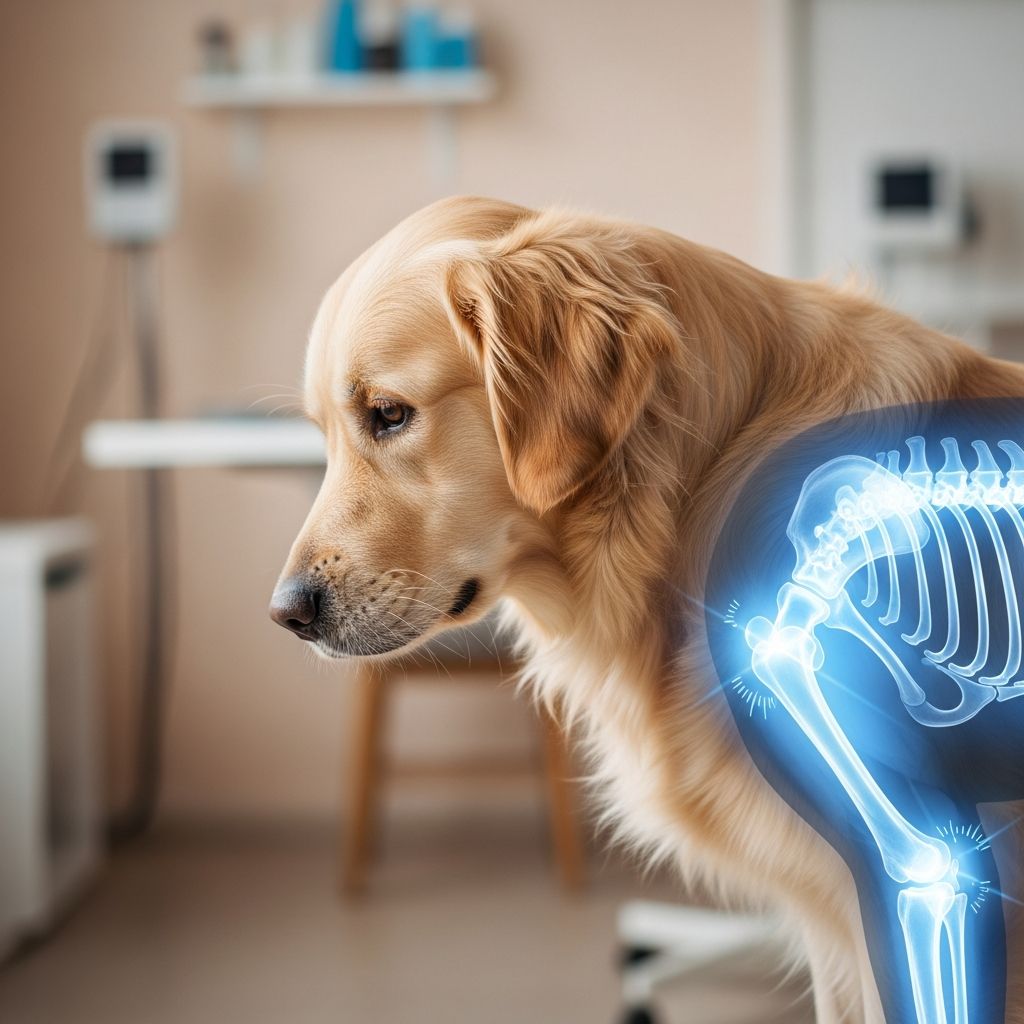
Dogs inherit a wide range of health conditions from their parents, and among the most significant are those affecting the bones, joints, and muscles. These inherited skeletal disorders can range from mild conditions that cause minimal discomfort to severe disabilities that dramatically impact quality of life. Understanding these conditions is essential for dog owners, breeders, and anyone involved in canine health care. This comprehensive guide explores the various inherited skeletal conditions that affect dogs, their causes, how they develop, and the management strategies available.
The Genetic Foundation of Skeletal Disorders in Dogs
Hereditary bone and joint diseases represent a significant health concern in domestic dogs. These conditions arise when dogs inherit genetic predispositions from their parents that cause abnormal development of skeletal structures. Unlike diseases acquired through infection or injury, inherited skeletal disorders are present from conception and may manifest during early development or as the puppy matures.
The inheritance patterns of skeletal conditions vary significantly. Some conditions follow autosomal dominant inheritance, meaning a dog needs only one copy of the problematic gene to express the disease. Others follow autosomal recessive patterns, requiring two copies of the gene. Still other skeletal conditions demonstrate complex inheritance involving multiple genes and environmental factors. Environmental influences such as nutrition, growth rate, and activity level can modify how severely a genetic predisposition manifests, even in puppies carrying the same genes.
Larger dog breeds face particular risk for inherited skeletal disorders. This correlation exists because skeletal structures in large breeds must support significantly greater body weight, and the rapid growth rates of giant breed puppies place enormous stress on developing bones and joints. Medium and large breeds show higher incidence rates for conditions like hip dysplasia, elbow dysplasia, and various developmental bone diseases.
Hip Joint Malformation: The Most Common Inherited Skeletal Problem
Hip dysplasia stands as arguably the most prevalent inherited skeletal condition affecting dogs worldwide. This condition develops when the ball-and-socket hip joint does not form properly, resulting in inadequate fit between the femoral head and the acetabulum (hip socket). Rather than fitting snugly together, the joint components remain loose or lax, allowing excessive movement within the joint capsule.
The consequences of hip dysplasia develop progressively. Initial looseness in the joint triggers inflammatory changes and cartilage degradation. Over time, repeated movement in the loose joint damages the articular cartilage and causes abnormal bone remodeling. This cascade of degenerative changes eventually leads to osteoarthritis, a painful condition characterized by chronic joint inflammation and bone proliferation.
Several factors influence whether a genetically predisposed dog develops clinical hip dysplasia. Nutritional status during growth plays a critical role—overfeeding puppies accelerates growth rate and can worsen hip dysplasia in genetically susceptible animals. Conversely, controlled nutrition and slower growth rates can reduce the severity of hip dysplasia expression in genetically predisposed dogs. Activity patterns, body weight, and muscle development also influence disease progression.
Clinical presentation of hip dysplasia varies widely. Some dogs remain asymptomatic throughout life despite radiographic evidence of joint looseness. Others experience significant pain and functional impairment. Common signs include difficulty rising from rest, reluctance to climb stairs or jump, abnormal gait patterns, and visible pain in the hind limbs. Dogs may shift their weight toward the front legs to reduce pressure on affected hips, creating an characteristic stance.
Diagnosis requires evaluation of clinical signs combined with radiographic imaging. Veterinarians assess the degree of joint laxity and evidence of degenerative changes through specialized radiographic techniques. Early diagnosis offers significant advantages, as intervention during the growth phase can prevent or minimize degenerative joint disease development.
Elbow Joint Dysplasia and Related Conditions
The elbow joint represents a complex articulation involving three bones, and inherited malformations of this joint create significant problems in affected dogs. Elbow dysplasia encompasses multiple distinct conditions that may occur independently or in combination.
Medial luxation, a condition where the elbow joint becomes partially dislocated, occurs as a developmental disorder particularly in small-breed dogs, though it increasingly appears in large-breed animals. Dogs affected by medial luxation typically show signs of thoracic limb lameness appearing between five and eight months of age. Physical examination reveals elbow abduction and external rotation of the foot, alongside crepitus (joint clicking), joint effusion (fluid accumulation), and periarticular thickening.
Osteochondritis dissecans (OCD) represents another important form of elbow dysplasia. This condition involves abnormal cartilage-to-bone transformation in the joint, resulting in loose cartilage fragments that break free into the joint space. These loose pieces create pain and inflammation, and can lead to secondary degenerative joint disease. While osteochondrosis differs from arthritis, it frequently leads to early-onset arthritis in affected dogs.
Angular limb deformities frequently accompany elbow dysplasia. Abnormal development of the radius and ulna bones causes shortened limbs, bowing, partial elbow joint displacement, and carpus (wrist) bending or twisting. These conditions occur particularly in breeds predisposed to skeletal abnormalities, including Bulldogs, Pugs, Boston Terriers, Basset Hounds, and Dachshunds.
Clinical signs of elbow dysplasia include lameness affecting the front legs, restricted joint movement, muscle wasting on the affected side, and characteristic gaiting patterns where dogs attempt to avoid normal elbow flexion. The severity of clinical signs does not always correlate with radiographic findings—some dogs with significant joint changes experience mild symptoms, while others show severe pain despite moderate radiographic changes.
Developmental Bone Diseases in Growing Dogs
Several conditions specifically affect bones during the growth phase, creating temporary or permanent skeletal problems. These developmental bone diseases deserve particular attention because their course and outcome depend significantly on early recognition and appropriate management.
Bone Inflammation During Growth
Panosteitis causes inflammation of the long bones in young, rapidly growing dogs, particularly those from large and giant breeds. This self-limiting condition appears spontaneously and resolves once skeletal maturity is reached, regardless of treatment. Despite this benign natural history, panosteitis causes significant pain during the affected period.
The condition most commonly affects the ulna bone, followed by the radius, humerus, femur, and tibia. Multiple bones may be involved simultaneously or sequentially. Affected dogs experience lameness, pain during physical examination, and reluctance to bear weight on affected limbs. Radiographic examination reveals characteristic bone changes including increased bone density and periosteal (bone surface) reactions.
Breeds showing elevated panosteitis risk include German Shepherd Dogs, Airedale Terriers, Irish Setters, German Shorthaired Pointers, Doberman Pinschers, Afghans, Great Danes, Saint Bernards, Bernese Mountain Dogs, Newfoundlands, Golden Retrievers, Labrador Retrievers, and several smaller breeds.
Metabolic Bone Disease
Hypertrophic osteodystrophy represents a distinct developmental disease affecting young large and giant-breed dogs. This condition, also known as skeletal scurvy or Moller-Barlow’s disease, produces severe pain, lameness, and systemic signs including fever and appetite loss. The disease affects primarily the radius, ulna, and tibia bones, frequently affecting both front and rear limbs bilaterally.
Histological examination of affected bone reveals necrosis of trabecular bone, inflammatory cell infiltration, hemorrhage, and hemosiderin deposits. Subclinical fractures occur commonly, and subperiosteal hemorrhage can lead to abnormal bone formation and growth disturbances.
Unlike panosteitis, the underlying cause of hypertrophic osteodystrophy remains unclear. Potential contributing factors include hereditary predisposition, conformation, bone tissue infarction, hormonal influences, and elevated pressure within joint capsules, though none have been definitively established as causative. Most affected dogs present between four and eleven months of age with no sex predilection. Small-breed dogs are most commonly affected, with toy breeds and terrier breeds showing increased risk.
Cartilage and Bone Formation Defects
Osteochondrosis involves abnormal development of joint cartilage and its transformation to bone. Rather than normal cartilage-to-bone conversion, affected joints develop loose cartilage fragments that detach and float within the joint space. This creates pain and inflammation, and frequently leads to secondary degenerative joint disease—but in a different pathophysiological mechanism than osteoarthritis from hip dysplasia.
Larger dog breeds demonstrate genetic predisposition toward osteochondrosis, typically resulting from rapid growth rates. The pain experienced by affected puppies resembles “growing pains” that adolescent dogs naturally experience. However, osteochondrosis creates pain from actual cartilage pathology rather than simply from growth-related muscle and bone stress.
Clinical signs of osteochondrosis include lameness and pain in affected joints, restricted joint movement, and muscle wasting on the affected side. Detection of symptoms depends on lesion location. Dogs frequently adopt compensation strategies—for example, a dog with elbow osteochondrosis may swing the affected leg outward in a circular motion to avoid normal elbow bending. Although osteochondrosis usually affects both sides of an affected bone, one side may be more severely damaged than the other.
Structural Limb Abnormalities
Some inherited skeletal conditions manifest as structural deformities rather than degenerative changes. Congenital limb deformities arise when puppies are born with underdeveloped bones, abnormal bone angles, or complete absence of limbs. These conditions are unique to individual patients and may involve single or multiple limbs.
The consequences of limb deformities extend beyond the affected limb itself. Missing or shortened limbs cause abnormal gait patterns and place excessive stress on the spine and remaining normal limbs. Over time, this stress can lead to secondary problems in other skeletal structures.
Management approaches for congenital limb deformities vary considerably. Some conditions require surgical intervention to restore normal anatomy or prevent complications. Other patients benefit significantly from orthotic devices (braces that support limbs), prosthetic replacements, or mobility assistance devices such as wheeled carts. These interventions can reduce lifelong stress on affected bodies and improve quality of life substantially.
Abnormal Bone Growth Conditions
Hereditary multiple exostoses (also called osteochondromas) represent a heritable condition affecting bone growth. The disease involves development of benign bony growths on bones, most commonly affecting vertebrae, ribs, and long bones. The underlying cause remains unknown, and the condition may affect both dogs and cats.
Great Danes, Saint Bernards, and hound breeds show overrepresentation in exostosis cases, suggesting breed predilection. In dogs, exostosis inheritance follows an autosomal dominant pattern, appearing and enlarging before skeletal maturity is reached. The condition appears concerning because exostosis can undergo malignant transformation to chondrosarcoma or osteosarcoma (bone cancers), though this remains relatively uncommon.
Patellar luxation (dislocated kneecap) presents another structural abnormality with hereditary components. While patellar luxation can result from trauma, many cases represent congenital defects where puppies are born with dislocated kneecaps. This condition affects knee function and frequently leads to lameness and pain.
Diagnosis, Management, and Prognosis
Successful management of inherited skeletal conditions begins with early recognition. Veterinarians typically diagnose these conditions through combination of clinical examination, breed predisposition assessment, radiographic imaging, and sometimes advanced imaging like computed tomography (CT) or magnetic resonance imaging (MRI).
Treatment approaches vary based on specific condition and severity. Some conditions like panosteitis require primarily pain management and activity restriction until spontaneous resolution occurs. Other conditions benefit from surgical intervention to correct joint abnormalities, remove loose bone or cartilage fragments, or realign structural elements. Many dogs require long-term medical management including pain medications, joint supplements, and physical rehabilitation.
Prevention through responsible breeding practices represents the most effective long-term strategy. Dogs diagnosed with hereditary skeletal conditions should never be used for breeding, as this directly reduces disease incidence in future generations. Screening programs for hip and elbow dysplasia help identify affected dogs before breeding decisions are made.
Environmental management during growth also influences outcomes. Proper nutrition avoiding excessive energy intake, appropriate exercise levels, and maintenance of lean body condition reduce severity of expression in genetically predisposed dogs. Physical rehabilitation and therapeutic exercise strengthen supporting muscles and improve joint function.
Breed-Specific Considerations
Inherited skeletal conditions show distinct breed patterns. Large breeds like German Shepherd Dogs, Labrador Retrievers, Golden Retrievers, Rottweilers, and Bulldogs face elevated hip dysplasia risk. Small breeds including Toy Poodles, West Highland White Terriers, and Chihuahuas show higher patellar luxation incidence. Understanding breed-specific predispositions helps owners and veterinarians maintain appropriate vigilance for early disease recognition.
Long-Term Outlook and Quality of Life
The prognosis for dogs with inherited skeletal conditions varies significantly. Some dogs experience minimal clinical signs throughout life despite genetic predisposition. Others require ongoing medical or surgical management. Many dogs live full, happy lives despite skeletal conditions when provided with appropriate care, pain management, exercise modification, and sometimes surgical intervention.
Early diagnosis combined with aggressive intervention during growth phases frequently results in substantially better long-term outcomes than delayed recognition and treatment. Owners who recognize early signs of lameness, gait abnormalities, or pain in their dogs and seek veterinary evaluation position their pets for optimal management and improved quality of life.
References
- Common Canine Congenital Orthopedic Conditions — Pawsitive Steps Rehabilitation. Accessed February 2026. https://www.pawsitivestepsrehab.com/blog/common-canine-congenital-orthopedic-conditions/
- Diseases of Joints and Ligaments — National Center for Biotechnology Information (NIH). https://pmc.ncbi.nlm.nih.gov/articles/PMC7152354/
- Canine Hip Dysplasia (CHD) — Cornell University, College of Veterinary Medicine, Riney Canine Health Center. https://www.vet.cornell.edu/departments-centers-and-institutes/riney-canine-health-center/canine-health-topics/canine-hip-dysplasia-chd
- Bone Disorders in Dogs — MSD Veterinary Manual. https://www.msdvetmanual.com/dog-owners/bone-joint-and-muscle-disorders-of-dogs/bone-disorders-in-dogs
- Juvenile Orthopedic Disease in Dogs & Cats, Part 1: Musculoskeletal Development and Pediatric Bone Diseases — Today’s Veterinary Practice. https://todaysveterinarypractice.com/orthopedics/juvenile-orthopedic-disease-in-dogs-cats-part-1-musculoskeletal-development-pediatric-bone-diseases/
- Dog Bone Defects – Congenital — Persimmon Creek Animal Hospital. Accessed February 2026. https://persimmoncah.com/dog-bone-defects-congenital/
- Bone and Joint Tumors in Dogs — VCA Animal Hospitals. https://vcahospitals.com/know-your-pet/bone-and-joint-tumors-in-dogs
Similar Articles








Read full bio of medha deb




