
Inherited Neurological Issues In Cats: What Owners Should Know
Discover key congenital and genetic nervous system disorders affecting cats, their symptoms, causes, and management strategies for better feline care.
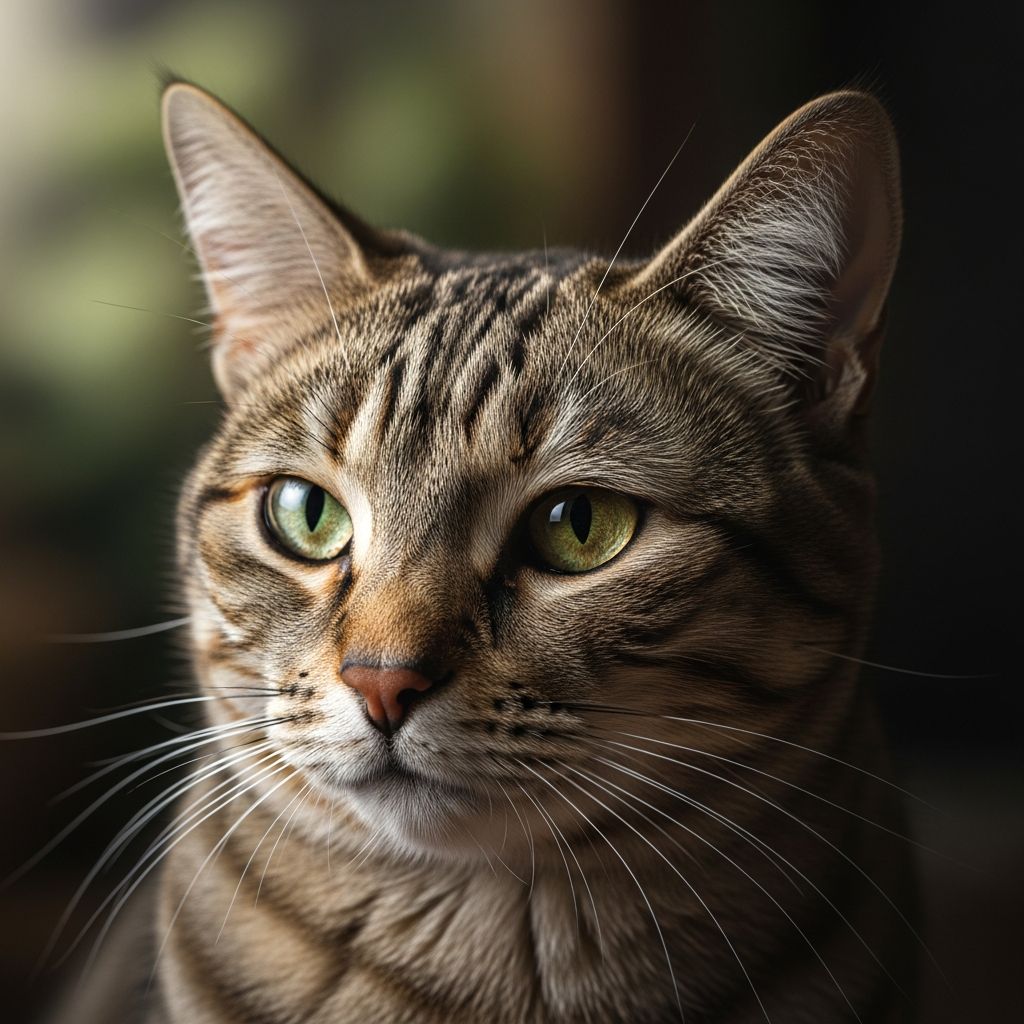
Congenital and inherited neurological disorders represent a significant category of health challenges in cats, often manifesting from birth or early development. These conditions stem from genetic factors, intrauterine infections, or developmental anomalies, impacting the brain, spinal cord, and nerves. While some allow for a normal lifespan with adaptations, others require vigilant management. Understanding these disorders empowers cat owners to recognize early signs and pursue appropriate veterinary interventions.
Understanding the Feline Nervous System
The nervous system in cats coordinates essential functions like movement, balance, sensation, and behavior. It comprises the central nervous system (brain and spinal cord) and peripheral nerves. Disruptions during fetal development or due to genetic mutations can lead to lifelong impairments. Cats generally exhibit fewer congenital defects compared to other species, but certain breeds show predispositions.
Key components include the cerebellum for coordination, cerebrum for cognition, and brainstem for vital reflexes. Anomalies here result in observable symptoms such as uncoordinated gait or tremors.
Primary Congenital Brain Malformations
Brain malformations arise when embryonic structures fail to form properly. These are often linked to maternal infections or genetic predispositions.
Cerebellar Hypoplasia: The Wobbly Kitten Syndrome
One of the most recognized congenital issues is cerebellar hypoplasia, where the cerebellum underdevelops, leading to poor coordination. Primarily caused by feline panleukopenia virus (parvovirus) infecting kittens in utero, it results in intention tremors and ataxia that intensify with movement but stabilize over time.
- Symptoms: Wide-based stance, high-stepping gait, head bobbling, and falling during jumps.
- Progression: Non-progressive; kittens adapt by age 6 months, using vision to compensate.
- Impact: No pain or shortened lifespan; affected cats make loving pets indoors.
Diagnosis involves MRI revealing a smaller cerebellum, with supportive care focusing on safe environments to prevent injury.
Hydrocephalus: Fluid Buildup in the Brain
Hydrocephalus, or water on the brain, occurs when cerebrospinal fluid accumulates, enlarging ventricles and compressing brain tissue. Congenital forms link to aqueductal stenosis or infections.
| Symptom | Description | Age of Onset |
|---|---|---|
| Domed head | Enlarged skull from pressure | Neonatal |
| Seizures | Convulsions due to irritation | Early kittenhood |
| Ataxia | Unsteady walking | Progressive |
| Behavioral changes | Lethargy or aggression | Variable |
Treatment options include medications like diuretics or, in severe cases, surgical shunts. Prognosis varies; mild cases manage well with therapy.
Lysosomal Storage Diseases and Metabolic Flaws
These rare genetic conditions involve enzyme deficiencies causing substance buildup in neurons, leading to dysfunction. Breeds like Siamese and Korats are prone to GM1 gangliosidosis and mucopolysaccharidosis.
- GM1 Gangliosidosis: Tremors, ataxia, and hypermetria from birth; fatal by 6-8 months.
- Mucopolysaccharidosis: Facial dysmorphia, skeletal issues, and progressive paresis.
Genetic testing aids breeding prevention. No cures exist; palliative care eases symptoms.
Spinal Cord and Peripheral Nerve Anomalies
Spinal dysraphism, like spina bifida, features incomplete neural tube closure, causing incontinence or paralysis. Dermoid sinuses may lead to infections.
Peripheral neuropathies, such as hypomyelination in Devon Rex cats, impair nerve conduction, resulting in tremors that improve with maturity.
Inherited Movement and Muscle Disorders
Neuraxonal Dystrophy
This autosomal recessive condition forms axonal spheroids, disrupting signaling. In cats, especially tricolored domestics, it presents with cerebellar signs like dysmetria by 3-24 months.
Symptoms mimic hypoplasia but progress slowly. MRI and histopathology confirm diagnosis.
Other Tremor Syndromes
Essential tremors or myoclonus involve involuntary jerks, potentially linked to Purkinje cell loss. Management includes anti-seizure drugs if severe.
Systemic Conditions Mimicking Neurological Disorders
Not all neuro signs are purely congenital; systemic diseases overlap.
Feline Infectious Peritonitis (FIP)
Though not strictly congenital, FIP in young cats causes neurological inflammation. About 30% show ataxia, seizures, or vestibular deficits. Breeds like Ragdolls face higher risk.
- Diagnosis: CSF analysis, hyperglobulinemia, PCR.
- Prognosis: Poor; emerging antivirals offer hope.
Toxoplasmosis
Congenital transmission via maternal infection leads to multifocal CNS signs: seizures, paresis, blindness. Nearly all clinical cases involve neurology.
Hepatic Encephalopathy
Congenital portosystemic shunts cause toxin buildup, yielding circling, head pressing, aggression. Surgical correction improves outcomes.
Recognizing Early Warning Signs
Owners should monitor for:
- Balance loss or circling
- Unprovoked vocalizing (pain)
- Litter box avoidance
- Seizures or disorientation
- Persistent tremors
Early vet visits enable imaging (MRI/CT) and bloodwork for differentiation.
Diagnostic Approaches
Veterinarians employ:
- Neurological exam localizing lesions.
- Advanced imaging: MRI for cerebellar volume, CT for skull.
- CSF tap for inflammation.
- Genetic panels for breeds.
Breed-specific screening prevents propagation.
Management and Care Strategies
Curative treatments are limited, but supportive measures enhance life quality:
- Environment: Ramps, soft mats, low litter boxes.
- Nutrition: Hepatic diets for encephalopathy.
- Medications: Phenobarbital for seizures, diuretics for hydrocephalus.
- Therapy: Physical exercises for strength.
Euthanasia considers welfare in progressive cases.
Prevention Through Breeding and Vaccination
Vaccinate queens against panleukopenia to avert hypoplasia. Genetic counseling for at-risk breeds like Korats reduces storage diseases. Responsible breeding prioritizes health testing.
FAQs
Can cats with cerebellar hypoplasia live normal lives?
Yes, they adapt well indoors, avoiding hazards. No pain involved.
Is hydrocephalus curable in kittens?
Manageable with meds; surgery in select cases. Early intervention key.
Are neurological disorders breed-specific?
Some, like storage diseases in Siamese; others universal.
How to differentiate congenital from acquired issues?
History, onset age, and imaging distinguish; congenital static, acquired progressive.
What’s the prognosis for FIP neurological form?
Guarded; supportive care primary.
References
- Neurological Disorders in Cats — PetMD. 2023. https://www.petmd.com/cat/conditions/neurological-disorders-cats
- Congenital and Inherited Disorders Affecting Multiple Body Systems of Cats — Merck Veterinary Manual. 2023. https://www.merckvetmanual.com/cat-owners/disorders-affecting-multiple-body-systems-of-cats/congenital-and-inherited-disorders-affecting-multiple-body-systems-of-cats
- The Cat with Neurological Manifestations of Systemic Disease — PMC (NCBI). 2020-04-01. https://pmc.ncbi.nlm.nih.gov/articles/PMC7128452/
- Congenital and Inherited Cerebellar Disorders in Animals — MSD Veterinary Manual. 2023. https://www.msdvetmanual.com/nervous-system/congenital-and-inherited-anomalies-of-the-nervous-system/congenital-and-inherited-cerebellar-disorders-in-animals
- Neurological Disorders | Cornell University College of Veterinary Medicine — Cornell Feline Health Center. 2023. https://www.vet.cornell.edu/departments-centers-and-institutes/cornell-feline-health-center/health-information/feline-health-topics/neurological-disorders
Similar Articles








Read full bio of medha deb




