
Inherited Muscle Disorders in Farm Animals
Exploring genetic muscle weaknesses in cattle, sheep, goats, and pigs that challenge livestock health and productivity.
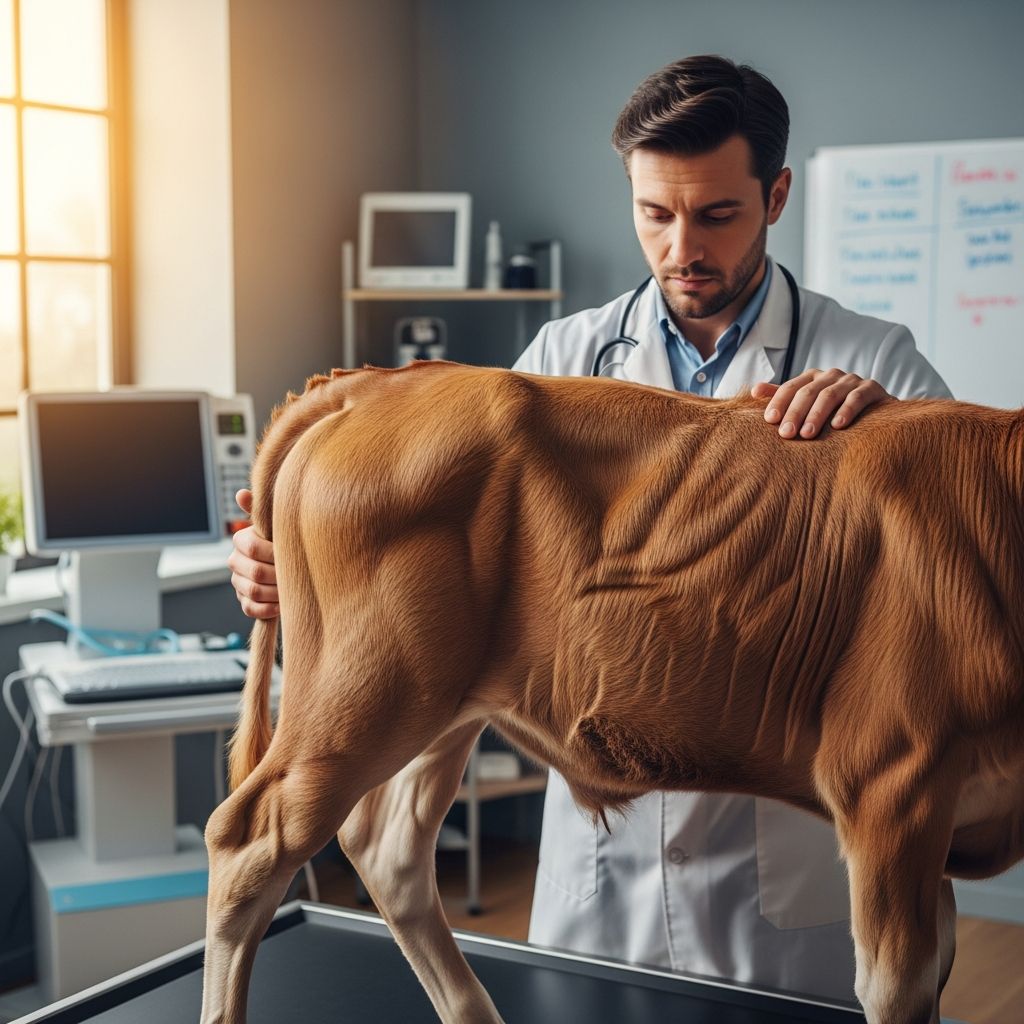
Hereditary muscle conditions represent a significant challenge in livestock production, particularly among ruminants such as cattle, sheep, and goats, as well as pigs. These disorders arise from genetic mutations that impair muscle function, leading to weakness, stiffness, and reduced productivity. Understanding these conditions is crucial for breeders and veterinarians to implement effective breeding and management practices.
Understanding the Basics of Genetic Myopathies
Genetic myopathies are congenital disorders stemming from defects in genes responsible for muscle structure and contraction. In farm animals, these manifest as abnormal muscle development or degeneration, often evident from birth or early life stages. Unlike nutritional deficiencies, which can be corrected through diet, genetic issues require selective breeding to mitigate.
Key characteristics include progressive muscle weakness, abnormal gait, and in severe cases, recumbency or sudden death. These conditions not only affect animal welfare but also influence meat quality, with affected carcasses showing pale, fibrous, or calcified tissues that reduce market value.
Common Genetic Myopathies in Ruminants
Ruminants like cattle, sheep, and goats are prone to several inherited muscle weaknesses. These disorders often link to specific breeds or regions with high inbreeding.
Muscle Weakness in Neonatal Calves and Lambs
In young calves and lambs, hereditary myopathies present with inability to stand shortly after birth. Affected animals exhibit trembling limbs, rapid fatigue, and firm, pale muscles upon palpation. Cardiac involvement can lead to arrhythmias or heart failure.
- Symptoms typically appear within days of birth.
- Respiratory distress occurs if diaphragm muscles are compromised.
- Survival rates improve with supportive care, but full recovery is rare without genetic intervention.
Stiffness and Delayed Muscle Relaxation in Goats
Certain goat breeds display myotonia, a condition causing sustained muscle contractions after stimulation. Known as ‘fainting goats,’ these animals stiffen and fall when startled, though they recover quickly.
This trait, while genetically dominant, has been selectively bred in some lines for novelty, highlighting ethical concerns in livestock management.
Diaphragmatic and Muscular Dystrophies in Sheep
Merino sheep suffer from muscular dystrophy, characterized by progressive wasting of skeletal and cardiac muscles. Lesions include white streaks and calcification, mirroring human dystrophies but with breed-specific mutations. Diaphragmatic myopathy in cattle similarly impairs breathing, leading to chronic respiratory issues.
Genetic Muscle Conditions Specific to Pigs
Pigs, especially fast-growing commercial breeds, face unique genetic myopathies linked to intensive selection for growth. These often intersect with nutritional factors but have a strong hereditary component.
Porcine Stress Syndrome and Muscle Defects
Porcine stress syndrome (PSS), tied to mutations in the ryanodine receptor gene (RYR1), causes sudden death under stress and pale, soft, exudative (PSE) meat. Up to 8% of carcasses may be rejected due to these defects.
| Condition | Genetic Cause | Impact on Meat |
|---|---|---|
| PSS | RYR1 mutation | PSE meat, low quality |
| White Striping | Polyphasic myodegeneration | White lines, fibrosis |
| Deep Pectoral Myopathy (analogous) | Ischemic necrosis | Greenish discoloration |
Impact on Growth and Reproduction
Affected pigs show reduced feed efficiency and higher mortality during transport or handling. Sows may pass defects to offspring, perpetuating the issue in herds.
Molecular Foundations of These Disorders
At the genetic level, mutations in genes like ACTA1 disrupt actin filaments essential for muscle contraction. In livestock, ACTA1 variants lead to nemaline rods, protein aggregates, and fiber disorganization, impairing locomotion and metabolism.
Epigenetic changes and promoter mutations further silence proper gene expression, exacerbating weakness. Research using animal models confirms these mechanisms reduce endurance and productivity.
Diagnosing Inherited Myopathies
Diagnosis combines clinical observation, blood tests, and histopathology. Elevated creatine kinase (CK) and aspartate aminotransferase (AST) indicate muscle damage. Muscle biopsies reveal vacuolar changes, necrosis, or mineralization.
- Gross necropsy shows pale streaks and edema.
- Genetic testing identifies specific mutations like RYR1 in pigs.
- Differential diagnosis rules out infections or toxins.
Imaging like ultrasound aids in live assessment, showing muscle atrophy or fibrosis.
Management and Prevention Strategies
Preventing genetic myopathies relies on breeding programs. Genomic selection avoids carrier animals, while crossbreeding introduces resilience.
Breeding and Selection
Veterinarians recommend DNA screening for high-risk breeds. For myotonia in goats, culling carriers maintains herd health.
Nutritional Support and Husbandry
While not curative, selenium and vitamin E supplementation mitigates secondary degeneration, especially in pigs. Stress reduction through proper handling prevents PSS episodes.
Therapeutic Interventions
Supportive therapies include rest, anti-inflammatories, and physical therapy. In mild cases, animals regain function within days.
Economic and Welfare Implications
These disorders cost the industry millions annually through carcass downgrades and lost productivity. PSE meat from PSS pigs has poor water-holding capacity, affecting processing. Welfare concerns arise from pain and mobility issues, prompting calls for stricter genetic regulations.
Meat quality suffers with fibrosis and discoloration, as seen in white striping where connective tissue proliferates.
Research Advances and Future Directions
Ongoing studies explore CRISPR editing for RYR1 and ACTA1 corrections. Epigenetic therapies may restore gene function without altering DNA. Collaborative efforts between vets and geneticists promise healthier livestock lines.
Frequently Asked Questions (FAQs)
What causes genetic myopathies in farm animals?
Mutations in muscle-related genes like ACTA1 and RYR1 disrupt protein function, leading to weakness and degeneration.
How can I prevent these conditions in my herd?
Use genetic testing, select diverse breeding stock, and supplement diets with selenium/vitamin E where needed.
Do these disorders affect meat safety?
No, they impact quality and texture but not food safety; affected meat is often rejected for aesthetics.
Can affected animals recover fully?
Mild cases may improve with care, but genetic defects persist, requiring management.
Which breeds are most at risk?
Fast-growing pigs, Merino sheep, and certain goat lines like fainting goats.
References
- Nutritional Myopathies in Ruminants and Pigs — Merck Veterinary Manual. 2023. https://www.merckvetmanual.com/musculoskeletal-system/myopathies-in-ruminants-and-pigs/nutritional-myopathies-in-ruminants-and-pigs
- Myopathy as a Destabilizing Factor of Meat Quality — Meat Journal. 2019. https://www.meatjournal.ru/jour/article/viewFile/121/189
- ACTA1 Gene Regulation in Livestock — PMC (PubMed Central). 2024. https://pmc.ncbi.nlm.nih.gov/articles/PMC12501589/
- Muscular Disorders Affecting Large Animals — MSD Veterinary Manual. 2023. https://www.msdvetmanual.com/multimedia/table/muscular-disorders-affecting-large-animals
Similar Articles








Read full bio of Sneha Tete


