
Inherited Dental Defects In Animals: Expert Guide For Owners
Exploring genetic and developmental tooth anomalies in pets and livestock, their diagnosis, and effective management strategies.
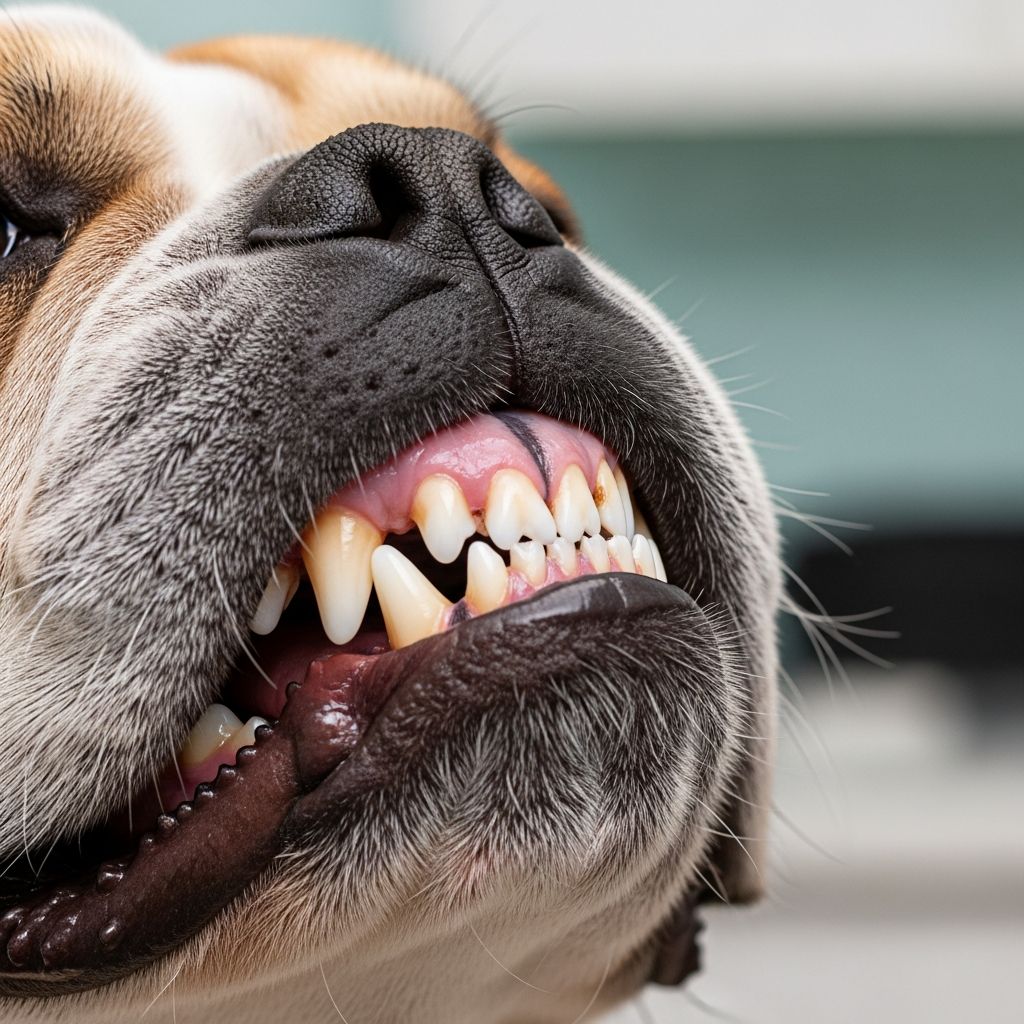
Animals can be born with a variety of dental irregularities that stem from genetic predispositions or disruptions during fetal development. These conditions range from missing or extra teeth to structural weaknesses in enamel and improper bite alignments. Understanding these anomalies is crucial for veterinarians and pet owners to ensure proper oral health and prevent secondary complications like infections or malnutrition.
Understanding Tooth Development in Animals
Teeth in mammals form through a complex process involving the dental lamina, a band of epithelial tissue that gives rise to tooth buds. In dogs and cats, deciduous teeth erupt first, followed by permanent ones. Disruptions at any stage—genetic, nutritional, infectious, or traumatic—can lead to lifelong dental challenges. For instance, puppies typically develop 28 deciduous teeth, while adults have 42, but variations are common in certain breeds.
Horses and cattle have unique dentition adapted for grazing, with hypsodont teeth that continuously erupt. Anomalies here can impair chewing efficiency, leading to weight loss. Recognizing normal timelines helps identify deviations early: canine teeth in dogs erupt around 3-4 weeks for deciduous and 4-5 months for permanents.
Absence of Teeth: When Nature Skips a Beat
Conditions like anodontia (total lack of teeth), hypodontia (few missing teeth), and oligodontia (many missing) disrupt feeding and grooming. These are rare but documented in dogs, particularly Kerry Blue Terriers where hypodontia follows a recessive inheritance pattern. In cats, the maxillary second premolar is often absent, with prevalence up to 28% in some populations.
Breeds at higher risk include small dogs like Miniature Poodles and dolichocephalic types. Missing premolars are most common, potentially causing gaps that trap food and foster bacteria. Diagnosis involves oral exams and radiographs to confirm absence without underlying pathology.
- Hypodontia impacts: Primarily premolars, leading to uneven bite forces.
- Diagnosis tools: Visual inspection, dental X-rays.
- Management: Often none needed if asymptomatic; prosthetics rare in vets.
Supernumerary Teeth: Nature’s Extras
Polyodontia or hyperdontia involves extra teeth, frequently in permanent dentition. Dogs show a 7.6% incidence, mostly maxillary incisors, premolars, and molars. These arise from excessive dental lamina proliferation. Small breeds and horses occasionally exhibit this, where extras can crowd the arcade, causing rotations or impactions.
In equines, supernumerary incisors may alter occlusion, complicating bit fitting. Extraction is standard if misalignment or pain occurs, performed under anesthesia to avoid nerve damage.
| Species | Common Sites | Prevalence |
|---|---|---|
| Dogs | Maxilla (incisors, premolars) | 7.6% |
| Horses | Incisors | Low |
| Cats | Variable | Rare |
Persistent Deciduous Teeth and Eruption Failures
Retained baby teeth occur when the periodontal ligament fails to resorb, common in toy breeds like Toy Poodles. Permanent canines erupt forward, creating double rows and malocclusion risks. Food traps between teeth promote periodontal disease; prompt extraction preserves permanent buds.
Unerupted teeth, especially canines, cause cysts or abscesses if undetected. Radiographs guide surgery, often via flap exposure in young patients.
Structural Flaws: Enamel and Dentin Defects
Enamel hypoplasia results in thin, pitted surfaces from ameloblast disruption during formation. Causes include fever, infections (distemper in dogs, BVD in calves), toxins (fluoride, tetracycline), or malnutrition. Hereditary forms like amelogenesis imperfecta affect Samoyeds, Italian Greyhounds, and Standard Poodles, yielding soft, discolored enamel prone to wear.
Hypomineralization leads to obliterated pulp chambers and weak roots. In Border Collies, it’s recessive, causing rapid abrasion. Treatment: sealants, fluoride applications, or extractions for severe cases.
Bite and Position Anomalies
Malocclusions arise from jaw discrepancies or tooth misdirection. Brachycephalic dogs suffer rotated premolars; large breeds show mandibular shifts. Diastema (gaps) in horses between incisors trap forage, requiring floating or widening.
Prognathism or brachygnathism alters jaw length. Orthodontics is limited; extractions or crowns manage symptoms.
Breed-Specific Vulnerabilities
Certain lines face heightened risks:
- Brachycephalics (Pugs, Bulldogs): Crowding, retained teeth, clefts.
- Toy breeds: Persistence, hypodontia.
- Horses (Saddlebreds): Epitheliogenesis imperfecta.
- Cattle: BVD-linked hypoplasia.
Breeding selections reduce incidence via genetic screening.
Diagnostic Approaches in Veterinary Practice
Early exams at weaning detect issues. Tools include:
- Visual/oral probing.
- Full-mouth radiographs.
- CBCT for complex cases.
- Biopsies for enamel defects.
Sedation ensures thorough views without stress.
Treatment Strategies and Prognosis
Interventions vary by severity:
- Extractions: For retained/supernumerary teeth.
- Floating/crowns: Equine diastema.
- Orthodontics: Rare, buttons/elastics in select dogs.
- Supportive: Diets, antibiotics for infections.
Prognosis excels for mild cases; severe hypoplasia may need lifelong care. Cleft-related issues (though palate-focused) overlap, demanding surgery.
Prevention Through Breeding and Care
Avoid breeding affected animals; genetic tests for recessives. Prenatal care: vaccinations, balanced nutrition, toxin avoidance. Routine dental checks from puppyhood catch issues early.
Frequently Asked Questions (FAQs)
What causes missing teeth in my puppy?
Genetics or developmental insults; common in small breeds. Consult a vet for radiographs.
Can extra teeth be left in place?
Only if no crowding/pain; usually extracted to prevent disease.
Is enamel hypoplasia painful?
Not initially, but wear exposes dentin, causing sensitivity.
How do I prevent these in my breeding dogs?
Screen pedigrees, vet-check pregnant dams.
Do horses get supernumerary teeth?
Yes, often incisors; regular floats manage.
Emerging Research and Future Directions
Genetic mapping identifies markers for hypodontia; stem cell therapies explore enamel regeneration. Veterinary dentistry advances with 3D imaging and minimally invasive techniques, improving outcomes for affected animals.
References
- Congenital and Inherited Anomalies of the Teeth in Animals — Merck Veterinary Manual. 2026. https://www.merckvetmanual.com/digestive-system/congenital-and-inherited-anomalies-involving-the-digestive-system/congenital-and-inherited-anomalies-of-the-teeth-in-animals
- Developmental Structural Tooth Defects in Dogs — PMC / NIH. 2016-01-28. https://pmc.ncbi.nlm.nih.gov/articles/PMC4744861/
- Developmental Pathology and Pedodontology — Veterian Key. N/A. https://veteriankey.com/developmental-pathology-and-pedodontology/
- Developmental Abnormalities of the Mouth and Dentition in Small Animals — MSD Veterinary Manual. 2026. https://www.msdvetmanual.com/digestive-system/dentistry-in-small-animals/developmental-abnormalities-of-the-mouth-and-dentition-in-small-animals
- Congenital Oral Deformities in Dogs — Vetster. N/A. https://vetster.com/en/conditions/dog/congenital-oral-deformities
Similar Articles








Read full bio of Sneha Tete


