

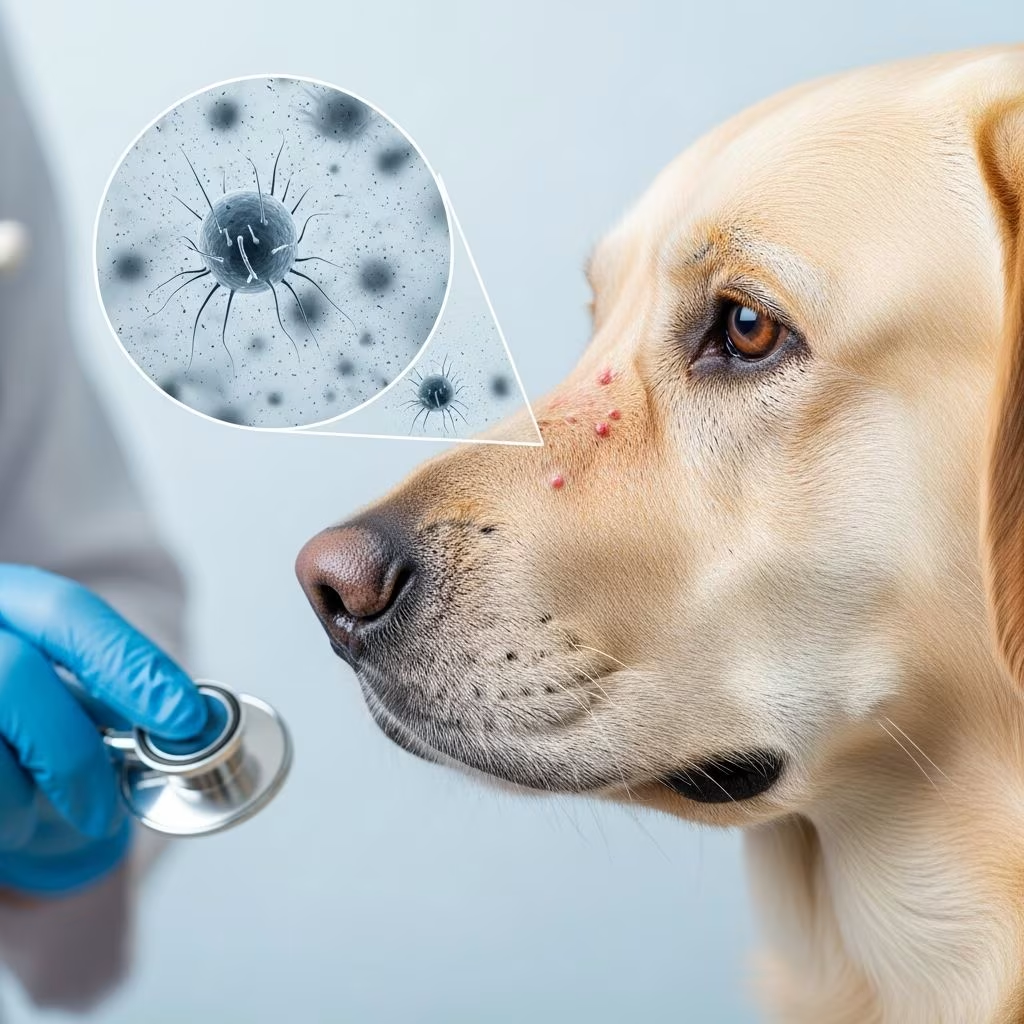
Understanding Inhalant Allergies and Atopy in Dogs
Inhalant allergies, commonly referred to as atopy or atopic dermatitis, represent one of the most prevalent allergic conditions affecting dogs today. Unlike food allergies that result from dietary reactions, inhalant allergies occur when a dog’s immune system overreacts to environmental substances inhaled through the respiratory system or absorbed through the skin. These allergens include pollen, dust mites, mold spores, and other airborne particles that trigger an inappropriate immune response in susceptible dogs.
Atopy is a genetic predisposition to develop allergic reactions to environmental allergens, and it affects approximately 15-20% of the canine population. Certain breeds show increased susceptibility to developing atopic dermatitis, including Labrador Retrievers, Golden Retrievers, Bulldogs, West Highland White Terriers, and Boxers. However, any dog breed can develop this condition if they inherit the genetic predisposition.
What Causes Inhalant Allergies in Dogs?
The development of inhalant allergies in dogs involves a complex interplay between genetic factors and environmental exposure. Dogs with atopy inherit a compromised skin barrier function and an overactive immune system that fails to properly regulate inflammatory responses to harmless environmental substances. When these predisposed dogs are exposed to specific allergens, their immune system produces excessive amounts of immunoglobulin E (IgE) antibodies against these harmless substances.
Common environmental allergens that trigger atopic reactions in dogs include:
- Pollen from trees, grasses, and weeds
- Dust and dust mites
- Mold and mold spores
- Feathers and animal dander
- Environmental pollutants and smoke
The severity and seasonality of symptoms often depend on local environmental conditions and the specific allergens to which a dog is sensitized. Some dogs experience year-round symptoms, while others show seasonal patterns coinciding with high pollen counts or increased mold growth.
Clinical Signs and Symptoms of Atopy
Dogs suffering from inhalant allergies typically present with characteristic clinical signs that primarily affect the skin and ears, though respiratory symptoms can occasionally occur. Understanding these symptoms helps pet owners identify potential allergic conditions early and seek veterinary intervention promptly.
Primary Dermatological Symptoms
The most common manifestation of atopy in dogs is intense pruritus, or itching, which leads to excessive scratching, licking, and chewing behaviors. Affected dogs frequently focus their attention on specific body areas that include:
- Paws and feet, with dogs often licking and chewing between the toes
- Facial regions, including around the eyes and muzzle
- Ears and the surrounding ear canal areas
- Axillae (armpits) and the inner chest area
- Groin and genital regions
- Inner thighs and hindquarters
Excessive licking, particularly on light-colored fur, often results in characteristic saliva staining that creates an orange or reddish-brown discoloration of the hair coat. This distinctive staining pattern, known as porphyrin staining, is commonly observed around the feet, face, and other areas where dogs concentrate their licking behavior.
Secondary Effects and Complications
The constant scratching and licking associated with atopy frequently damages the skin barrier, creating microscopic wounds that allow secondary bacterial and fungal infections to develop. These secondary infections substantially increase discomfort and may require additional antimicrobial therapy. Dogs may develop localized hot spots or pyoderma (bacterial skin infections) that worsen the overall clinical presentation.
Chronic ear infections represent another common complication of atopy, as the allergic inflammation and altered skin environment in the ear canal promote bacterial and yeast overgrowth. Some dogs experience recurrent ear infections as their primary or most bothersome symptom.
Respiratory and Systemic Signs
While inhalant allergies in dogs primarily manifest as skin disease, some affected dogs may display respiratory symptoms including coughing, sneezing, and wheezing, particularly during high allergen exposure periods. Additionally, dogs may exhibit lethargy, decreased appetite, or behavioral changes related to chronic discomfort and sleep disruption caused by intense itching.
Seasonal Patterns and Year-Round Symptoms
The temporal pattern of atopic symptoms varies significantly among individual dogs. Many dogs experience seasonal flare-ups corresponding to high pollen counts during spring and fall months. However, others suffer from persistent year-round symptoms, either because they react to multiple allergens present throughout the year or because indoor allergens like dust mites and mold maintain consistent environmental levels.
Some dogs show a biphasic pattern with two distinct flare-up periods during spring and fall pollen seasons. Understanding an individual dog’s symptom pattern helps guide diagnostic and therapeutic approaches.
Diagnosis of Inhalant Allergies
Clinical Diagnosis
Veterinarians typically base initial atopy diagnosis on clinical history, physical examination findings, and characteristic symptom patterns. A detailed history from the pet owner regarding symptom onset, seasonality, affected body areas, and responses to previous treatments provides crucial diagnostic information. The physical examination often reveals excoriation marks, erythema (redness), lichenification (thickened skin), and secondary skin infections.
Allergy Testing Methods
Two primary methods exist for identifying specific allergens responsible for atopic reactions: intradermal skin testing and serum allergy testing.
Intradermal skin testing involves injecting small amounts of concentrated allergen extracts into the skin and observing for localized reactions. This test requires clipping the hair coat and often necessitates stopping certain medications beforehand. Dogs typically tolerate the procedure well, and results become apparent within 15-20 minutes.
Serum allergy testing measures the presence and quantity of IgE antibodies against specific allergens in the dog’s blood. This method offers advantages in dogs with severe skin disease that contraindicates skin testing or those unable to discontinue certain medications. Serum testing can be performed regardless of the dog’s current skin condition.
Eliminating other allergic conditions, particularly food allergies and parasitic allergies, is essential before definitively diagnosing atopy, as these conditions can present with similar clinical signs.
Treatment Options for Canine Atopy
Because atopy is a genetic condition with no cure, treatment focuses on managing symptoms and improving the dog’s quality of life. A multimodal approach combining several therapeutic strategies typically yields the best results.
Environmental Management
Reducing allergen exposure represents the first line of defense in atopy management. Environmental control measures include:
- Regular, thorough household cleaning to reduce dust and allergen accumulation
- Frequent washing of bedding, blankets, and toys in hot water
- Using high-efficiency particulate air (HEPA) filters in home ventilation systems
- Minimizing indoor potted plants that harbor mold spores
- Maintaining appropriate humidity levels to discourage dust mite and mold proliferation
- Keeping dogs indoors during high pollen count days when feasible
- Regular bathing to remove allergens from the coat and skin surface
Medications for Symptomatic Relief
Antihistamines represent a first-line pharmacological option for managing itching in dogs with mild to moderate atopy. These medications work by blocking histamine receptors and are most effective when administered before histamine release occurs. However, antihistamines show variable effectiveness across individual dogs, with approximately 20-30% of dogs responding well to these agents.
Corticosteroids remain highly effective anti-inflammatory and antipruritic agents used to manage atopic symptoms. However, long-term systemic corticosteroid use can result in significant side effects including increased thirst and urination, increased appetite, behavioral changes, and potential liver damage. Therefore, corticosteroids should be reserved for short-term use during acute flare-ups or as the lowest effective dose for the shortest possible duration.
Newer injectable medications like Cytopoint provide targeted immune modulation by specifically blocking interleukin-31, a key cytokine involved in allergic itch. These biologics offer rapid relief without systemic corticosteroid side effects.
Oral medications such as Zenrelia represent newer pharmacological options that can quickly relieve itching with a single daily dose. An oral form of cyclosporine has also been approved for use in atopy and may benefit certain cases of allergic dermatitis.
Skin Care and Hygiene
Regular bathing with therapeutic shampoos containing antimicrobial, antifungal, and soothing ingredients helps remove allergens from the skin surface, reduce inflammation, and prevent secondary infections. Medicated baths with prescribed shampoos should occur at intervals recommended by the veterinarian, typically weekly to biweekly during flare-ups. Moisturizing conditioners applied after bathing help restore skin barrier function.
Nutritional Supplementation
Omega-3 fatty acids have demonstrated efficacy in providing relief for many dogs with allergic skin disease by supporting skin barrier function and reducing inflammatory responses. Supplementation with high-quality omega-3 products may provide meaningful symptom reduction, particularly when combined with other therapeutic modalities.
Flea and Parasite Control
Maintaining strict external parasite control is crucial in managing atopy, as flea allergy dermatitis can complicate the clinical picture and exacerbate symptoms. Regular application of veterinarian-recommended flea and tick prevention products helps prevent this additional source of irritation.
Allergen Immunotherapy
Allergen immunotherapy, commonly referred to as allergy shots or hyposensitization, represents one of the most effective long-term treatment options for atopy. This approach involves administering gradually increasing doses of specific allergen extracts tailored to the individual dog’s allergy profile as determined by allergy testing. The goal of immunotherapy is to reprogram the immune system, reducing hypersensitivity to the offending allergens over time.
The immunotherapy process typically begins with a build-up phase lasting 3-6 months, during which injections are administered with increasing frequency and concentration. Following the build-up phase, dogs enter a maintenance phase where injections are administered at extended intervals, typically monthly or bimonthly. Many owners eventually learn to administer maintenance injections at home with proper veterinary training, improving treatment convenience.
Approximately 60-70% of dogs receiving immunotherapy experience significant improvement in symptoms, with some achieving substantial long-term symptom reduction. However, the condition should be evaluated by comparing symptom severity during similar seasons, as improvement may take 6-12 months to become apparent. Even dogs showing excellent responses to immunotherapy may still require occasional anti-itch medications during seasonal flare-ups.
Alternative and Complementary Therapies
Veterinary acupuncture has emerged as an effective complementary therapy for managing allergic dermatitis in some dogs. This traditional Chinese medicine approach involves placing fine needles into specific meridian points to promote blood circulation and support the nervous system. The enhanced circulation resulting from acupuncture treatment can help reduce hot spots, granulomas, and allergic inflammation while promoting healing and pain reduction.
Managing Secondary Infections
Dogs with atopy frequently develop secondary bacterial or fungal skin infections due to constant scratching and compromised skin barrier function. These infections require appropriate antimicrobial therapy using oral antibiotics, antifungal medications, or medicated shampoos containing antimicrobial and antifungal agents. Addressing secondary infections is essential for symptom control and overall skin health restoration.
Long-Term Management and Prognosis
Atopy is a lifelong condition requiring ongoing management, but with appropriate therapeutic interventions, the severity of symptoms can be substantially reduced and quality of life significantly improved. The optimal approach combines environmental allergen reduction, symptomatic medication as needed, immunotherapy for long-term benefit, and consistent skincare practices. Regular communication with veterinary professionals helps adjust treatment protocols based on seasonal changes and individual dog responses.
Frequently Asked Questions About Inhalant Allergies in Dogs
Q: At what age do dogs typically develop atopy?
A: Atopy most commonly manifests between 1-7 years of age, with many dogs showing initial symptoms between 1-3 years old. However, some dogs may not display obvious clinical signs until later in life.
Q: Can inhalant allergies be completely cured?
A: No, atopy cannot be cured since it is a genetic condition. However, symptoms can be effectively managed through medication, environmental control, and immunotherapy to significantly improve quality of life.
Q: How long does it take for immunotherapy to work?
A: Improvement from immunotherapy typically takes 6-12 months to become noticeable. Some dogs may show earlier response, while others require the full duration to achieve meaningful symptom reduction.
Q: Are certain dog breeds more prone to atopy?
A: Yes, breeds including Labrador Retrievers, Golden Retrievers, Bulldogs, West Highland White Terriers, and Boxers show increased genetic predisposition to atopy, though any breed can develop the condition.
Q: Should my dog receive long-term corticosteroid therapy?
A: Long-term systemic corticosteroid use is not recommended due to potential side effects. Corticosteroids should be used for short-term symptom relief during acute flare-ups or at the lowest effective dose for the shortest duration necessary.
Q: What environmental changes can help reduce my dog’s symptoms?
A: Helpful environmental modifications include regular home cleaning, frequent bedding washing, using HEPA air filters, minimizing house plants, maintaining proper humidity levels, and limiting outdoor exposure during high pollen count periods.
References
- Canine Inhalant Allergies — Pet Alliance of Greater Orlando. Accessed November 2025. https://petallianceorlando.org/canine-inhalant-allergies/
- Atopic Dermatitis (Inhalant Allergies) in Dogs — Vetster. Accessed November 2025. https://vetster.com/en/conditions/dog/atopic-dermatitis-inhalant-allergies-in-dogs
- Allergic Dermatitis in Dogs – Symptoms & Treatments — Pet Doctors of America. April 15, 2023. https://www.petdoctorsofamerica.com/site/blog/2023/04/15/dog-allergic-dermatitis
- How to Help a Dog With Allergic Dermatitis — Voorhees Veterinary Clinic. January 15, 2024. https://www.voorheesvet.com/site/blog/2024/01/15/how-help-dog-allergicdermatitis
- Allergies in Dogs: Symptoms, Causes, and Treatment — PetMD. Accessed November 2025. https://www.petmd.com/dog/general-health/food-allergies-vs-seasonal-allergies-dogs
- How to Treat Mold Allergies in Dogs — San Diego Bay Animal Hospital. June 15, 2024. https://www.sandiegobayanimalhospital.com/site/blog/2024/06/15/how-treat-mold-allergies-dogs
- Allergies in Dogs – Dog Owners — Merck Veterinary Manual. Accessed November 2025. https://www.merckvetmanual.com/dog-owners/skin-disorders-of-dogs/allergies-in-dogs



