

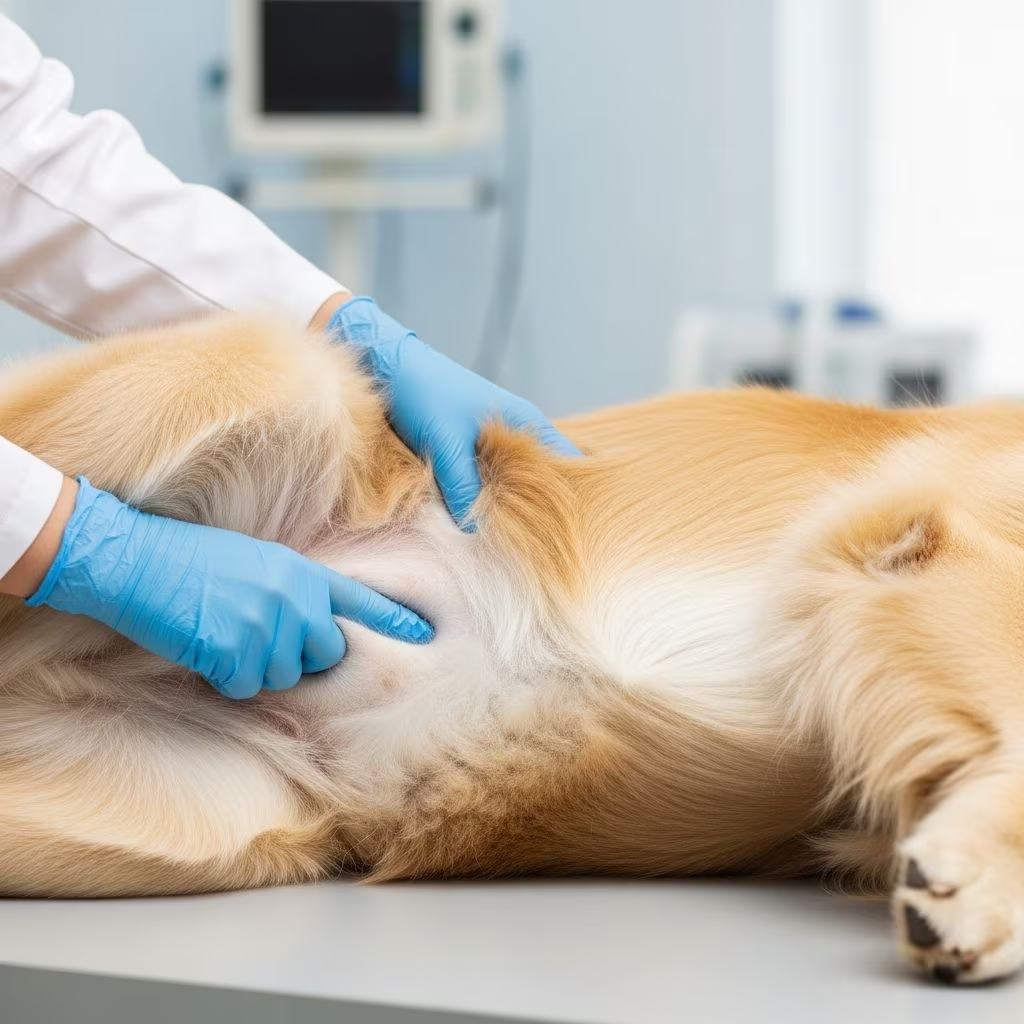
Inguinal hernias occur when abdominal contents protrude through the inguinal canal in the groin area of dogs, potentially leading to serious health issues if untreated. This condition affects dogs of various ages and breeds, requiring prompt veterinary attention for optimal outcomes.
Understanding the Anatomy of Inguinal Hernias
The inguinal canal is a natural passage in the abdominal wall near the groin, allowing structures like blood vessels and, in females, the uterus to pass through. In dogs, this canal can weaken, permitting fat, intestines, or other organs to bulge outward. This vulnerability stems from the canal’s structure, which is more pronounced in certain breeds and can be exacerbated by physical strain or genetic factors.
Congenital inguinal hernias are present from birth due to incomplete closure of the canal during fetal development. Acquired forms develop later from external pressures like injury or obesity. Recognizing these anatomical basics helps owners identify risks early.
Types of Inguinal Hernias in Canines
Inguinal hernias in dogs are classified into two primary types based on severity:
- Simple or Uncomplicated Hernias: These involve a soft, reducible swelling without tissue strangulation. The bulge can often be gently pushed back, causing minimal discomfort.
- Complicated or Strangulated Hernias: More dangerous, these trap organs or blood vessels, cutting off blood supply and risking tissue death. They present as hard, painful masses requiring emergency intervention.
Understanding these distinctions is crucial, as simple cases may be monitored, while complicated ones demand immediate surgery.
Common Symptoms to Watch For
Early detection hinges on observing subtle changes in your dog’s behavior and body. For simple hernias, look for:
- A soft, non-painful swelling in the groin, possibly on one or both sides.
- Mild discomfort or visible bulging during coughing, straining, or activity.
Complicated hernias escalate quickly with signs like:
- Painful, warm, firm swelling in the groin.
- Abdominal discomfort, vomiting, or loss of appetite.
- Straining to urinate or defecate, frequent urination attempts.
- Lethargy, distress, or reluctance to move.
These symptoms can mimic other conditions, so professional diagnosis is essential.
Root Causes and Risk Factors
Several factors contribute to inguinal hernias in dogs:
- Congenital Predisposition: Puppies of breeds like Bassett Hounds, Cairn Terriers, Chihuahuas, Pugs, and Pekingese are more susceptible due to genetic weaknesses in the abdominal wall.
- Trauma: Blunt force from accidents, bites, or falls can tear the canal.
- Pregnancy and Obesity: Increased abdominal pressure in pregnant females or overweight dogs strains the area.
- Chronic Coughing or Straining: Persistent respiratory issues or constipation heighten risks.
Males may experience scrotal swelling from venous obstruction, while females risk uterine involvement.
Diagnosis Process in Veterinary Practice
Veterinarians diagnose inguinal hernias through a combination of physical exams and imaging:
- Physical Examination: Palpation reveals the bulge’s size, reducibility, and pain level.
- Imaging: Ultrasound or radiographs confirm contents like intestines or bladder and detect complications.
- Blood Tests: Assess for infection, dehydration, or organ stress in severe cases.
Early diagnosis prevents progression to life-threatening strangulation.
Surgical Treatment Options
Surgery is the definitive treatment for inguinal hernias. Procedures vary by case complexity:
| Type | Procedure Details | Additional Steps |
|---|---|---|
| Simple Hernia | Reduction of contents, suturing the canal closed. | Often combined with spay/neuter to prevent recurrence. |
| Complicated Hernia | Emergency reduction, possible resection of damaged tissue, mesh reinforcement for large defects. | Intensive monitoring for shock or infection. |
Post-surgery, dogs receive pain relief (e.g., gabapentin, tramadol) and anti-inflammatories (e.g., carprofen). Antibiotics are rare unless infection is present. Recovery is swift with proper care.
Post-Operative Care and Recovery Timeline
Successful recovery depends on diligent home care:
- Activity Restriction: Crate rest, short leash walks for 10-14 days to avoid strain.
- Wound Monitoring: Check daily for redness, discharge, swelling, or odor. Use an E-collar to prevent licking.
- Medication Adherence: Administer all prescribed drugs; avoid human painkillers like ibuprofen.
- Follow-Up Visits: Sutures removed in 10-14 days; full activity resumes in 4-6 weeks.
Complications like hematoma or infection are uncommon with hemostasis and hygiene.
Timeline:
- Days 1-3: Pain management, minimal movement.
- Weeks 1-2: Incision healing, suture check.
- Weeks 3-6: Gradual return to normalcy.
Breeds Prone to Inguinal Hernias
Certain breeds face higher risks due to genetics:
- Small breeds: Chihuahua, Pug, Pomeranian, Yorkshire Terrier.
- Others: Bassett Hound, Cairn Terrier, Pekingese, Shih Tzu, Boston Terrier.
Owners of these breeds should monitor puppies closely and consider prophylactic surgery during routine spay/neuter.
Prevention Strategies for Dog Owners
Minimize risks through proactive measures:
- Maintain healthy weight via balanced diet and exercise.
- Avoid obesity, especially in at-risk breeds.
- Manage chronic conditions like coughing promptly.
- Schedule regular vet check-ups for early detection.
- Consider spaying females before breeding to reduce pressure-related hernias.
These steps can significantly lower incidence rates.
When to Seek Emergency Veterinary Care
Act immediately if you notice:
- Sudden painful swelling.
- Vomiting, retching, or collapse.
- Inability to urinate/defecate.
- Fever or severe lethargy.
Strangulated hernias can lead to tissue necrosis within 24-48 hours, making speed critical.
Frequently Asked Questions (FAQs)
Can inguinal hernias heal without surgery?
Small, uncomplicated hernias may not require intervention but should be monitored. Surgery is standard for most cases to prevent complications.
Is inguinal hernia surgery safe for puppies?
Yes, congenital hernias are often repaired during routine procedures like spay/neuter, with excellent success rates.
What is the cost of inguinal hernia repair?
Costs vary by location and complexity, typically ranging from $500-$2500, including diagnostics and follow-up.
Can my dog live a normal life after surgery?
Absolutely; with proper recovery, recurrence is rare, and dogs return to full activity.
How do I differentiate an inguinal hernia from a tumor?
Vets use palpation and imaging; hernias are often reducible, unlike solid masses.
Long-Term Prognosis and Monitoring
Prognosis is excellent post-surgery, with low recurrence if activity is restricted initially. Annual exams help catch any issues early. Owners report dogs thriving without limitations after healing.
References
- Inguinal Hernia in Dogs – PetMD — PetMD. 2023. https://www.petmd.com/dog/conditions/muscokeletal/c_dg_dog_hernia_inguinal
- Understanding Inguinal Hernias in Dogs — Impact Dog Crates. 2023. https://www.impactdogcrates.com/blogs/puppy-news/understanding-inguinal-hernias-in-dogs
- Can Dogs Get Hernias? Causes, Symptoms and Treatment Options — CareCredit. 2024. https://www.carecredit.com/well-u/pet-care/can-dogs-get-hernia/
- A Swollen Bulge Near Your Pet’s Groin — PetCareRx. 2023. https://www.petcarerx.com/article/a-swollen-bulge-near-your-pets-groin/2834
- Inguinal Hernias — Superior Veterinary Surgery. 2024. https://www.superiorveterinarysurgery.com/conditions-treated/hernias/abdominal-hernias/inguinal-hernias.html
- Inguinal Hernias — VCA Animal Hospitals. 2023. https://vcahospitals.com/know-your-pet/inguinal-hernias
- Hernia Repair Surgery for Dogs and Cats — TLC Animal Hospital. 2023. https://www.tlcvetelpaso.com/blog/1356990-hernia-repair-surgery-for-dogs-and-cats



