

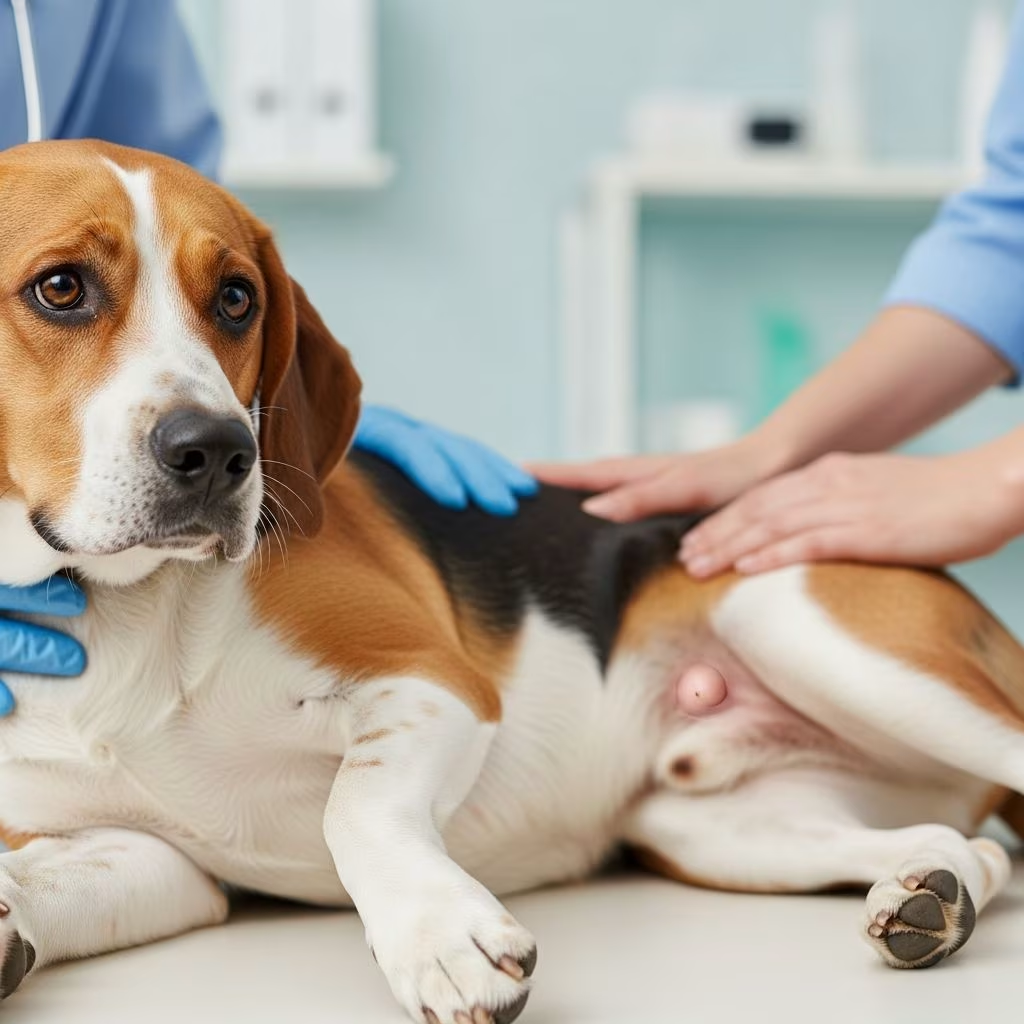
Understanding Inguinal Hernias in Dogs
An inguinal hernia is a medical condition that occurs when abdominal contents, such as fat, intestines, bladder, or reproductive organs, protrude through a weakened area in the muscle wall of the groin region. This weakening creates an opening in the inguinal ring, which is a natural passage in the abdominal wall located in the groin area. When this opening becomes enlarged or damaged, internal organs can push through and create a noticeable bulge beneath the skin.
Inguinal hernias may occur secondary to trauma in dogs of any age or sex, though certain risk factors increase the likelihood of developing this condition. The condition causes disruption and weakening of the caudal abdominal muscles, compromising the structural integrity of the abdominal wall. Understanding the nature of inguinal hernias is crucial for dog owners, as early detection and appropriate treatment can prevent serious complications.
Causes and Risk Factors
Inguinal hernias in dogs can develop for various reasons, and identifying the underlying cause helps veterinarians determine the best course of treatment. Trauma is one of the most common causes, where injury to the groin area damages the muscle wall and creates an opening through which abdominal contents can protrude. However, not all inguinal hernias result from traumatic injury.
Several risk factors increase a dog’s susceptibility to developing an inguinal hernia. Obesity plays a significant role, as excess weight puts additional strain on the abdominal muscles and increases intra-abdominal pressure. Pregnancy in female dogs can also contribute to hernia formation, as the expanding uterus places stress on the abdominal wall. Genetic predisposition is another important factor, with certain breeds showing a higher incidence of inguinal hernias. Older female dogs, particularly those that remain intact (not spayed), face a higher risk of developing this condition compared to their spayed counterparts or male dogs.
Signs and Symptoms
The symptoms of an inguinal hernia vary depending on whether the hernia is uncomplicated or complicated. In uncomplicated cases, the primary sign is a soft, painless bulge or swelling in the groin area that may appear on one or both sides of the body. This swelling may be reducible, meaning it can be gently pushed back through the opening by a veterinarian.
Uncomplicated Inguinal Hernia Symptoms:
- Soft, non-painful swelling in the groin region
- Bulge that may be unilateral (one-sided) or bilateral (both sides)
- Typically no other clinical signs in early stages
- Swelling may fluctuate in appearance
Complicated Inguinal Hernia Symptoms:
- Painful, warm swelling in the groin area
- Vomiting or retching
- Loss of appetite or refusal to eat
- Abdominal pain and depression
- Difficulty urinating or defecating
- Bloody urine
- Straining to pass stool
- Fever and lethargy
- Localized bruising around the hernia site
Complicated hernias occur when abdominal organs become trapped in the hernia sac, cutting off their blood supply. This is a serious condition that requires immediate veterinary attention, as the trapped tissue can become damaged and die, leading to life-threatening complications.
When to Contact Your Veterinarian
It is important for dog owners to recognize warning signs that require veterinary attention. If your dog has a noticeable bulge in the groin area, you should schedule an appointment with your veterinarian as soon as possible. However, immediate emergency care is necessary if your dog experiences any of the following symptoms:
- Severe pain or distress
- Vomiting or inability to eat
- Inability to pass urine or stool
- Fever or signs of shock
- Rapid deterioration in condition
Early intervention can prevent minor hernias from becoming complicated and potentially life-threatening conditions.
Diagnosis of Inguinal Hernias
Veterinarians employ several diagnostic methods to confirm the presence of an inguinal hernia and determine its severity. The diagnosis process typically begins with a comprehensive physical examination of the groin area, where your veterinarian will assess the size, consistency, and reducibility of any swelling. During this examination, your veterinarian may feel an enlarged inguinal ring in your dog’s groin area.
Diagnostic Methods Include:
- Physical examination of the groin region
- Detailed patient history and background information
- Contrast radiographs (X-rays) to visualize internal structures
- Abdominal ultrasound to identify hernial contents
- Blood work to assess overall health and detect complications
- CT scans for complex or complicated cases
In uncomplicated cases, the swollen area is generally not painful and is soft and reducible. However, if your veterinarian suspects that organs may be trapped within the hernia or if the diagnosis is unclear, imaging studies such as X-rays or ultrasound will be performed to determine which abdominal contents, if any, are entrapped.
Treatment Options for Inguinal Hernias
The primary and most effective treatment for inguinal hernias is surgical repair. While the approach to treatment may vary based on the severity and type of hernia, surgery is essential to prevent complications and ensure your dog’s long-term health.
Surgical Treatment
The surgical procedure for repairing an inguinal hernia involves several key steps. Your veterinarian will first return any displaced abdominal contents back through the muscle wall into the abdomen. The edges of the opening are then surgically debrided to remove any damaged tissue. The weakened muscles are stitched back together using permanent sutures to close the opening and prevent future rupture.
In cases where the defect is exceptionally large or if the muscles are severely compromised, your veterinarian may attach a piece of surgical mesh to the muscle wall to provide additional strength and support. This reinforcement significantly reduces the risk of hernia recurrence. During the same surgical procedure, your veterinarian may also recommend spaying or neutering your dog to help prevent recurrence, particularly in intact females.
The severity of the hernia determines the urgency of surgical repair. In uncomplicated cases, your veterinarian may schedule the surgery for the next available date. However, if the hernia is complicated with trapped or strangulated organs, emergency surgery is necessary. If complicated hernias are not treated promptly, the tissues trapped inside can die and release toxins into the bloodstream, potentially causing fatal systemic complications.
Conservative Management
In some cases, particularly with small or uncomplicated hernias, your veterinarian may recommend monitoring the hernia rather than immediate surgical repair. This approach involves regular follow-up examinations to watch for any changes in swelling, size, or appearance of the hernia, or the development of acute symptoms. However, this conservative approach is not suitable for all hernias, and your veterinarian will determine whether surgery is necessary based on your individual dog’s situation.
Post-Surgical Care and Recovery
Following surgical repair of an inguinal hernia, proper post-operative care is essential for successful healing and preventing complications. Your veterinarian will provide specific instructions tailored to your dog’s needs, but general care guidelines include the following considerations.
Pain Management and Medications: Your veterinarian will send home pain medications such as gabapentin or tramadol to manage discomfort during the recovery period. Anti-inflammatory medications like carprofen, deracoxib, or meloxicam are also commonly prescribed. It is crucial to administer all medications exactly as directed by your veterinarian. Do not give your dog any human or over-the-counter pain medications, as these can be harmful to your pet.
Activity Restriction: During the recovery period, your dog should have restricted activity to allow the incision to heal properly. Limit exercise, running, and jumping until your veterinarian approves normal activity resumption. Most dogs require several weeks of restricted activity during the healing phase.
Wound Care: Keep the surgical incision clean and dry. Avoid bathing your dog until the incision has fully healed unless your veterinarian provides specific instructions otherwise. Check the incision site regularly for signs of infection, including excessive swelling, redness, discharge, or odor.
Recovery Cone: Wearing a recovery cone (Elizabethan collar) protects the incision from licking and contamination. Although it may be uncomfortable for your dog, the recovery cone is essential for preventing complications and allowing proper healing without interruption.
Follow-Up Veterinary Checks: Schedule follow-up appointments with your veterinarian as recommended to assess healing progress and remove sutures if necessary. Most dogs rebound quickly after hernia repair surgery, though the recovery timeline depends on the complexity of the procedure performed.
Prognosis and Complications
The prognosis for inguinal hernia repair is generally excellent, particularly for uncomplicated cases. Dogs with uncomplicated hernias that undergo surgical repair typically experience full recovery without long-term complications. However, the prognosis for complicated hernias depends on the extent of organ damage that occurred before surgery and whether any tissue resection was necessary.
Potential complications that may arise include strangulation of intestinal tissue, incarceration of the bladder, or gravid uterine herniation (herniation of a pregnant uterus). In some cases, portions of the intestine may have become nonviable and require surgical removal through intestinal resection and anastomosis. These complications increase the complexity of the surgical procedure and may affect recovery time and overall prognosis.
Congenital hernias, which are present from birth, may resolve on their own by the time a puppy reaches 12 weeks of age. However, if the hernia does not resolve spontaneously, surgical repair is the best treatment option.
Prevention Strategies
While not all inguinal hernias can be prevented, certain measures may reduce the risk of developing this condition. Maintaining your dog at a healthy weight through appropriate diet and regular exercise reduces intra-abdominal pressure and stress on the abdominal muscles. Avoiding activities that could result in trauma to the groin area helps prevent traumatic hernias. For female dogs, spaying may reduce the risk of hernia development, particularly in intact females and those with a family history of hernias.
Frequently Asked Questions (FAQs)
Q: What exactly is an inguinal hernia in dogs?
A: An inguinal hernia occurs when abdominal contents such as fat, intestines, bladder, or reproductive organs protrude through a weakened opening in the muscle wall of the groin area. This creates a noticeable bulge beneath the skin.
Q: Are inguinal hernias painful for dogs?
A: Uncomplicated inguinal hernias are typically not painful and appear as soft, painless swellings. However, complicated hernias with trapped organs can be extremely painful and require immediate surgical intervention.
Q: Can inguinal hernias heal on their own without surgery?
A: While congenital hernias may resolve by 12 weeks of age, most inguinal hernias require surgical repair to prevent complications. Surgery is the most effective and recommended treatment for this condition.
Q: What is the recovery time after hernia surgery?
A: Recovery typically takes several weeks, during which your dog should have restricted activity. Most dogs rebound quickly after surgery, though complete healing requires patience and proper post-operative care.
Q: Can inguinal hernias recur after surgery?
A: While recurrence is possible, proper surgical technique and reinforcement with mesh significantly reduce the risk. Maintaining a healthy weight and avoiding trauma also help prevent recurrence.
Q: Which dogs are most at risk for developing inguinal hernias?
A: Older female dogs, particularly those that remain intact, face higher risk. Dogs with genetic predisposition, those who are obese, or those who have experienced trauma to the groin area are also at increased risk.
Q: What should I do if I notice a bulge in my dog’s groin?
A: Contact your veterinarian for an appointment. If your dog shows signs of pain, vomiting, inability to eat or urinate, seek emergency veterinary care immediately.
Q: Is antibiotics necessary after hernia surgery?
A: Most dogs undergoing inguinal hernia repair rarely require antibiotics. Your veterinarian will determine if antibiotics are necessary based on the specific circumstances of your dog’s surgery.
References
- Animal Trust – Inguinal Hernia in Dogs — Animal Trust. Accessed 2025. https://www.animaltrust.org.uk/pet-health-advice-hub/inguinal-hernia-in-dogs
- PetMD – Inguinal Hernia in Dogs — PetMD. Accessed 2025. https://www.petmd.com/dog/conditions/muscokeletal/c_dg_dog_hernia_inguinal
- VetLexicon – Inguinal Hernia in Dogs — VetLexicon. Accessed 2025. https://www.vetlexicon.com/canis/surgery-soft-tissue/articles/inguinal-hernia/
- A Retrospective Study of Inguinal Hernia in 35 Dogs — Waters DJ. PubMed. 1993. https://pubmed.ncbi.nlm.nih.gov/8488674/
- VCA Animal Hospitals – Inguinal Hernias — VCA Animal Hospitals. Accessed 2025. https://vcahospitals.com/know-your-pet/inguinal-hernias



