

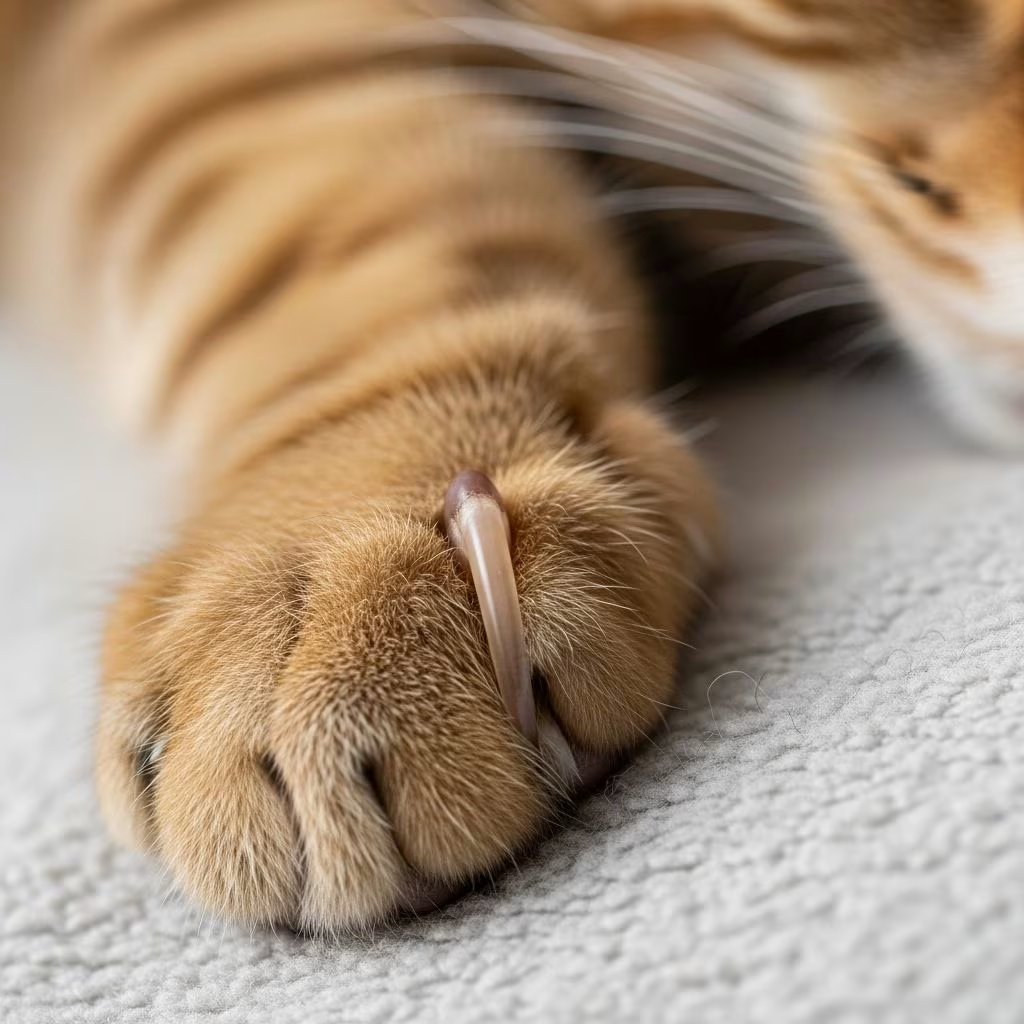
Ingrown nails, medically termed onychocryptosis, develop when a cat’s claw curves excessively and pierces the surrounding paw tissue, leading to significant discomfort and potential complications. This condition arises primarily from unchecked nail growth, distinguishing it from human ingrown nails due to the sharp, hooked nature of feline claws.
Understanding the Anatomy of Cat Claws
Cat claws are retractable structures composed of keratin, designed for climbing, hunting, and marking territory. Unlike blunt dog nails, cat claws maintain a curved, pointed shape that naturally wears down through scratching. When this wear does not occur, the claw elongates, and its tip can loop back into the sensitive paw pad, embedding itself and causing trauma.
The paw pad itself acts as a cushion, rich in blood vessels and nerves, making any penetration particularly painful. Dewclaws, located higher on the leg, are especially prone because they receive less natural abrasion.
Primary Causes Behind Ingrown Cat Nails
Overgrowth remains the leading trigger, often seen in indoor cats lacking sufficient scratching opportunities or those with rapid nail growth rates. Insufficient exercise on varied surfaces exacerbates this, as outdoor cats naturally file their claws on rough terrain.
- Lifestyle factors: Indoor confinement limits natural claw maintenance.
- Breed predispositions: Some breeds grow thicker, faster nails.
- Age-related changes: Older cats may scratch less actively.
- Health issues: Conditions like obesity reduce mobility, hindering claw wear.
Trauma or poor nutrition can indirectly contribute by weakening nails or altering growth patterns.
Recognizing Early Warning Signs
Cats mask pain effectively, so vigilance is key. Initial indicators include subtle shifts in behavior, progressing to overt distress if ignored.
| Symptom | Description | Severity Level |
|---|---|---|
| Limping | Avoiding weight on affected paw | Early to advanced |
| Swelling/Redness | Inflammation around nail bed | Early |
| Excessive Grooming | Licking or biting paw excessively | Early |
| Discharge | Pus, blood, or foul odor | Advanced/Infected |
| Aggression on Touch | Resistance to paw handling | All stages |
Visual checks reveal curved nails piercing pads, often with visible wounds or granulomas in chronic cases.
Health Complications from Untreated Cases
Beyond immediate pain, ingrown nails invite bacterial or fungal invasions through punctured skin, fostering abscesses and systemic infections. Chronic irritation may deform claws permanently, while neglected dewclaw issues could necessitate partial amputations.
In severe scenarios, lameness impairs mobility, affecting appetite and overall vitality. Early intervention averts these escalations.
Step-by-Step Home Assessment
Gently examine paws during calm moments, using treats to encourage cooperation. Part fur to inspect for embedded tips, noting any heat, odor, or fluid. Avoid forcing if resistance occurs—seek professional aid instead.
- Secure cat comfortably.
- Extend claws one by one.
- Check for curvature into pad.
- Observe gait post-examination.
Professional Treatment Protocols
Veterinarians typically sedate cats for safe nail extraction, as the procedure involves precise clipping and debridement to remove embedded portions without further injury.
- Cleaning: Irrigation with antiseptics.
- Medications: Antibiotics for infections, analgesics for pain.
- Bandaging: Protective wraps to promote healing.
- Surgery: Rare toe removal for recurrent or tumor-linked cases.
Post-care includes e-collars to deter licking and follow-up trims.
Preventive Strategies for Lifelong Paw Health
Proactive measures focus on mimicking natural wear. Install diverse scratching surfaces—sisal posts, cardboard scratchers—at multiple heights.
Implement biweekly trims using cat-specific clippers, avoiding the quick (pink vascular area). For multi-cat homes, rotate toys to encourage activity.
- Provide varied textures: rough ropes, corrugated boards.
- Dietary support: Balanced nutrition with biotin for strong nails.
- Routine checks: Monthly paw inspections.
Diet and Nutrition’s Role in Nail Strength
Adequate protein, omega fatty acids, and minerals like zinc bolster claw integrity, reducing brittleness or overgrowth risks. Consult vets for supplements if deficiencies arise.
When to Seek Urgent Veterinary Care
Escalate if limping persists beyond 24 hours, pus appears, or fever develops. Prompt action prevents abscesses and ensures swift recovery.
FAQs on Cat Ingrown Nails
Can I trim an ingrown nail at home?
Only in earliest stages with proper tools and cat cooperation; otherwise, sedation-required vet care is safer.
How often should I trim my cat’s nails?
Every 2-4 weeks, depending on lifestyle and growth rate.
Do all cats get ingrown nails?
No, but indoor, less active cats are higher risk.
Is surgery ever needed for ingrown nails?
Yes, for chronic infections or tumors.
Can ingrown nails recur?
Yes, without consistent prevention.
Long-Term Management for Prone Cats
For recurrent cases, consider soft claw caps or professional grooming schedules. Monitor weight to enhance mobility and scratching vigor.
References
- Ingrown Nails in Cats — The Cat Whisperer. 2023. https://www.thecatwhisperer.com.sg/post/ingrown-nails
- Nail problems in cats — Joii Pet Care. 2024-10-15. https://www.joiipetcare.com/blogs/health-conditions/nail-problems-in-cats
- Cats & Ingrown Nails: What You Should Look For — Hill’s Pet. 2023-05-12. https://www.hillspet.com/cat-care/healthcare/cats-ingrown-nails
- Ingrown nails in pets — Woofpurnay Veterinary Hospital. 2024. https://www.woofpurnayvet.com.au/ingrown-nails-in-pets
- Cats Ingrown Nails — Brooker Ridge Animal Hospital. 2023. https://vetsnewmarket.com/blog/cats-ingrown-nails/
- What to Do If Your Pet has an Ingrown Nail — Champion Feed & Pet. 2022-08-20. https://championfeedandpet.com/blog/59486/what-to-do-if-your-pet-has-an-ingrown-nail



