
Inflammatory Spinal Cord Disorders in Animals
Exploring causes, symptoms, and treatments for inflammatory and infectious spinal conditions affecting pets.
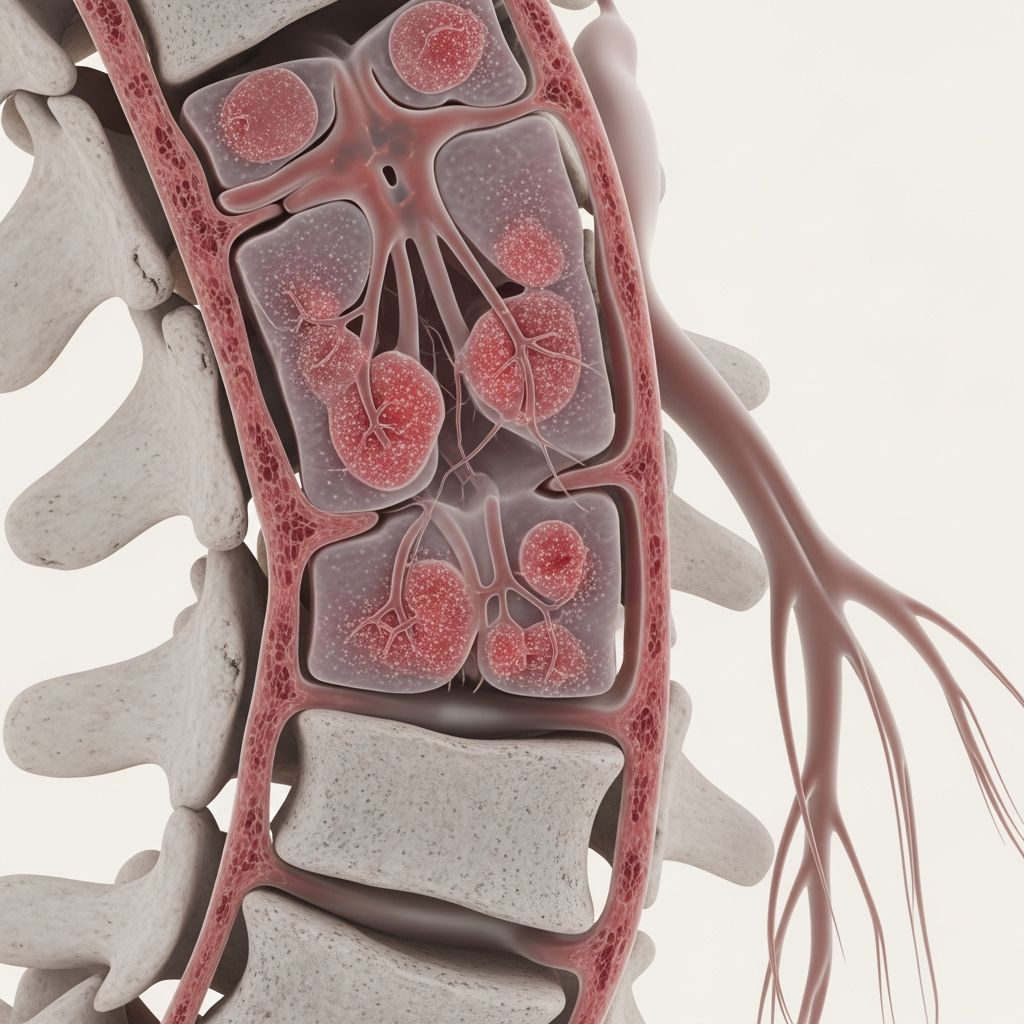
The spinal cord and its surrounding column play critical roles in coordinating movement, sensation, and reflexes in animals. When inflammation or infection targets these structures, it can lead to severe neurological deficits, pain, and even life-threatening complications. These conditions, often categorized under myelitis or related syndromes, arise from diverse pathogens, immune responses, or traumatic introductions of infectious agents. Understanding their mechanisms is essential for timely intervention in veterinary practice.
Understanding the Pathophysiology of Spinal Inflammation
Inflammation in the spinal cord, known as myelitis, disrupts normal neural transmission. Pathogens or immune-mediated processes infiltrate the meninges, parenchyma, or epidural spaces, causing edema, cellular infiltration, and potential necrosis. In dogs and cats, compressive forces from abscesses or granulomas exacerbate damage, leading to paresis, ataxia, or paralysis. Vascular compromise, such as in fibrocartilaginous embolism (FCE), mimics inflammatory responses but stems from ischemic events. Non-compressive lesions, including viral myelitis, produce diffuse demyelination, altering signal propagation across spinal segments.
Key pathological features include:
- Leukocyte accumulation in white and gray matter, impairing axonal integrity.
- Meningeal thickening that compresses cerebrospinal fluid (CSF) flow.
- Secondary demyelination from prolonged inflammation, worsening prognosis.
Primary Infectious Culprits in Spinal Diseases
Bacterial infections dominate spinal inflammatory diseases in animals. Diskospondylitis, a vertebral osteomyelitis with intervertebral disk involvement, frequently affects large-breed dogs via hematogenous spread from urinary tract infections or skin wounds. Common isolates include Staphylococcus spp., Streptococcus spp., and Brucella canis in endemic regions. Fungal agents like Aspergillus or Mycoplasma are less common but devastating in immunocompromised patients.
Viral pathogens, such as canine distemper virus, induce nonsuppurative myelitis, characterized by perivascular cuffing and gliosis. Protozoal infections, including neosporosis and toxoplasmosis, target the spinal cord in young or outdoor animals, producing multifocal lesions. Parasitic migrations, like cuterebra larvae in cats, create epidural granulomas, mimicking bacterial abscesses.
| Agent Type | Examples | Primary Hosts | Spinal Site |
|---|---|---|---|
| Bacterial | Staph, Brucella | Dogs (large breeds) | Thoracolumbar |
| Viral | Distemper | Dogs, unvaccinated | Cervical/thoracic |
| Protozoal | Neospora | Dogs, calves | Lumbar |
| Fungal | Aspergillus | Dogs, cats | Variable |
Clinical Manifestations Across Species
Symptoms vary by lesion location and acuity. Acute onset features severe back pain, rigid posture, and ambulatory deficits. Dogs with thoracolumbar involvement exhibit paraparesis, crossed extensor reflexes, and urinary retention. Cervical lesions cause tetraparesis with Schiff-Sherrington syndrome, where thoracic limbs retain voluntary movement despite hindlimb paralysis.
In cats, trauma-associated infections present with flaccid paralysis and fecal incontinence. Chronic cases show progressive ataxia, muscle atrophy, and hyperpathia. Systemic signs like fever, anorexia, and leukocytosis accompany bacterial etiologies, while viral forms may include encephalitic signs.
- Pain assessment: Schmorl’s sign (kyphosis) indicates thoracolumbar pain.
- Neurologic localization: Hyperreflexia suggests upper motor neuron involvement.
- Species differences: Cats more prone to epidural empyemas post-trauma.
Diagnostic Approaches for Accurate Identification
Diagnosis integrates history, neurology, and imaging. Neurologic exams pinpoint lesion topography using postural reactions and nociception tests. Deep pain absence portends poor recovery in compressive myelopathies.
Advanced imaging is cornerstone:
- MRI: Gold standard for parenchymal inflammation, revealing T2 hyperintensities and contrast enhancement.
- CT: Detects bony lysis in diskospondylitis.
- Myelography: Reserved for non-MRI facilities, identifies extradural compressions.
CSF analysis shows pleocytosis (neutrophils in bacterial, lymphocytes in viral). Culture and PCR target specific pathogens. Serology aids protozoal confirmation. Radiographs reveal vertebral sclerosis but lack sensitivity for early parenchymal disease.
Treatment Strategies and Management Protocols
Therapy hinges on etiology. Bacterial cases demand prolonged antibiotics (6-8 weeks), selected via culture, with fluoroquinolones or clindamycin for gram-positives. Surgical debridement relieves epidural abscesses, improving outcomes in 70-80% of cases.
Supportive care includes:
- Corticosteroids for immune-mediated components, tapered rapidly.
- Strict rest in sternal recumbency to minimize subluxation.
- Analgesics (opioids, gabapentin) for neuropathic pain.
- Bladder catheterization to prevent uroabdomen.
Viral myelitis relies on vaccination prevention and symptomatic support; antivirals rarely used. Antiprotozoals like clindamycin treat neosporosis effectively if initiated early.
Prognostic Factors and Long-Term Outcomes
Prognosis correlates with chronicity, pain perception, and surgical feasibility. Acute, painful lesions with intact deep pain yield 90% recovery rates post-decompression. Deep pain-negative cases have <10% ambulation success conservatively. Diskospondylitis achieves 50-70% resolution with medical management alone if no instability exists.
Recurrence risks elevate in brucellosis carriers; spaying/neutering reduces some hormonal influences on disk degeneration. Rehabilitation, including physiotherapy and acupuncture, enhances functional restoration.
Preventive Measures in Veterinary Practice
Prevention targets modifiable risks: routine vaccinations against distemper, prompt wound care, and screening for brucellosis in breeding dogs. Neutering chondrodystrophic breeds may mitigate degenerative predispositions. Early detection via annual neurologic screens in at-risk populations (e.g., working dogs) improves interventions.
FAQs on Spinal Inflammatory Diseases
What are the first signs of spinal cord inflammation in my dog?
Initial indicators include reluctance to jump, yelping on palpation, and dragging hind limbs. Seek veterinary attention immediately for diagnostics.
Can cats recover from infectious myelitis?
Yes, with aggressive antibiotics and surgery for abscesses, many cats regain mobility, though chronic pain may persist.
Is MRI always necessary for diagnosis?
No, but it’s highly recommended for precise lesion characterization, especially in ambiguous presentations.
How long does treatment last for diskospondylitis?
Typically 8-12 weeks of antibiotics, monitored by serial imaging and CRP levels.
What breeds are most susceptible?
Large breeds like Great Danes for vascular issues; chondrodystrophics like Dachshunds for secondary infections.
Emerging Research and Future Directions
Ongoing studies explore immunomodulators and novel antimicrobials for resistant infections. Stem cell therapies show promise in regenerating inflamed cord tissue in experimental models. Veterinary neurologists emphasize multidisciplinary approaches, integrating radiology, infectious disease specialists, and rehabilitation experts.
References
- Acute Spinal Cord Injuries — Today’s Veterinary Practice. 2023. https://todaysveterinarypractice.com/neurology/acute-spinal-cord-injuries/
- Disorders of the Spinal Cord — PMC (NCBI). 2020-04-01. https://pmc.ncbi.nlm.nih.gov/articles/PMC7152056/
- Spinal cord diseases: overview in Dogs — Vetlexicon. 2024. https://www.vetlexicon.com/canis/neurology/articles/spinal-cord-diseases-overview/
- Intervertebral disc disease — Cornell University College of Veterinary Medicine. 2023. https://vet.cornell.edu/departments-centers-and-institutes/riney-canine-health-center/canine-health-topics/intervertebral-disc-disease
- Overview of Diseases of the Spinal Column and Cord in Animals — MSD Veterinary Manual. 2025. https://www.msdvetmanual.com/nervous-system/diseases-of-the-spinal-column-and-cord/overview-of-diseases-of-the-spinal-column-and-cord-in-animals
Similar Articles








Read full bio of medha deb


