

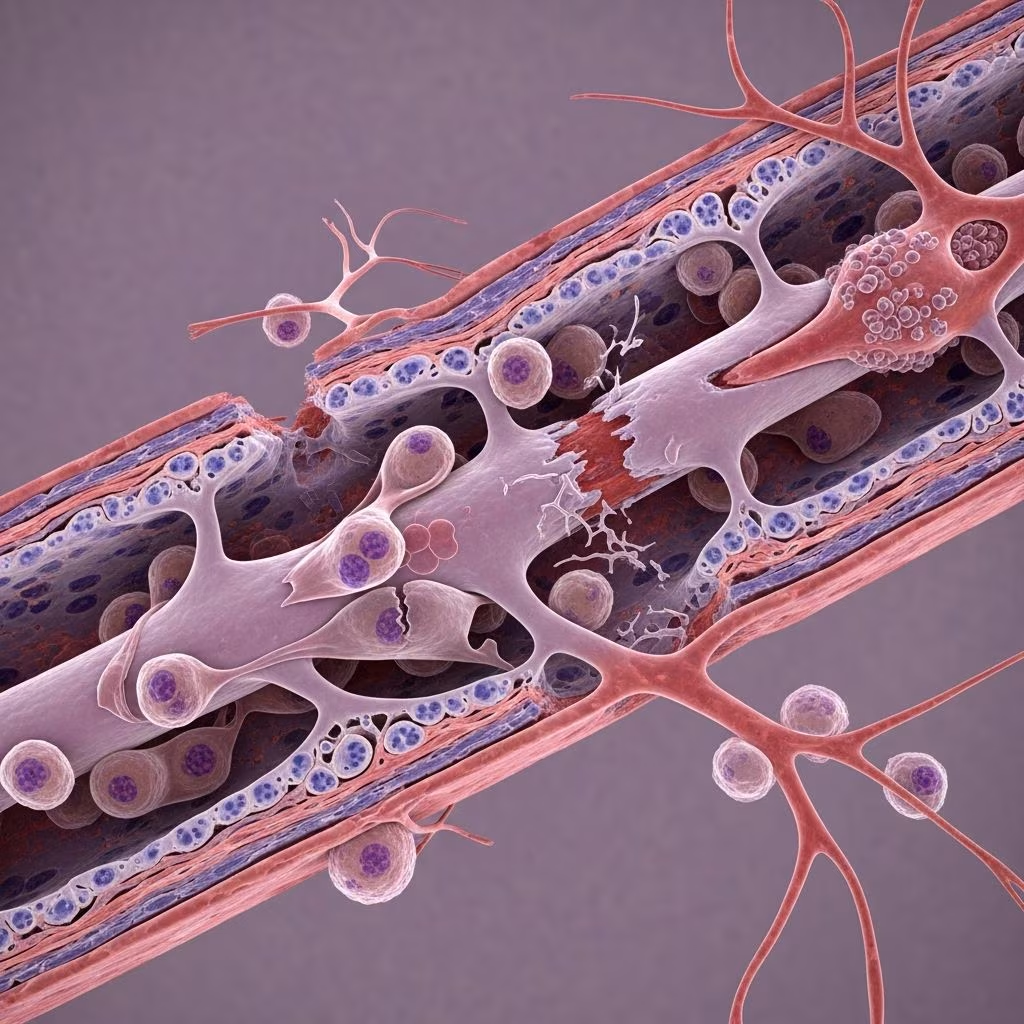
Peripheral nerves and neuromuscular junctions play crucial roles in transmitting signals from the central nervous system to muscles, enabling movement and sensation. When inflammation targets these structures, it can lead to debilitating weakness, paralysis, and pain in animals, particularly dogs. These conditions often stem from immune-mediated processes, infections, or unknown triggers, requiring prompt veterinary intervention for optimal outcomes.
Understanding Peripheral Nerve Inflammation
Inflammation of peripheral nerves, known as peripheral neuropathy, disrupts nerve conduction and muscle function. This can manifest as acute onset paralysis or gradual weakness. Common culprits include autoimmune attacks on nerve sheaths or junctions, sometimes triggered by environmental factors like vaccinations or wildlife encounters. Early recognition is vital, as many cases respond to immunosuppressive therapies.
Key Immune-Mediated Nerve Conditions
Several distinct syndromes dominate veterinary neurology in this domain. These disorders vary in onset, progression, and affected areas, but share inflammatory hallmarks confirmed via electrophysiology, cerebrospinal fluid analysis, and biopsies.
Acquired Myasthenia Gravis: Neuromuscular Junction Attack
This condition arises when the immune system produces antibodies against acetylcholine receptors at the neuromuscular junction, impairing muscle contraction. Predominantly affecting middle-aged to older dogs, especially breeds like German Shepherds, Golden Retrievers, and Labrador Retrievers, it presents with exercise-induced stiffness, muscle tremors, and profound weakness that resolves with rest. In severe cases, megaesophagus develops, leading to regurgitation and aspiration pneumonia risks.
Diagnosis involves tensilon testing, repetitive nerve stimulation, and serum antibody titers. Treatment hinges on anticholinesterase drugs like pyridostigmine to boost neurotransmitter availability, alongside immunosuppressants such as prednisone for antibody reduction. Prognosis improves with consistent management, though relapses occur if therapy lapses.
Acute Idiopathic Polyradiculoneuritis: Coonhound Paralysis
Resembling human Guillain-Barré syndrome, this rapid-onset polyneuropathy inflames multiple nerve roots, often 7-14 days post-raccoon exposure—hence its nickname—or vaccination. Young, large-breed hunting dogs are prone, but any dog can be affected. Initial signs include pelvic limb ataxia progressing to flaccid tetraparesis or paralysis, with preserved proprioception, tail wagging, and bladder control.
Electrodiagnostic studies reveal slowed nerve conduction and reduced compound muscle action potentials. Supportive care—physiotherapy, nursing, and monitoring for respiratory involvement—is mainstay, as spontaneous recovery occurs in 80-90% within weeks to months. Corticosteroids offer limited benefit and may prolong recovery.
Chronic Inflammatory Demyelinating Polyneuropathy
A slower counterpart to acute forms, this demyelinating disorder causes progressive limb weakness, areflexia, and occasional cranial nerve deficits over months. Pathologically, immune cells infiltrate and strip myelin from peripheral nerves. Dogs of any age or breed can develop it, though middle-aged ones predominate.
Corticosteroids and other immunomodulators like azathioprine induce remission in many, but tapering risks relapse. Long-term monitoring with nerve conduction velocity tests guides therapy adjustments.
Associated Syndromes and Complications
Beyond primary neuropathies, inflammation links to paraneoplastic processes where tumors like insulinomas provoke remote nerve damage via immune cross-reactivity. Affected dogs show worsening paraparesis or tetraparesis over weeks; tumor excision or chemotherapy can reverse signs.
Fibrocartilaginous embolism, while primarily vascular, induces secondary inflammation in hindlimbs, causing acute, asymmetric paresis with reflex loss. Anticoagulants and pain relief aid recovery, though prognosis dims with recurrent emboli.
Diagnostic Approaches for Nerve Inflammation
Veterinarians employ a multi-modal strategy:
- Clinical Exam: Assess gait, reflexes, muscle tone, and cranial nerves.
- Electrodiagnostics: Nerve conduction studies and electromyography pinpoint demyelination vs. axonal loss.
- CSF Analysis: Elevated protein with normal cell counts (albuminocytologic dissociation) supports immune polyneuropathy.
- Imaging: MRI rules out spinal cord lesions; ultrasound evaluates nerve swelling.
- Biopsy: Nerve or muscle samples reveal inflammatory infiltrates.
| Condition | Key Diagnostic Finding | Typical CSF Profile |
|---|---|---|
| Myasthenia Gravis | Decremental CMAP response | Normal |
| Acute Polyradiculoneuritis | Slowed conduction velocities | High protein, normal cells |
| Chronic Demyelinating PN | Multifocal demyelination on biopsy | Mild pleocytosis |
Treatment Strategies and Management
Therapy targets inflammation suppression, symptom relief, and supportive care. Immunosuppressants form the backbone:
- Corticosteroids (prednisone 2 mg/kg/day) for rapid control.
- Azathioprine or mycophenolate for steroid-sparing effects.
- IV immunoglobulin or plasma exchange in refractory cases.
Physiotherapy prevents contractures, while nutritional support combats dysphagia. Owners must monitor for secondary infections and medication side effects like polyuria or immunosuppression.
Prognosis Across Conditions
Outcomes vary: Acute polyradiculoneuritis boasts high recovery rates with nursing; myasthenia gravis stabilizes long-term with meds; chronic forms may require lifelong therapy. Early intervention enhances survival, especially averting respiratory failure.
Prevention and Risk Factors
No vaccines exist, but minimizing raccoon contact and judicious vaccination scheduling curbs triggers. Breed predispositions underscore genetic screening potential. Regular neurologic check-ups aid early detection in at-risk pets.
FAQs on Animal Nerve Inflammation
What breeds are most susceptible to myasthenia gravis?
German Shepherds, Golden Retrievers, and Labrador Retrievers top the list due to genetic factors.
Can nerve inflammation be fatal?
Yes, if respiratory muscles paralyze or aspiration pneumonia develops untreated.
How long does recovery take from Coonhound paralysis?
Weeks to 6 months, with most regaining function via supportive care.
Is surgery ever needed?
Rarely for neuropathies; indicated for underlying tumors in paraneoplastic cases.
What home care supports recovery?
Passive range-of-motion exercises, slings for mobility, and high-calorie diets prevent atrophy.
Emerging Research and Future Directions
Studies explore neutrophil extracellular traps in related meningitides and biomarkers for immune neuropathies. Advances in targeted biologics promise refined therapies, reducing steroid reliance.
References
- Disorders of the Peripheral Nerves and Neuromuscular Junction in Dogs — Merck Veterinary Manual. 2023. https://www.merckvetmanual.com/dog-owners/brain-spinal-cord-and-nerve-disorders-of-dogs/disorders-of-the-peripheral-nerves-and-neuromuscular-junction-in-dogs
- Disorders of the Peripheral Nerves and Neuromuscular Junction in Dogs — MSD Veterinary Manual. 2023. https://www.msdvetmanual.com/dog-owners/brain-spinal-cord-and-nerve-disorders-of-dogs/disorders-of-the-peripheral-nerves-and-neuromuscular-junction-in-dogs
- Editorial: Neuroinflammatory diseases of domestic animals — PMC (PubMed Central). 2022-10-10. https://pmc.ncbi.nlm.nih.gov/articles/PMC9558227/
- Inflammatory diseases of the CNS in dogs — Veterinary Ireland Journal. 2021. https://www.veterinaryirelandjournal.com/small-animal/288-inflammatory-diseases-of-the-cns-in-dogs
- Neuromuscular Disease — North Downs Specialist Referrals. 2023. https://www.ndsr.co.uk/insights/neuromuscular-disease/



