

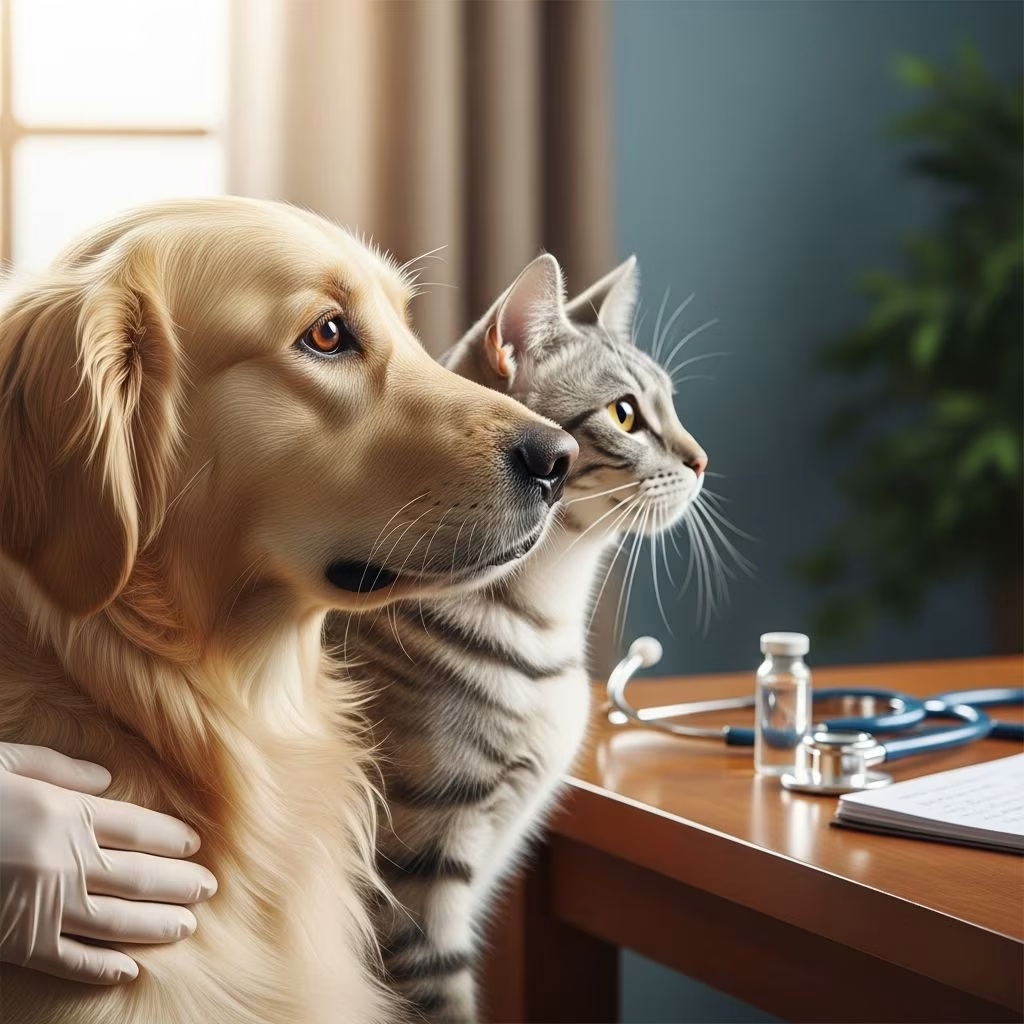
Inflammatory bowel disease (IBD) affects many pets, causing ongoing digestive distress that impacts their quality of life. This chronic condition involves persistent inflammation in the gastrointestinal tract, leading to symptoms like diarrhea, vomiting, and weight loss. While not curable, proper management can lead to remission and healthier days for affected animals.
Recognizing the Signs of IBD in Your Pet
Pet owners often notice subtle changes before IBD fully manifests. Common indicators include recurrent bouts of loose stools or diarrhea that may contain blood or mucus, alongside abdominal discomfort shown through whining or hunching. Pets might also exhibit reduced appetite, gradual weight loss despite normal eating habits, and lethargy that persists beyond typical fatigue.
- **Digestive disturbances:** Frequent diarrhea, sometimes watery or bloody, occurring over weeks or months.
- **Vomiting episodes:** Intermittent puking, especially after meals, indicating upper gut irritation.
- **Appetite and weight issues:** Selective eating or refusal of food, coupled with unexplained slimming.
- **Behavioral shifts:** Increased restlessness at night or avoidance of play due to pain.
- **Coat and energy changes:** Dull fur and low energy levels signaling nutrient malabsorption.
These symptoms mimic other conditions like infections or allergies, making veterinary evaluation essential for accurate identification.
Unraveling the Root Causes of Pet IBD
The exact origins of IBD in pets remain multifaceted, blending genetic predispositions, environmental triggers, and immune system irregularities. Breeds such as Boxers, German Shepherds, and certain cats show higher susceptibility, hinting at hereditary factors. Dietary indiscretions, including sudden food switches or exposure to allergens, can provoke immune overreactions where the body attacks its own gut lining.
Environmental influences like stress from household changes or bacterial imbalances in the gut microbiome further contribute. Unlike acute gastroenteritis, IBD’s chronic nature suggests an ongoing battle between harmful pathogens and the pet’s defenses, leading to sustained inflammation.
Diagnosis: Steps to Confirm IBD
Veterinarians follow a systematic approach to diagnose IBD, starting with a detailed history of symptoms and diet. Physical exams check for abdominal tenderness or dehydration. Blood tests reveal anemia, elevated white cells, or protein deficiencies pointing to malabsorption.
Fecal analysis rules out parasites or bacteria. Imaging like ultrasounds visualizes thickened intestinal walls, while endoscopy or biopsies provide definitive proof by examining tissue inflammation under a microscope.
| Diagnostic Tool | Purpose | What It Reveals |
|---|---|---|
| Bloodwork | Assess overall health | Anemia, inflammation markers, nutrient levels |
| Ultrasound | View gut structure | Wall thickening, masses, fluid |
| Endoscopy/Biopsy | Direct tissue sample | Lymphocyte infiltration, confirming IBD |
| Fecal Tests | Exclude infections | Parasites, bacteria, worms |
This multi-step process ensures other diseases are excluded, tailoring treatment effectively.
Treatment Strategies for Managing Pet IBD
Treatment aims to quell inflammation, restore gut balance, and prevent flares. Medications form the cornerstone, with anti-inflammatories like mesalamine often first-line for mild cases, reducing colon irritation without heavy immunosuppression.
Corticosteroids such as prednisone offer rapid relief for moderate flares but require careful tapering to avoid dependency. Immunosuppressants like azathioprine maintain remission in steroid-resistant pets by calming overactive immunity.
Biologics targeting specific inflammatory proteins, like TNF inhibitors, show promise for severe cases, administered via injections. Newer small molecule drugs, such as JAK inhibitors, provide oral options that block inflammation pathways precisely.
Role of Diet in IBD Control
Hypoallergenic or hydrolyzed protein diets minimize triggers, promoting healing. Novel proteins like duck or venison bypass common allergens. High-fiber or low-residue formulas support gut motility differently based on IBD type.
- Fat-restricted diets ease digestion.
- Probiotic supplements balance gut flora.
- Frequent small meals prevent overload.
Nutritional therapy can induce remission in some pets, sometimes rivaling drugs.
When Surgery Becomes Necessary
For complications like strictures or unresponsive disease, surgical resection of damaged bowel segments may be required. In extreme ulcerative cases, colectomy removes the colon, with pouches rerouting function.
Lifestyle Adjustments for Long-Term IBD Management
Beyond meds and diet, stress reduction through routine stability and exercise aids management. Regular vet check-ups monitor progress via repeat tests. Owners track symptoms in journals to spot flare precursors early.
Supplements like omega-3 fatty acids combat inflammation naturally, while avoiding NSAIDs that exacerbate gut issues.
Potential Complications and Prognosis
Untreated IBD risks malnutrition, dehydration, bowel obstructions, or perforations. Extraintestinal issues like joint pain or liver problems can arise. With vigilant care, most pets achieve good control, enjoying years of comfort.
FAQs on Pet IBD
What breeds are prone to IBD?
French Bulldogs, Shar-Peis, and Siamese cats face higher risks due to genetics.
Can diet alone cure IBD?
Diet manages symptoms effectively but rarely cures; combine with meds for best results.
How long do IBD treatments take effect?
Anti-inflammatories may work in days, while biologics take weeks.
Is IBD contagious to other pets?
No, it’s not infectious; immune and genetic factors drive it.
What home remedies help IBD pets?
Stick to vet diets, ensure hydration, and minimize stress; avoid unproven supplements.
Pet IBD demands proactive care, blending veterinary science with owner diligence for optimal outcomes.
References
- Inflammatory bowel disease (IBD) – Diagnosis and treatment — Mayo Clinic. 2023-10-15. https://www.mayoclinic.org/diseases-conditions/inflammatory-bowel-disease/diagnosis-treatment/drc-20353320
- IBD Treatment Options for Long-Term Symptom Relief — Crohn’s & Colitis Foundation. 2024-05-20. https://www.crohnscolitisfoundation.org/blog/ibd-treatment-options-long-term-symptom-relief
- Inflammatory Bowel Disease (IBD): Symptoms, Causes, Treatment — Cleveland Clinic. 2024-02-10. https://my.clevelandclinic.org/health/diseases/15587-inflammatory-bowel-disease
- Inflammatory Bowel Disease – StatPearls — NCBI Bookshelf. 2023-11-03. https://www.ncbi.nlm.nih.gov/books/NBK470312/
- Inflammatory bowel disease (IBD) – Symptoms and causes — Mayo Clinic. 2023-09-12. https://www.mayoclinic.org/diseases-conditions/inflammatory-bowel-disease/symptoms-causes/syc-20353315



