

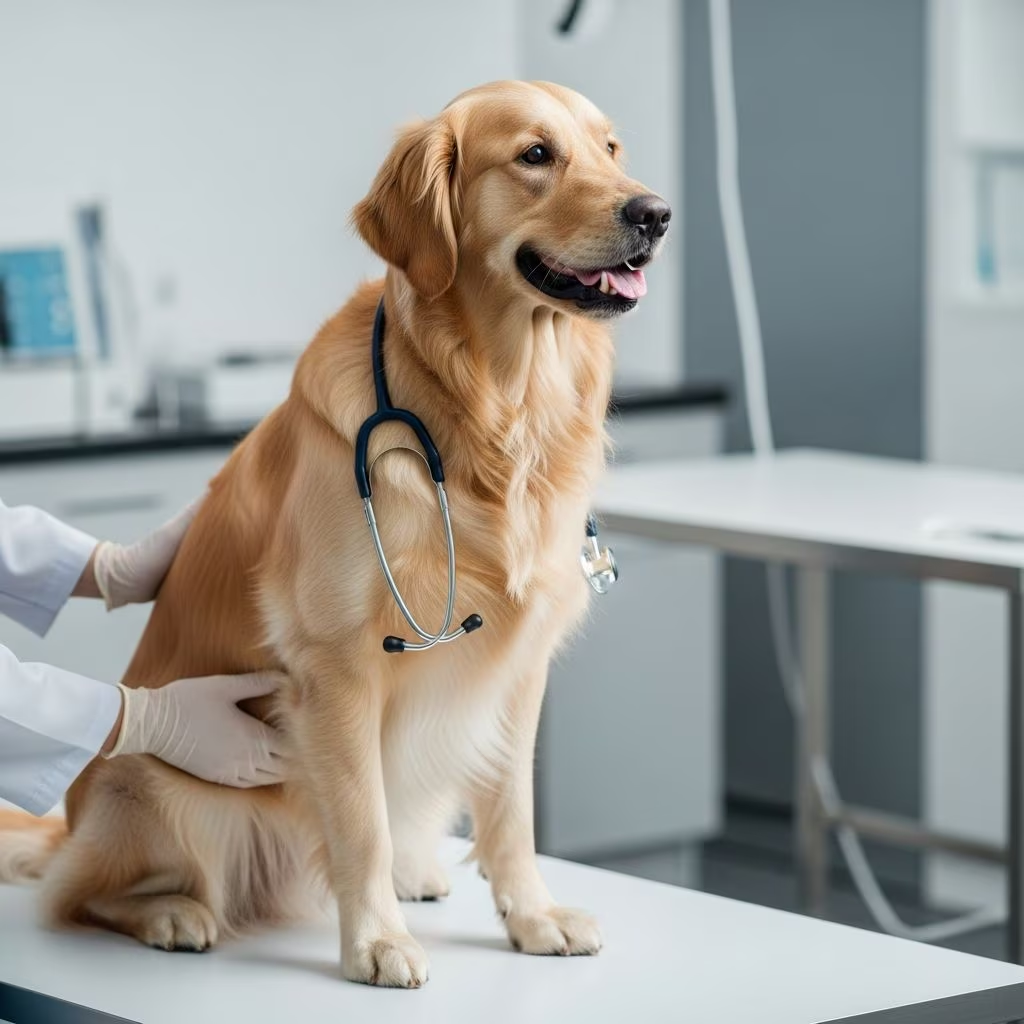
Understanding Inflammatory Bowel Disease in Dogs
Inflammatory bowel disease (IBD) is a chronic gastrointestinal condition that affects many dogs, causing persistent inflammation in the digestive tract. Unlike acute gastrointestinal issues that resolve on their own, IBD is a long-term condition requiring ongoing management and veterinary care. This disease can significantly impact your dog’s quality of life, leading to discomfort, nutritional deficiencies, and behavioral changes. Understanding IBD is crucial for dog owners, as early recognition and proper treatment can help manage symptoms effectively and improve your pet’s overall well-being.
Common Symptoms of IBD in Dogs
Recognizing the signs of inflammatory bowel disease is the first step toward getting your dog proper care. Dogs with IBD typically exhibit a range of gastrointestinal symptoms that persist over time. The most common indicators include:
- Chronic vomiting or frequent vomiting episodes
- Chronic diarrhea, sometimes with blood or mucus
- Constipation or alternating diarrhea and constipation
- Loss of appetite or reduced food intake
- Unexplained weight loss despite eating
- Picky eating or food aversions
- Fever or elevated body temperature
- Lethargy and decreased energy levels
- Abdominal discomfort or pain
- Poor coat condition
If your dog exhibits any combination of these symptoms for more than a few weeks, it’s important to schedule a veterinary appointment. The chronic nature of these symptoms distinguishes IBD from temporary digestive upset and indicates a need for professional diagnosis and treatment.
What Causes Inflammatory Bowel Disease in Dogs?
The exact cause of IBD in dogs remains somewhat mysterious, as the condition can develop from multiple contributing factors. However, veterinarians and researchers have identified several potential causes and risk factors. Parasitic infections and bacterial imbalances in the gastrointestinal tract are common culprits, sometimes missed during standard fecal examinations. Food sensitivities or allergies can trigger chronic inflammation, as can an inappropriate response of the immune system to normal gut bacteria. Some dogs may have a genetic predisposition to developing IBD, while others may develop it following an acute gastroenteritis episode that doesn’t fully resolve. Environmental factors, stress, and the composition of the gut microbiome all play potential roles in the development of this condition.
Diagnosis of IBD in Dogs
Diagnosing inflammatory bowel disease involves a systematic approach, as IBD symptoms can mimic other gastrointestinal conditions. Your veterinarian will typically begin with a thorough physical examination and detailed medical history. Diagnostic tests may include:
- Fecal analysis to check for parasites and bacterial issues
- Blood work to assess nutritional status and organ function
- Abdominal ultrasound or radiographs
- Dietary trials to rule out food sensitivities
- Antibiotic trials as both diagnostic and therapeutic measures
- Tissue biopsies in some cases for definitive diagnosis
It’s important to note that standard fecal exams sometimes miss parasitic infections and bacterial problems, which is why additional testing and trials are often necessary. The diagnostic process can take several weeks, requiring patience as your veterinarian works to identify the underlying cause of your dog’s symptoms.
Treatment Options for IBD in Dogs
While there is no cure for inflammatory bowel disease in dogs, the condition can be effectively managed through a combination of dietary modifications and medications. Treatment is often a process of trial and error, as each dog responds differently to various approaches. What works for one dog may not work for another, so close communication with your veterinarian and careful monitoring of your pet’s response is essential.
Dietary Management
Many dogs respond well to dietary changes, making it often the first line of treatment. Your veterinarian may recommend prescription diets specifically formulated for dogs with digestive sensitivities. Key dietary considerations include:
- Highly digestible formulas: Foods that are easier for inflamed GI tracts to process
- Novel protein diets: Proteins your dog hasn’t previously encountered, such as venison, duck, or fish
- Limited ingredient diets: Foods with fewer components to minimize potential triggers
- Hydrolyzed protein formulas: Proteins broken down into small molecules less likely to trigger reactions
- High-fiber options: When appropriate, to support digestive health
- Canned or wet foods: Often easier to digest than dry kibble due to higher moisture content
- Low-fat formulations: As fat can be difficult for IBD dogs to digest
Dietary trials typically last 8-12 weeks to determine effectiveness. Your veterinarian may recommend starting with one dietary approach and monitoring your dog’s response carefully.
Medication and Medical Treatments
For cases that don’t respond to diet alone or for more severe IBD, medications become necessary. Common treatments include:
Antibiotics
Antibiotics are frequently prescribed as they help reduce inflammation and restore the normal balance of beneficial bacteria in the GI tract. Common antibiotics used include tylosin, metronidazole, and oxytetracycline. An antibiotic trial typically lasts 28 days, and if symptoms improve, the medication may be continued long-term or used on an as-needed basis when flare-ups occur.
Corticosteroids and Anti-inflammatory Medications
Prednisone and prednisolone are the most commonly prescribed corticosteroids for IBD management. These medications reduce inflammation and suppress immune system overactivity. Treatment typically begins at 1 mg/kg twice daily, then gradually tapers to the lowest effective dose. While effective, corticosteroids can have side effects, particularly in large-breed dogs, so careful monitoring is important. Budesonide is another anti-inflammatory option with potentially fewer systemic side effects.
Immunosuppressive Therapy
For severe or refractory cases, immunosuppressive medications may be necessary. Azathioprine is often combined with corticosteroids to allow faster tapering of steroid doses. Cyclosporine is another immunosuppressive option that inhibits T-cell function and may be used in combination with prednisone for severe IBD cases, including those with protein-losing enteropathy.
Deworming
Since parasites and bacterial infections can trigger or exacerbate IBD symptoms, a thorough deworming protocol may be recommended. This is particularly important if standard fecal exams don’t reveal infections but symptoms persist.
Vitamin B12 Supplementation
Dogs with IBD often have compromised nutrient absorption, leading to B12 deficiency. B12 injections help maintain energy levels and overall health, as this essential vitamin is crucial for nerve function and red blood cell production.
Probiotics and Prebiotics
Recent research demonstrates that probiotics and prebiotics significantly benefit dogs with IBD by promoting the growth of beneficial bacteria and restoring gastrointestinal health. Specific probiotic strains have shown promise in clinical trials as adjunctive treatments alongside standard immunosuppressive therapy.
Managing IBD Symptoms: What to Expect
IBD management is a marathon, not a sprint. It’s not uncommon for treatment to take several weeks before noticeable improvement appears. Patience and consistency are essential virtues during this period. Keep detailed notes about your dog’s diet, medications, symptoms, and any changes you observe. Document the frequency and consistency of bowel movements, appetite levels, energy, coat condition, and any vomiting episodes. This information helps your veterinarian track treatment effectiveness and make informed adjustments.
Once your dog’s IBD symptoms are well-controlled, you may be able to reduce medication frequency. Many dogs can transition to taking medication only when symptoms flare up rather than daily. However, most dogs with IBD require long-term dietary management and may need to stay on a modified diet for life. This long-term commitment is worth it, as properly managed IBD significantly improves your dog’s quality of life.
When IBD Isn’t Getting Better
If your dog isn’t improving despite appropriate treatment, don’t become discouraged. IBD is a complex condition, and finding the right treatment combination takes time. Continue working closely with your veterinarian, adhering to recommended recheck appointments and lab tests. Your veterinary team may need to adjust medications, change doses, try different dietary options, or combine treatments differently. Some dogs require a multi-drug approach before achieving adequate symptom control.
Long-Term Prognosis for Dogs with IBD
The good news is that with proper management, the prognosis for dogs with IBD is generally good. While the condition requires lifelong attention and dietary modifications, many dogs go on to live happy, comfortable lives with their families. The key to success is early diagnosis, individualized treatment plans, consistent management, and regular communication with your veterinarian.
Living with a Dog That Has IBD
Managing a dog with IBD requires dedication, but the reward is a healthier, more comfortable pet. Maintain consistency with feeding schedules and prescribed foods. Give medications exactly as directed, even when your dog seems to be doing well. Schedule regular veterinary checkups to monitor progress and adjust treatment as needed. Be prepared for the possibility that managing IBD will involve some trial and error before finding the optimal treatment plan for your individual dog.
Frequently Asked Questions About IBD in Dogs
Q: Is IBD in dogs curable?
A: No, there is no cure for IBD in dogs. However, the condition can be effectively managed through a combination of dietary modifications and medications to control symptoms and improve quality of life.
Q: How long does it take to see improvement in IBD symptoms?
A: It typically takes several weeks to see noticeable improvement. Patience is important as you work with your veterinarian to find the right treatment combination for your dog.
Q: Can diet alone treat IBD in dogs?
A: Many dogs respond well to dietary changes alone, but some require medications as well. Your veterinarian will determine the appropriate treatment approach based on your dog’s specific symptoms and severity.
Q: What foods are best for dogs with IBD?
A: Prescription diets designed for digestive sensitivities are typically recommended. These may include novel proteins, limited ingredient formulas, hydrolyzed proteins, or highly digestible options. Your veterinarian can recommend the best diet for your dog.
Q: Will my dog need medication for life?
A: Not necessarily. Once IBD is well-managed, many dogs can reduce medication frequency or use medications only during flare-ups. However, most dogs require lifelong dietary management.
Q: Can probiotics help with IBD in dogs?
A: Yes, recent research shows that probiotics and prebiotics can be beneficial in restoring gastrointestinal health and promoting growth of beneficial bacteria in dogs with IBD.
Q: What should I do if my dog’s IBD isn’t improving?
A: Continue working with your veterinarian and attend all recommended recheck appointments. Your vet may need to adjust medications, change doses, try different dietary options, or combine treatments differently.
References
- Inflammatory Bowel Disease in Dogs – Treatment — English Creek Veterinary Clinic. 2023-02-15. https://www.englishcreekvet.com/site/blog/2023/02/15/inflammatory-bowel-disease-dogs-treatment
- IBD in Dogs – PetMD — PetMD. 2024. https://www.petmd.com/dog/conditions/digestive/c_dg_inflammatory_bowel_disease
- Inflammatory Bowel Disease (IBD) in Dogs and Cats — Today’s Veterinary Practice. 2024. https://todaysveterinarypractice.com/gastroenterology/inflammatory-bowel-disease-dogs-cats/
- Treatment of Inflammatory Bowel Disease – BluePearl Pet Hospital — BluePearl Veterinary Partners. 2024. https://bluepearlvet.com/medical-library-for-dvms/gut-check-practical-treatment-of-inflammatory-bowel-disease/
- Inflammatory Bowel Disease (IBD) in Dogs – WebMD — WebMD Pets. 2024. https://www.webmd.com/pets/dogs/inflammatory-bowel-disease-ibd-dogs
- Inflammatory Bowel Disease (IBD) — Cornell University College of Veterinary Medicine – Riney Canine Health Center. 2024. https://www.vet.cornell.edu/departments-centers-and-institutes/riney-canine-health-center/canine-health-information/inflammatory-bowel-disease-ibd
- Inflammatory Bowel Disease Fact Sheet — Vet Specialists UK. 2024. https://www.vetspecialists.co.uk/fact-sheets-post/inflammatory-bowel-disease-fact-sheet/



