

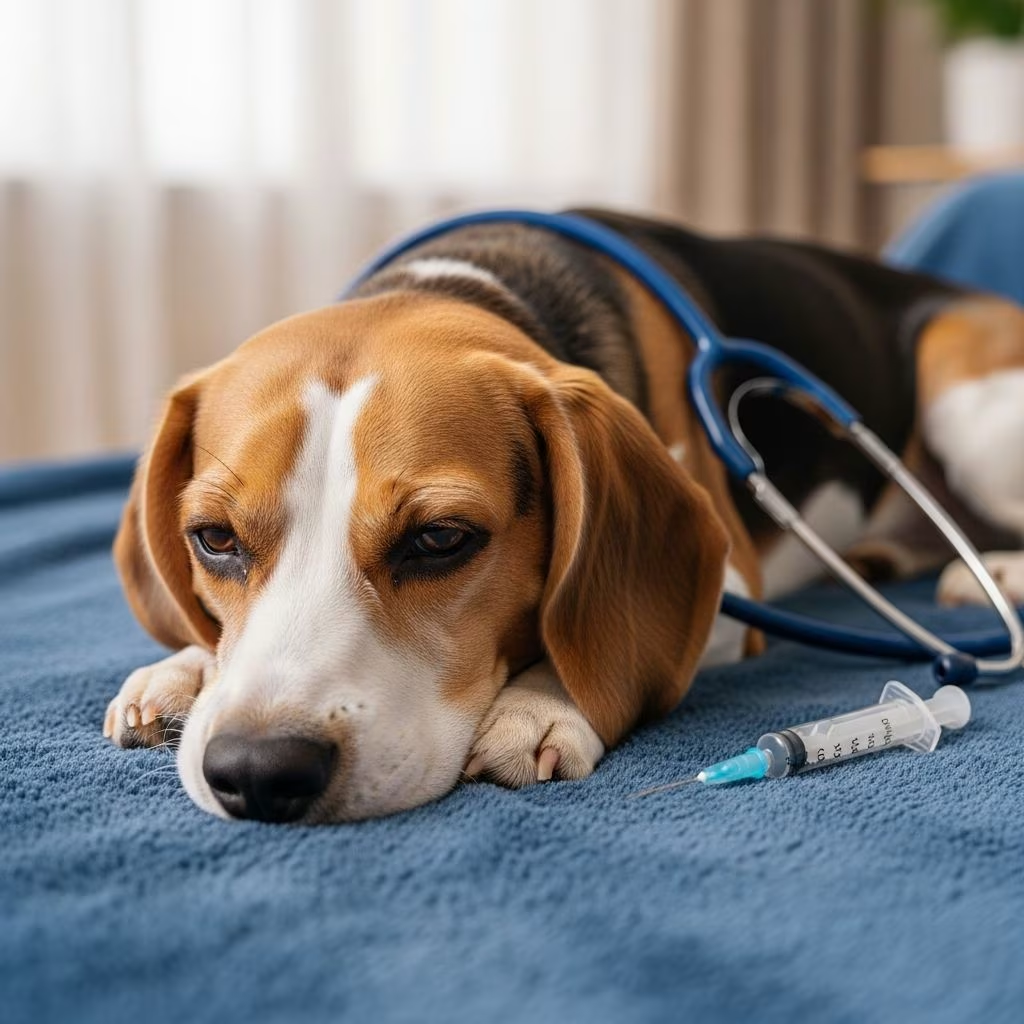
Inflammatory bowel disease (IBD) is a chronic condition in dogs characterized by persistent inflammation of the gastrointestinal tract, leading to symptoms such as recurring diarrhea, vomiting, and weight loss. While there is no cure, proper management through diet, medications, and veterinary care can significantly improve quality of life.
What is Inflammatory Bowel Disease (IBD) in Dogs?
IBD in dogs refers to a group of disorders where the immune system inappropriately attacks the lining of the stomach or intestines, causing ongoing inflammation. This differs from acute gastroenteritis, as IBD is chronic and often involves lymphocytic-plasmacytic infiltration confirmed via biopsy. It commonly affects the stomach and intestines, disrupting normal digestion and nutrient absorption.
The condition can manifest in various forms, including lymphocytic-plasmacytic enteritis, eosinophilic gastroenteritis, or granulomatous forms, but all share the hallmark of immune-mediated inflammation. Breeds like German Shepherds, Boxers, and Yorkshire Terriers may be predisposed, though any dog can develop IBD.
Symptoms of IBD in Dogs
Symptoms of IBD vary based on the affected GI tract segment but typically include chronic vomiting if the stomach is involved and diarrhea if the intestines are affected. Many dogs exhibit both, along with secondary signs from malabsorption.
- Recurring or chronic diarrhea (often with blood or mucus)
- Vomiting
- Weight loss despite normal or increased appetite
- Loss of appetite or voracious hunger due to maldigestion
- Flatulence and abdominal gurgling
- Lethargy and abdominal discomfort
In severe cases, protein-losing enteropathy (PLE) leads to low serum albumin, worsening weight loss and edema. End-stage IBD may present with persistent symptoms unresponsive to treatment, prioritizing comfort care.
Causes of IBD in Dogs
The exact causes of IBD remain multifactorial, involving genetic predisposition, environmental triggers, dietary sensitivities, and microbial dysbiosis. An aberrant immune response to normal gut flora or food antigens is central, leading to chronic inflammation.
Potential triggers include:
- Food allergies or intolerances to common proteins like beef or chicken
- Bacterial overgrowth or antibiotic-responsive diarrhea (ARD)
- Parasitic infections missed on standard fecal exams
- Stress or environmental changes exacerbating immune dysregulation
Unlike infectious enteritis, IBD is not contagious but requires ruling out parasites, infections, or neoplasia first.
Diagnosis of IBD in Dogs
Diagnosing IBD involves a stepwise approach to exclude other conditions like parasites, infections, pancreatitis, or cancer. Initial tests include bloodwork, fecal analysis, abdominal imaging (ultrasound or radiographs), and sometimes endoscopic biopsies for definitive confirmation.
Key diagnostic steps:
- History and Physical Exam: Assess chronicity of symptoms, diet history, and breed predisposition.
- Laboratory Tests: CBC, chemistry panel (check albumin, B12 levels), fecal flotation/PCR for parasites.
- Imaging: Ultrasound to evaluate intestinal wall thickening.
- Biopsy: Gold standard via endoscopy or full-thickness surgery to grade inflammation and rule out lymphoma.
B12 deficiency is common due to ileal malabsorption, warranting supplementation testing.
Treatment Options for IBD in Dogs
Treatment for IBD focuses on symptom control, inflammation reduction, and nutritional support. A multimodal approach starts with diet trials, progressing to medications if needed. Response is monitored via clinical signs and follow-up tests.
Dietary Management
Diet trials are first-line, lasting 2-4 weeks with strict avoidance of treats. Options include:
- Novel Protein Diets: Rabbit, duck, or venison to avoid prior exposures.
- Hydrolyzed Protein: Proteins broken down to minimize immune reactions.
- High-Fiber or Low-Fat: For specific symptoms; low-fat crucial for PLE, especially in Yorkshire Terriers.
Some dogs respond solely to diet, emphasizing protein quality over fat restriction alone.
Antibiotics
For suspected ARD or dysbiosis, antibiotics like tylosin, metronidazole, or oxytetracycline are trialed for 28 days. Positive response indicates ongoing need; tylosin preferred long-term.
Antibiotics reduce inflammation and restore microbiome balance.
Immunosuppressive and Anti-Inflammatory Therapy
Non-responders receive glucocorticoids like prednisone or budesonide (gut-targeted, fewer systemic effects). Doses taper based on response; large breeds (>30kg) may add azathioprine.
| Medication | Use Case | Notes |
|---|---|---|
| Prednisone/Prednisolone | First-line steroid | Improves in 1-2 weeks; taper slowly |
| Budesonide | Alternative steroid | Less systemic side effects |
| Azathioprine/Cyclosporine | Steroid-sparing | For refractory cases or large dogs |
Supportive Care
B12 injections address deficiencies, boosting energy. Deworming rules out parasites. Probiotics, antiemetics, and partial parenteral nutrition aid severe PLE.
Living with IBD: Long-Term Management
IBD requires lifelong management with periodic flares managed by medication pulses. Track diet, stool quality, and weight. Annual bloodwork monitors for side effects like steroid-induced diabetes.
Prognosis is good with compliance; many dogs achieve remission. Consult a veterinary internist for refractory cases.
Frequently Asked Questions (FAQs)
What are the first signs of IBD in dogs?
Early signs include chronic diarrhea, vomiting, and unexplained weight loss.
How long does it take for treatment to work?
Diet trials take 2-4 weeks; prednisone shows improvement in 1-2 weeks.
Can IBD in dogs be cured?
No cure exists, but management allows normal lives.
What is the best diet for dogs with IBD?
Novel protein, hydrolyzed, or vet-prescribed GI diets tailored to the dog.
Is IBD fatal in dogs?
Not typically, but unmanaged severe cases can lead to complications like PLE.
References
- Inflammatory Bowel Disease (IBD) in Dogs and Cats — Today’s Veterinary Practice. 2023. https://todaysveterinarypractice.com/gastroenterology/inflammatory-bowel-disease-dogs-cats/
- Inflammatory Bowel Disease (IBD) in Dogs — Gluckstadt Animal Hospital. 2024-04-23. https://www.gluckstadtanimalhospital.com/site/blog/2024/04/23/inflammatory-bowel-disease-dogs
- Inflammatory Bowel Disease (IBD) in Dogs: Signs & Treatment — UrgentVet. N/A. https://urgentvet.com/inflammatory-bowel-disease-in-dogs/
- Inflammatory Bowel Disease (IBD) Dogs — WebMD. N/A. https://www.webmd.com/pets/dogs/inflammatory-bowel-disease-ibd-dogs
- IBD – Your Guide to Inflammatory Bowel Disease in Dogs — Springhouse Animal Hospital. 2024-02-14. https://www.springhouseanimalhospital.com/site/blog/2024/02/14/ibd-dog
- Inflammatory Bowel Disease (IBD) in Dogs and Cats — MedVet. N/A. https://www.medvet.com/inflammatory-bowel-disease-ibd-dogs-cats/
- Inflammatory Bowel Disease in Dogs — VCA Animal Hospitals. N/A. https://vcahospitals.com/know-your-pet/inflammatory-bowel-disease-in-dogs



