

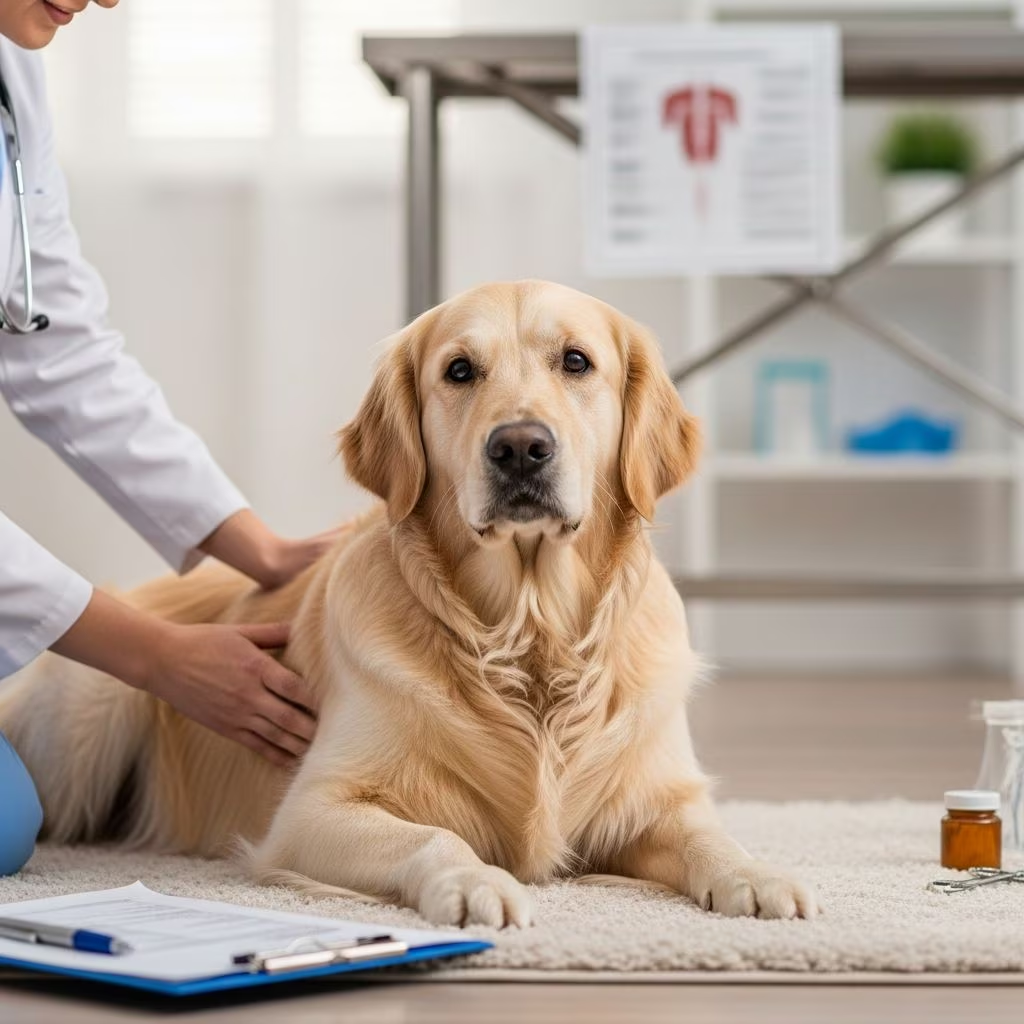
Inflammatory Bowel Disease in Dogs
Inflammatory bowel disease (IBD) is a condition that affects the gastrointestinal tract of dogs, causing chronic inflammation of the intestinal lining. This condition can significantly impact your dog’s quality of life, leading to various digestive problems and nutritional deficiencies. Understanding IBD is crucial for dog owners, as early recognition and appropriate treatment can help manage symptoms and keep your pet comfortable.
IBD is characterized by the infiltration of inflammatory cells into the walls of the gastrointestinal tract. Unlike acute gastroenteritis, which typically resolves on its own, IBD is a chronic condition that requires ongoing management and veterinary care. The exact cause of IBD in dogs remains unclear in many cases, making diagnosis and treatment a complex process.
Understanding the Symptoms of IBD
Recognizing the signs of inflammatory bowel disease is the first step toward getting your dog proper treatment. If your dog is experiencing any of the following symptoms, it may indicate that your pet is suffering from IBD:
- Chronic vomiting or frequent vomiting episodes
- Bloody or chronic diarrhea
- Constipation or irregular bowel movements
- Loss of appetite or decreased food intake
- Unexplained weight loss
- Picky eating or food aversion
- Fever
- Lethargy or decreased energy levels
- Abdominal discomfort or pain
These symptoms may appear gradually or intermittently, and their severity can vary from dog to dog. Some dogs may experience periods of improvement followed by flare-ups, while others may have more consistent symptoms. The chronic nature of these signs, lasting weeks to months, is what distinguishes IBD from temporary digestive upset.
Causes and Risk Factors
While the exact cause of IBD in dogs is often unknown, several factors may contribute to its development. Parasites and bacterial infections can trigger or exacerbate inflammatory responses in the gastrointestinal tract. Allergic reactions to food components, dietary sensitivities, and immune system dysfunction also play potential roles in IBD development.
Some dogs may have a genetic predisposition to IBD, while others develop it secondary to other conditions. Stress, sudden diet changes, and environmental factors can sometimes trigger or worsen symptoms in susceptible dogs. Certain breeds and age groups may be more prone to developing IBD, though the condition can affect dogs of any age or breed.
Diagnosis of Inflammatory Bowel Disease
Diagnosing IBD can be challenging because the symptoms often mimic other gastrointestinal conditions. Your veterinarian will typically perform a comprehensive evaluation including:
- Detailed medical history and symptom assessment
- Physical examination of your dog
- Blood work and biochemistry panel to rule out other conditions
- Fecal examination to identify parasites or bacterial imbalances
- Dietary trial to determine food sensitivities
- Endoscopy with intestinal biopsy for definitive diagnosis
- Imaging studies such as ultrasound or X-rays
The biopsy is considered the gold standard for confirming IBD, as it allows your veterinarian to examine tissue samples from the intestinal tract directly. However, many cases are managed based on clinical signs and response to treatment when a biopsy is not feasible or declined by the owner.
Treatment Options for IBD
There is no cure for IBD in dogs; however, the condition can be effectively controlled and managed with the right combination of medications and dietary modifications. Treatment is often a process of trial and error, as each dog responds differently to various therapeutic approaches. It is important to work closely with your veterinarian to find the right combination of treatments that works best for your individual pet.
Dietary Management
Many dogs with IBD respond well to dietary changes, and for some, diet alone may be sufficient to control symptoms. Although there is no specific food that is ideal for every case of inflammatory bowel disease, your veterinarian may recommend one of the following dietary approaches:
- Highly Digestible Diets: Foods that are easy for your dog to digest can reduce stress on the inflamed gastrointestinal tract. Canned foods with high moisture content are often easier to digest than dry kibble. Low-fiber formulations may be recommended as fiber can sometimes be difficult for dogs with IBD to digest.
- Novel Protein Diets: These diets contain protein sources that your dog has never eaten before, such as duck, venison, or fish, which can help avoid allergic reactions and food sensitivities.
- Hydrolyzed Protein Diets: The protein in these diets has been broken down into very small components, making them less likely to trigger adverse food reactions in dogs with sensitive digestive systems.
- Limited Ingredient Diets: These formulations contain fewer ingredients, making it easier to identify potential food triggers and reduce unnecessary components.
- High-Fiber Diets: In some cases, increased fiber content can help regulate bowel movements and improve stool consistency.
Your veterinarian may recommend starting with an elimination diet to identify specific food sensitivities. This typically involves feeding a novel protein and carbohydrate source for 8-12 weeks while monitoring your dog’s response. Once symptoms improve, you can gradually reintroduce foods to identify specific triggers.
Medications
In cases where diet alone is insufficient, medications play a crucial role in managing IBD symptoms. The main categories of medications used include:
Antibiotics
Antibiotics are commonly prescribed to treat IBD in dogs, as they help reduce inflammation and restore the normal balance of bacteria in your dog’s gastrointestinal tract. This is particularly important because disrupted bacterial populations (dysbiosis) can contribute to ongoing inflammation. Common antibiotics used include tylosin, metronidazole, and oxytetracycline. An antibiotic trial typically lasts 28 days, and if symptoms improve and then recur after discontinuation, long-term antibiotic therapy may be recommended.
Corticosteroids
Corticosteroids, particularly prednisone and prednisolone, are the mainstay of immunosuppressive therapy for IBD. These medications work by suppressing the immune system’s inflammatory response in the intestines. Treatment typically begins at 1 mg/kg twice daily, gradually tapering to the lowest effective dose based on your dog’s clinical response. While effective, corticosteroids do carry potential side effects, particularly with long-term use in large-breed dogs, and should only be used under veterinary supervision.
Other Immunosuppressive Medications
For dogs that do not respond adequately to corticosteroids alone, additional immunosuppressive agents may be recommended. These include azathioprine, which may be combined with corticosteroids for faster tapering in large-breed dogs; cyclosporine, which inhibits T-cell function and may be used in severe cases or when other treatments fail; and chlorambucil, reserved for more resistant cases. The choice of medication depends on your dog’s size, severity of disease, and response to initial therapy.
Vitamin B12 Injections
Vitamin B12 is essential for maintaining energy levels and supporting nerve function in dogs. When the gastrointestinal tract is severely inflamed, it cannot properly absorb nutrients, leading to B12 deficiency. B12 injections help keep your canine companion feeling happy and energetic and may be recommended alongside other treatments to address nutritional deficiencies.
Deworming and Parasite Control
Parasites and bacterial infections can trigger or perpetuate inflammatory responses in the gastrointestinal tract. Fecal exams sometimes miss the presence of these issues, so empirical deworming may be recommended as part of the initial treatment protocol. Addressing parasite infections can be an effective way to reduce your dog’s IBD symptoms.
Probiotics and Prebiotics
Recent studies have shown that probiotics and prebiotics are beneficial in restoring and maintaining gastrointestinal health and helping to promote the growth of beneficial bacteria. These can be used as adjunctive therapy alongside medications and diet. Some strains, such as Visbiome, have shown efficacy as sole treatment for some dogs with chronic enteropathy, while fecal microbiota transplantation is also gaining interest as a potential therapeutic option.
Managing Treatment and Monitoring Progress
IBD treatment requires patience and close collaboration with your veterinarian. It often takes several weeks to see improvement in your dog’s symptoms, so do not become discouraged if changes do not happen immediately. Keep detailed notes on your dog’s diet, medications, symptoms, and any environmental changes that might affect their condition.
Regular follow-up appointments and laboratory tests are essential to track your dog’s response to treatment. Your veterinarian may recommend periodic blood work to monitor organ function, especially if your dog is on long-term corticosteroid or other immunosuppressive therapy. As symptoms improve and stabilize, your veterinarian may be able to reduce medication doses or adjust the treatment plan accordingly.
Long-Term Prognosis and Management
Once inflammatory bowel disease is being effectively managed, many dogs experience a good quality of life. With a modified diet and appropriate treatment, the prognosis for dogs with IBD is generally favorable. Your dog may need to remain on a modified diet for life, but once their IBD symptoms are being managed successfully, you may be able to reduce your pet’s medications with veterinary supervision, or use medications only when symptoms flare up.
Some dogs may eventually be able to discontinue daily medications entirely, requiring treatment only during periods of symptom exacerbation. Others may require ongoing maintenance therapy to keep symptoms controlled. The key to long-term success is consistency with diet, medications, and regular veterinary monitoring.
Frequently Asked Questions About IBD in Dogs
Q: Is there a cure for IBD in dogs?
A: Unfortunately, there is no cure for inflammatory bowel disease in dogs. However, with proper treatment including medication, dietary management, and veterinary care, IBD can be effectively controlled, allowing most dogs to enjoy a good quality of life with well-managed symptoms.
Q: How long does it take to see improvement after starting treatment?
A: It typically takes several weeks to see noticeable improvement in your dog’s symptoms after starting treatment. Some dogs may respond within 2-3 weeks, while others may require 6-8 weeks or longer. This is why patience and consistent adherence to your veterinarian’s treatment plan are essential.
Q: Can IBD be caused by food allergies?
A: Yes, food sensitivities and allergies can contribute to IBD development or exacerbation. Many dogs respond well to dietary changes that eliminate potential allergens. An elimination diet trial with novel protein sources is often recommended to identify problematic foods.
Q: Will my dog need to stay on medication forever?
A: Not necessarily. Once symptoms are well-controlled, many dogs can reduce their medication frequency or discontinue daily medications, using them only during flare-ups. However, some dogs may require long-term maintenance therapy. Your veterinarian will help determine the best approach for your individual pet.
Q: What side effects should I watch for with IBD medications?
A: Corticosteroids can cause increased thirst, appetite, and urination, as well as potential behavioral changes with long-term use. Other medications may cause gastrointestinal side effects, inappetence, or vomiting. Always discuss potential side effects with your veterinarian and report any concerning changes in your dog’s behavior or health.
Q: Can IBD be prevented?
A: While there is no guaranteed way to prevent IBD, maintaining a consistent, high-quality diet, managing stress, preventing parasitic infections, and regular veterinary care may help reduce the risk. Early intervention when symptoms appear is important for managing the condition effectively.
References
- Inflammatory Bowel Disease (IBD) in Dogs — PetMD. 2024. https://www.petmd.com/dog/conditions/digestive/c_dg_inflammatory_bowel_disease
- Inflammatory Bowel Disease in Dogs – Treatment — English Creek Veterinary Hospital. 2023-02-15. https://www.englishcreekvet.com/site/blog/2023/02/15/inflammatory-bowel-disease-dogs-treatment
- Treatment of Inflammatory Bowel Disease — BluePearl Pet Hospital. 2019. https://bluepearlvet.com/medical-library-for-dvms/gut-check-practical-treatment-of-inflammatory-bowel-disease/
- Inflammatory Bowel Disease in Dogs and Cats — Today’s Veterinary Practice. 2023. https://todaysveterinarypractice.com/gastroenterology/inflammatory-bowel-disease-dogs-cats/
- Inflammatory Bowel Disease (IBD) — Cornell University College of Veterinary Medicine, Riney Canine Health Center. 2024. https://www.vet.cornell.edu/departments-centers-and-institutes/riney-canine-health-center/canine-health-information/inflammatory-bowel-disease-ibd
- Inflammatory Bowel Disease (IBD) in Dogs – WebMD — WebMD Pets. 2024. https://www.webmd.com/pets/dogs/inflammatory-bowel-disease-ibd-dogs



