

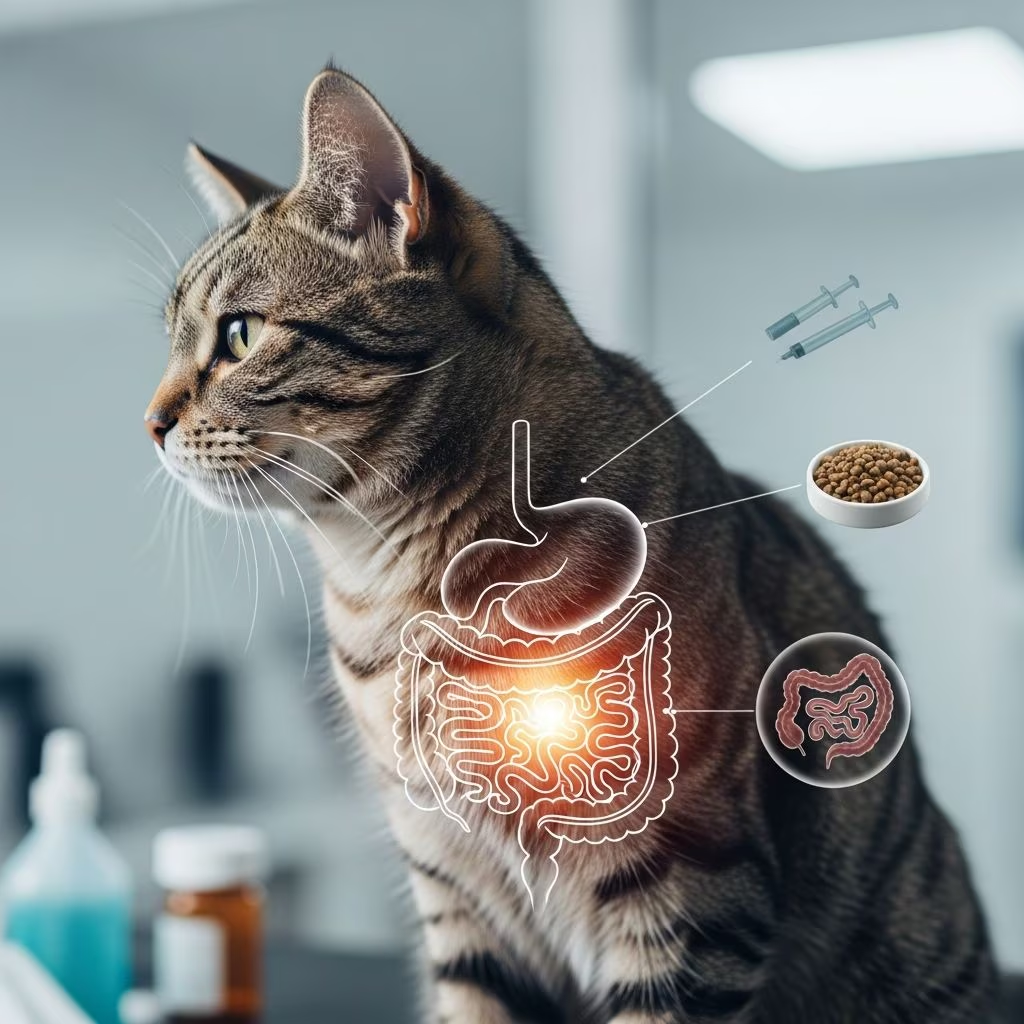
Understanding Inflammatory Bowel Disease in Cats
Inflammatory bowel disease (IBD) is a chronic condition that affects the gastrointestinal tract of cats, causing persistent inflammation of the stomach and intestines. This condition can significantly impact your cat’s quality of life, leading to nutritional deficiencies, weight loss, and chronic discomfort. Unlike acute gastroenteritis that comes and goes, IBD is a long-term condition requiring ongoing management and veterinary care. Understanding this disease, recognizing its symptoms, and knowing the available treatment options can help you provide better care for your feline companion.
What Causes Inflammatory Bowel Disease in Cats?
The exact cause of IBD in cats remains unclear in many cases, which is why veterinarians often classify it as “idiopathic” when no underlying cause can be identified. However, several factors may contribute to the development of IBD in cats:
- Allergic reactions to specific food ingredients
- Bacterial overgrowth or dysbiosis in the gastrointestinal tract
- Parasitic infections including intestinal worms and protozoans
- Genetic predisposition and immune system dysfunction
- Abnormal response to normal intestinal bacteria
- Food sensitivities and intolerances
Recent research suggests that an exaggerated or abnormal response to normal bacteria present in the upper small intestine may perpetuate IBD in affected cats. Additionally, some cats may have food allergies or sensitivities that trigger an inflammatory cascade in the digestive tract. Identifying and eliminating these triggers is crucial for successful management.
Clinical Signs and Symptoms of IBD in Cats
IBD can involve any part of the gastrointestinal tract, but it most commonly affects the stomach and intestines. The clinical signs your cat experiences depend on which areas of the GI tract are involved. Understanding these symptoms is essential for early detection and treatment.
When the Stomach is Affected
If inflammation involves the stomach or upper portions of the small intestine, chronic vomiting becomes the primary clinical sign. This is the most common symptom of IBD in cats. Your cat may vomit regularly, ranging from occasional incidents to multiple episodes daily. The vomit may contain food, liquid, or blood, depending on the severity of inflammation.
When the Intestines are Affected
If the intestines are primarily involved, particularly the colon, your cat will experience chronic diarrhea. This may be accompanied by blood or mucus in the stool. The diarrhea can range from mild to severe and may lead to dehydration and electrolyte imbalances if not properly managed.
Additional Clinical Signs
Cats with IBD may also experience:
- Loss of appetite and decreased food intake
- Progressive weight loss despite eating
- Lethargy and reduced activity levels
- Blood in vomit or stool
- Abdominal discomfort or pain
- Flatulence or audible stomach rumblings
- Changes in coat quality and appearance
It’s important to note that some cats may experience both vomiting and diarrhea simultaneously if multiple segments of the GI tract are inflamed. The severity and frequency of symptoms can vary significantly between individual cats and may fluctuate over time.
Diagnosing Inflammatory Bowel Disease
Diagnosing IBD requires a systematic approach to rule out other potential causes of gastrointestinal symptoms. Your veterinarian will typically follow these diagnostic steps:
Clinical History and Physical Examination
Your veterinarian will gather detailed information about your cat’s symptoms, including when they started, their frequency and severity, and any factors that seem to improve or worsen the signs. A thorough physical examination helps assess your cat’s overall health and nutritional status.
Laboratory Testing
Blood work and fecal analysis are commonly performed to identify underlying causes such as parasites, infections, or organ dysfunction. These tests help rule out other conditions before confirming an IBD diagnosis.
Diagnostic Imaging
Radiographs (X-rays) or ultrasound may be recommended to visualize the gastrointestinal tract and assess for structural abnormalities or foreign objects that could explain the symptoms.
Intestinal Biopsy
While not always necessary initially, intestinal biopsy remains the gold standard for confirming IBD. This procedure involves obtaining small tissue samples from the stomach or intestines during endoscopy, which are then examined microscopically for evidence of inflammatory changes. Biopsies help determine the type of IBD present, whether it’s lymphocytic-plasmacytic, eosinophilic, neutrophilic, or granulomatous.
Treatment Options for Feline IBD
The ideal approach to treating IBD involves identifying and addressing any underlying disease causing the inflammatory reaction. When an exact cause cannot be found—which is often the case with idiopathic IBD—treatment focuses on managing symptoms and controlling inflammation. Here are the primary treatment strategies:
Dietary Management
Diet plays a crucial role in managing IBD in cats. Dietary modification should typically be the first therapeutic approach attempted. Your veterinarian may recommend:
Hypoallergenic Diets: These diets contain novel protein sources or limited ingredients that your cat has never consumed before. Common choices include rabbit, duck, or venison-based formulations. The goal is to reduce allergic reactions and inflammatory responses triggered by food components.
High-Fiber Diets: Particularly effective for cats with colonic (colon-related) IBD, high-fiber diets can promote beneficial bacterial populations and improve stool consistency. Research shows that cats with colonic IBD treated with high-fiber diets often experience significant improvement or complete resolution of symptoms.
Low-Fat, Easily Digestible Diets: These formulations reduce the digestive burden on the inflamed gastrointestinal tract, allowing it to heal while receiving adequate nutrition.
Important Dietary Considerations: During any food trial, it’s critical to eliminate ALL other food sources, including table scraps, flavored medications, treats, and even toothpaste. Contamination from other foods can invalidate the trial and prevent you from identifying the problematic dietary component. Food trials typically require 4-12 weeks for full assessment, though some cats may require longer periods to show improvement.
Deworming
Broad-spectrum deworming is routinely recommended as part of IBD management, even if fecal tests appear negative. Parasitic infections can contribute to or exacerbate gastrointestinal inflammation, and removing these parasites may improve symptoms. Standard fecal examinations don’t always detect all parasites present in the gastrointestinal tract, making empirical deworming a reasonable preventive approach.
Medication Therapy
When dietary therapy alone is unsuccessful or impossible to implement, medications become necessary to suppress the inflammatory reaction. Several medication categories are used in IBD management:
Corticosteroids
Corticosteroids such as prednisolone, budesonide, and dexamethasone are generally the most effective medications for treating IBD in cats. These potent anti-inflammatory and immunosuppressive agents help reduce inflammation in the gastrointestinal tract. Cats typically receive corticosteroids orally, starting with a higher dose that is gradually reduced over several weeks. For cats unable to take oral medication or those with severe vomiting, injectable forms may be administered. While effective, long-term corticosteroid use requires careful monitoring for potential side effects.
Metronidazole
Metronidazole is an antibiotic with anti-inflammatory and antiprotozoal properties that helps calm the inflamed gastrointestinal tract. It’s often recommended as a first-line medical therapy alongside dietary modification. However, this medication has an unpleasant taste and can cause decreased appetite or vomiting during treatment in some cats. Despite these drawbacks, many cats tolerate metronidazole reasonably well.
Immunosuppressive Agents
If corticosteroids prove insufficient for controlling symptoms, more potent immunosuppressive drugs such as chlorambucil or azathioprine may be necessary. These medications suppress white blood cell, red blood cell, and platelet production in the bone marrow and require careful veterinary monitoring to watch for potential bone marrow suppression and other adverse effects.
Vitamin and Micronutrient Supplementation
Most cats with IBD cannot properly absorb vitamin B12 (cobalamin), an essential nutrient for proper cellular function and nerve health. Supplementation with vitamin B12 injections administered under the skin is commonly recommended to prevent deficiency-related complications. Additionally, folate supplementation may be beneficial for some cats, particularly those showing signs of deficiency.
Probiotics and Prebiotics
These supplements help restore and maintain a healthy gastrointestinal microflora. Probiotics are beneficial bacterial strains that promote GI health, while prebiotics are substances that nourish and encourage the growth of beneficial bacterial populations. These supplements may help reduce IBD symptoms by promoting a more balanced intestinal microbiome.
Anti-Vomiting Medication
For cats experiencing severe vomiting, additional medications like maropitant (Cerenia) may be prescribed. This medication works on the vomiting center of the brain to prevent nausea and vomiting, helping maintain hydration and nutritional status while other treatments take effect.
Symptomatic and Supportive Care
Beyond the primary treatments outlined above, supportive care is essential for cats experiencing acute exacerbations or severe symptoms:
- Fluid Therapy: Intravenous fluids help correct dehydration, electrolyte imbalances, and kidney function impairment.
- Nutritional Support: For cats not eating, assisted feeding with specialized diets helps maintain caloric intake and supports recovery.
- Monitoring: Regular veterinary check-ups and laboratory work help assess response to treatment and adjust therapy as needed.
Long-Term Management and Prognosis
Most cats with IBD can be successfully managed through a combination of dietary changes, supplements, B12 injections, medications, and sometimes advanced therapies such as acupuncture or fecal microbiota transplantation. However, it’s important to understand that IBD is typically a chronic condition requiring ongoing management.
Once your cat’s IBD is being managed and symptoms improve, unexpected relapses can occur. These may require adjustments to medications, dietary changes, or additional investigations to ensure continued appropriate care. Regular communication with your veterinarian and prompt attention to any recurring symptoms are essential for maintaining your cat’s quality of life.
Frequently Asked Questions About Feline IBD
Q: How long does it take to diagnose IBD in cats?
A: Diagnosis typically involves several weeks of investigation, including dietary trials and various tests. A definitive diagnosis may require intestinal biopsy, which can extend the timeline further.
Q: Can IBD in cats be cured?
A: While IBD cannot be cured, it can be effectively managed through the appropriate combination of diet, medications, and supplements. Most cats experience significant improvement or resolution of symptoms with proper treatment.
Q: How long do cats live with IBD?
A: With proper management, most cats with IBD have a normal life expectancy. The key is working closely with your veterinarian to develop an appropriate treatment plan and making adjustments as needed.
Q: Is IBD painful for cats?
A: Yes, IBD can cause abdominal discomfort and pain. Effective treatment helps alleviate this discomfort and improves your cat’s quality of life.
Q: Will my cat need medication forever?
A: Many cats require ongoing medication management, though some may eventually be controlled with diet alone. Your veterinarian can work with you to find the most effective long-term treatment plan.
Q: Can dietary changes alone treat IBD?
A: In some cases, particularly with colonic IBD, dietary changes alone may be sufficient. However, many cats with small intestinal IBD require a combination of dietary management and medications for optimal control.
References
- Feline Inflammatory Bowel Disease: A Review — National Center for Biotechnology Information (NCBI), National Institutes of Health. 2024. https://pmc.ncbi.nlm.nih.gov/articles/PMC10832802/
- Inflammatory Bowel Disease in Cats — Cornell Feline Health Center, Cornell University College of Veterinary Medicine. 2024. https://www.vet.cornell.edu/departments-centers-and-institutes/cornell-feline-health-center/health-information/feline-health-topics/inflammatory-bowel-disease
- Inflammatory Bowel Disease (IBD) in Cats: From Causes to Treatment — Long Beach Animal Hospital. 2024. https://lbah.com/feline/inflammatory-bowel-disease-in-cats/
- Inflammatory Bowel Disease Fact Sheet — Veterinary Specialists UK. 2024. https://www.vetspecialists.co.uk/fact-sheets-post/inflammatory-bowel-disease-fact-sheet/
- What is the Life Expectancy for Cats with IBD? — South Charlotte Veterinary Medical Center. 2024. https://www.sharonlakes.com/site/blog-south-charlotte-vet/2021/01/15/life-expectancy-ibd-cats



