
Inflammatory Airway Disease In Horses: Expert Management Guide
Understand the causes, symptoms, diagnosis, and effective treatments for Inflammatory Airway Disease (IAD) in horses to improve performance and well-being.
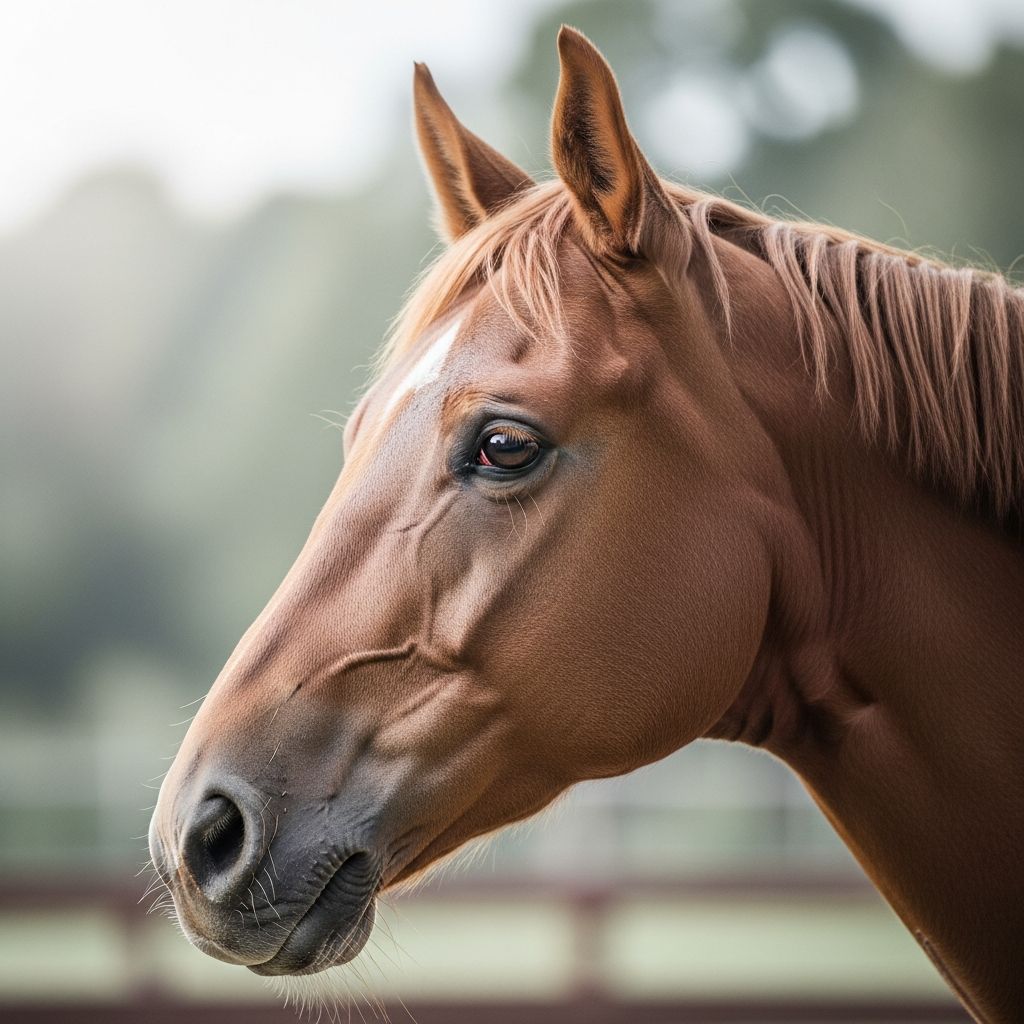
Inflammatory Airway Disease (IAD) represents a prevalent respiratory challenge among performance horses, characterized by airway inflammation and mucus accumulation that impairs athletic capabilities without severe resting respiratory distress.
Understanding the Respiratory Challenges in Equine Athletes
Horses rely on efficient lung function for high-intensity activities. IAD disrupts this by causing mild inflammation in the lower airways, leading to subtle yet performance-limiting issues. Unlike severe equine asthma, which involves bronchoconstriction and visible effort at rest, IAD primarily manifests during exertion.
This condition affects young to middle-aged horses in training or competition, with prevalence reaching up to 50% in athletic populations. Factors like poor stable ventilation and dusty feed contribute significantly, making environmental control crucial.
Primary Causes and Risk Factors
IAD arises from chronic exposure to airborne irritants that trigger immune responses in the airways. Common triggers include:
- Dust from hay, bedding, and arena surfaces
- Mold spores and fungal elements in forage
- Ammonia from urine-soaked stalls
- Pollens and outdoor allergens during training
Horses stabled indoors for extended periods face heightened risk, as stagnant air concentrates particulates. Intensive training regimens exacerbate susceptibility by increasing inhalation volumes of irritants.
Genetic predispositions may play a role, though environmental management remains the cornerstone of prevention. Young racehorses and show jumpers often present with bacterial-laden tracheal mucus, linking IAD to training intensity.
Recognizing the Signs: Symptoms During Work
Horses with IAD appear healthy at rest but falter under workload. Key indicators include:
- Intermittent coughing, especially post-exercise or during feeding
- Reduced stamina and exercise intolerance
- Slow recovery after intense efforts
- Excessive nasal discharge, often clear or mucoid
- Mild wheezing or prolonged exhalation during canters
Owners might notice subtle drops in speed or jumping form before overt signs emerge. Distinguishing IAD from severe asthma is vital: restful breathing remains normal in IAD cases.
Diagnostic Approaches for Accurate Identification
Veterinarians employ a multi-step process to confirm IAD and exclude infections or cardiac issues. Initial assessment involves:
- History review focusing on performance decline and environment
- Physical exam, including lung auscultation for subtle crackles
- Endoscopy to visualize tracheal mucus and inflammation
Advanced tests enhance precision:
| Test | Purpose | Findings in IAD |
|---|---|---|
| Tracheal wash cytology | Cell and bacteria analysis | High neutrophils, mucus, low bacteria |
| Bronchoalveolar lavage (BAL) | Lung fluid sampling | Increased mast cells >10%, mild eosinophils |
| Lung function tests | Airway reactivity measure | Exercise-induced obstruction |
These confirm inflammation without severe remodeling seen in chronic cases.
Environmental Management: The First Line of Defense
Reducing irritant exposure yields the most sustainable results. Practical changes include:
- Soaking or steaming hay to eliminate dust
- Using low-dust bedding like paper or hemp
- Maximizing turnout time in fresh air
- Improving barn ventilation with fans and open windows
- Avoiding arena sweeping during exercise
Many horses improve within 1-2 months of these adjustments alone, preventing progression to severe asthma.
Pharmacological Interventions for Symptom Relief
When management falls short, medications target inflammation and constriction. Core therapies:
- Corticosteroids: Reduce swelling. Systemic options (dexamethasone, prednisolone) act quickly but risk laminitis; inhaled forms (fluticasone, beclomethasone) minimize side effects via spacers.
- Bronchodilators: Relax airways pre-exercise (clenbuterol oral or inhaled). Efficacy in IAD is debated but aids mucus clearance.
- Omega-3 Supplements: Anti-inflammatory fatty acids accelerate recovery when paired with management.
Inhaled delivery using metered-dose inhalers (MDIs) or nebulizers ensures targeted action with fewer systemic risks. Administration takes practice but proves highly effective.
Long-Term Strategies and Prognosis
Prognosis excels with prompt intervention: most horses regain full athletic potential and experience rare relapses under maintained protocols. Chronic cases may require ongoing low-dose inhalers.
Monitoring involves periodic rechecks and performance tracking. Untreated IAD risks progression to irreversible lung changes.
Preventive Measures for High-Performance Herds
Proactive steps safeguard teams:
- Regular respiratory screenings in training programs
- Hay quality testing for mold
- Stall rotation for cleanliness
- Nutritional support with balanced omega-3s
Trainers integrating these reduce incidence dramatically.[10]
Frequently Asked Questions (FAQs)
What distinguishes IAD from heaves in horses?
IAD causes exercise-only issues without rest distress or heave lines; heaves (severe asthma) shows constant labored breathing.
How long until improvement after changes?
Environmental tweaks show effects in 4-8 weeks; medications hasten to days.
Are inhalers safe for competition horses?
Yes, many comply with regulations; consult FEI rules.
Can diet influence IAD?
Omega-3 enriched feeds reduce inflammation effectively.
Is IAD curable?
Manageable to remission in most; lifelong vigilance for some.
References
- Inflammatory Airway Disease (IAD) in Horses: Risk Factors, Triggers — Mad Barn. 2023. https://madbarn.com/inflammatory-airway-disease-in-horses/
- Inflammatory Airway Disease in Horses — VetSpecialists.com. 2020-04-13. https://www.vetspecialists.com/vet-blog-landing/animal-health-articles/2020/07/13/inflammatory-airway-disease-in-horses
- Inflammatory Airway Disease (IAD) in Horses — Vetster. 2024. https://vetster.com/en/conditions/horse/inflammatory-airway-disease-iad
- Heaves and Inflammatory Airway Disease in Horses — Kentucky Equine Research. 2023. https://ker.com/equinews/heaves-and-inflammatory-airway-disease-in-horses/
- Inflammatory Airway Disease in Horses — Merck Veterinary Manual. 2023. https://www.merckvetmanual.com/horse-owners/lung-and-airway-disorders-of-horses/inflammatory-airway-disease-in-horses
- Inflammatory Airway Disease of Horses—Revised Consensus — PMC (PubMed Central). 2016-06-01. https://pmc.ncbi.nlm.nih.gov/articles/PMC4913592/
Similar Articles








Read full bio of Sneha Tete


