
Inflammation of Vulva and Vagina in Livestock
Comprehensive guide to diagnosing, treating, and preventing vulvar and vaginal inflammation in cattle, horses, and other large animals for optimal herd health.
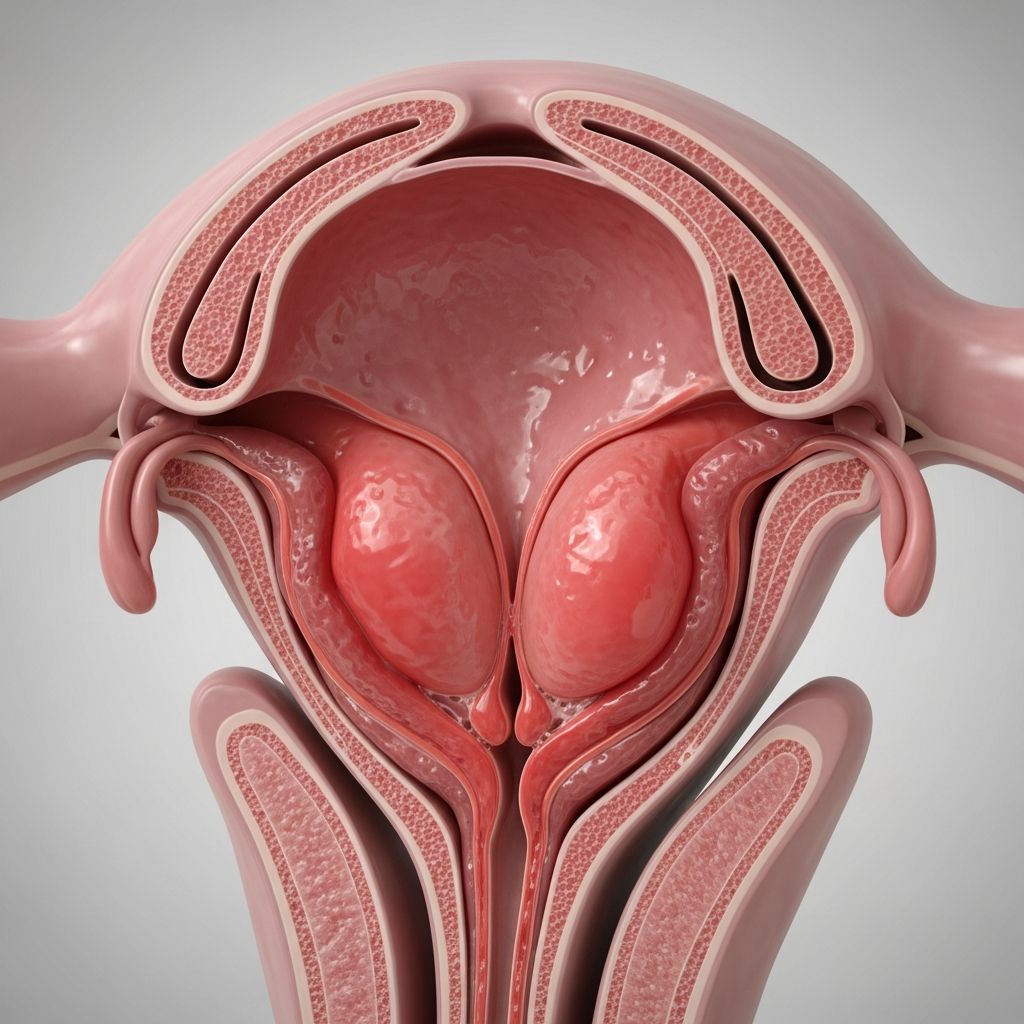
Inflamed conditions affecting the external genitalia and vaginal canal in large animals represent significant challenges in veterinary practice, particularly impacting reproductive efficiency in herds of cattle, horses, pigs, and sheep. These disorders, encompassing both vulvitis and vaginitis, arise from a spectrum of traumatic, infectious, and environmental factors. Prompt recognition and intervention are crucial to mitigate fertility losses and secondary complications like adhesions or chronic infections.
Understanding the Anatomy and Pathophysiology
The vulva serves as the external gateway to the reproductive tract, while the vagina provides a protective mucosal barrier. In large animals, these structures are robust yet vulnerable to mechanical stress during birthing or mating. Inflammation disrupts the mucosal integrity, leading to edema, discharge, and pain, which can deter normal behaviors like standing for service or grazing.
Pathophysiologically, initial irritation triggers hyperemia and leukocyte infiltration. If unresolved, this progresses to tissue necrosis or fibrosis, impairing fertility. Species-specific differences influence susceptibility: mares experience higher rates of post-foaling hematomas due to their pelvic conformation, whereas cows are prone to viral and bacterial assaults during communal housing.
Common Triggers in Postpartum Period
Parturition stands as a primary inciting event. Traumatic injuries, including contusions and hematomas, frequently occur in mares and sows as the fetus navigates the birth canal. These can rupture, causing life-threatening hemorrhage in swine, necessitating vascular ligation.
- Contusions: Bruising from prolonged labor leads to localized swelling and pain.
- Hematomas: Blood accumulation under the mucosa, prone to infection.
- Necrotic changes: Following dystocia, anaerobic bacteria proliferate, yielding foul discharges and systemic toxemia.
Symptoms emerge 1-4 days post-calving or foaling: arched posture, tail elevation, appetite loss, straining, and dysuria. Swelling extends perivulvarly, with serosanguinous exudate persisting 2-4 weeks if untreated.
Infectious Culprits in Cattle
Bovine populations face diverse pathogens. Bovine herpesvirus 1 (BHV-1) drives pustular vulvovaginitis, spreading via semen, nasal-genital contact, or flies. Cows exhibit tail-raising, pollakiuria, and white vestibular papules evolving to pustules, erosions, and mucopurulent flow—even in pregnancy without abortion. Histology reveals epithelial necrosis with inclusion bodies.
Epivag, noted in African regions, features acute vaginitis with creamy discharge, ascending to salpingitis and infertility. Etiology remains elusive despite exudate transmissibility.
| Condition | Agent | Key Features | Transmission |
|---|---|---|---|
| Pustular Vulvovaginitis | BHV-1 | Papules to ulcers, discharge | Breeding, insects |
| Epivag | Unknown | Red mucosa, thick discharge | Coital |
| Necrotic Vulvitis | Porphyromonas levii | Granulomatous ventral lesions | Outbreaks |
Necrotic vulvitis outbreaks center on the vulvar commissure, linked to Porphyromonas levii, a gram-negative anaerobe isolated from affected tissues. Lesions are deeply ulcerative, demanding aggressive debridement.
Granular and Catarrhal Forms
Vestibular follicles in cows signal nonspecific irritation, with lymphoid hyperplasia mimicking venereal disease. Experimental induction via irritants confirms reactivity rather than primacy.
Catarrhal vaginitis associates loosely with enteroviruses, though causality is unproven. In tuberculosis-endemic zones, mycobacterial seeding from infected sires causes primary vaginal granulomas.
Trauma from Mating and External Factors
Size mismatches in breeding—adult bulls on heifers or stallions on fillies—inflict vulvar tears and vaginal lacerations. Horned cattle exacerbate risks during mounting. Malicious injuries demand forensic evaluation.
Parasitic assaults, like Trypanosoma equiperdum in dourine, initiate with vulvar edema progressing to erosive vulvovaginitis. Dourine remains a reportable trade barrier in endemic areas.
Species-Specific Considerations
Cattle
High-density dairies amplify contagion. Granular vulvovaginitis ties to Histophilus somni or mycoplasma, pooling with urine as a predisposer.
Horses
Mares suffer chronic contamination from poor hygiene or caslicking failures, fostering bacterial overgrowth.
Swine and Sheep
Sows face hematoma ruptures; ewes, less documented but trauma-prone in extensive systems.
Diagnostic Approaches
Veterinary assessment integrates history, visual inspection, and cytology. Digital exams detect strictures; cultures quantify pathogens (3+ growth significant). Endoscopy visualizes deeper lesions; biopsies confirm viral inclusions or necrosis.
- Cytology: Neutrophils dominate bacterial cases; viral shows syncytia.
- PCR: Speeds BHV-1 detection.
- Serology: For trypanosomes.
Treatment Strategies
Medical primacy: systemic antimicrobials target clostridia prophylaxis, averting tetanus or myositis. Topicals cleanse and soothe; NSAIDs alleviate discomfort.
Surgical needs arise in hematomas (ligation), necrosis (debridement), or strictures (episiotomy). Supportive care includes fluids, laxatives for straining.
For BHV-1, isolate carriers; vaccinate herds. Necrotic cases with P. levii respond to metronidazole and penicillin.
Prevention and Herd Management
Minimize dystocia via nutritional parity and sire selection. Hygienic breeding sheds, fly control, and prompt wound care curb infections. Quarantine new stock; monitor for early signs.
| Measure | Target | Benefit |
|---|---|---|
| Assisted calvings | Trauma | Reduces hematomas |
| Vaccination | BHV-1 | Limits spread |
| Size-matched pairs | Coital injury | Prevents tears |
Potential Complications and Prognosis
Untreated cases yield perivaginal abscesses, adhesions, strictures, and infertility. Epivag salpingitis proves sterilizing. Prognosis excels with early action: 90% resolution medically.
FAQs
What are the first signs of vulvovaginitis in cows?
Raised tail, frequent urination, and mucopurulent discharge signal onset, often post-service or calving.
Can vaginitis affect pregnancy?
Yes, BHV-1 permits continuation but risks endometritis; monitor closely.
How to differentiate traumatic from infectious vulvitis?
Trauma shows bruising without pustules; cytology and culture distinguish.
Is surgery always required for hematomas?
No, most resolve conservatively; intervene if rupturing or infected.
What role do flies play?
Mechanical vectors for BHV-1, amplifying outbreaks in summer.
References
- Vulvitis and Vaginitis in Large Animals — Merck Veterinary Manual. 2023. https://www.merckvetmanual.com/reproductive-system/vulvitis-and-vaginitis-in-large-animals/vulvitis-and-vaginitis-in-large-animals
- Vulvitis and Vaginitis in Horses — MSD Veterinary Manual. 2023. https://www.msdvetmanual.com/horse-owners/reproductive-disorders-of-horses/vulvitis-and-vaginitis-in-horses
- Bovine Necrotic Vulvovaginitis Associated with Porphyromonas levii — PMC/NCBI. 2012-04-01. https://pmc.ncbi.nlm.nih.gov/articles/PMC3322791/
- Vulvovaginitis in Cows (Bovis) — Vetlexicon. 2024. https://www.vetlexicon.com/bovis/reproduction/articles/vulvovaginitis/
Similar Articles








Read full bio of Sneha Tete


