
Undefined Inflammation Mechanisms In Animals: Key Insights
Exploring the cellular, molecular, and systemic processes driving inflammation in veterinary patients for better diagnosis and management.
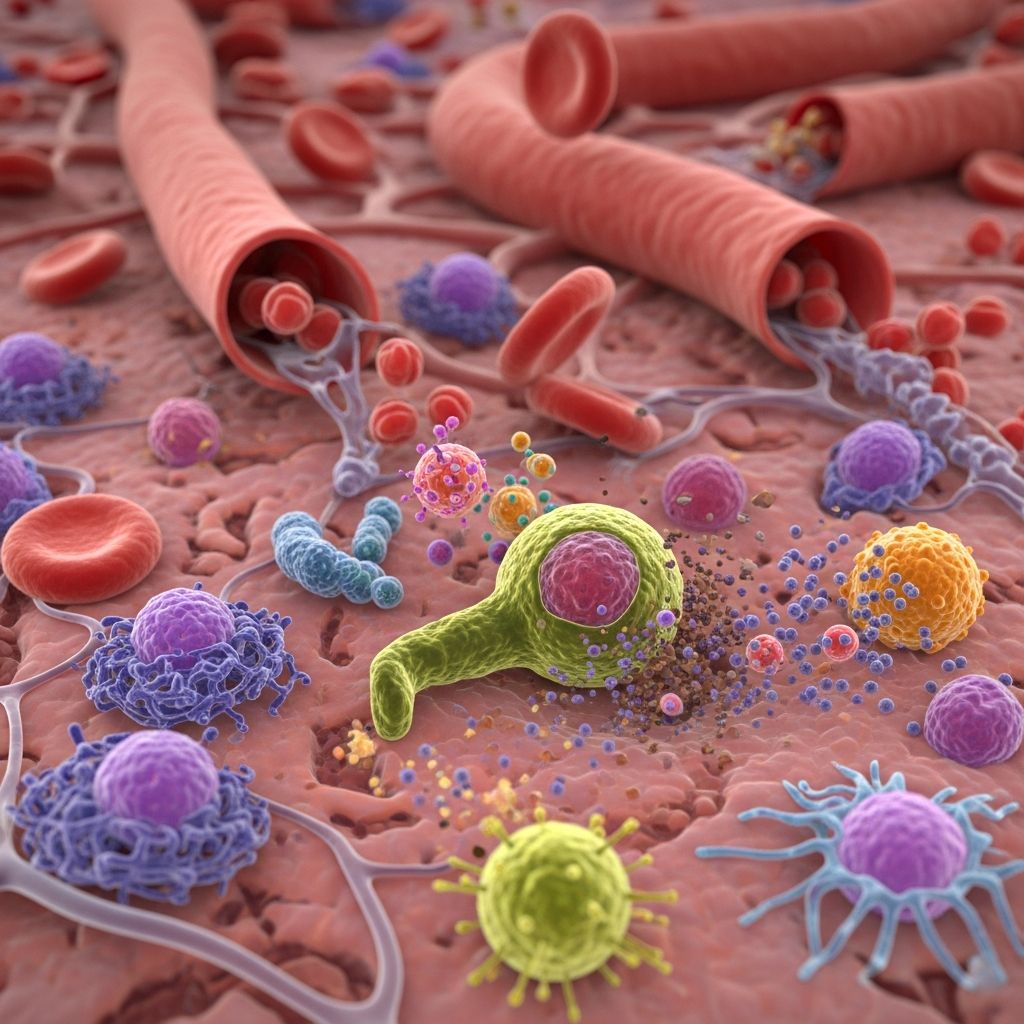
Inflammation represents a fundamental protective mechanism in animals, triggered by tissue damage or infection to initiate healing and combat pathogens. This response involves coordinated vascular, cellular, and molecular events that can escalate into systemic conditions if unchecked.
Triggers and Initial Detection of Harm
The inflammatory cascade begins when vascularized tissues encounter harmful stimuli such as physical trauma, chemicals, heat, ischemia, or microbial invaders. Damaged cells promptly release signaling molecules like histamine, bradykinin, and prostaglandins, which prompt blood vessels to become permeable, allowing fluid and proteins to enter affected areas. This early phase sets the stage for the classic signs of inflammation: localized heat, redness, swelling, pain, and impaired function.
In animals, these triggers often stem from infectious agents like bacteria or viruses, or non-infectious causes including toxins and environmental pollutants. Recognition occurs via pattern recognition receptors on immune cells, which detect pathogen-associated molecular patterns (PAMPs) or damage-associated molecular patterns (DAMPs) from injured tissues.
Vascular Alterations: The Gateway to Inflammation
Vascular changes are pivotal, starting with vasodilation that boosts blood flow to the site, causing erythema and warmth. Increased permeability follows, leading to exudate formation and edema as plasma proteins and fluid leak into tissues.
Endothelial cells undergo activation, expressing adhesion molecules that facilitate leukocyte attachment. This margination and rolling of white blood cells along vessel walls is mediated by selectins, followed by firm adhesion via integrins. Diapedesis then enables leukocytes to migrate through the endothelium into tissues, a process amplified by chemokines.
- Vasodilation: Mediated by nitric oxide and prostaglandins, increases local perfusion.
- Permeability rise: Histamine and leukotrienes create gaps in endothelial junctions.
- Leukocyte recruitment: Sequential steps ensure targeted immune cell delivery.
Key Cellular Players in the Response
Neutrophils arrive first as rapid responders, phagocytosing debris and pathogens while releasing antimicrobial granules. Their oxidative burst generates reactive oxygen species (ROS) to kill invaders but can harm host tissues if excessive.
Macrophages follow, orchestrating cleanup and signaling via cytokines. Lymphocytes, including T and B cells, join later for adaptive immunity. Mast cells degranulate early, releasing preformed mediators like heparin and proteases alongside newly synthesized ones.
| Cell Type | Primary Role | Key Products |
|---|---|---|
| Neutrophils | Phagocytosis, killing | ROS, enzymes, NETs |
| Macrophages | Antigen presentation, cytokine release | TNF-α, IL-1, IL-6 |
| Mast cells | Immediate response | Histamine, leukotrienes |
| Lymphocytes | Adaptive immunity | Antibodies, cytokines |
Molecular Mediators Driving the Process
Cytokines such as tumor necrosis factor-alpha (TNF-α), interleukin-1 (IL-1), and IL-6 amplify inflammation by recruiting cells and inducing fever. Prostaglandins and leukotrienes from arachidonic acid metabolism via cyclooxygenase (COX) and lipoxygenase pathways contribute to pain and vascular effects.
The complement system activates to opsonize pathogens and form membrane attack complexes. Kinins like bradykinin heighten pain and permeability. Platelet-activating factor (PAF) promotes platelet aggregation and vasoconstriction.
Lipid peroxidation plays a critical role, especially in systemic cases, where unsaturated fatty acids in membranes break down, generating peroxides that propagate damage and correlate with elevated C-reactive protein (CRP).
Shift from Acute to Persistent Inflammation
Acute inflammation typically resolves in days through anti-inflammatory signals like IL-10 and transforming growth factor-beta (TGF-β), which dampen pro-inflammatory cytokines and promote resolution. However, unresolved acute responses or repeated insults can lead to chronic inflammation, marked by persistent monocyte and lymphocyte infiltration, fibrosis, and tissue remodeling.
Chronic states damage healthy structures via ongoing ROS and protease activity, potentially causing scarring and organ dysfunction. In animals, this underlies conditions like arthritis or inflammatory bowel disease.
Systemic Ramifications: SIRS and Beyond
When inflammation generalizes, it manifests as systemic inflammatory response syndrome (SIRS), characterized by tachycardia, fever, leukocytosis, and organ hypoperfusion. Sepsis arises when infection drives SIRS, escalating to severe sepsis with hypotension and multi-organ failure.
Purine metabolism disruptions in septic animals increase hypoxanthine under hypoxia, fueling xanthine oxidase to produce more ROS and uric acid. Glutathione depletion impairs antioxidant defenses, worsening lipid peroxidation and CRP spikes. Hematological shifts include neutrophilia, monocytosis, and altered erythrocyte sedimentation rate (ESR).
- Cytokine storm: Overproduction leads to endothelial damage and coagulopathy.
- Microcirculatory failure: Heterogeneous flow causes tissue hypoxia.
- Coagulation imbalance: Initial hypercoagulability progresses to disseminated intravascular coagulation (DIC).
Biochemical Disruptions in Severe Cases
In surgical sepsis models in dogs, AMP and GMP catabolism rises, linked to hypoxia-induced adenosine breakdown. This acidifies tissues, boosting deaminase activity and peroxide formation. NADP-H2 shortages hinder glutathione regeneration, creating a vicious cycle of oxidative stress.
Hematocrit may rise while hemoglobin falls, reflecting hemoconcentration and anemia of inflammation. Lymphocyte increases signal adaptive responses amid neutrophilic dominance.
Resolution Pathways and Healing
Resolution involves phagocytosis of apoptotic neutrophils by macrophages, lipid mediator class switching to pro-resolving molecules like resolvins and protectins from omega-3 fatty acids. Tissue repair follows: angiogenesis, fibroblast proliferation, and extracellular matrix deposition.
Impaired resolution risks fibrosis. Veterinary interventions target mediators with NSAIDs, steroids, or antioxidants to restore balance.
Clinical Indicators and Monitoring
Key markers include CRP for acute phase response, ESR for fibrinogen levels, and complete blood counts showing leukogram shifts. In SIRS/sepsis, monitor lactate for hypoperfusion and coagulation profiles for DIC.
Frequently Asked Questions (FAQs)
What distinguishes acute from chronic inflammation in animals?
Acute is short-term (1-3 days) with neutrophil dominance and cardinal signs; chronic persists with mononuclear cells, leading to tissue remodeling.
How does sepsis differ from localized inflammation?
Sepsis involves systemic spread from infection, causing SIRS with organ dysfunction, unlike contained local responses.
Can lipid peroxidation be targeted in treatment?
Yes, antioxidants supporting glutathione may mitigate peroxide damage in systemic inflammation.
What role do cytokines play in animal inflammation?
They recruit cells, induce fever, and amplify responses; imbalance causes cytokine storm in severe cases.
Why monitor vascular changes in inflamed animals?
They drive edema, leukocyte delivery, and if systemic, contribute to shock and microcirculatory failure.
References
- Special aspects of systemic inflammation course in animals — PMC. 2019-08-01. https://pmc.ncbi.nlm.nih.gov/articles/PMC6702551/
- Systemic Inflammatory Response Syndrome and Sepsis, Part 1: Recognition and Diagnosis — Today’s Veterinary Practice. 2023. https://todaysveterinarypractice.com/emergency-medicine-critical-care/systemic-inflammatory-response-syndrome-sepsis-part-1-recognition-diagnosis/
- Pathogenesis Due to Inflammation — JSciMed Central. 2018. https://www.jscimedcentral.com/public/assets/articles/veterinarymedicine-8-1219.pdf
- Overview of Inflammation in Animals — MSD Veterinary Manual. 2023. https://www.msdvetmanual.com/pharmacology/inflammation/overview-of-inflammation-in-animals
- Inflammation — University of Pennsylvania School of Veterinary Medicine. 2023. https://www.vet.upenn.edu/academic-departments/biomedical-sciences/biomedical-sciences-research/inflammation/
Similar Articles








Read full bio of Sneha Tete


