

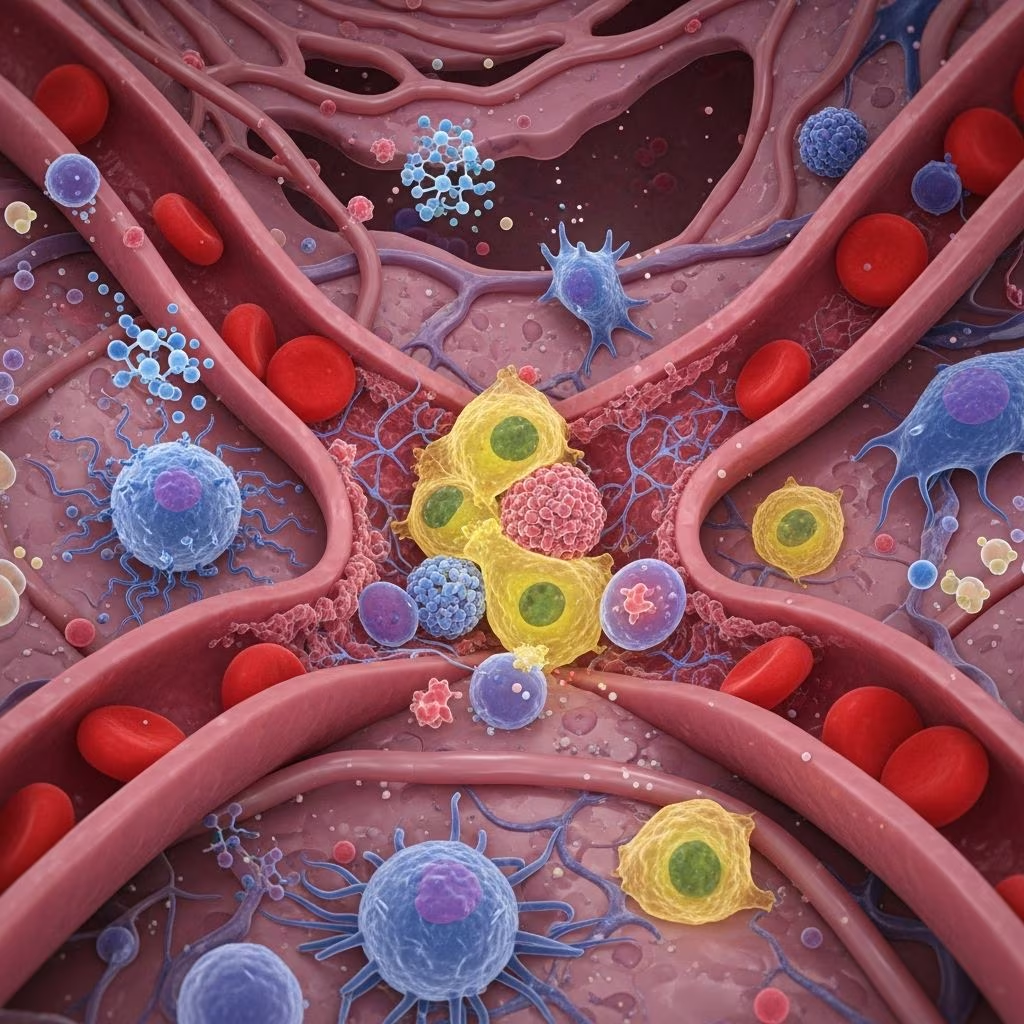
Inflammation serves as a fundamental defense mechanism in animals, activating when tissues face harm from infections, injuries, or other stressors. This response involves coordinated vascular, cellular, and molecular changes aimed at neutralizing threats and initiating repair.
The Protective Nature of Inflammatory Responses
At its core, inflammation protects vascularized tissues by isolating harmful agents and promoting healing. Triggers include physical trauma, chemicals, ischemia, pathogens, or immune reactions, leading to a sequence of inflammation, repair, and remodeling phases. In acute forms, it manifests as redness, heat, swelling, pain, and functional loss, effectively diluting irritants and mobilizing defenses.
This process ensures survival against daily environmental challenges, such as microbes or injuries, without which animals would succumb to unchecked damage. For instance, rapid immune activation targets threats precisely, resolving once the danger subsides.
Key Vascular and Exudative Changes
Inflammation begins with vascular alterations: arterioles dilate due to prostaglandins and other mediators, increasing blood flow and causing warmth and redness. Capillary permeability rises, allowing protein-rich exudate to leak into tissues, resulting in edema that dilutes toxins and delivers antibodies and phagocytes.
Fibrin in the exudate forms barriers against irritant spread and supports leukocyte migration, while plasma enzymes like complement and coagulation factors regulate the response. These changes create a microenvironment conducive to pathogen elimination and tissue cleanup.
Leukocyte Mobilization and Phagocytic Action
Leukocytes exit blood vessels through margination, adhesion, and emigration, guided by chemotactic signals. Neutrophils arrive first as aggressive phagocytes, engulfing microbes via oxygen-dependent mechanisms involving radicals like superoxide and enzymes such as myeloperoxidase.
- Neutrophils: Primary responders, forming pus and clearing debris.
- Eosinophils: Target parasites and allergens.
- Basophils and Mast Cells: Release histamine and heparin for vascular effects and hypersensitivity.
Agranulocytes like macrophages follow, sustaining the response and aiding repair.
Chemical Mediators Driving Inflammation
Diverse mediators orchestrate these events. Vasoactive amines (histamine, serotonin) from mast cells promote permeability. Lipid derivatives from arachidonic acid, platelet-activating factor, kinins like bradykinin, and cytokines amplify and direct the response.
| Mediator Type | Examples | Primary Effects |
|---|---|---|
| Vasoactive Amines | Histamine, Serotonin | Dilation, Permeability Increase |
| Plasma Proteases | Complement, Kinins | Chemoattraction, Opsonization |
| Lipid Mediators | Prostaglandins, PAF | Pain, Fever, Vasodilation |
| Cytokines | Interleukins, TNF | Systemic Response, Cell Recruitment |
These interact in cascades, with local and systemic impacts.
Distinct Types of Inflammatory Exudates
Exudate composition varies by cause and site:
- Serous: Clear fluid, seen in blisters or early responses.
- Fibrinous: Thick fibrin deposits on membranes, linked to bacteria like Clostridium or viruses.
- Catarrhal: Mucus-rich, affecting mucosae in respiratory or GI infections, with goblet cell hyperplasia.
- Suppurative: Pus-dominated, neutrophil-heavy in pyogenic infections.
- Hemorrhagic: Blood-mixed, from severe vessel damage.
Each type reflects specific pathological contexts, guiding diagnosis.
Shift to Chronic Inflammation
Persistent stimuli convert acute to chronic inflammation, featuring mononuclear cells like lymphocytes and macrophages, fibrosis, and angiogenesis. This state disrupts immunity, heightening infection and cancer risks. Free radicals damage mitochondria, perpetuating cycles.
Organ-Specific Consequences of Chronic Inflammation
Prolonged inflammation targets organs:
Cardiovascular Effects
Heart muscle cells suffer fibrosis from oxidative stress and mitochondrial harm.
Hepatic Impacts
Liver cells overproduce extracellular matrix, leading to fibrosis.
Renal Disorders
Oxidative stress and inflammation drive chronic kidney disease via fibrosis.
Gastrointestinal Complications
Linked to IBD, microbiome shifts, and cancers.
Oncogenic Risks
Weakened surveillance fosters mutations and tumor growth.
Normal flora overgrowth exacerbates issues in immunocompromised states.
Pathways to Tissue Repair and Resolution
Resolution involves clearing debris, fibroblast proliferation for granulation tissue, and collagen remodeling. Mast cells and mediators like PAF influence progression from inflammation to healing.
Veterinary Management Strategies
Control relies on identifying triggers and using anti-inflammatories judiciously to avoid impairing defenses. NSAIDs target prostaglandins, while corticosteroids suppress cytokines, but both risk side effects. Supportive care enhances natural resolution.
FAQs
What triggers inflammation in animals?
Injury, infections, ischemia, or immune reactions initiate vascularized tissue responses.
How does acute inflammation differ from chronic?
Acute is rapid and self-limiting with neutrophils; chronic persists with mononuclear cells and scarring.
Can inflammation lead to cancer in pets?
Yes, by impairing immunity and promoting mutations.
What role do mast cells play?
They release histamine and mediators near vessels.
How is inflammatory exudate beneficial?
It dilutes irritants, barriers spread, and delivers defenses.
References
- Chronic Inflammation: The Root Cause of Disease in Dogs and Cats — Animal Wellness Magazine. Accessed 2026. https://animalwellnessmagazine.com/chronic-inflammation-the-root-cause-of-disease-in-dogs-and-cats/
- Inflammation – Veterinary Pathology — Vet Mansoura. Accessed 2026. https://www.vetmansoura.com/archive/Pathology/inflammation/General4.html
- Inflammation and Healing — Veterian Key. Accessed 2026. https://veteriankey.com/inflammation-and-healing/
- Overview of Inflammation in Animals — Merck Veterinary Manual. Accessed 2026. https://www.merckvetmanual.com/pharmacology/inflammation/overview-of-inflammation-in-animals
- Inflammation — University of Pennsylvania School of Veterinary Medicine. Accessed 2026. https://www.vet.upenn.edu/academic-departments/biomedical-sciences/biomedical-sciences-research/inflammation/



