

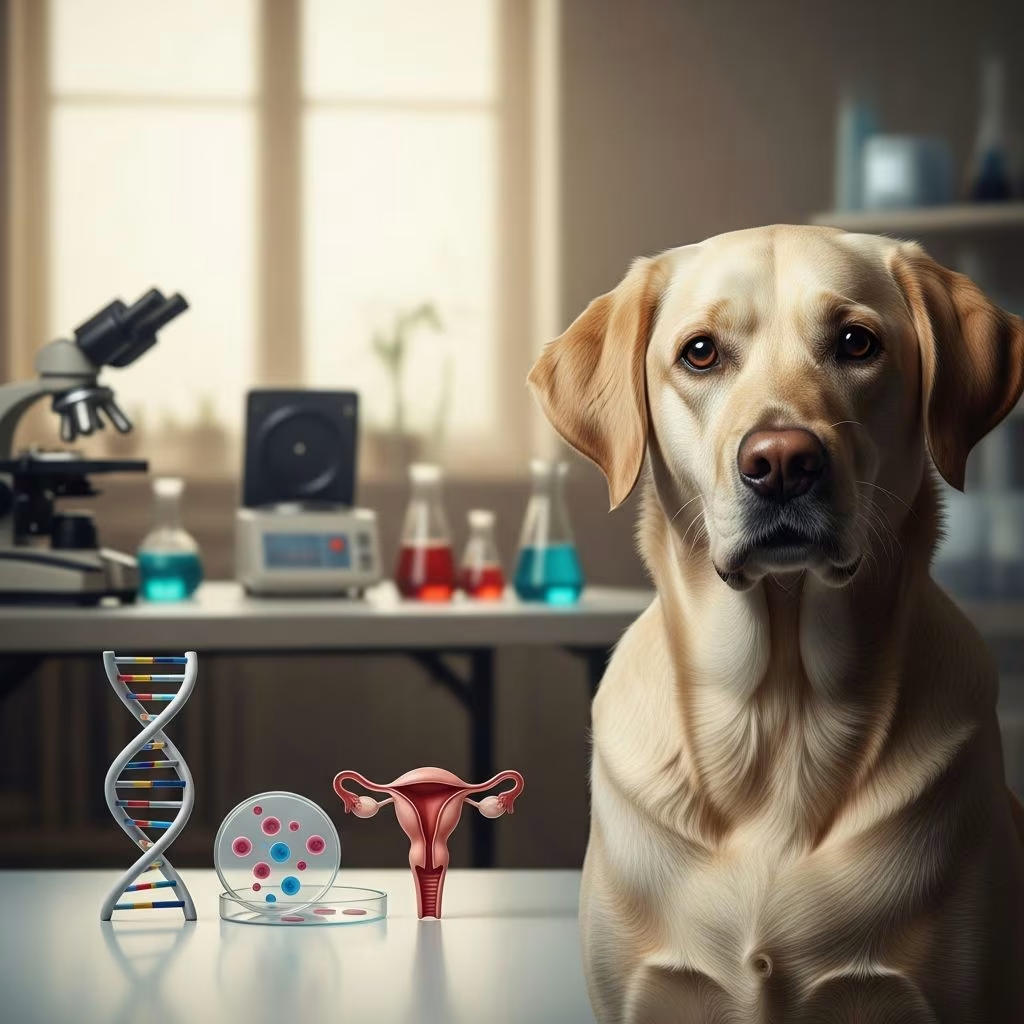
Understanding Infertility in Female Dogs
Infertility in female dogs is a condition that affects many breeding animals and can be caused by numerous factors. Understanding the underlying causes of infertility is essential for pet owners who wish to breed their dogs successfully. This condition may result from improper breeding management, hormonal imbalances, infections, anatomical abnormalities, or systemic diseases. When a female dog fails to conceive despite appropriate breeding attempts, it is important to consult with a veterinarian to determine the underlying cause and develop an appropriate treatment plan.
Common Causes of Infertility in Female Dogs
Infertility in female dogs can stem from a variety of causes, which veterinarians categorize into different types based on the underlying mechanism. The most common cause of infertility is related to improper breeding timing or technique, often referred to as poor husbandry management.
Failure to Cycle or Irregular Estrous Cycles
Some female dogs may fail to enter estrus (heat cycle) or experience irregular estrous cycles. This condition, known as persistent anestrus, can be caused by several factors. A variety of infections such as E. coli, brucellosis, and ureaplasmosis, along with metabolic diseases including renal failure, hypothyroidism, and Cushing’s disease, may cause systemic diseases that prevent normal cycling. Exposure to oral and topical steroids, hormonal imbalances, and ovarian tumors may also lead to persistent anestrus. Malnutrition, excessive physical activity, and medications that interfere with fertility can contribute to failure to cycle as well.
Irregular estrus cycling indicates that the ovaries are not functioning properly. In these cases, abnormal hormone levels are often responsible for a failure to trigger regular estrous cycles. Hormonal imbalances and genetic disorders may prevent normal estrous cycles from occurring. Some dogs experience a condition called silent heat, in which they do ovulate but the characteristic signs of being in heat, such as vulvar swelling and discharge, are not observed. Although rare, some dogs may also have an autoimmune disease that affects their ovaries and interferes with estrous cycling.
Hormonal Imbalances
Hormonal disorders are among the most common causes of infertility in female dogs. Hypothyroidism, the most prevalent hormonal disorder in dogs, can cause infertility and is characterized by insufficient thyroid hormone production. Dogs with hypothyroidism may experience irregular or absent heat cycles, reduced fertility, and poor litter survival. Other hormonal conditions, such as Cushing’s disease (hyperadrenocorticism) and diabetes mellitus, can also interfere with reproductive function and lead to infertility.
Infections and Reproductive Tract Disease
Infection or inflammation of the uterus may be associated with decreased fertility. Some degree of uterine inflammation, known as cystic endometrial hyperplasia, is observed in many female dogs over six years of age. Specific infections that may interfere with conception include brucellosis and canine herpesvirus. These infections can cause abortion, fetal resorption, neonatal death, or apparent infertility. Uterine polyps, which are benign growths in the uterus, may also interfere with conception. Additionally, any malignant tumors affecting the reproductive tract can prevent successful pregnancy.
Anatomical Abnormalities
Hereditary or acquired abnormalities of the reproductive tract may interfere with conception or implantation. These may include malformations of the uterus, vagina, or vulva. Fibrosis of the oviducts or uterine horns, often resulting from inflammation after infection or trauma, can lead to infertility. Obstructions in the reproductive tract may prevent sperm from reaching the egg or prevent the fertilized egg from implanting properly in the uterus.
Ovarian Cysts and Tumors
Ovarian cysts and tumors can significantly impact a female dog’s fertility. These abnormalities may produce excess hormones that disrupt normal reproductive function. Estrogen-producing ovarian cysts or functional ovarian tumors may cause prolonged estrus or other reproductive disturbances. When ovarian cysts or tumors are present, it is crucial that they be removed quickly to restore fertility and prevent complications such as cystic endometrial hyperplasia and secondary anemia.
Pregnancy Loss in Female Dogs
Even when a female dog successfully conceives, pregnancy loss can occur due to various factors. Imbalances in reproductive hormones may result in insufficient hormone levels to sustain a pregnancy. Other hormonal imbalances, such as those associated with diabetes and hypothyroidism, may affect reproductive hormone levels and result in pregnancy loss. The administration of certain drugs, particularly corticosteroids, may lead to fetal death. Some infections, including brucellosis, can also cause pregnancy loss.
Diagnostic Approaches for Female Dog Infertility
When a female dog fails to conceive, veterinarians employ various diagnostic techniques to identify the underlying cause. These diagnostic methods help determine whether infertility is due to timing issues, hormonal problems, infections, anatomical abnormalities, or other factors.
Hormone Testing and Progesterone Assays
Progesterone testing is one of the most important diagnostic tools for determining the optimal breeding time and identifying hormonal irregularities. Regular progesterone assays can help identify silent heat cycles in dogs where ovulation occurs without visible signs. Thyroid hormone testing (T4 levels) is essential for dogs suspected of having hypothyroidism, as this condition is a common cause of infertility.
Vaginal Cytology and Physical Examination
Vaginal smear investigations can provide information about the stage of the estrous cycle and help identify whether ovulation has occurred. Regular vaginal smear examinations showing an increasing number of cornified cells indicate rising progesterone levels consistent with ovulation. A thorough physical examination may reveal abnormalities of the vulva, vestibule, or vagina that could interfere with conception.
Reproductive Ultrasound
Ultrasound imaging can reveal structural abnormalities of the uterus and ovaries, including cysts, tumors, polyps, and inflammation. This imaging technique is valuable for assessing uterine health and detecting conditions such as cystic endometrial hyperplasia.
Additional Testing
Depending on the clinical presentation, veterinarians may recommend blood work to assess overall health and metabolic function, cultures to identify infectious agents, or other specialized tests to rule out systemic diseases that may contribute to infertility.
Treatment Options for Female Dog Infertility
The treatment of infertility in female dogs depends upon the results obtained from diagnostic testing and the underlying diagnosis. Treatment approaches vary widely based on the specific cause identified.
Hormonal Therapy
Medications can be used to induce estrus in dogs that are not cycling. The success of this technique is variable, but it can lead to successful breeding. Hormones that act directly on the ovaries or regulate their functions may be administered. Other hormonal treatments help maintain pregnancy once conception occurs. In cases of hypothyroidism, thyroid hormone replacement therapy will be administered to restore normal reproductive function.
Antibiotic Treatment
Infections in the reproductive tract require appropriate antibiotic therapy. The choice of antibiotic depends on the causative organism identified through culture and sensitivity testing. For younger dogs that will be bred in the future, intravenous fluids and prostaglandin therapy may be administered alongside antibiotics.
Surgical Interventions
Surgery may be necessary for certain conditions causing infertility. Possible surgical procedures include correction of vaginal abnormalities, repair of obstructed reproductive tracts, drainage of ovarian cysts, and removal of cancerous ovaries. When ovarian cysts or tumors are present, their surgical removal is important not only to restore fertility but also to prevent secondary complications. In cases of severe uterine disease or pyometra (uterine infection), removal of the ovaries and uterus (spaying) may be the recommended treatment, particularly if the animal is seriously ill or not intended for breeding.
Artificial Insemination
Artificial insemination may be an option that can be considered, depending on the underlying cause of infertility. This technique can be particularly useful in cases where anatomical abnormalities prevent natural mating or when male infertility is a contributing factor.
Management and Prevention Strategies
Proper breeding management is essential to prevent infertility-related issues. This includes maintaining optimal body condition through proper nutrition, avoiding excessive physical activity prior to breeding, minimizing environmental stress, and breeding at the appropriate time in the estrous cycle. Pet owners should work closely with their veterinarian to establish an appropriate breeding timeline based on progesterone testing and other diagnostic tools. Dogs intended for breeding should receive regular health screenings to identify and treat conditions such as hypothyroidism before they impact fertility.
Frequently Asked Questions
Q: What is the most common cause of infertility in female dogs?
A: The most common cause of infertility in female dogs is improper timing of breeding or poor breeding management. Veterinarians recommend progesterone testing to determine the optimal breeding window.
Q: Can hypothyroidism cause infertility in female dogs?
A: Yes, hypothyroidism is the most common hormonal disorder in dogs and can cause infertility. Affected females may have irregular or absent heat cycles, reduced fertility, and poor litter survival. Thyroid hormone replacement therapy can help restore reproductive function.
Q: What is silent heat in female dogs?
A: Silent heat occurs when a female dog ovulates but does not display characteristic signs of being in heat, such as vulvar swelling and discharge. This condition can be diagnosed through progesterone assays or weekly vaginal smear examinations.
Q: How are ovarian cysts and tumors treated?
A: Ovarian cysts and tumors typically require surgical removal. It is important to address these conditions quickly to restore fertility and prevent secondary complications such as cystic endometrial hyperplasia and anemia.
Q: What infections can cause infertility in female dogs?
A: Several infections can cause infertility, including brucellosis, canine herpesvirus, E. coli, and ureaplasmosis. These infections may cause abortion, fetal resorption, or apparent infertility and require appropriate antibiotic treatment.
Q: Can pregnancy loss be prevented in female dogs?
A: Pregnancy loss can be minimized by maintaining hormonal balance, treating underlying conditions such as hypothyroidism and diabetes, avoiding medications that may harm the fetus, and preventing infections through appropriate veterinary care.
References
- Infertility in Female Dogs — VCA Animal Hospitals. 2024-11-28. https://vcahospitals.com/know-your-pet/infertility-in-female-dogs
- Infertility in Dogs and Cats – Management and Nutrition — Merck Veterinary Manual. 2024. https://www.merckvetmanual.com/management-and-nutrition/management-of-reproduction-dogs-and-cats/infertility-in-dogs-and-cats
- Infertility in Dogs – Dog Owners — MSD Veterinary Manual. 2024. https://www.msdvetmanual.com/dog-owners/reproductive-disorders-of-dogs/infertility-in-dogs
- Common Reproductive Disorders of Female Dogs — Carrollton Animal Hospital. 2023-03-23. https://www.carrollcountyah.com/site/blog/2023/03/23/reproductive-disorders-female-dogs
- Infertility (Female) in Dogs – Symptoms, Causes, Diagnosis and Treatments — Wag Walking. 2024. https://wagwalking.com/condition/infertility-female



