

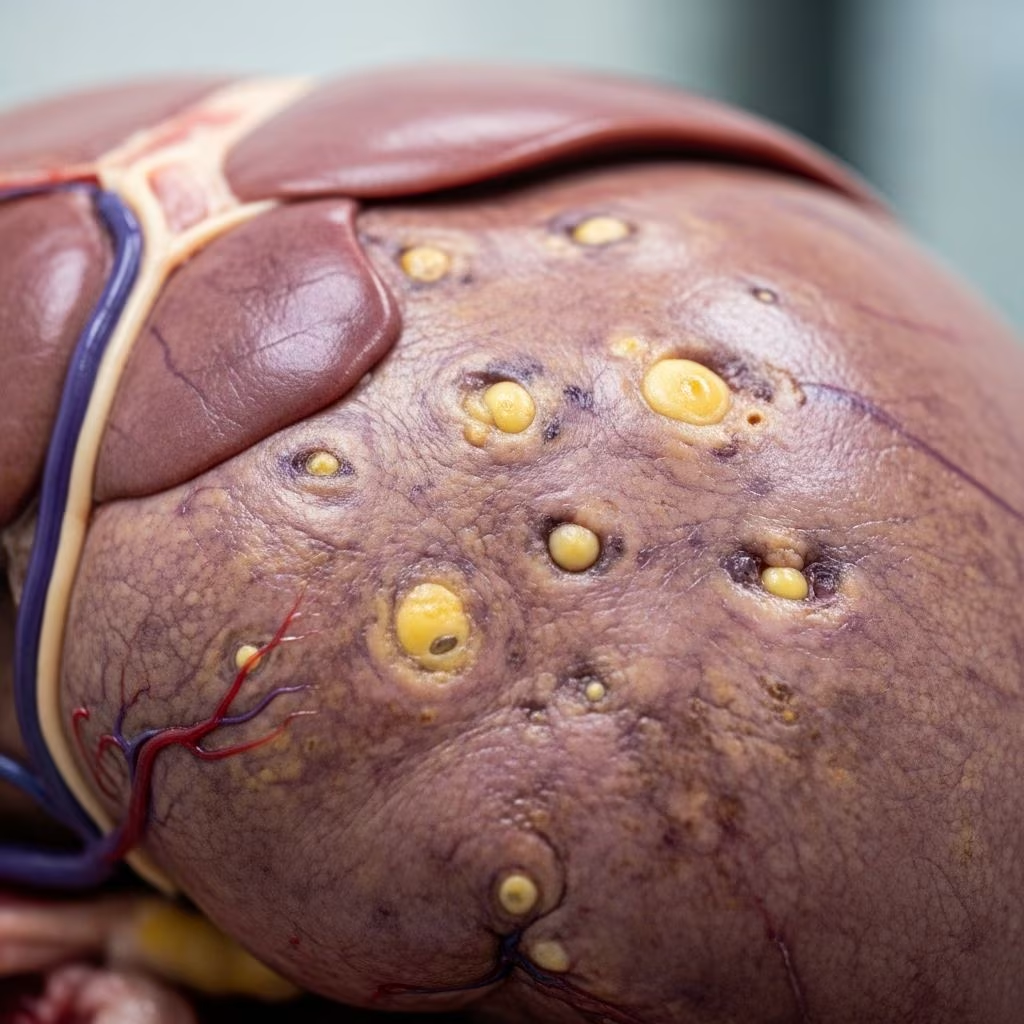
The liver plays a pivotal role in large animals such as cattle, sheep, horses, and pigs, handling detoxification, metabolism, and nutrient storage. When infections target this organ, they can lead to severe conditions like hepatitis or abscess formation, compromising animal health and farm economics. These diseases often stem from bacteria, viruses, parasites, or fluke migrations, resulting in inflammation, necrosis, or pus-filled lesions that impair liver function.
Understanding the Scope of Liver Infections in Livestock
Infectious processes in the liver of farm animals frequently arise from bacterial invasions via the bloodstream or gut, viral pathogens with organ tropism, or parasites that migrate through hepatic tissue. In ruminants like cattle and sheep, trueperella or corynebacteria can form abscesses, while horses face risks from clostridial toxins or viral agents. Early detection is crucial as chronic cases may progress to fibrosis, reducing regenerative capacity and leading to failure.
Symptoms vary by species and pathogen but commonly include lethargy, jaundice, weight loss, and abdominal discomfort. Elevated liver enzymes and bile acids in blood tests signal damage, often confirmed via ultrasound or biopsy. Supportive care, including fluids and anti-inflammatories, forms the initial response, tailored once the cause is identified.
Bacterial Culprits Behind Hepatic Abscesses
Bacteria are primary offenders in liver abscesses, particularly in ruminants. In cattle, Trueperella pyogenes (formerly Arcanobacterium pyogenes) enters via the rumen wall during grain overload or traumatic reticuloperitonitis, traveling hematogenously to form multilocular abscesses. These lesions, often walnut-sized, distort liver architecture and may rupture, causing peritonitis.
- Feedlot cattle are highly susceptible due to high-grain diets promoting rumen acidosis.
- Clinical signs: Ill thrift, reduced milk yield, or sudden death in advanced cases.
- **Diagnosis** involves necropsy findings of yellow, fibrous capsules around pus pockets.
Sheep and goats face Fusobacterium necrophorum infections, thriving in wet environments or foot rot scenarios. These lead to white-spotted livers, impacting carcass value at slaughter. Prevention hinges on balanced nutrition and hygiene.
Clostridial Necrotic Hepatitis: A Rapid Killer
Among bacterial threats, Clostridium novyi type B causes infectious necrotic hepatitis, mainly in sheep but occasionally cattle. This acute toxemia targets fluke-infested livers, where migrating Fasciola hepatica larvae create tracks for bacterial proliferation. Sudden deaths without prior signs characterize outbreaks in summer fluke seasons.
| Species | Predisposing Factor | Lethality |
|---|---|---|
| Sheep | Liver flukes | High (peracute) |
| Cattle | Occasional | Moderate |
| Horses | Rare | Variable |
Lesions appear as gray-yellow necrotic foci amid hemorrhage. Control combines flukicide treatments and clostridial vaccination.
Viral Pathogens Targeting Equine and Bovine Livers
Viral hepatitis in large animals is less common than bacterial forms but devastating when it occurs. Equine infectious anemia virus and herpesvirus-1 can induce hepatitis alongside systemic illness. In foals, adenovirus-like agents cause neonatal hepatitis, marked by icterus and high mortality.
Horses with pyrrolizidine alkaloid toxicosis may mimic viral patterns, but true viral cases involve endothelial damage and necrosis. Serology and PCR aid diagnosis, with vaccination preventing some strains in endemic areas.
Parasitic Invasions and Secondary Infections
Parasites like Fasciola hepatica and Dicrocoelium dendriticum provoke hepatitis by mechanical damage and immune responses. Juvenile flukes burrow through liver parenchyma, fostering bacterial superinfections like those from Trueperella. Immature flukes cause acute biliary damage, while adults lead to chronic fibrosis.
- **Biliary hyperplasia** and periportal fibrosis are hallmarks on histopathology.
- **Cattle and sheep** show weight loss, anemia, and hypoalbuminemia.
- **Diagnosis** uses fecal egg counts, serology, or ultrasound for pipe-stem tracts.
Treatment with triclabendazole targets all fluke stages, but pasture management reduces snail hosts.
Diagnostic Approaches for Liver Pathologies
Accurate diagnosis combines history, clinical exams, and lab tests. Hematology reveals neutrophilia in acute abscesses or lymphocytosis in viral cases. Biochemistry shows hyperglobulinemia in chronic infections and elevated gamma-GT for biliary issues.
Imaging like ultrasonography detects abscesses as hypoechoic masses with hyperechoic walls. Liver biopsy, via trochar or laparotomy, provides definitive histopathology, revealing suppurative inflammation or granulomas.
Advanced Testing Protocols
- Blood culture for bacteremia.
- PCR for viral genomes in tissue.
- Serology for fluke antibodies.
- Necropsy for confirmation in outbreaks.
These tools differentiate infectious from toxic or neoplastic diseases.
Treatment Strategies and Supportive Care
Management prioritizes the underlying cause while supporting liver regeneration. Antimicrobials like penicillin target Trueperella, administered long-term (4-6 weeks). Drainage of large abscesses via ultrasound guidance is feasible in valuable animals.
Supportive measures include:
- IV fluids with dextrose to combat hypoglycemia.
- Anti-ulcer drugs like omeprazole.
- Nutritional supplementation via tube feeding if anorexia persists.
- Sun protection for photosensitive jaundice cases.
For hepatic encephalopathy, lactulose and antibiotics reduce ammonia. Prognosis improves with minimal fibrosis.
Prevention: Vaccination, Nutrition, and Husbandry
Proactive strategies curb outbreaks. Clostridial vaccines protect against necrotic hepatitis in fluke-prone areas. Balanced rations prevent rumen acidosis in feedlots, reducing Trueperella entry.
Fluke control involves draining pastures, using molluscicides, and strategic deworming. Quarantine new stock and monitor for early signs via routine bloodwork.
Species-Specific Considerations
Cattle
Focus on feedlot hygiene; abscesses affect 10-30% of livers at slaughter, downgrading meat.
Sheep
Fluke-bacterial synergy demands integrated parasite management.
Horses
Viral risks higher in unvaccinated foals; monitor for colic-like symptoms.
Pigs
Melioidosis or streptococcal abscesses; biosecurity key in endemic zones.
FAQs
What causes most liver abscesses in cattle?
Primarily Trueperella pyogenes from rumen lesions due to high-grain diets.
Can liver infections be prevented with vaccines?
Yes, clostridial toxoid vaccines prevent necrotic forms in sheep.
Is surgery ever needed for hepatic abscesses?
Rarely, but ultrasound-guided drainage helps in select cases.
How do flukes contribute to bacterial hepatitis?
They create migration tracts for anaerobic bacteria entry.
What is the prognosis for chronic liver disease?
Guarded if fibrosis is advanced; early intervention boosts recovery.
References
- Infectious Hepatopathies in Dogs and Cats — PMC. 2020-03-15. https://pmc.ncbi.nlm.nih.gov/articles/PMC7104989/
- Overview of Hepatic Disease in Large Animals — Merck Veterinary Manual. 2023-01-01. https://www.merckvetmanual.com/digestive-system/hepatic-disease-in-large-animals/overview-of-hepatic-disease-in-large-animals
- Infectious Necrotic Hepatitis in Animals — MSD Veterinary Manual. 2024-05-20. https://www.msdvetmanual.com/infectious-diseases/clostridial-diseases/infectious-necrotic-hepatitis-in-animals
- Comparative Animal Models of Viral Hepatitis — Cornell University College of Veterinary Medicine. 2023-11-10. https://www.vet.cornell.edu/research/awards/comparative-animal-models-viral-hepatitis



