Infectious Diseases in Rabbits: Prevention and Treatment
Comprehensive guide to major infectious diseases affecting pet rabbits and their management.
Understanding Major Infectious Diseases in Pet Rabbits
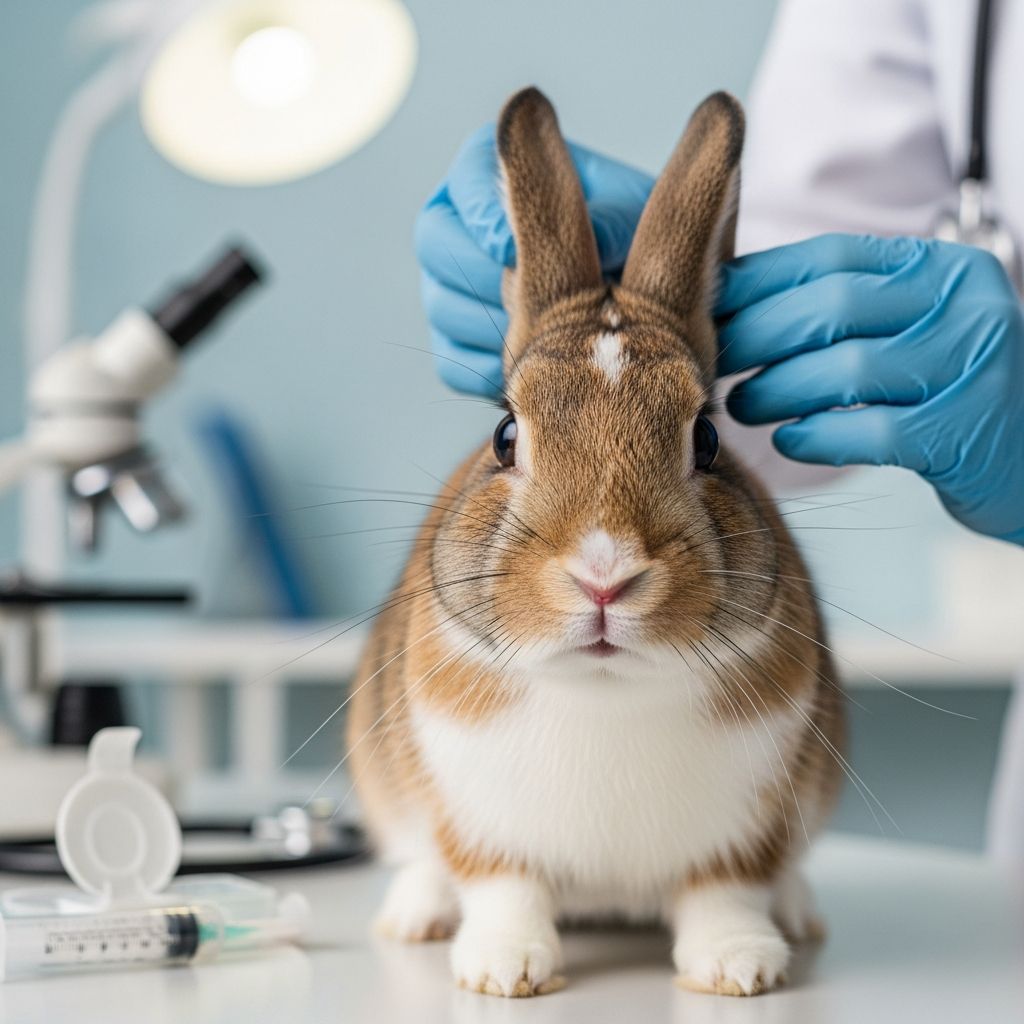
Rabbits are susceptible to several serious infectious diseases that can significantly impact their health and longevity. Understanding these diseases, their transmission methods, and available treatment options is essential for rabbit owners who want to provide the best possible care for their pets. There are four major infectious diseases commonly seen in pet rabbits: myxomatosis, rabbit hemorrhagic disease (RHD), encephalitozoonosis, and respiratory infections caused by Pasteurella multocida. These conditions vary in their severity, transmission routes, and prognosis, but all require prompt veterinary attention when symptoms appear.
Myxomatosis: A Viral Threat to Rabbits
Myxomatosis is caused by the myxoma virus, a member of the pox virus family that is widely distributed in the wild rabbit population. This disease presents a significant health risk to pet rabbits, even those kept exclusively indoors, as the virus can be transmitted through unexpected routes.
Transmission and Exposure Risk
The primary transmission method for myxomatosis involves arthropod vectors. The virus spreads through bites from mosquitoes, flies, fur mites, and fleas, meaning your rabbit can become infected even without direct contact with wild animals. Additionally, the disease can be acquired through injuries caused by contaminated thorns or thistles, or through direct contact with an infected rabbit. This diverse transmission pathway makes myxomatosis a concern for both indoor and outdoor rabbits in affected regions.
Clinical Signs and Disease Progression
Rabbits infected with myxomatosis typically develop noticeable symptoms that warrant immediate veterinary evaluation. Common clinical signs include swelling around the head, face, and ears, along with eye discharge and skin lesions. The progression of the disease varies, with death typically occurring 1-2 weeks after infection. However, some rabbits may survive the acute phase, with signs slowly regressing over approximately three months. The severity of symptoms and survival rates depend on various factors including the rabbit’s overall health status and immune system function.
Treatment Approaches
Because myxomatosis is a viral infection, there are no effective antiviral treatments once the rabbit is infected. Instead, management focuses on supportive care to help the rabbit’s immune system fight the infection. Treatment protocols typically include fluid therapy for hydration, syringe feeding to maintain nutrition, anti-inflammatory drugs to reduce swelling and discomfort, and pain relievers to manage suffering. Rabbits showing signs of myxomatosis should be seen by a veterinarian as soon as possible to maximize the chances of recovery.
Prevention Through Vaccination
Vaccination may provide temporary protection against myxomatosis, though notably, a vaccine is not available in the United States. In regions where vaccines are available, they are not recommended for pregnant animals or rabbits less than six weeks old. Occasionally, vaccinated rabbits may experience a local reaction at the injection site, though this is generally considered insignificant compared to the risk of lethal infection. Rabbits suspected of having myxomatosis should be quarantined as soon as possible to prevent transmission to other rabbits.
Rabbit Hemorrhagic Disease: A Highly Contagious Viral Infection
Rabbit hemorrhagic disease (RHD), also known as rabbit calicivirus (RCV) or viral hemorrhagic disease (VHD), is a highly contagious disease caused by a calicivirus. This disease is distributed almost worldwide and has become an increasingly significant concern in North America. As of 2023, the RHD virus has been identified in rabbit deaths across over 32 states in the United States, demonstrating the rapid spread of this serious pathogen.
Rapid Disease Progression
RHD is characterized by rapid disease progression and high mortality rates. The incubation period is relatively short at 3-5 days, and infected animals may die suddenly without any clinical signs or within 3-9 days after symptoms appear. This rapid progression necessitates quick action from rabbit owners who notice any changes in their pets’ behavior or health.
Clinical Symptoms and Presentation
The clinical signs of RHD infection include decreased to no appetite, fever, lethargy, and collapse. In severe cases, rabbits may experience convulsions, coma, difficulty breathing, or foaming at the mouth. The most significant and distinctive symptom is bloody discharge from the nose, mouth, rectum, or urogenital region. Some animals survive this acute phase but subsequently die a few weeks later from liver failure, indicating that surviving the initial infection does not guarantee long-term survival.
Vaccination and Prevention Strategies
Given the severe nature of RHD and the horrendous death experienced by affected rabbits, vaccination is strongly recommended for pet rabbits in areas where this disease is prevalent. Pet rabbits in areas where RHD is rampant should be vaccinated annually, or even as frequently as every six months. An RHDV vaccine has been available in Europe for several years and became available in the United States in 2022. These vaccines will not eradicate the disease but will significantly reduce the number of deaths. It is important to speak with your veterinarian about vaccine availability in your area and the risks and benefits of its use.
Isolation and Management Protocols
New rabbits should be isolated from other rabbits for 30 days to minimize the risk of RHD infection transmission. This quarantine period allows sufficient time to ensure that incoming rabbits are not incubating the virus and protects existing rabbits from potential exposure. During treatment of infected rabbits, management focuses on administration of anti-inflammatory and anti-parasitic drugs for several weeks, along with supportive care such as syringe feeding and motion sickness medication in cases where rolling occurs. However, it is important to note that there are currently no medications that are guaranteed to clear the infection, and many rabbits continue to show signs even after treatment.
Encephalitozoonosis: A Parasitic Challenge
Encephalitozoonosis is caused by the microsporidian parasite Encephalitozoon cuniculi and represents one of the two most common infectious diseases in indoor pet rabbits. This disease can affect multiple organ systems and create significant health challenges for infected rabbits.
Disease Manifestations and Neurological Effects
This parasitic infection commonly causes neurological signs in rabbits. Affected rabbits may display head tilting, rolling, loss of balance, and loss of bladder control. The severity of these neurological symptoms varies depending on the extent of parasitic infection and the rabbit’s immune status. Some rabbits may experience mild symptoms while others develop severe neurological dysfunction that significantly impacts their quality of life.
Treatment Protocols
Management of encephalitozoonosis involves administration of anti-inflammatory and anti-parasitic drugs for several weeks, along with comprehensive supportive care. This may include syringe feeding if the rabbit is unable to eat normally, and motion sickness medication in cases where rolling is prominent. However, it is crucial to understand that there are currently no medications that are guaranteed to clear the infection completely, and many rabbits continue to show signs even after appropriate treatment.
Zoonotic Considerations
Encephalitozoonosis has been described in a few human cases, though its significance is poorly understood. Very young, elderly, and immunocompromised people are most at risk from this zoonotic parasite. Individuals with poorly functioning immune systems should not have contact with infected rabbits to minimize the risk of accidental transmission.
Pasteurellosis: Bacterial Respiratory and Systemic Infection
Pasteurellosis, caused by the bacterium Pasteurella multocida, is a common cause of serious infections in rabbits and represents the fourth major infectious disease in pet rabbits. This bacterial organism is highly versatile and can cause multiple types of infections throughout the rabbit’s body.
Wide Range of Clinical Manifestations
Pasteurella multocida commonly causes abscesses, respiratory infections, and chronic inflammatory disease in rabbits. The bacteria can infect the nasolacrimal (tear) ducts, eyes, ears, and nose, and can create abscesses in tooth roots, bones (particularly the jaw), skin, tissues under the skin, and internal organs. This organism commonly causes an upper respiratory tract infection called snuffles, which occurs more frequently in young rabbits. Snuffles is characterized by nasal discharge and respiratory symptoms that can range from mild to severe.
Diagnosis and Management
Diagnosis of pasteurellosis typically requires bacterial culture and sensitivity testing to identify the specific infection and determine appropriate antibiotic treatment. Management depends on the type and location of the infection but often requires prolonged antibiotic therapy combined with supportive care measures such as fluid therapy, nutritional support, and pain management.
Coccidia: Microscopic Intestinal Parasites
Coccidia are microscopic intestinal parasites that particularly affect young rabbits and can cause serious gastrointestinal disease. Young rabbits often come to the veterinary office with diarrhea, and coccidia is the most common cause of diarrhea in baby rabbits. If treated with the wrong medication or not treated early in the disease, coccidia infection can be fatal.
Severity Factors and Risk Assessment
The severity of coccidia infection depends on the species of Eimeria involved, as well as the rabbit’s immune state, age, and environmental stresses. Healthy, mature rabbits housed in good environments may only be transiently affected, while young, immunocompromised rabbits kept in poor environmental conditions may succumb to the infection and die. This underscores the importance of maintaining clean environments and providing proper nutrition and stress reduction for young rabbits.
Treatment Considerations
Specific anti-coccidial drugs are necessary to treat coccidial infection in rabbits, and some forms of coccidia have become resistant to common anti-coccidia drugs used on dogs and cats. If your rabbit’s diarrhea progresses from moderate to severe in intensity, your veterinarian will likely need to hospitalize your rabbit to provide supportive care. Rabbits with coccidia that present with weight loss, weakness, and diarrhea have a poor chance of surviving the illness, making it vital that a rabbit-savvy veterinarian examines your rabbit when symptoms first appear.
Preventing Reinfection
Since rabbits are coprophagic (meaning they eat their own feces), they can reinfect themselves with coccidia. It is extremely important to clean your rabbit’s home environment diligently and meticulously to help eliminate coccidia cysts before they cause a reoccurrence of the intestinal infection. For successful treatment of coccidia, it is essential to follow your veterinarian’s directions very carefully.
Gastrointestinal Stasis: A Serious Digestive Emergency
Gastrointestinal (GI) stasis is the slowing of food passage in rabbits, often caused by the rabbit not eating due to underlying diseases, stress, or dietary imbalances involving too much carbohydrate and insufficient fiber. This condition can rapidly become life-threatening if not addressed promptly.
Diagnostic Approach
Your veterinarian will ask a series of questions about your rabbit’s signs and behavior, then perform a complete physical examination along with tests such as X-rays and bloodwork to evaluate your rabbit’s overall health. Rabbits with GI stasis often appear bloated and pass little to no stool. X-rays often reveal a gas-filled stomach and, in many cases, a gas-filled cecum (large intestine), which helps confirm the diagnosis.
Treatment Options
Once your veterinarian confirms GI stasis and determines the underlying cause, supportive treatment will be recommended. Depending on the rabbit’s condition, hospitalization may be necessary. Therapy for GI stasis may include:
- Fluid therapy for rehydration
- Nutritional support through syringe feeding if not eating
- Antibiotics if there is an underlying bacterial infection
- Pain relievers
- Anti-inflammatory medications to help with stomach pain
- Motility-modifying drugs to enhance movement of food through the stomach and intestines (only used when the rabbit can produce fecal material)
Bladder Sludge and Bladder Stones
Bladder sludge is a buildup of crystals in the bladder, while bladder stones are mineralized masses formed when crystals cement together. These urinary conditions can cause significant discomfort and urinary dysfunction in affected rabbits.
Treatment and Management
Rabbits with bladder sludge benefit from hospital treatment with subcutaneous or IV fluids to help dilute the urine in the bladder. In severe cases, the rabbit may need to be anesthetized and have a urinary catheter inserted into the urethra and advanced into the bladder to flush out the sludge. The underlying cause needs to be identified and corrected as well. If too many calcium-rich vegetables are being fed, they must be eliminated from the diet. If the rabbit is Encephalitozoon cuniculi positive, it must be treated as part of the comprehensive management plan.
Dental Disease in Pet Rabbits
Rabbits with dental problems require regular veterinary care to maintain oral health and prevent serious complications. Skull X-rays are highly recommended to assess the positioning of all the teeth and identify potential tooth root problems before they become severe. Dental disease in rabbits is a serious concern that can impact eating ability, nutrition, and overall health if left untreated.
Frequently Asked Questions About Rabbit Diseases
Q: Can myxomatosis spread to indoor rabbits?
A: Yes, myxomatosis can spread to indoor rabbits through mosquito bites, flies, fur mites, fleas, contaminated thorns, or thistles. Even rabbits that never come into direct contact with wild animals can become infected.
Q: Is there a cure for rabbit hemorrhagic disease?
A: There is no cure for RHD once a rabbit is infected. The disease is viral, so treatment focuses on supportive care. However, vaccination is available in the United States since 2022 and can prevent infection.
Q: How can I prevent coccidia in young rabbits?
A: Maintain excellent environmental cleanliness, provide proper nutrition, and minimize stress. Have your young rabbit examined regularly by a veterinarian, and seek treatment immediately if diarrhea develops.
Q: What is snuffles in rabbits?
A: Snuffles is an upper respiratory tract infection caused by Pasteurella multocida bacteria. It occurs more frequently in young rabbits and is characterized by nasal discharge and respiratory symptoms.
Q: How long should new rabbits be quarantined?
A: New rabbits should be isolated from other rabbits for 30 days to minimize the risk of transmitting infectious diseases like rabbit hemorrhagic disease.
Q: Can rabbits survive encephalitozoonosis?
A: While some rabbits can survive encephalitozoonosis with treatment, there is no cure that guarantees complete clearance of the parasite. Many rabbits continue to show neurological signs even after appropriate treatment.
Conclusion
Understanding the major infectious diseases affecting pet rabbits is crucial for any rabbit owner who wants to provide optimal care. While some diseases like myxomatosis and RHD are viral and therefore untreatable once infection occurs, vaccination and preventive measures can significantly reduce the risk of infection. Other conditions such as encephalitozoonosis, pasteurellosis, coccidia, and gastrointestinal stasis require prompt veterinary diagnosis and treatment to improve survival rates. Regular veterinary check-ups, proper environmental hygiene, appropriate nutrition, and stress reduction are essential components of keeping your pet rabbit healthy and preventing infectious disease. When any signs of illness appear, seeking immediate veterinary attention from a rabbit-savvy veterinarian can make the difference between successful treatment and serious complications.
References
- Infectious Diseases in Rabbits — VCA Animal Hospitals. 2024. https://vcahospitals.com/know-your-pet/rabbits-diseases
- Coccidia in Rabbits — VCA Animal Hospitals. 2024. https://vcahospitals.com/know-your-pet/coccidia-in-rabbits
- Gastrointestinal Stasis in Rabbits — VCA Animal Hospitals. 2024. https://vcahospitals.com/know-your-pet/gastrointestinal-stasis-in-rabbits
- Potential Rabbit Health Challenges — The Open Sanctuary Project. 2024. https://opensanctuary.org/potential-rabbit-health-challenges/
- Bladder Sludge and Bladder Stones in Rabbits and Guinea Pigs — VCA Animal Hospitals. 2024. https://vcahospitals.com/know-your-pet/bladder-sludge-and-bladder-stones-in-rabbits-and-guinea-pigs
- Health Problems in Rabbits — VCA Animal Hospitals. 2024. https://vcahospitals.com/know-your-pet/rabbits-problems
- Dental Disease in Rabbits — VCA Animal Hospitals. 2024. https://vcahospitals.com/know-your-pet/dental-disease-in-rabbits
Similar Articles








Read full bio of Sneha Tete