Common Infectious Diseases in Pet Rabbits
Learn about major infectious diseases affecting pet rabbits and how to protect your furry friend.
Pet rabbits are susceptible to various health conditions that can significantly impact their quality of life. Among the most serious are infectious diseases, which range from highly contagious viral infections to parasitic and bacterial conditions. Understanding these diseases, their symptoms, transmission methods, and available treatments is essential for any rabbit owner. This comprehensive guide covers the four major infectious diseases affecting pet rabbits and provides information on prevention, management, and veterinary care.
Overview of Major Infectious Diseases
Pet rabbits are affected by four primary infectious diseases that veterinarians commonly encounter in clinical practice. Two of these are particularly severe viral infections that are rarely seen in indoor pets but pose significant risks to outdoor or exposed animals. The other two are parasitic and bacterial infections that are more commonly found in indoor pet rabbits. All of these conditions require prompt veterinary attention and preventive measures to protect your rabbit’s health.
Disease Classification and Characteristics
The four major infectious diseases in pet rabbits can be categorized as follows: two viral diseases (myxomatosis and rabbit hemorrhagic disease), one parasitic disease (encephalitozoonosis), and one bacterial infection (respiratory infection caused by Pasteurella multocida). These diseases affect rabbits regardless of sex, and prevention strategies vary depending on the specific pathogen and your rabbit’s lifestyle.
Myxomatosis: A Serious Viral Disease
Myxomatosis is caused by the myxoma virus, a member of the pox virus family that is widely distributed in wild rabbit populations. This disease represents one of the most significant threats to outdoor and potentially exposed indoor rabbits, particularly in areas where wild rabbits are present.
Transmission and Infection Pathways
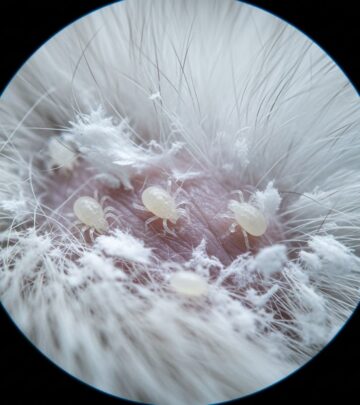
The myxoma virus spreads through bites from mosquitoes, flies, fur mites, and fleas, meaning your rabbit can contract the disease even without direct contact with wild animals. Additionally, myxomatosis can be acquired through injuries caused by contaminated thorns or thistles, or through direct contact with an infected rabbit. This multiple transmission route makes prevention challenging for rabbits with outdoor access.
Clinical Signs and Progression
Infected rabbits typically experience systemic symptoms that progressively worsen. Common signs include fever, lethargy, loss of appetite, and characteristic swelling of the face, ears, genitals, and anus. Rabbits may also develop skin lesions and exhibit respiratory symptoms. While some rabbits succumb to the infection within one to two weeks, occasionally animals survive, though signs regress slowly over approximately three months.
Treatment and Vaccination
When a rabbit shows signs of myxomatosis, immediate veterinary care is critical. Treatment involves supportive care including fluid administration, syringe feeding, anti-inflammatory drugs, and pain relievers. Unfortunately, vaccination is not available in the United States, though it has been used in other countries. When available internationally, vaccination may provide temporary protection but is not recommended for pregnant animals or rabbits less than six weeks old. Vaccinated rabbits occasionally experience local reactions at the injection site, which are insignificant compared to the risk of lethal infection. Any rabbit suspected of having myxomatosis should be immediately quarantined to prevent disease spread.
Rabbit Hemorrhagic Disease: A Highly Contagious Threat
Rabbit hemorrhagic disease (RHD), also called rabbit calicivirus (RCV) or viral hemorrhagic disease (VHD), is one of the most serious threats facing pet rabbits today. This highly contagious disease is distributed almost worldwide and has emerged as an increasing concern in the United States.
Geographic Distribution and Current Status
As of 2023, the RHD virus has been identified in rabbit deaths across more than 32 states in the United States, representing a significant expansion of this disease’s range. The disease’s rapid spread and high mortality rate make it a critical concern for rabbit owners in affected areas.
Disease Progression and Incubation
RHD has an incubation period of three to five days, during which infected rabbits may show no clinical signs. Infected animals may die suddenly without displaying any symptoms, or they may show clinical signs for three to nine days before death. This unpredictable progression makes early detection and prevention crucial.
Clinical Manifestations
Signs of RHD infection include decreased to no appetite, fever, lethargy, and collapse. Affected rabbits may experience convulsions and coma, difficulty breathing, or foaming at the mouth. The most significant and alarming symptom is bloody discharge from the nose, mouth, rectum, or urogenital region. Some animals survive this acute phase but subsequently die weeks later from liver failure, indicating the disease’s severe systemic impact.
Prevention Through Vaccination
Given the severe and often fatal nature of this disease, vaccination is strongly recommended for pet rabbits in areas where the disease is prevalent. An RHDV vaccine has been available in Europe for several years and became available in the United States in 2022. Pet rabbits in areas where this disease is rampant should be vaccinated annually or even as frequently as every six months. While vaccines will not eradicate the disease, they significantly reduce the number of deaths. Pet owners should consult with their veterinarian about vaccine availability in their area and the risks and benefits of its use. When introducing new rabbits, they should be isolated from other rabbits for 30 days to minimize the risk of infection.
Treatment Options
Unfortunately, treatment options for RHD are limited. Veterinarians may administer anti-inflammatory and anti-parasitic drugs for several weeks, along with supportive care such as syringe feeding and motion sickness medication in cases where rolling occurs. However, there are currently no medications that are guaranteed to clear the infection, and many rabbits continue to show signs even after treatment.
Encephalitozoonosis: A Parasitic Infection
Encephalitozoonosis is caused by the microsporidian parasite Encephalitozoon cuniculi and represents one of the most common infectious diseases in indoor pet rabbits. This intracellular parasite can affect multiple organ systems and cause chronic health problems.
Transmission and Environmental Factors
The parasite is transmitted through contaminated urine and can survive in the environment, making hygiene management essential for prevention and control. The severity of encephalitozoonosis infection depends on the rabbit’s immune state, age, and environmental stresses. Healthy, mature rabbits housed in good environments may only experience transient effects, while young, immunocompromised rabbits kept in poor conditions may develop severe disease.
Clinical Signs and Complications
Infected rabbits may display neurological symptoms, including head tilt or torticollis, loss of balance, and coordination problems. Some rabbits may show no obvious signs while others develop severe neurological dysfunction. Hind leg paralysis can also occur in severe cases.
Treatment Approach
Treatment involves administration of anti-inflammatory and anti-parasitic drugs for several weeks, along with supportive care such as syringe feeding and motion sickness medication in cases where rolling occurs. Unfortunately, there are currently no medications that are guaranteed to clear the infection, and many rabbits continue to show signs even after treatment.
Zoonotic Considerations
Encephalitozoonosis has been described in a few human cases, though its significance is poorly understood. Very young, elderly, and immunocompromised people are most at risk. Individuals with poorly functioning immune systems should avoid contact with infected rabbits to minimize health risks.
Pasteurellosis: Bacterial Respiratory Infection
Pasteurella multocida is a bacterial organism that commonly causes disease in rabbits, leading to various infections depending on the affected body system. This pathogen is particularly prevalent in indoor pet rabbits and causes one of the most common infectious conditions seen in veterinary practice.
Manifestations and Affected Systems
Pasteurella multocida commonly causes abscesses, respiratory infections, and chronic inflammatory disease. The bacteria can infect the nasolacrimal (tear) ducts, eyes, ears, and nose. It can also cause abscesses in tooth roots, bones (particularly the jaw), skin, tissues under the skin, and internal organs. The organism commonly causes an upper respiratory tract infection called snuffles, which occurs more frequently in young rabbits.
Understanding Snuffles
Snuffles is characterized by respiratory symptoms including nasal discharge, sneezing, and breathing difficulty. This condition can be particularly challenging to treat and may become chronic if not addressed promptly with appropriate antibiotic therapy. Young rabbits are especially susceptible to this condition, making early veterinary intervention important.
Treatment Considerations
Treatment of Pasteurella infections typically involves appropriate antibiotic therapy selected based on culture and sensitivity testing. Abscesses may require surgical drainage or removal, depending on their location and severity. Chronic infections may require extended antibiotic courses and ongoing veterinary monitoring.
Additional Common Rabbit Health Conditions
Beyond the four major infectious diseases, pet rabbits are susceptible to various other health problems that commonly require veterinary attention. Understanding these conditions helps owners recognize when professional care is needed.
Coccidia in Young Rabbits
Coccidia, caused by Eimeria species and other coccidial organisms, is the most common cause of diarrhea in baby rabbits. These microscopic intestinal parasites can invade the intestinal tract and progress to cause fatal liver infections. Young and recently weaned rabbits are particularly vulnerable. Diagnosis requires microscopic analysis of fecal samples, and specific anti-coccidial drugs are necessary for treatment. Prevention includes maintaining clean living environments and following veterinarian directions carefully during treatment.
Gastrointestinal Stasis
Gastrointestinal stasis occurs when the digestive system slows or stops functioning properly. Treatment includes fluid therapy for rehydration, nutritional support through syringe feeding if the rabbit isn’t eating, antibiotics if underlying bacterial infection is present, pain relievers, anti-inflammatory medications, and motility-modifying drugs to enhance food movement through the digestive system.
Dental Disease
Rabbits with dental problems require regular veterinary care. Skull X-rays are highly recommended to assess tooth positioning and identify potential problems before they become severe. Overgrown incisors are a common concern in pet rabbits.
Bladder Sludge and Stones
Rabbits that eat high-calcium, alfalfa-based diets or high-calcium vegetables are prone to developing bladder stones and sludge. Treatment may involve hospital care with subcutaneous or intravenous fluids to dilute urine, and in severe cases, anesthesia and urinary catheter insertion may be necessary to flush out accumulated sludge. Dietary management is crucial for preventing recurrence.
Frequently Asked Questions
Q: Can myxomatosis be treated?
A: While there is no cure for myxomatosis, supportive care including fluids, syringe feeding, anti-inflammatory drugs, and pain relievers can help some rabbits survive. However, the vaccine is not available in the United States, making prevention through minimizing exposure the best approach.
Q: How often should my rabbit be vaccinated against RHD?
A: Pet rabbits in areas where rabbit hemorrhagic disease is prevalent should be vaccinated annually, or even as frequently as every six months. Consult with your veterinarian about the appropriate vaccination schedule for your area.
Q: Is encephalitozoonosis contagious to humans?
A: While encephalitozoonosis has been described in a few human cases, its significance is poorly understood. Very young, elderly, and immunocompromised people are most at risk, and those with compromised immune systems should avoid contact with infected rabbits.
Q: How can I prevent my rabbit from getting these diseases?
A: Prevention strategies include keeping rabbits indoors to reduce exposure to vectors, ensuring appropriate vaccinations are current, maintaining clean living environments, providing proper diet and care, and isolating new rabbits for 30 days before introduction to existing rabbits.
Q: What should I do if I suspect my rabbit has an infectious disease?
A: Contact a rabbit-savvy veterinarian immediately. Early diagnosis and treatment can improve outcomes, and prompt action helps prevent disease spread to other animals.
References
- Infectious Diseases in Rabbits — VCA Animal Hospitals. 2024. https://vcahospitals.com/know-your-pet/rabbits-diseases
- Coccidia in Rabbits — VCA Animal Hospitals. 2024. https://vcahospitals.com/know-your-pet/coccidia-in-rabbits
- Health Problems in Rabbits — VCA Canada Animal Hospitals. 2024. https://vcahospitals.com/know-your-pet/rabbits-problems
- Gastrointestinal Stasis in Rabbits — VCA Animal Hospitals. 2024. https://vcahospitals.com/know-your-pet/gastrointestinal-stasis-in-rabbits
- Bladder Sludge and Bladder Stones in Rabbits and Guinea Pigs — VCA Animal Hospitals. 2024. https://vcahospitals.com/know-your-pet/bladder-sludge-and-bladder-stones-in-rabbits-and-guinea-pigs
- Dental Disease in Rabbits — VCA Animal Hospitals. 2024. https://vcahospitals.com/know-your-pet/dental-disease-in-rabbits
Similar Articles








Read full bio of medha deb