
Infectious Bursal Disease In Poultry: Prevention And Control
Comprehensive guide to understanding, preventing, and managing IBD in chickens for optimal flock health and productivity.
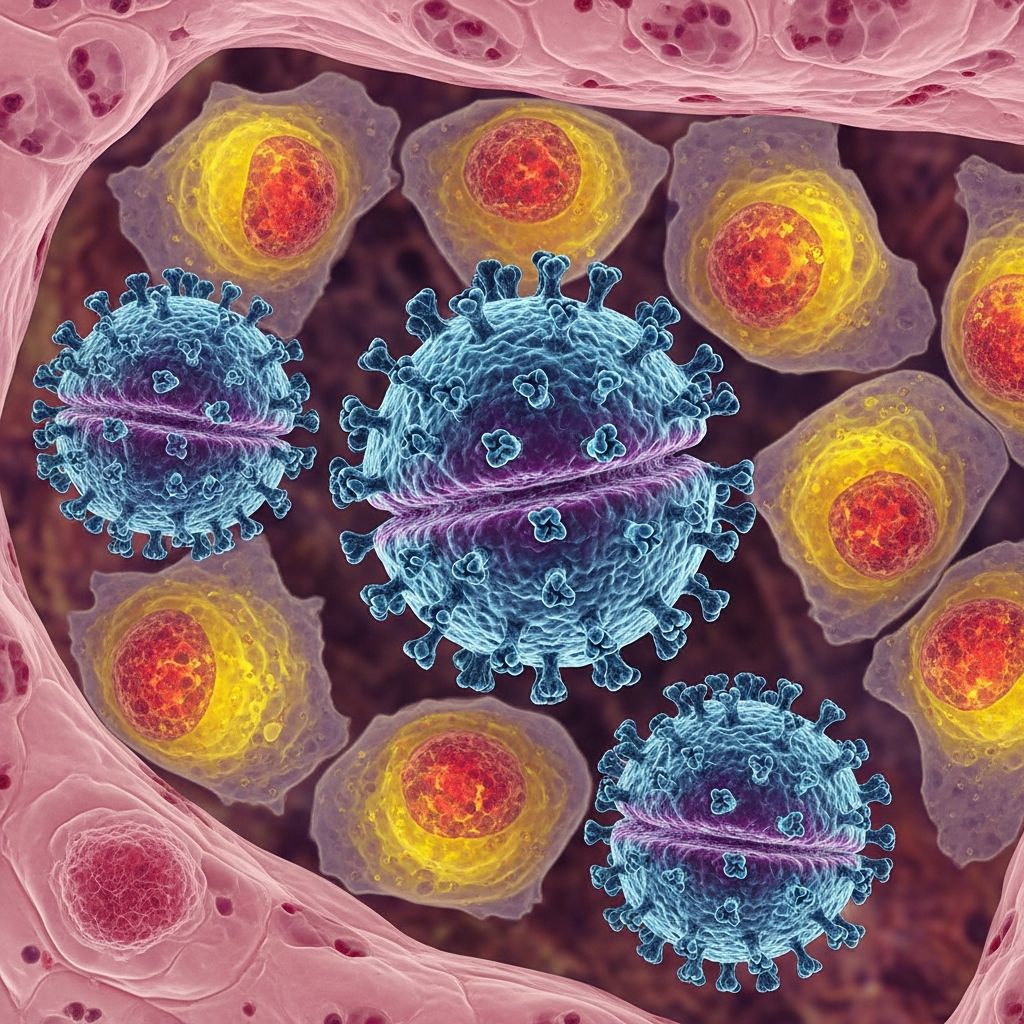
Infectious bursal disease (IBD), commonly referred to as Gumboro disease, represents one of the most significant viral threats to the global poultry industry. This highly contagious condition primarily affects young chickens, targeting their developing immune systems and leading to substantial economic repercussions through mortality, reduced growth rates, and heightened vulnerability to secondary infections.
The Viral Culprit Behind IBD
At the heart of IBD lies the infectious bursal disease virus (IBDV), a member of the Birnaviridae family characterized by its double-stranded RNA genome. IBDV exists in two main serotypes, but only serotype 1 is pathogenic to chickens, manifesting in various strains from mild classical types to devastating very virulent (vvIBDV) variants that have emerged worldwide.
These viruses exhibit remarkable environmental resilience, surviving for weeks in feces, water, and feed, and persisting for months in contaminated facilities. This durability facilitates rapid spread within flocks via oral-fecal routes, contaminated equipment, dust, and even personnel movement.
How IBDV Targets the Chicken Immune System
IBDV specifically invades the bursa of Fabricius, a unique lymphoid organ in birds responsible for B-cell maturation and antibody production. Young chickens aged 3 to 6 weeks, when bursal mass peaks due to proliferating B-lymphocytes, face the highest risk.
Upon ingestion, the virus replicates aggressively in bursal follicles, inducing necrosis, edema, and hemorrhage. This lymphocidal assault extends to other lymphoid tissues like gut-associated lymphoid tissue (GALT), spleen, and thymus, culminating in profound immunosuppression. Surviving birds remain vulnerable to opportunistic pathogens, complicating vaccination efficacy against diseases like Newcastle or infectious bronchitis.
- Key Pathogenic Stages: Initial viral entry via cloaca, rapid bursal replication (2-3 days), peak destruction by day 4, followed by atrophy and chronic immune deficits.
- Strain Variations: Classical strains cause moderate damage; vvIBDV triggers severe tissue hemorrhage and mortality up to 100% in susceptible flocks.
Recognizing Clinical Manifestations
IBD outbreaks strike suddenly after a 2-4 day incubation period, with morbidity often hitting 100%. Affected chicks display ruffled feathers, huddling, depression, watery or mucoid diarrhea, and vent pasting from urate-rich feces. Prostration, unsteady gait, and beak-to-floor sleeping are hallmark signs.
Mortality peaks between days 3-5 post-infection, ranging from 10-50% for standard strains to over 60% for vvIBDV, influenced by age, maternal antibodies, concurrent stressors, and flock immunity. Subclinical infections in birds under 3 weeks evade notice but silently erode immunity, amplifying long-term losses like poor vaccine response and secondary bacterial invasions.
| Age Group | Typical Presentation | Mortality Risk |
|---|---|---|
| <3 weeks | Subclinical, immunosuppression | Low (<5%) |
| 3-6 weeks | Acute clinical signs | 20-50% (classical), 50-100% (vv) |
| >6 weeks | Mild or resistant | Negligible |
Diagnostic Approaches for Confirmation
Diagnosis hinges on history, clinical signs, and targeted testing. Necropsy reveals swollen, gelatinous bursae transitioning to hemorrhagic, atrophied states; histopathology shows lymphocytic depletion and follicular necrosis.
Laboratory confirmation employs virus isolation in embryonated eggs or cell cultures, antigen detection via ELISA, PCR for viral RNA, or serology measuring antibody titers. Differential diagnoses include coccidiosis, necrotic enteritis, or pullorum disease, necessitating lab differentiation.
- Gross Lesions: Edematous bursa (early), petechiae/hemorrhage (acute), atrophy (recovery).
- Microscopic: Interfollicular edema, fibrinonecrotic exudate, B-cell apoptosis.
Economic Ramifications for Poultry Producers
IBD inflicts multifaceted losses: direct mortality, stunted growth (3-5 day weight gain delays), culls, and medication costs for secondary infections. Immunosuppressed flocks suffer vaccine failures, escalating outbreaks of colibacillosis, salmonellosis, or Marek’s disease.
Globally, IBD ranks among top poultry diseases, with vvIBDV incursions in Europe, Asia, Africa, and the Americas since the 1980s amplifying impacts. Enhanced biosecurity and vaccination have curbed classical strains, but evolving variants challenge ongoing control.
Proven Prevention and Control Measures
Vaccination forms the cornerstone of IBD management, deploying live attenuated, inactivated, or recombinant vaccines. Maternal antibodies via breeder immunization protect chicks early; intermediate vaccines suit 2-4 week olds, while mild strains target broilers.
Vaccination Protocols:
- Hatchery administration of HVT/IBD vector vaccines for day-old chicks.
- Field boosts at 14-21 days with intermediate-plus strains.
- Monitoring titers to time vaccinations amid maternal decay.
Biosecurity is paramount: all-in-all-out systems, footbaths, litter management, and vector exclusion minimize introduction. Depopulation and thorough disinfection eradicate premises contamination, given IBDV’s tenacity.
Management During Outbreaks
No specific antiviral treatments exist; supportives like electrolytes, vitamins, and probiotics mitigate dehydration and aid recovery. Isolate affected birds, enhance ventilation, and curb secondary invaders with judicious antibiotics. Post-outbreak, monitor seroconversion and vaccinate survivors appropriately.
Future Challenges and Research Directions
Antigenic drift from vaccine pressure fuels variant emergence, underscoring needs for broader-spectrum vaccines like subunit or DIVA (differentiating infected from vaccinated animals) platforms. Genomic surveillance tracks vvIBDV spread, informing global strategies.
Breeder selection for genetic resistance and precision farming tools for early detection promise further advances. Collaborative efforts by OIE and industry bodies emphasize notifiable status to safeguard trade.
Frequently Asked Questions (FAQs)
What is the most susceptible age for chickens to IBD?
Chickens aged 3-6 weeks, during peak bursal development, show the severest clinical disease and mortality.
Can older birds get IBD?
Birds over 8 weeks resist clinical signs unless vvIBDV strains are involved, though subclinical infection can occur.
How does IBD spread between farms?
Via contaminated litter, equipment, vehicles, personnel, or wild birds; the virus survives long in the environment.
Is there a treatment for IBD?
No curative treatment; focus on prevention, supportive care, and secondary infection control.
How effective are IBD vaccines?
Highly effective when timed correctly against maternal antibodies, reducing clinical disease and transmission.
References
- Infectious bursal disease – Wikipedia — Wikipedia Contributors. 2023-10-15. https://en.wikipedia.org/wiki/Infectious_bursal_disease
- Infectious bursal disease (or Gumboro) – Poultry Hub Australia — Poultry Hub. 2022-05-20. https://www.poultryhub.org/all-about-poultry/health-management/disease/infectious-bursal-disease-or-gumboro
- INFECTIOUS BURSAL DISEASE (GUMBORO) – The Poultry Site — The Poultry Site. 2021-11-10. https://www.thepoultrysite.com/publications/diseases-of-poultry/193/infectious-bursal-disease-gumboro
- Infectious bursal disease virus in chickens: prevalence, impact, and control strategies — PMC/NCBI. 2019-08-15. https://pmc.ncbi.nlm.nih.gov/articles/PMC6689097/
- Infectious Bursal Disease | Overview of Gumboro Disease in Chickens — Ceva Poultry. 2023-02-28. https://poultrycontent.ceva.com/infectious-bursal-disease
Similar Articles








Read full bio of Sneha Tete


