
Infectious Bronchitis In Chickens: Signs, Vaccines, Control
Comprehensive guide to understanding, preventing, and managing infectious bronchitis virus in poultry flocks worldwide.
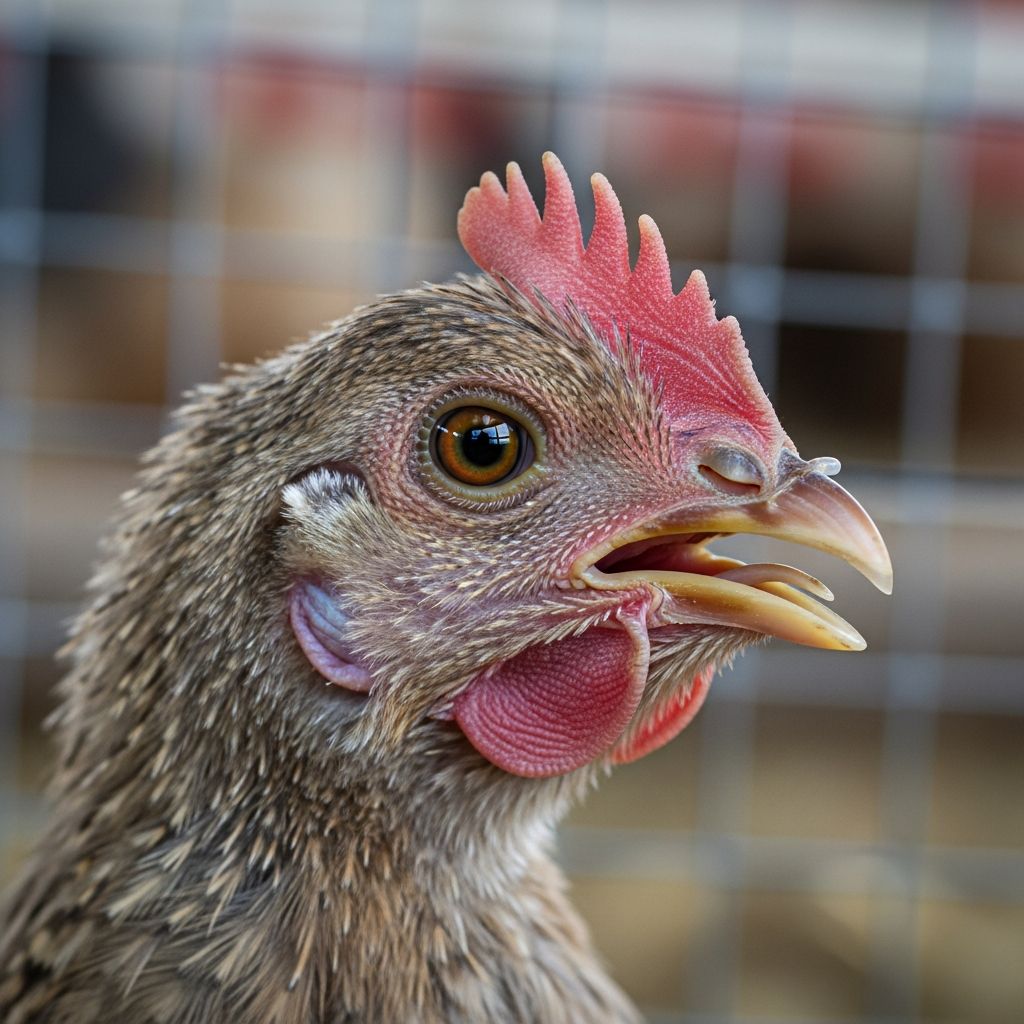
Infectious bronchitis (IB) stands as one of the most prevalent and economically damaging viral diseases affecting chicken flocks globally. Caused by the infectious bronchitis virus (IBV), a member of the coronavirus family, this acute infection primarily targets the respiratory system but can extend to the reproductive and urinary tracts. Chickens of all ages are vulnerable, with young birds often showing the most severe respiratory distress and layers experiencing sharp declines in egg output and quality. Rapid spread through aerosols, contaminated equipment, and direct contact makes swift intervention critical for minimizing losses.
The Nature of the Infectious Bronchitis Virus
IBV is an enveloped, single-stranded RNA virus characterized by distinctive spike proteins on its surface, which facilitate cell attachment and entry. These spikes contribute to the virus’s antigenic variability, resulting in numerous strains that differ regionally and challenge cross-protection efforts. The virus replicates primarily in epithelial cells of the trachea, lungs, and air sacs, leading to inflammation and excessive mucus production. Certain variants exhibit tropism for the kidneys or oviduct, amplifying disease severity. Transmission occurs via respiratory secretions during acute phases and feces during recovery, underscoring the need for rigorous biosecurity.
Recognizing Clinical Manifestations Across Age Groups
Symptoms emerge 18-48 hours post-exposure, with near-100% morbidity in affected flocks. Respiratory issues dominate, including gasping, coughing, sneezing, tracheal rales, and nasal discharge. In young chicks, depression manifests as huddling under heat lamps, reduced feed intake, and weight gain stagnation. These signs typically peak within 36-48 hours and resolve in 7-14 days if uncomplicated.
Laying hens face dual impacts: respiratory distress alongside a 50% or greater drop in production, coupled with poor shell quality, watery albumen, and misshapen eggs. Hatchability suffers due to oviduct damage in pullets. Nephropathogenic strains provoke kidney-specific signs like polydipsia, wet droppings, dehydration, and elevated mortality, particularly in 3-6 week olds.
- Respiratory: Gasping, rales, nasal/ocular discharge, conjunctivitis.
- Production-related: Egg drop, soft shells, reduced hatchability.
- Nephropathogenic: Scouring, ruffled feathers, lethargy, higher death rates.
Pathological Changes and Post-Mortem Findings
Gross lesions highlight upper respiratory involvement: serous or caseous exudates in nasal passages, sinuses, and trachea; hyperemic mucosa; and foamy air sac accumulations leading to thickening. Kidneys in nephropathogenic cases appear pale, swollen, and mottled. Secondary bacterial invasions, such as Escherichia coli or Mycoplasma gallisepticum, exacerbate airsacculitis and pneumonia, visible as cheesy bronchial plugs or vasculitis.
Microscopically, ciliary epithelial damage precedes regeneration, explaining prolonged shedding. Poor air quality or immunosuppression heightens lesion severity and mortality, often low (under 5%) in isolates but spiking with complications.
Diagnostic Approaches for Accurate Identification
Diagnosis combines clinical observation, necropsy, and lab confirmation due to symptom overlap with laryngotracheitis or coryza. Key steps include:
- History and Signs: Flock-wide onset, rapid spread, production drops.
- Post-Mortem: Tracheal mucus, air sac clouding, kidney pallor.
- Lab Tests: Virus isolation in embryonated eggs, RT-PCR for rapid detection, ELISA for antibodies, or strain typing via S1 gene sequencing.
Differentiating strains is vital for vaccination matching, as variants like Massachusetts or nephropathogenic types demand specific responses.
Prevention Strategies: Vaccination and Biosecurity
Control hinges on integrated measures. Live attenuated vaccines, administered via spray or drinking water, induce mucosal immunity but require strain-specific boosters. Inactivated vaccines suit layers for prolonged protection. Vaccination schedules start at day-old, with revaccinations at 10-14 days and pre-lay.
Biosecurity forms the backbone:
- All-in-all-out production to break cycles.
- Disinfection of equipment, footwear, and housing.
- Controlled visitor access and rodent/vector exclusion.
- Monitoring new stock via sentinel birds or serology.
| Age Group | Vaccine Type | Route | Frequency |
|---|---|---|---|
| Day-old chicks | Live Massachusetts | Spray/Water | Once |
| 2-3 weeks | Live variant | Spray | Booster |
| Layers (16+ weeks) | Inactivated | Injection | Pre-lay + annual |
Management During Outbreaks
Supportive care sustains flocks: ensure ventilation to curb ammonia, provide electrolytes in water, and isolate cases if feasible. Antibiotics target secondary bacteria but not IBV. Cull severely affected birds to limit spread. Post-outbreak, depopulate, clean thoroughly, and allow 2-4 week downtime before repopulating.
Economic Implications for Poultry Producers
IB erodes profitability through growth delays (5-10% in broilers), egg losses (up to 30% sustained drops), and culling. Global prevalence necessitates ongoing surveillance; variant emergence demands adaptive vaccination programs. Regional monitoring by bodies like USDA aids strain prediction.
Global Distribution and Emerging Variants
IBV infects chickens worldwide, with over 30 serotypes identified. QX-like nephropathogens dominate Asia, while ArkDIP strains prevail in the Americas. Climate and trade influence spread; surveillance tracks mutations in spike genes for vaccine updates.
Frequently Asked Questions (FAQs)
What causes infectious bronchitis in chickens?
It’s triggered by IBV, an avian coronavirus with strain variability affecting disease form.
How quickly does IB spread in a flock?
Morbidity reaches 100% within 36-48 hours via aerosols and contact.
Can IB be treated with antibiotics?
No, as it’s viral; antibiotics only manage secondary infections.
Is infectious bronchitis zoonotic?
No, IBV solely affects chickens, posing no human risk.
How effective are IB vaccines?
Highly effective against matched strains when combined with biosecurity, though variants require updates.
Future Directions in IBV Research
Ongoing studies focus on universal vaccines targeting conserved epitopes and rapid genotyping tools. Genomic sequencing enhances outbreak tracing, promising tailored interventions. Producers should engage extension services for local variant intel.
References
- Infectious Bronchitis Virus: Classical and Variant Strains — University of Florida IFAS Extension. 2023. https://ask.ifas.ufl.edu/publication/PS039
- Infectious Bronchitis in Chickens — Penn State Extension. 2022-10-16. https://extension.psu.edu/infectious-bronchitis-in-chickens
- Infectious bronchitis virus: an overview of the “chicken coronavirus” — PMC (NCBI). 2024. https://pmc.ncbi.nlm.nih.gov/articles/PMC11184965/
- Infectious Bronchitis in Chickens — Merck Veterinary Manual. 2023. https://www.merckvetmanual.com/poultry/infectious-bronchitis/infectious-bronchitis-in-chickens
- Infectious Bronchitis — Farm Health Online. 2023. https://www.farmhealthonline.com/US/disease-management/poultry-diseases/infectious-bronchitis/
Similar Articles








Read full bio of medha deb


