

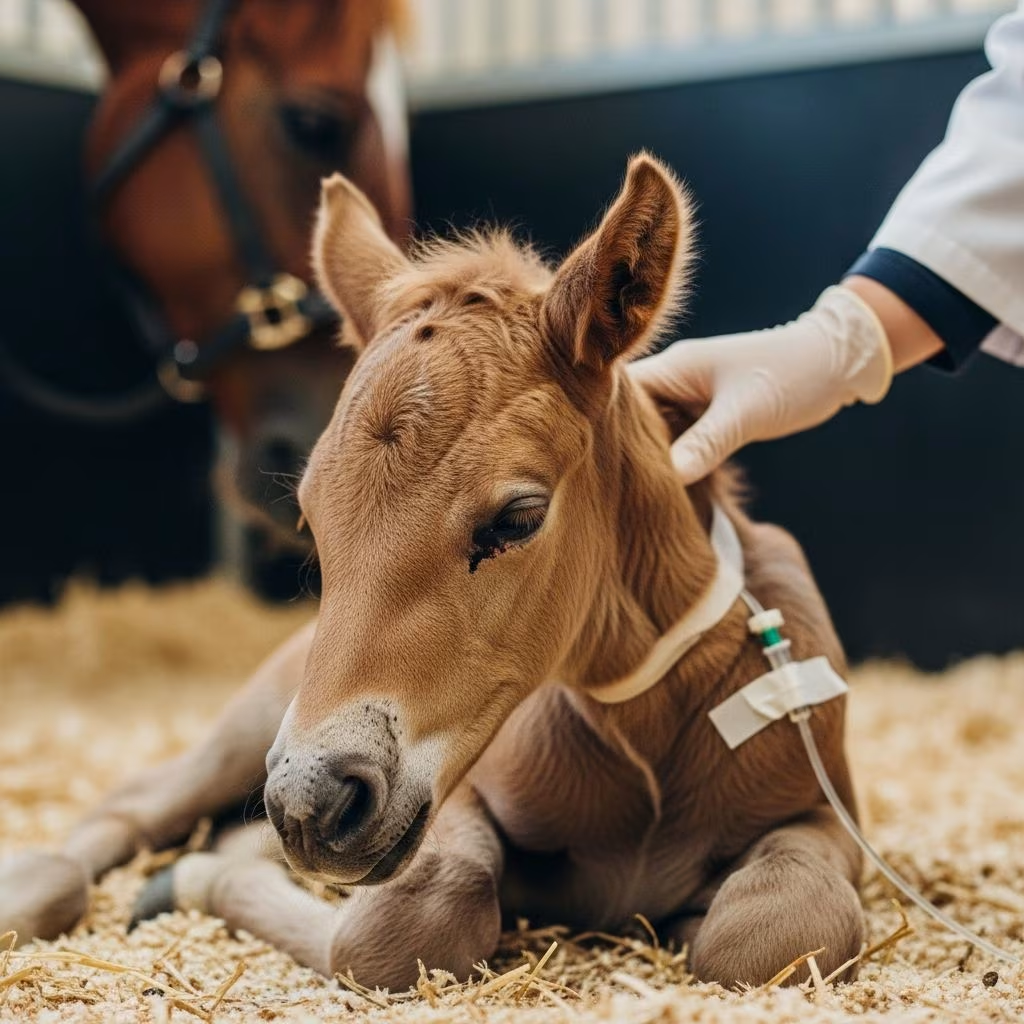
Infectious diseases represent a significant threat to newborn foals during their first weeks of life, with sepsis being the leading cause of mortality in neonatal equine populations. The vulnerability of young foals stems from their immature immune systems and their exposure to various pathogenic organisms in their environment. Understanding the mechanisms of infection, recognizing early clinical manifestations, and implementing timely therapeutic interventions are essential for improving survival rates and long-term health outcomes in affected animals.
Immunological Vulnerabilities in Newborn Foals
Newborn foals possess a fundamentally different immunological profile compared to adult horses, making them substantially more susceptible to bacterial and viral pathogens. Although foals demonstrate some capacity to mount immune responses to infectious agents while in the uterus, their ability to generate effective defenses remains significantly less developed than that of mature animals.
The cellular immune deficiencies in neonatal foals involve multiple components of the innate immune system. Neutrophils in young foals exhibit reduced chemotaxis and impaired bacterial killing capacity, limiting their effectiveness in controlling infection. Additionally, foals possess predominantly antigenically naive T cells that have not been previously exposed to common pathogens, preventing rapid and vigorous immune responses. The concentration and functional capacity of circulating monocytes are also diminished in neonates, further compromising the ability to contain infectious agents.
These immunological limitations collectively create a window of vulnerability during which foals struggle to combat infections that would be readily managed by older horses. This reality underscores the critical importance of passive immunity transfer through adequate colostrum consumption, as maternal antibodies provide essential protection during the period when the foal’s own immune system is maturing.
Pathophysiological Mechanisms of Septic Infection
Sepsis in foals develops through a progression of pathophysiological events triggered by bacterial invasion and the host’s inflammatory response. The condition is characterized by systemic inflammation that can ultimately lead to multi-organ dysfunction if not rapidly addressed.
Several key pathophysiological changes occur in septic foals:
- Hematologic abnormalities: Reduction in circulating neutrophil populations (neutropenia) often accompanies acute sepsis, paradoxically increasing disease severity despite the body’s attempt to mobilize immune cells. A pathological left shift occurs, with immature band neutrophils predominating over mature segmented forms. Cytological examination frequently reveals toxic changes in neutrophils, including granulation, vacuolization, and structural abnormalities characteristic of severe infection.
- Acute phase protein elevation: Fibrinogen concentration exceeding 600 mg/dL in foals less than 24 hours old strongly suggests intrauterine infection, as neonatal foals typically have lower baseline fibrinogen levels than adults. This elevation indicates an inflammatory response initiated before birth.
- Metabolic derangements: Inadequate renal perfusion from septic shock leads to elevated serum creatinine concentrations. In some cases, spurious hypercreatinemia may occur secondary to placental insufficiency or perinatal asphyxia. Hepatic dysfunction from endotoxin exposure causes hyperbilirubinemia, reflecting compromised liver function.
- Cardiovascular instability: Progressive vascular dysfunction and myocardial depression develop as inflammation intensifies, eventually progressing to septic shock with severe hypotension and tissue hypoxia.
Clinical Manifestations and Disease Presentation
The clinical presentation of sepsis in neonatal foals is highly variable, ranging from subtle and nonspecific signs that progress rapidly to overt signs of systemic illness. Early recognition requires vigilant observation, as initial manifestations may be easily overlooked by inexperienced caregivers.
Early clinical indicators include lethargy, reduced responsiveness to environmental stimuli, and weakness that may be subtle initially but progressively worsens. Affected foals often demonstrate poor suckling reflexes and diminished appetite, with milk frequently staining the muzzle as foals position themselves under the dam but fail to nurse effectively. Extended periods of recumbency, where foals remain lying down longer than normal, may be reported by observant attendants.
Progressive manifestations as sepsis advances include fever or conversely, hypothermia in severe cases, rapid heart rate (tachycardia), accelerated respiratory rate (tachypnea), and depression progressing to obtundation. Mucous membrane color often changes, appearing pale or muddy rather than the normal pink hue. Extremities become cold to the touch as peripheral circulation fails, and foals may develop cyanosis—a bluish discoloration of tissues—indicating severe hypoxemia. Gastrointestinal dysfunction manifests as diarrhea or, conversely, ileus with severe abdominal distension in cases involving peritonitis.
Mechanisms of Bacterial Infection in Neonatal Populations
Multiple routes of bacterial entry and infection mechanisms exist in newborn foals, reflecting their unique physiological status and environmental exposures during the perinatal period.
Intrauterine infection can occur through ascending bacterial invasion of the amniotic fluid or through hematogenous dissemination across the placenta. Foals delivered from mares with placentitis demonstrate significantly elevated risk for neonatal sepsis. The presence of elevated fibrinogen within 24 hours of birth indicates that inflammatory processes were initiated before delivery.
Environmental contamination during and immediately after birth provides numerous opportunities for bacterial exposure. Foals ingesting contaminated colostrum, environmental bacteria through the oral cavity, or organisms present in their birthing environment rapidly acquire pathogenic organisms. The umbilical stump, until properly healed and sealed, represents a direct pathway for bacterial entry into the bloodstream.
Secondary infections develop during the course of systemic sepsis through hematogenous spread to multiple organ systems. Foals may acquire localized infections in the joints (septic arthritis), pleural space (pleuritis), peritoneal cavity (peritonitis), or lungs (pneumonia) as a result of bacteremia from the initial infection focus. Aspiration pneumonia may develop secondary to the foal’s general weakness and diminished swallowing competency.
Diagnostic Approaches and Laboratory Assessment
Confirming sepsis in neonatal foals requires integration of clinical findings with objective laboratory and imaging data, as clinical signs alone lack diagnostic specificity.
Hematologic evaluation provides crucial diagnostic information. Complete blood counts typically reveal leukopenia with neutropenia and a pathological left shift. Examination of blood smears enables identification of toxic changes in neutrophils. Fibrinogen measurement, particularly in foals under 24 hours of age, helps distinguish intrauterine infections from neonatal-acquired infections.
Blood culture examination enables identification of the causative organism and determination of antimicrobial sensitivities, although results typically require 24-48 hours. Culturing should be performed before initiating antimicrobial therapy when possible.
Imaging studies identify secondary complications. Thoracic radiography and ultrasonography confirm pneumonia, while abdominal ultrasound demonstrates free fluid suggestive of peritonitis or effusions in other body cavities. Joint ultrasound reveals swelling and effusion consistent with septic arthritis.
Cerebrospinal fluid analysis becomes necessary when neurological signs accompany sepsis, as meningitis or encephalitis must be excluded. Foals with septic meningitis typically demonstrate neutrophilic pleocytosis and warrant immediate aggressive therapy.
Antimicrobial Treatment Strategies
Early institution of broad-spectrum antimicrobial therapy represents a cornerstone of sepsis management and should not be delayed pending culture results or referral to specialty facilities.
Initial empiric therapy typically combines penicillin with an aminoglycoside, most commonly gentamicin, providing coverage against both gram-positive and gram-negative organisms. This combination addresses the most frequently isolated pathogens in neonatal foal sepsis.
Alternative and adjunctive agents address specific scenarios:
- Third-generation cephalosporins such as ceftiofur provide broad-spectrum coverage and demonstrate utility in foals with renal compromise, as their renal clearance differs from aminoglycosides.
- Cefepime, a fourth-generation cephalosporin, offers enhanced antibacterial activity and may be considered in refractory cases.
- Cefpodoxime proxetil administered orally has demonstrated efficacy for treating bacterial infections in equine neonates and may be useful for step-down therapy or outpatient management.
- Anaerobic coverage with clindamycin becomes essential when Clostridium species are suspected, particularly in cases of severe gastrointestinal complications.
Antimicrobial therapy duration typically extends 7-10 days minimum for uncomplicated sepsis, although foals with localized infections such as septic arthritis may require extended or even prolonged courses lasting several weeks.
Supportive Care and Fluid Management
Intravenous fluid therapy forms another essential treatment pillar, restoring intravascular volume, improving tissue perfusion, and supporting organ function. Goal-directed fluid resuscitation aims to normalize vital parameters and restore adequate urine output.
Plasma transfusion provides multiple benefits beyond volume expansion, including passive transfer of antibodies, replacement of coagulation factors, and delivery of acute phase proteins. A typical dose of approximately two liters is recommended for a 50-kilogram foal with septicemia, though volume adjustments occur based on the individual patient and treatment response.
Nutritional support ensures adequate caloric and protein intake during the critical recovery period. Foals too weak to nurse effectively require nasogastric tube feeding with frequent meals containing mare milk, milk replacer, or other appropriate nutritional formulations. Dextrose supplementation becomes necessary in hypoglycemic foals to restore blood glucose concentration.
Supplemental oxygen therapy improves tissue oxygenation in foals with respiratory compromise or systemic hypoxemia, particularly those with concurrent pneumonia or pulmonary disease.
Managing Secondary Complications
As septic foals progress through treatment, secondary complications frequently develop and require specific management strategies.
Gastric ulceration develops commonly in critically ill neonatal foals, typically affecting the glandular portion of the stomach. Prophylactic or therapeutic management with omeprazole, ranitidine, or sucralfate prevents perforation and gastrointestinal hemorrhage.
Anti-inflammatory therapy with agents such as flunixin meglumine helps modulate the excessive inflammatory response characteristic of sepsis, reducing endotoxin-mediated tissue injury.
Joint infections may necessitate surgical intervention with repeated joint lavage to mechanically remove inflammatory debris and infectious material. Multiple flush procedures often prove necessary, particularly for severe infections or those involving multiple joints.
Prevention Through Colostrum Management
The single most effective preventive measure for neonatal sepsis remains ensuring adequate colostrum ingestion within the first hours of life. Failure of passive transfer (FPT)—inadequate absorption of maternal antibodies—dramatically increases sepsis risk and is largely preventable through management protocols.
Foals should receive 6-8 ounces of high-quality colostrum within one hour of birth, ideally through natural nursing. When foals are weak, orphaned, or unable to nurse, assisted feeding through bottle or nasogastric tube feeding ensures adequate colostrum intake. In emergencies where colostrum is unavailable, mare milk replacer or even cow’s milk provides temporary nutrition, though these lack the immunoglobulin content of colostrum.
For foals with unobserved births or those not receiving colostrum through standard protocols, antimicrobial therapy initiated within 6-8 hours and continued for 48-72 hours provides prophylactic protection while passive immunity develops.
Prognostic Considerations and Long-Term Outcomes
The prognosis for neonatal foals with sepsis depends heavily on disease severity, promptness of treatment initiation, and the development of secondary complications. Survival rates at specialty referral centers range from 50-81%, with outcomes improving substantially when sepsis is recognized early and intensive treatment protocols are implemented promptly.
Foals with severe neonatal pulmonary disease demonstrate mortality rates of 35-50%, substantially higher than those with uncomplicated sepsis. The development of septic arthritis carries particular prognostic significance, as affected foals face not only immediate treatment challenges but also long-term athletic soundness concerns, with many developing chronic lameness that precludes future use.
Recovery from neonatal sepsis typically requires an average of 1-4 weeks of intensive care in hospitalized settings. Despite the severity of illness, most foals that survive sepsis without joint involvement can achieve successful athletic careers. However, foals developing septic arthritis or other localized infections require extended recovery periods and often face permanent performance limitations.
Clinical Management Protocols
Successful management of potentially septic foals follows a structured approach emphasizing rapid assessment and intervention:
| Treatment Phase | Timing | Key Interventions |
|---|---|---|
| Immediate Assessment | Birth to 1 hour | Evaluate vital signs, assess vigor, collect colostrum samples if infection suspected |
| Early Intervention | 1-6 hours | Ensure colostrum intake; initiate IV fluids and antibiotics if sepsis suspected |
| Diagnostic Confirmation | First 24 hours | Blood cultures, complete blood count, fibrinogen; imaging as indicated |
| Intensive Treatment | Days 2-7 | Continue antimicrobials, fluid therapy, plasma transfusion, supportive care |
| Recovery Phase | Week 2 onward | Transition to oral feeding, outpatient antibiotics, gradual activity increase |
Frequently Asked Questions
How quickly does sepsis develop in newborn foals?
Clinical signs of early sepsis in neonatal foals are often subtle but rapidly progressive. Initial manifestations may appear within 12-24 hours of infection, with progression to severe systemic illness occurring within 24-48 hours if untreated. This rapid progression emphasizes the critical importance of early recognition and intervention.
Can foals recover from sepsis with normal athletic potential?
Most foals surviving sepsis without joint involvement can achieve full athletic careers. However, foals developing secondary septic arthritis often experience permanent lameness and reduced athletic capacity. The overall prognosis depends heavily on the specific organs affected and treatment timeliness.
What is the cost of treating a septic foal?
Treatment of neonatal sepsis can be labor-intensive and expensive, typically requiring 1-4 weeks of intensive care. Costs include 24-hour nursing care, intravenous medications and fluids, plasma transfusions, and specialized diagnostics. Foals with complicated infections requiring surgical intervention incur substantially higher expenses.
Is sepsis preventable in newborn foals?
While sepsis cannot be completely prevented, the risk is substantially reduced through ensuring adequate colostrum intake within the first hour of life. This provides passive immunity that protects foals during their most vulnerable period. Additionally, clean birthing environments and prompt identification and treatment of at-risk foals reduce incidence.
References
- Sepsis in Foals – Management and Nutrition — MSD Veterinary Manual. 2024. https://www.msdvetmanual.com/management-and-nutrition/management-of-the-neonate/sepsis-in-foals
- Neonatal Sepsis – Pathology and Clinical Signs — Eaton, H. et al. Equine Veterinary Journal. 2023. https://beva.onlinelibrary.wiley.com/doi/abs/10.1111/eve.13796
- Equine Perinatology and Neonatal Sepsis — VetSpecialists.com. 2020. https://www.vetspecialists.com/vet-blog-landing/animal-health-articles/2020/04/09/equine-perinatology-and-neonatal-sepsis
- Neonatal Septicemia in Foals — Veterinary Times. https://www.vettimes.co.uk/app/uploads/wp-post-to-pdf-enhanced-cache/1/neonatal-septicaemia-in-foals.pdf
- What To Do With The Septic Foal — University of Florida College of Veterinary Medicine Extension. https://extension.vetmed.ufl.edu/files/2012/03/What-to-do-with-the-septic-foal.pdf
- Sepsis (Septicemia) in Foals – Causes, Treatment and Prevention — Vetster. https://vetster.com/en/conditions/horse/sepsis-septicemia



