

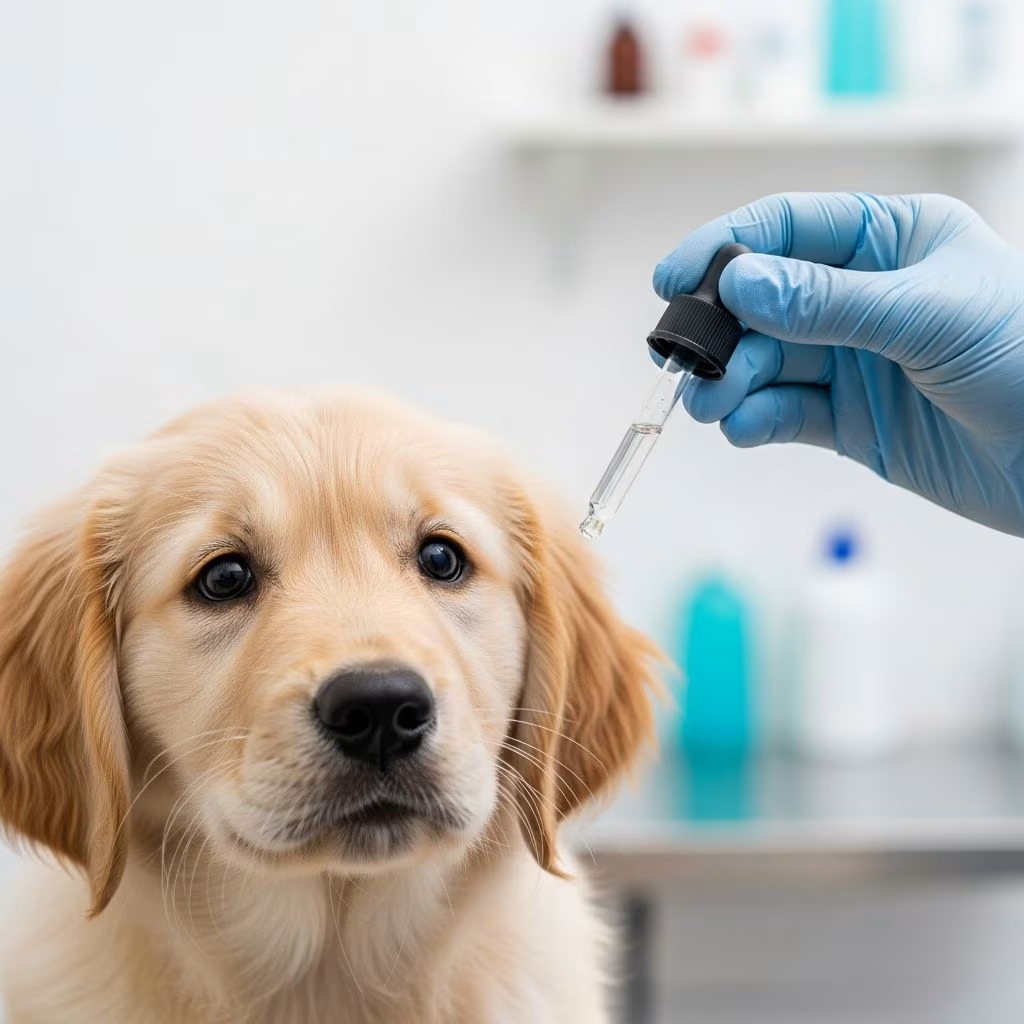
Puppies frequently explore their surroundings with their mouths, leading to accidental ingestion of harmful substances. Inducing vomiting can be a critical first-aid measure to expel toxins before they cause severe damage, but it must be done correctly and only in specific situations. This guide outlines safe protocols, risks, and when to contact a veterinarian immediately.
Understanding the Need for Inducing Vomiting in Puppies
Young dogs under six months are particularly vulnerable due to their curious nature and developing digestive systems. Common hazards include household cleaners, chocolate, grapes, xylitol in gum, and medications. Prompt removal of these from the stomach can prevent absorption into the bloodstream, reducing risks of organ failure or death. However, not all toxins respond to this method; some require absorption or cause rapid effects, making veterinary intervention essential.
Vomiting differs from regurgitation: the former involves forceful stomach contractions, while the latter is passive expulsion of undigested food. Recognizing this distinction helps owners respond appropriately to emergencies.
When Should You Induce Vomiting?
Act quickly if ingestion occurred within 1-2 hours and the substance is on approved lists from veterinary toxin hotlines like the ASPCA Animal Poison Control Center. Suitable items include many human foods (e.g., chocolate, fatty foods) and non-caustic chemicals. Avoid induction if:
- The puppy ingested sharp objects, batteries, or hydrocarbons (e.g., gasoline).
- More than 2 hours have passed since ingestion.
- The puppy shows signs of distress like seizures, lethargy, or collapse.
- Corrosive substances like bleach or acids are involved, as vomiting could worsen esophageal burns.
Table of Common Toxins and Induction Suitability:
| Toxin | Safe to Induce Vomiting? | Reason |
|---|---|---|
| Chocolate | Yes, if recent | Removes theobromine before absorption |
| Xylitol | Yes, urgently | Causes rapid hypoglycemia |
| Bleach | No | Caustic; risks further injury |
| Grapes/Raisins | Yes | Prevents kidney damage |
| Batteries | No | Sharp edges cause perforation |
Safe Methods to Induce Vomiting at Home
The most recommended over-the-counter agent is 3% hydrogen peroxide, administered orally. Dosage is 1 teaspoon per 5 pounds of body weight, up to 3 tablespoons maximum, given via syringe into the cheek pouch. It typically works within 10-15 minutes by irritating the stomach lining. Repeat once after 10 minutes if no effect, but do not exceed two doses without vet advice.
Salt water is outdated and dangerous, risking salt toxicity. Do not use ipecac, mustard, or soda, as they are unreliable or harmful. Always have the toxin packaging ready for poison control consultation first.
Step-by-Step Protocol:
- Confirm ingestion details (what, how much, when).
- Call vet or poison hotline (e.g., ASPCA at 888-426-4435).
- Administer hydrogen peroxide if approved.
- Monitor for vomiting; collect sample if possible.
- Transport to vet even if successful.
Risks and Complications of Inducing Vomiting
Inappropriate use can lead to aspiration pneumonia if vomit enters lungs, especially in brachycephalic breeds like Bulldogs. Overdosing hydrogen peroxide causes excessive foaming or ulceration. Puppies may aspirate due to small airways. If aspiration occurs, symptoms include coughing, blue gums, and breathing difficulty—rush to emergency care.
Recent veterinary guidelines emphasize professional oversight, as home induction fails in 20-30% of cases per studies on toxin exposures. Fluid therapy and activated charcoal are often superior follow-ups.
Recognizing When Vomiting Indicates a Larger Problem
Occasional vomiting from dietary indiscretion is common in puppies, caused by parasites, infections, or overeating. However, persistent episodes signal issues like parvovirus, pancreatitis, or intestinal blockages. Warning signs include blood in vomit (hematemesis), diarrhea, abdominal pain, dehydration (sunken eyes, dry gums), fever, or weakness. These necessitate immediate vet evaluation with diagnostics like bloodwork, ultrasound, or x-rays.
Causes of Vomiting in Puppies:
- Infectious: Parvovirus, distemper, bacterial gastroenteritis (Salmonella, Campylobacter).
- Parasitic: Roundworms, hookworms, giardia—common despite deworming.
- Systemic: Kidney/liver disease, pancreatitis, diabetes.
- Obstructive: Foreign bodies, hairballs.
Veterinary Diagnosis and Treatment Options
Vets start with history and physical exam, followed by fecal analysis for parasites, blood tests for organ function, and imaging. Treatment varies: antiemetics (Cerenia, metoclopramide), IV fluids for dehydration, protectants (sucralfate), and antibiotics if bacterial. Severe cases may need hospitalization or surgery for obstructions.
For toxin cases post-induction, activated charcoal binds remaining toxins, and lipid therapy treats certain poisons like ivermectin. Bland diets (boiled chicken/rice) aid recovery, transitioning over 48 hours.
Prevention Strategies for Puppy Toxin Exposure
Proof your home: store chemicals high, use pet gates, and secure trash. Educate family on toxic foods (no grapes, onions, alcohol). Regular vet checkups ensure vaccinations and deworming schedules. Microchip and ID tags aid recovery if wandering leads to scavenging.
Enroll in puppy training for “leave it” commands. Use bitter sprays on cords and plants. Annual bloodwork detects early chronic issues.
FAQs on Puppy Vomiting and Induction
Q: How much hydrogen peroxide for a 10-pound puppy?
A: 2 teaspoons of 3% solution, once or twice max.
Q: What if my puppy won’t vomit after peroxide?
A: Do not repeat; head to vet for alternatives like apomorphine.
Q: Can I induce vomiting in puppies under 8 weeks?
A: No—too risky; seek pro help immediately.
Q: Is bloody vomit always an emergency?
A: Yes, indicates ulcers, toxins, or clotting issues.
Q: How to prevent parasites causing vomiting?
A: Monthly preventives and fecal tests 4x in first year.
Long-Term Care After Vomiting Episodes
Post-recovery, monitor appetite and stool. Probiotics restore gut flora. Hypoallergenic diets manage sensitivities. Track weight and energy. Recurrence warrants endoscopy or biopsy for IBD/cancer.
Owners report 80% success with prompt action, per vet surveys. Invest in pet insurance for tox emergencies.
References
- Vomiting in Dogs and Cats: Causes, Treatment, and Prevention — Middle Hope Vets. 2023-05-15. https://middlehopevet.com/news/vomiting-in-dogs-and-cats-causes-treatment-and-prevention/
- Dog Vomiting: Causes, Treatment, and Related Symptoms — WebMD Pets. 2024-08-20. https://www.webmd.com/pets/dogs/vomiting-dogs-causes-treatment
- Vomiting and Diarrhea in Puppies — PetMD. 2025-02-10. https://www.petmd.com/dog/symptoms/vomiting-and-diarrhea-puppies
- Vomiting in Dogs — PetMD. 2024-11-05. https://www.petmd.com/dog/symptoms/vomiting-in-dogs
- Vomiting in Dogs – Dog Owners — Merck Veterinary Manual. 2025-01-15. https://www.merckvetmanual.com/dog-owners/digestive-disorders-of-dogs/vomiting-in-dogs



