

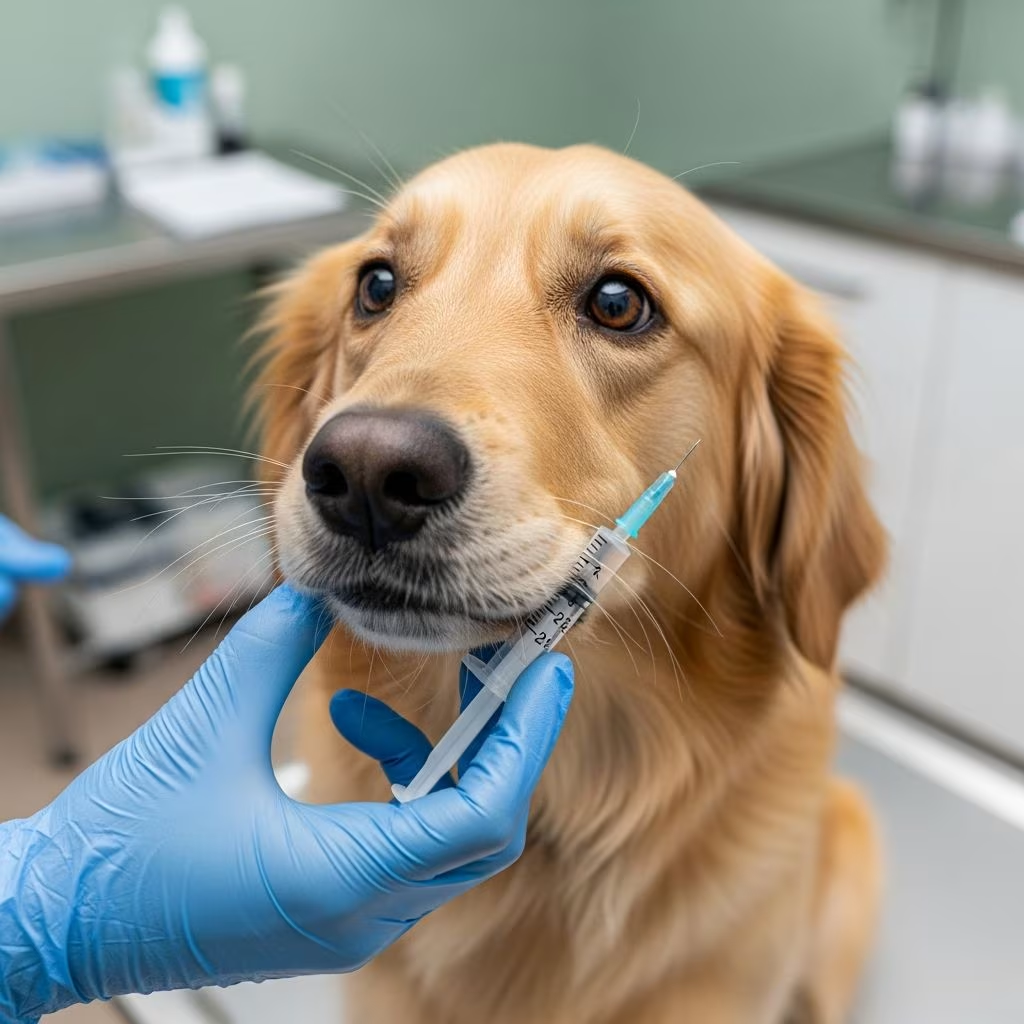
Inducing vomiting in dogs can be a critical first-aid step when they’ve ingested toxins, but it must be done correctly and only under specific circumstances to avoid harm. This guide covers recognition of poisoning risks, safe induction methods, when to skip it, and professional treatments for vomiting episodes.
Understanding When to Consider Inducing Vomiting
Dogs often explore their world by mouthing objects, leading to accidental ingestion of harmful substances like chocolate, grapes, or household cleaners. Vomiting naturally expels stomach contents, but if the toxin remains, inducing it within 1-2 hours of ingestion may prevent absorption.
However, not all situations warrant this action. For caustic substances like bleach or batteries, induction risks further esophageal damage. Petroleum products or sharp objects also make it unsafe. Always consult a vet or pet poison hotline first.
Safe Methods for Inducing Vomiting at Home
The most reliable home method involves **3% hydrogen peroxide**, administered orally at 1 teaspoon per 5 pounds of body weight, up to 3 tablespoons maximum. Use a syringe or turkey baster to deliver it, followed by massaging the abdomen gently to encourage retching.
If no vomiting occurs within 10-15 minutes, a second dose may be given, but do not exceed two attempts. Never use table salt, mustard, or syrup of ipecac, as these can cause electrolyte imbalances, salt poisoning, or cardiac issues.
- Confirm the substance ingested is emetic-appropriate via poison control.
- Weigh your dog accurately for dosing.
- Monitor for vomiting; success shows as expulsion of food and toxin.
- Rush to a vet post-induction for further care like activated charcoal.
Common Causes of Vomiting in Canines
Vomiting differs from regurgitation; it involves forceful ejection with abdominal heaving, often preceded by nausea signs like drooling or lip licking. Causes range from benign to life-threatening.
| Category | Examples | Symptoms to Watch |
|---|---|---|
| Dietary | Eating too fast, spoiled food, grass, diet changes | Single episode, normal energy |
| Infections/Parasites | Parvovirus, bacteria, worms | Diarrhea, fever, lethargy |
| Toxins/Foreign Bodies | Chocolate, xylitol, toys, garbage | Bloody vomit, unproductive retching |
| Systemic Diseases | Pancreatitis, kidney/liver failure, bloat | Abdominal pain, weakness, dehydration |
Acute gastritis from garbage is common, while chronic issues like cancer or diabetes cause recurrent episodes.
Recognizing Dangerous Vomiting Signs
Isolated vomiting after scavenging might resolve with fasting, but persistent or accompanied symptoms demand immediate vet attention.
- **Blood in vomit**: Fresh red or coffee-ground appearance signals ulcers or clotting issues.
- **Frequent episodes**: Over 24 hours suggests obstruction or infection.
- **Dehydration signs**: Sunken eyes, sticky gums, skin tenting.
- **Lethargy or pain**: Hunched posture, whining, refusal to eat.
- **Bloat indicators**: Distended abdomen, unproductive retching—emergency GDV.
Puppies, seniors, or those with pre-existing conditions face higher risks.
Veterinary Diagnosis and Interventions
Vets use history, physical exams, and diagnostics like bloodwork, X-rays, ultrasound, or endoscopy to pinpoint causes. Treatments vary:
- Fluid therapy for dehydration and electrolyte balance.
- Antiemetics (e.g., maropitant) to halt nausea.
- Antibiotics for infections; dewormers for parasites.
- Surgery for obstructions or bloat.
- Bland diets post-recovery: boiled chicken/rice short-term.
For toxin cases, activated charcoal binds remnants, and gastroprotectants soothe irritation.
Home Management for Mild Vomiting
For one-off incidents without red flags, withhold food 12-24 hours but provide ice cubes to prevent dehydration. Gradually reintroduce bland meals: boiled white rice with lean turkey, small portions every 4-6 hours.
Probiotics support gut flora recovery. Avoid raw diets or dairy during upset. Track symptoms; resume normal food over 2-3 days if improving.
Preventing Vomiting and Toxin Exposure
Proactive steps reduce risks: secure trash, store chemicals high, educate family on toxic foods (onions, raisins), use puzzle feeders to slow eating, and maintain regular deworming/vaccinations.
Pet insurance covers diagnostics/treatments, easing financial burdens for emergencies.
FAQ: Dog Vomiting and Induction
What if hydrogen peroxide doesn’t work? Do not repeat beyond two doses; head to the vet for injectable apomorphine or other interventions.
Can I induce vomiting in small breeds? Yes, but dose precisely and seek vet confirmation due to higher sensitivity.
Is yellow vomit normal? Occasional bile indicates empty stomach; frequent needs vet check for bilious vomiting syndrome.
How long after ingestion is induction effective? Ideally within 2 hours; beyond that, toxins absorb into bloodstream.
What’s the difference between vomiting and regurgitation? Vomiting is active with effort; regurgitation is passive undigested food soon after eating.
Key Takeaways for Pet Owners
Act swiftly but safely: call professionals for guidance on induction. Monitor closely and prioritize vet care for anything beyond mild upset. Prevention through vigilance keeps tails wagging.
References
- Dog Vomiting: Causes, Treatment, and Related Symptoms — WebMD. 2023. https://www.webmd.com/pets/dogs/vomiting-dogs-causes-treatment
- Vomiting dog — Vetwest Veterinary Clinics. 2023. https://www.vetwest.com.au/pet-library/vomiting-dog/
- Dog Vomiting: Causes & Treatments — Purina. 2023. https://www.purina.com/articles/dog/health/digestion/causes-of-dog-vomiting
- Vomiting in Dogs — Merck Veterinary Manual. 2024-02-28. https://www.merckvetmanual.com/dog-owners/digestive-disorders-of-dogs/vomiting-in-dogs
- Vomiting in dogs — PDSA. 2023. https://www.pdsa.org.uk/pet-help-and-advice/pet-health-hub/symptoms/vomiting-in-dogs
- Vomiting in Dogs — VCA Animal Hospitals. 2023. https://vcahospitals.com/know-your-pet/vomiting-in-dogs



