

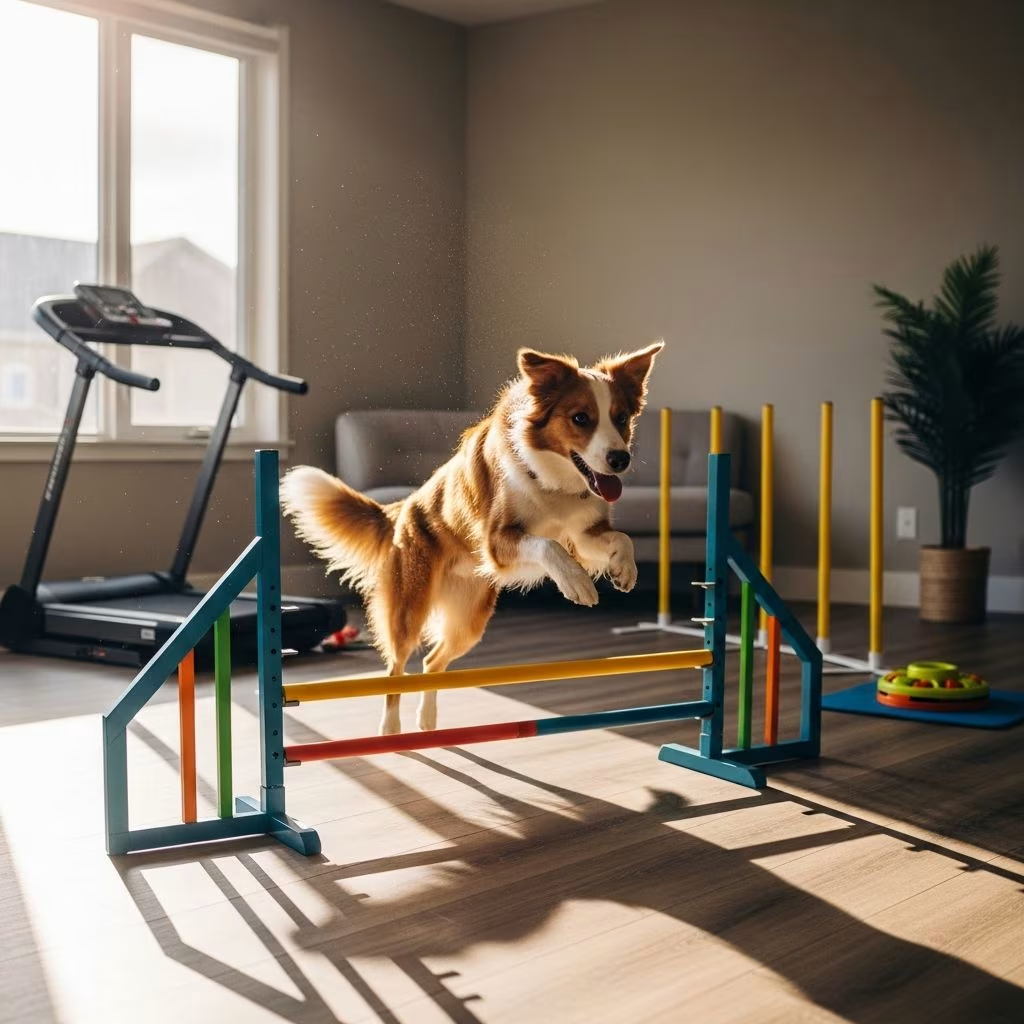
Providing regular physical activity for dogs is essential for their overall well-being, especially when outdoor conditions limit traditional play. Indoor workouts offer a reliable way to ensure dogs receive the exercise they need to stay physically fit, mentally engaged, and behaviorally balanced. These activities can be adapted to various living spaces, from apartments to spacious homes, making fitness accessible regardless of weather or schedule constraints.
Why Indoor Exercise Matters for Canine Health
Consistent movement indoors supports a dog’s cardiovascular system, helps control weight, and strengthens muscles and joints. Active dogs face lower risks of obesity-related conditions like diabetes and arthritis, while also benefiting from improved digestion and immune function. Mentally, these sessions combat boredom, which often leads to unwanted behaviors such as excessive barking or chewing. Engaging in structured play fosters better focus and reduces anxiety, creating calmer household pets.
Beyond physical perks, indoor routines build trust and communication between dogs and owners. Shared activities release endorphins, enhancing mood for both parties and deepening companionship. Veterinary experts emphasize tailoring exercise to a dog’s age, breed, and energy level—consulting a professional ensures safe implementation.
Tailoring Activities to Your Dog’s Profile
Different dogs have unique needs based on size, age, and breed. High-energy breeds like Border Collies require intense sessions, while seniors or small companions thrive on gentler options. Understanding these distinctions prevents overexertion and maximizes enjoyment.
| Breed/Energy Level | Ideal Indoor Duration | Suggested Intensity |
|---|---|---|
| High-energy (e.g., Labs, Huskies) | 45-60 minutes | High: agility, fetch |
| Medium-energy (e.g., Beagles) | 30-45 minutes | Moderate: training, tug |
| Low-energy/Seniors (e.g., Bulldogs, older dogs) | 15-30 minutes | Low: walks in place, puzzles |
This table draws from general canine activity guidelines, highlighting how to customize routines for optimal results.
Creative Obstacle Challenges at Home
Transform your living room into a personal agility arena using everyday items. Stack pillows for hurdles, arrange chairs for weaving, or drape blankets over tables to form tunnels. Guide your dog through the setup with treats and encouragement, promoting coordination, balance, and problem-solving skills. Start simple to build confidence, gradually increasing complexity for advanced pups.
Safety first: clear sharp edges, supervise closely, and limit sessions to avoid fatigue. These setups burn calories while providing mental puzzles, ideal for rainy days or limited space.
Interactive Fetch and Tug Games
Hallways or long rooms make perfect venues for modified fetch using soft balls or toys. Throw gently to encourage chasing and retrieving, repeating for 10-15 minutes to elevate heart rates. Tug-of-war with durable ropes builds jaw strength and endurance—use a ‘drop it’ command to maintain control and prevent overstimulation.
- Choose toys sized appropriately to avoid choking hazards.
- Alternate between fetch and tug for variety.
- End on a positive note with praise to reinforce good behavior.
These games suit most dogs and require minimal setup, delivering both aerobic exercise and bonding opportunities.
Mental Workouts Through Skill Building
Short training bursts double as exercise by combining physical cues with cognitive challenges. Teach spins, paw shakes, or ‘backup’ commands using positive reinforcement like treats or toys. Sessions of 5-10 minutes, repeated several times daily, keep energy levels steady without overwhelming smaller spaces.
Incorporate tools like clickers for precision feedback. This approach not only tires dogs mentally—which can be as exhausting as physical exertion—but also improves obedience and focus, benefiting daily life.
Sensory and Puzzle-Based Stimulation
Engage a dog’s nose and brain with scent games: hide treats under rugs, in boxes, or within muffin tins covered by tennis balls. For touch, offer textured mats or frozen toys for chewing. These low-impact activities encourage foraging instincts, providing enrichment without high movement.
- Muffin tin puzzles: Fill cups with kibble, top with balls.
- Snuffle mats: DIY with fleece strips and hidden food.
- Flavor-stuffed toys: Kongs with peanut butter, frozen for longevity.
Such games are perfect for apartments or injury recovery, sustaining interest over extended periods.
Adapting for Special Needs and Seasons
Puppies need short, frequent bursts to match developing joints, while seniors benefit from slow stretches or swimming in bathtubs. During extreme weather, combine indoor play with brief potty breaks. For multi-dog homes, rotate activities to prevent resource guarding.
Monitor for signs of strain like limping or heavy panting, adjusting as needed. Hydration and cool-down periods are crucial post-exercise.
Boosting Socialization Indoors
Even without parks, indoor play supports social skills. Arrange virtual playdates via windows or host controlled meetups in large rooms. Obedience classes online or puzzle-sharing with neighbors’ pets via safe barriers enhance interactions safely.
Tracking Progress and Long-Term Success
Log sessions in a journal, noting duration, response, and improvements in stamina or mood. Aim for 30-60 minutes daily, split into segments. Pair with balanced nutrition for holistic health—active dogs often have better appetites and sleep patterns.
Frequently Asked Questions
How often should I exercise my dog indoors?
Daily sessions totaling 30-60 minutes, divided into 10-15 minute bursts, suit most adults. Adjust based on breed and health.
Can indoor activities replace outdoor walks?
They complement walks effectively, providing similar benefits in controlled environments, especially for weather-limited days.
What if my dog seems uninterested?
Introduce novelty, use high-value rewards, and observe peak energy times. Patience builds engagement.
Is exercise safe for overweight dogs?
Yes, start gently under vet guidance to avoid joint stress, gradually building intensity for weight management.
How do I prevent destructive play indoors?
Redirect energy with structured games and provide ample toys, ensuring supervision during initial setups.
References
- Indoor Exercise Ideas for Dogs: Keep Your Dog Active in the Cold — Halo Collar. 2023. https://www.halocolor.com/blog/dog-training/indoor-exercise-ideas-for-dogs-keep-your-dog-active-in-the-cold/
- Exercise for Dogs: 7 Powerful Benefits for Health & Behavior — Pawparazzi Resort. 2024. https://pawparazziresort.com/exercise-for-dogs-benefits/
- The Cool Benefits of an Indoor Dog Park in Summer — Chow Bella Saratoga. 2023. https://www.chowbellasaratoga.com/post/the-cool-benefits-of-an-indoor-dog-park-in-summer
- Exercise – Canine Welfare Science — Purdue University Canine Welfare Science. 2025. https://caninewelfare.centers.purdue.edu/behavior/exercise/
- Exercising Your Dog Indoors — Grange Co-op. 2024. https://www.grangecoop.com/grangeknows/exercising-your-dog-indoors/



