Indoor Potty Training for Dogs
Master the art of teaching your dog to use indoor potty pads with proven techniques and expert guidance.
Teaching Your Dog to Master Indoor Potty Pad Use
Indoor potty pads offer a practical solution for dog owners who need a designated bathroom area within their home. Whether you’re working with a new puppy, managing an older dog with limited outdoor access, or navigating a busy schedule, understanding how to properly train your dog to use these pads can significantly reduce household accidents and simplify your daily routine. This comprehensive guide explores the fundamental principles, practical techniques, and strategies needed to successfully establish this important behavior.
Understanding the Foundation of Pad Training
Before beginning your training journey, it’s essential to recognize that every dog possesses unique learning patterns and behavioral responses. Dogs naturally seek to avoid soiling their sleeping and living areas, which is a key biological instinct you can leverage during training. The success of pad training relies on your ability to recognize your dog’s individual signals and timing patterns. Dogs typically show specific behaviors when they need to eliminate, including sniffing the ground, circling in one spot, whining, or displaying general restlessness and agitation. By learning to identify these personal signals unique to your dog, you’ll be better positioned to guide them to the pad at the right moment, creating opportunities for successful reinforcement.
Selecting and Preparing the Ideal Location
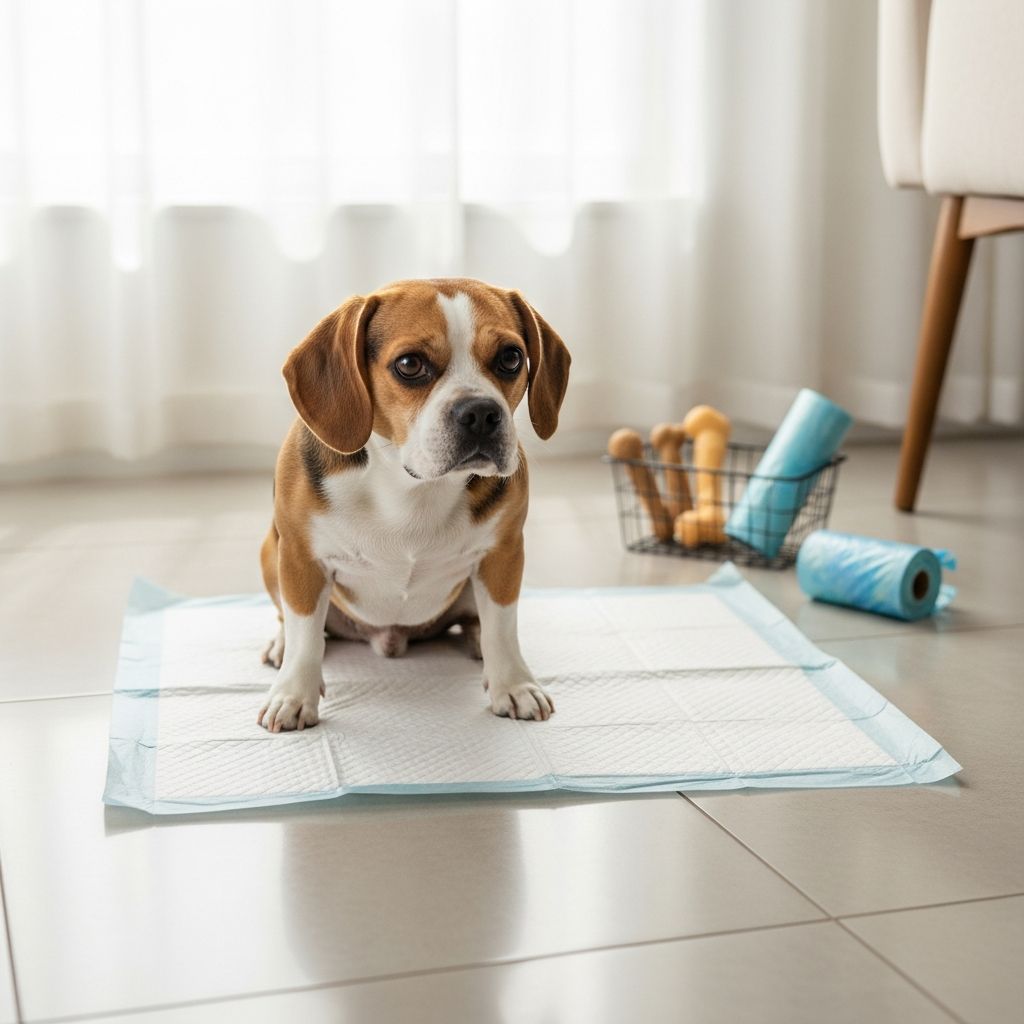
The physical placement of your potty pads plays a crucial role in training success. Select an area within your home that features hard flooring surfaces, such as tile or vinyl, which facilitates easy cleanup of any accidents or mishaps. Ideally, choose a location that provides your dog with convenient access while remaining visible enough for you to supervise training sessions effectively. Many trainers recommend positioning pads near entry doors or in bathroom areas, as these locations psychologically signal to your dog that this is a designated elimination zone. Hard flooring materials also prevent urine from soaking into carpet or wood, protecting your home’s structural integrity and reducing long-term odor issues.
When initially setting up your training area, consider laying down multiple pads rather than just one. This expanded surface area accommodates the natural aiming variations that occur during training, particularly with male dogs who lift their legs, and reduces the likelihood of accidents occurring on bare floor. As your dog demonstrates increasing accuracy, you can gradually consolidate to a single pad. During the initial setup phase, remove any items that might create confusion, such as thin throw rugs, bath mats, or other fabric materials that resemble potty pads. Dogs may struggle to distinguish between appropriate and inappropriate surfaces, so environmental clarity is essential.
Establishing Consistent Routines and Schedules
Consistency serves as the cornerstone of effective potty pad training. Dogs thrive on predictable patterns and repetition, so establishing a reliable schedule helps them develop anticipation and understanding around bathroom activities. Schedule regular visits to the potty pad area at predictable intervals throughout the day, ideally every two to three hours, regardless of whether your dog appears to need elimination at that moment. For puppies specifically, more frequent visits become necessary due to their developing bladder control and higher elimination frequency.
Timing becomes particularly important around natural elimination triggers. Dogs typically need to eliminate approximately twenty to thirty minutes after eating a meal, immediately upon waking from sleep, and following play sessions or exercise. By scheduling pad visits to coincide with these predictable moments, you dramatically increase the probability of success. Puppies benefit from spending five to ten minutes confined to the pad area without distractions, as this focused time often encourages elimination despite initial reluctance or hesitation.
Implementing Verbal Cues and Communication
Establishing a consistent verbal cue creates a powerful communication bridge between you and your dog. Simple phrases like “go potty” or “do your business” work effectively when used repeatedly and consistently during training sessions. The process involves saying your chosen phrase while your dog is actually on the pad, creating a neurological association between the words and the action. Over time, your dog will begin linking these specific verbal cues with the expected behavior, eventually responding to the command even in new environments or situations.
The effectiveness of verbal cues increases dramatically when combined with immediate positive responses. Each time your dog successfully eliminates on the pad after hearing your verbal cue, respond enthusiastically with praise and rewards. This reinforcement pattern strengthens the neural pathways associated with both the verbal command and the desired behavior, making the response more reliable and automatic.
Leveraging Physical Exercise and Mental Stimulation
A dog’s readiness to use the potty pad correlates directly with their physical activity level and mental engagement. Regular exercise sessions before pad visits increase the likelihood of successful elimination by promoting natural bodily functions and relaxation. Dogs with adequate physical activity demonstrate improved focus during training sessions and show reduced behavioral anxiety or resistance. Incorporating play sessions, walks, or fetch activities into your daily routine before scheduled pad times can significantly boost training effectiveness.
Mental stimulation through training exercises, puzzle toys, or interactive games also contributes to overall behavioral success. Dogs who receive adequate mental engagement show improved impulse control and better behavioral responsiveness during training sessions. The combination of physical exercise and mental stimulation creates an optimal psychological state for learning and behavioral compliance.
Mastering Positive Reinforcement Strategies
| Reinforcement Method | Application Timing | Effectiveness Level |
|---|---|---|
| Verbal Praise | Immediately after elimination | High |
| Treats and Rewards | Within seconds of success | Very High |
| Physical Affection | Combined with praise | High |
| Play Rewards | After successful session | Moderate to High |
| Delayed Rewards | More than one minute later | Low |
Positive reinforcement represents the most effective and humane approach to potty pad training. This methodology focuses on rewarding desired behaviors rather than punishing unwanted ones, creating positive associations and building confidence in your dog. When your dog successfully eliminates on the pad, respond immediately with enthusiastic verbal praise, high-value treats, or physical affection. The immediacy of the reward proves critical, as dogs must receive reinforcement within seconds of completing the desired behavior to form the proper neurological connection.
Avoid punishment-based approaches entirely, as these methods typically generate fear, anxiety, and confusion rather than understanding. Dogs cannot logically connect punishment with past actions, particularly if delayed, and may develop behavioral problems including fear of their owner, elimination anxiety, or increased stress-related accidents. Instead, focus your energy on creating positive associations with pad usage through consistent rewards and enthusiastic encouragement.
Building Bladder Control and Extending Intervals
As your dog demonstrates consistent pad usage success, gradually increase the time intervals between bathroom visits. This progression helps develop stronger bladder control while reducing long-term dependency on indoor pads. Begin by adding fifteen-minute increments to your established schedule, monitoring your dog’s behavior for signs of distress or elimination urgency. Patient advancement through these intervals ensures sustainable progress without creating setbacks or accidents.
The progression toward outdoor elimination requires careful, measured steps. If your ultimate goal involves transitioning to fully outdoor bathroom habits, begin moving the pad incrementally toward the door and eventually outside your home. Move the pad a small distance each day rather than making dramatic changes that might confuse your dog about the appropriate location. Once the pad reaches outdoor location, gradually decrease its size by cutting it into progressively smaller sections, eventually encouraging your dog to eliminate directly on the ground without pad support.
Addressing Common Training Challenges
Patience becomes essential when addressing training difficulties or slower progress. Each dog learns at an individual pace influenced by age, prior experience, temperament, and previous training history. Some dogs require significantly more repetition before achieving consistent results, while others demonstrate rapid understanding. Celebrating small victories and gradual improvements keeps motivation high for both you and your dog.
If your dog shows confusion between appropriate and inappropriate surfaces, intensify environmental clarity by removing all potential pads or pad-like items from your home. If accidents occur outside the designated pad area, avoid expressing anger or frustration, as this can create fear-based responses and worsen the training situation. Instead, calmly clean the accident area thoroughly to remove scent markers that might encourage repeat accidents in that location. Return to more frequent pad visits and closer supervision until consistency improves.
Selecting Appropriate Pad Products
Modern potty pads offer various features designed to optimize training success. Vertical pads accommodate the natural behavior of male dogs who lift their legs, maintaining cleanliness and reducing mess compared to traditional flat pads. Look for products featuring leak-proof layers that protect your flooring from urine penetration and damage. Super-absorbent materials contain more liquid while minimizing odor, creating a more pleasant training environment.
Both disposable and reusable pad options present distinct advantages. Disposable pads offer convenience and hygiene benefits, proving particularly practical for first-time trainers or those managing multiple dogs. Reusable pads provide long-term cost savings and environmental benefits, though they require regular washing and maintenance. Choose the option that aligns best with your lifestyle, schedule, and household needs. Consider products featuring scent attractants designed to naturally draw dogs toward the pad, as these can accelerate initial learning phases.
Creating a Successful Long-Term Strategy
Sustainable pad training success requires maintaining consistency across all training phases. Establish clear household routines and ensure all family members understand and implement identical training protocols. Inconsistent messaging or variable responses confuse dogs and undermine training progress significantly. Document your dog’s typical elimination patterns, noting times, frequencies, and behavioral signals specific to your individual pet. This personalized knowledge allows you to optimize your training schedule and improve success rates substantially.
Consider implementing crate training as a complementary strategy, as dogs naturally avoid soiling their sleeping areas. A properly-sized crate that serves as your dog’s sleeping quarters encourages bladder control and makes supervised pad training more effective during non-sleeping hours. Never place pads inside your dog’s crate, as this contradicts the natural instinct against soiling sleeping quarters and creates confusion about appropriate elimination locations.
Frequently Asked Questions
How long does potty pad training typically require?
Training duration varies based on your dog’s age, prior experience, and individual learning pace. Puppies may require several weeks to months of consistent training, while older dogs sometimes learn more rapidly. Most dogs show noticeable improvement within two to four weeks of consistent training when positive reinforcement strategies are properly implemented.
Can senior dogs be trained to use pads?
Yes, senior dogs can learn pad training, often successfully transitioning from outdoor-only habits when circumstances change. Older dogs sometimes prefer pads due to mobility limitations, joint pain, or reduced bladder capacity. The training process may proceed more slowly than with younger animals, but patience and consistency typically yield positive results.
Should I transition my dog from pads to outdoor elimination?
This depends entirely on your household situation and long-term goals. Some dog owners maintain permanent indoor pad systems, while others use pads as a transitional step toward exclusive outdoor elimination. Both approaches are valid and should align with your lifestyle, climate, mobility, and personal preferences. If transitioning outdoors, implement the gradual movement strategy previously described, moving pads incrementally toward doors and outdoor areas.
What should I do if my dog consistently has accidents outside the pad area?
Increased accidents typically signal the need for more frequent pad visits, closer supervision, or environmental adjustments. Ensure your dog isn’t experiencing medical issues by consulting your veterinarian. Verify that your pad placement remains clearly visible and easily accessible. Consider expanding your pad area temporarily and gradually consolidating once consistency improves. Avoid punishment and maintain patient, consistent positive reinforcement strategies.
Final Considerations for Success
Training your dog to use indoor potty pads requires commitment, consistency, and patience, but the investment yields significant long-term benefits for household management and your dog’s behavioral development. Success depends not on any single technique but rather on implementing a comprehensive approach combining appropriate location selection, consistent scheduling, clear communication, and genuine positive reinforcement. Understanding your individual dog’s unique signals, learning pace, and behavioral patterns enables you to customize training strategies for optimal results. By maintaining realistic expectations, celebrating incremental progress, and remaining committed to consistency throughout the training process, you create an environment where your dog can reliably learn and successfully maintain this important bathroom behavior for years to come.
References
- Train Your Male Dog to Use Pee Pads Without the Mess — Doggy Bathroom. Accessed March 2026. https://doggybathroom.com/blogs/blog/train-your-male-dog-to-use-pee-pads-without-the-mess
- How to Train Your Dog to Use a Pee Pad — Bond Vet. Accessed March 2026. https://bondvet.com/blog/train-your-dog-pee-pad
- How To Train A Dog To Use Pee Pads | Chewtorials — YouTube. Accessed March 2026. https://www.youtube.com/watch?v=4i3E0yCncAQ
- Guide to How to Potty Train Your Dog — Scott® Paper Towels. Accessed March 2026. https://www.scottbrand.com/en-us/tips-and-advice/pet-care/guide-to-potty-training-dog
- My Top Tips for How to Puppy Pad Train a New Dog — 1 Minute Dog. Accessed March 2026. https://1minutedog.com/blog/how-to-puppy-pad-train-a-new-dog/
- How to Potty Train a Puppy — PetMD. Accessed March 2026. https://www.petmd.com/dog/general-health/how-to-potty-train-a-puppy
- Housetraining Dogs: Puppy Potty Pad and Paper Training — American Kennel Club. Accessed March 2026. https://www.akc.org/expert-advice/training/the-ins-and-outs-of-potty-pad-training/
Similar Articles








Read full bio of medha deb