

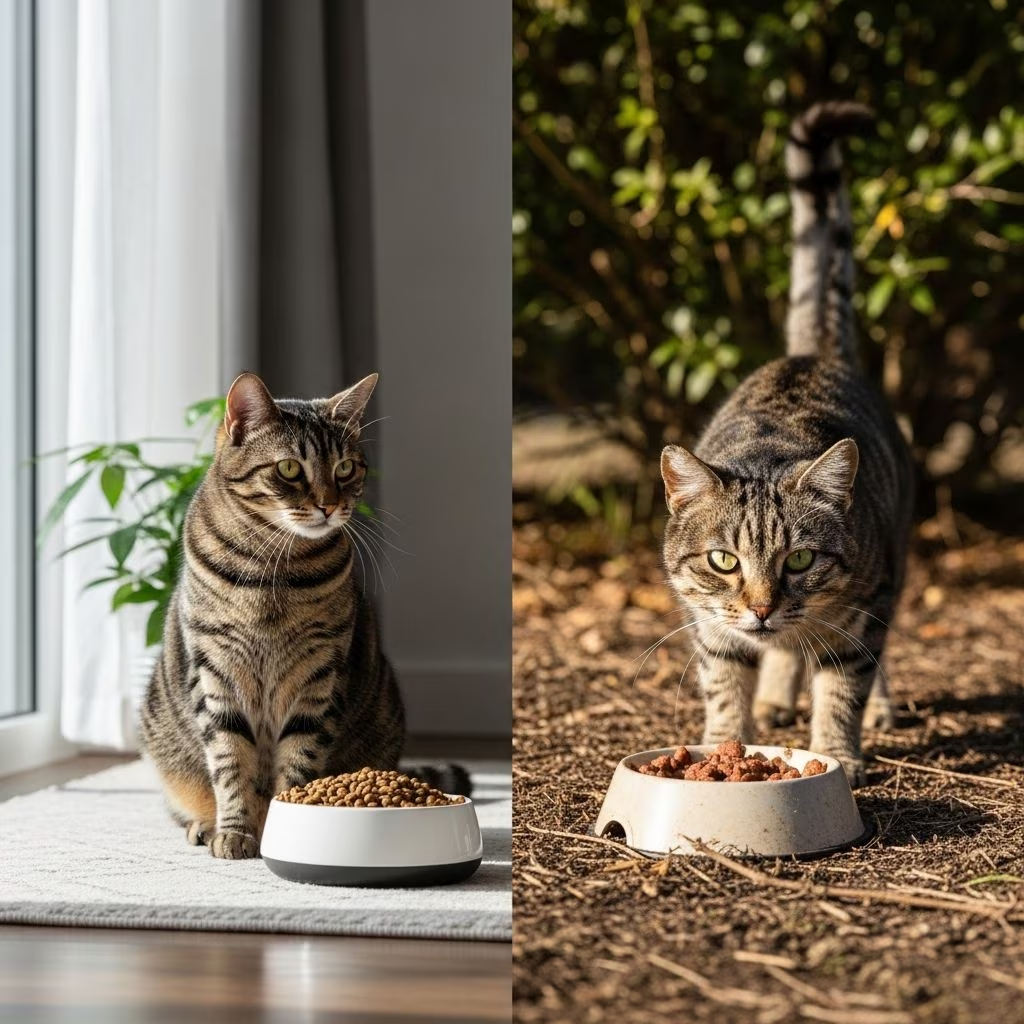
The question of whether indoor and outdoor cats require different diets has become increasingly important for pet owners seeking to optimize their feline companions’ health. While these two groups of cats share the same fundamental nutritional requirements at a biochemical level, the practical reality of their daily lives creates meaningful differences in how those nutrients should be delivered and balanced. Understanding these distinctions allows cat owners to make informed decisions about feeding strategies that support longevity, healthy weight management, and overall wellbeing.
Foundational Nutritional Requirements Across All Cats
Before examining the differences between indoor and outdoor cat feeding, it’s essential to recognize that all cats—regardless of their living environment—are obligate carnivores with identical core nutritional needs. This means cats require specific amino acids, vitamins, and minerals that can only be obtained through animal-based protein sources. Both indoor and outdoor cats need high-quality protein to maintain muscle mass, support metabolic function, and sustain energy production.
The concept of tailored nutrition doesn’t mean indoor and outdoor cats need completely different nutrients; rather, it means the proportions and delivery methods should reflect their lifestyle demands. A well-formulated diet for either population should include appropriate levels of taurine, arachidonic acid, vitamin A, and other essential nutrients. The distinction lies in caloric density, fiber content, and nutrient concentration rather than the nutrients themselves.
Activity Levels: The Primary Driver of Caloric Needs
The most significant practical difference between indoor and outdoor cats is their activity level and energy expenditure. Indoor cats typically spend the majority of their time resting, grooming, and playing indoors within a confined space, resulting in considerably lower daily energy expenditure. Outdoor cats, by contrast, engage in hunting behaviors, roaming greater distances, and navigating environmental challenges that demand sustained energy output throughout the day.
This difference in activity directly translates to caloric requirements. Outdoor cats, particularly those who actively hunt or explore their territory, need larger meals or more frequent feeding to maintain adequate energy reserves. Indoor cats, whose activity is naturally limited by their environment, require fewer calories to prevent weight gain. When an indoor cat consumes the same caloric level as an outdoor cat, weight gain becomes an inevitable consequence.
Standard cat foods designed for mixed populations may contain moderate calorie levels that are inappropriate for both groups—too high for sedentary indoor cats, potentially insufficient for highly active outdoor cats. This is why specialized formulations have emerged to address these lifestyle-specific needs.
Indoor Cat Food: Composition and Purpose
Reduced Caloric Density
Indoor cat formulas are specifically engineered with lower calories per serving compared to standard or outdoor formulas. This adjustment helps prevent the weight gain that commonly affects sedentary indoor cats. By reducing caloric content while maintaining essential nutrients, these formulas support weight management without requiring portion restriction that might leave cats feeling unsatisfied.
Enhanced Fiber Content
One of the most distinctive features of indoor cat food is increased fiber levels. Indoor cats face particular challenges with hairball formation due to their grooming behavior and lower gastrointestinal motility. The additional fiber helps move hairballs through the digestive tract more efficiently, reducing the risk of blockage and discomfort. This fiber also contributes to the reduced calorie profile, allowing cats to feel fuller while consuming fewer calories.
Nutrient Optimization for Sedentary Lifestyles
Indoor formulas may be adjusted in their nutrient profile to reflect the reduced energy demands of housebound cats. While maintaining adequate protein levels for muscle maintenance, these foods adjust fat and carbohydrate ratios to support a less active lifestyle. The formulation approach recognizes that indoor cats don’t need the same level of sustained energy fueling that outdoor cats require.
Outdoor Cat Food: Meeting Higher Energy Demands
Elevated Protein and Fat Content
Outdoor cat formulas contain higher levels of protein and fat to support the increased energy expenditure associated with an active lifestyle. Protein serves as a key energy source while also supporting muscle repair and maintenance. Fat provides concentrated energy and supports skin and coat health in animals exposed to varying weather conditions. These elevated nutrient levels ensure outdoor cats can sustain their activity levels without requiring impractical meal portions.
Sustained Energy Support
Outdoor cats may consume food less frequently than indoor cats or rely on hunting to supplement their diet. Outdoor formulas provide calorie density that supports sustained energy between feedings and complements the nutritional intake from natural prey. This is particularly important for cats who spend extended periods away from home or don’t have regular feeding schedules.
Environmental Resilience Considerations
Outdoor cats face exposure to parasites, pathogens, and environmental stressors that indoor cats typically don’t encounter. While diet alone cannot prevent exposure to outdoor hazards, outdoor formulas may include elevated levels of vitamins and minerals to support immune function and provide additional nutritional reserves to help cats weather environmental challenges.
Protein Requirements: Universal Importance
Despite differences in caloric and fiber content, both indoor and outdoor cats require robust protein levels. Protein serves as a critical energy source and supports essential physiological functions including immune response, hormone production, and enzyme synthesis. Modern cat nutrition recognizes that high-protein diets benefit cats regardless of lifestyle.
The type of protein matters as much as the quantity. Animal-based proteins, particularly from meat and fish sources, provide complete amino acid profiles that cats require. Premium formulations emphasize whole meat ingredients rather than meat by-products or plant-based proteins, ensuring cats receive the most bioavailable and appropriate protein sources.
Hydration and Moisture Content
Indoor cats often drink less water than their outdoor counterparts, partly due to climate control in homes and partly due to behavioral patterns. This reduced water intake can contribute to urinary issues and other health problems. Indoor cat diets that include sufficient moisture through wet food components or emphasis on hydration support can help mitigate these risks.
Outdoor cats may drink more water naturally, but their dietary water content remains important for supporting kidney function and overall health. Many veterinary nutritionists recommend incorporating wet food into the diet of both populations to ensure adequate hydration, with the proportion potentially adjusted based on lifestyle and individual drinking habits.
Comparative Nutritional Factors
| Nutritional Factor | Indoor Cats | Outdoor Cats |
|---|---|---|
| Daily Caloric Needs | Lower due to reduced activity and sedentary lifestyle | Higher to support active behaviors and environmental demands |
| Protein Level | Adequate for muscle maintenance in less active cats | Elevated to support energy expenditure and tissue repair |
| Fat Content | Moderate to prevent weight gain | Higher for concentrated energy and coat health |
| Fiber | Increased for hairball management and weight control | Standard levels unless individual digestive issues exist |
| Hydration Support | Emphasized through wet food inclusion | Maintained but less critical if natural water intake adequate |
| Immune Support | Standard antioxidants for indoor allergen management | Enhanced vitamins and minerals for pathogen protection |
| Feeding Frequency | Controlled portions, sometimes split meals or puzzle feeders | May accommodate larger meals or flexible feeding schedules |
Weight Management Challenges in Indoor Cats
Indoor cats face a particular challenge with weight management that outdoor cats typically don’t experience. The combination of limited activity space, consistent access to food, and the natural tendency of cats to rest most of the day creates an environment where obesity develops easily. Obesity in cats leads to serious health complications including diabetes, joint problems, and reduced lifespan.
Specialized indoor cat formulas address this challenge through multiple mechanisms: reduced calories per cup, increased fiber for satiety, and nutrient profiles designed for lower energy demands. When an indoor cat consumes a standard diet designed for average cats, weight gain often results even with appropriate portion control. Switching to an indoor-specific formula can help maintain healthy body weight without requiring restrictive feeding that leaves cats hungry.
The Hairball Problem in Indoor Environments
Indoor cats experience hairball issues with greater frequency than outdoor cats for multiple reasons. Indoor environments often have lower humidity, leading to drier indoor air that affects skin and coat quality. Additionally, indoor cats spend more time grooming in climate-controlled spaces and have reduced gastrointestinal transit time due to lower activity levels. These factors combine to make hairballs a common concern for indoor cat owners.
Indoor cat formulas address this through elevated fiber content that supports gastrointestinal motility. The fiber helps move ingested hair through the digestive tract before it can accumulate and form problematic blockages. This approach is more effective and less frustrating for cat owners than dealing with frequent hairball incidents.
Selecting Appropriate Food: Practical Recommendations
Assessment of Individual Needs
Rather than making assumptions based solely on indoor versus outdoor categorization, the most effective approach involves assessing your specific cat’s activity level, body condition, and health status. Some indoor cats remain quite active, particularly in multi-cat households or homes with substantial vertical space. These cats might thrive on a moderate diet rather than a specialized indoor formula. Conversely, some outdoor cats may be less active than typical for their category and might benefit from slightly reduced caloric intake.
Transition and Monitoring
When switching from standard food to a specialized indoor or outdoor formula, gradual transition over 7-10 days allows digestive systems to adjust without causing upset. Monitor your cat’s weight, energy levels, coat quality, and litter box habits during this transition. These indicators help determine whether the new formula is appropriate for your individual cat’s needs.
Professional Guidance
Consulting with a veterinarian or veterinary nutritionist provides personalized recommendations based on your cat’s specific health profile, age, weight, and activity level. Professional assessment helps ensure that dietary choices support long-term health rather than creating nutritional imbalances or exacerbating existing health conditions.
Mixed Formulas: When Specialty Foods Aren’t Practical
Some households contain both indoor and outdoor cats, making separate feeding challenging. Commercial cat foods formulated for “all life stages” or “all types of cats” offer compromise formulations that aim to support diverse populations. While these formulas may not be perfectly optimized for either group, they provide balanced nutrition appropriate for average cats across lifestyle categories.
If separate feeding isn’t feasible, choosing a moderate formula and adjusting portion sizes based on individual body condition scores offers a practical solution. A cat maintaining healthy weight on a standard formula may not require specialty food as urgently as an obese indoor cat or an underweight outdoor cat.
Wet versus Dry Food Considerations
The debate between wet and dry food applies regardless of lifestyle category. Wet foods provide superior moisture content and may appeal more strongly to cats due to their texture and aroma. Dry foods offer convenience, dental benefits through mechanical abrasion, and often provide concentrated nutrients in smaller volumes.
Many nutritionists recommend incorporating both wet and dry food components in a cat’s diet, adjusting the ratio based on individual hydration needs and health status. Indoor cats particularly benefit from wet food inclusion to support adequate water intake, while outdoor cats may maintain adequate hydration from natural water sources but still benefit from the variety and nutritional profile that wet foods provide.
Long-Term Health Implications of Appropriate Feeding
Matching a cat’s diet to its lifestyle and activity level supports long-term health outcomes that extend well beyond simple weight management. Appropriate caloric intake prevents obesity-related diseases including diabetes and joint problems. Adequate fiber supports digestive health and reduces hairball complications. Proper hydration supports kidney function and urinary health.
Indoor cats fed appropriate diets typically maintain better body condition scores, experience fewer digestive issues, and demonstrate higher energy and activity levels than those consuming inappropriate foods. Outdoor cats provided with sufficient caloric density and protein levels maintain better coat condition, support sustained hunting and exploration behaviors, and have better nutritional reserves to weather environmental challenges.
Conclusion: Tailored Nutrition for Optimal Feline Health
While indoor and outdoor cats technically share identical nutrient requirements at a biochemical level, practical nutrition must account for the significant lifestyle differences between these populations. Indoor cat formulas with reduced calories and enhanced fiber address the real challenges of sedentary living. Outdoor cat formulas with elevated protein and fat support higher energy demands and environmental stressors.
The most effective feeding approach recognizes that one-size-fits-all solutions rarely produce optimal outcomes. Whether choosing specialized indoor and outdoor formulas, selecting moderate formulas with adjusted portions, or consulting with veterinary nutritionists for individualized guidance, the goal remains consistent: providing nutrition that supports your specific cat’s health, activity level, and long-term wellbeing based on how it actually lives.
Frequently Asked Questions
- Can indoor cats eat outdoor cat food?
- Yes, indoor cats can safely eat outdoor cat food, but they may gain weight if portions aren’t adjusted. Outdoor formulas contain more calories and higher fat content than necessary for sedentary cats. If feeding outdoor formula to an indoor cat, reduce portion sizes accordingly and monitor body condition.
- Do I need to feed my outdoor cat more frequently than my indoor cat?
- Outdoor cats may benefit from larger meals due to their higher caloric needs, but feeding frequency depends on individual lifestyle and hunting success. Some outdoor cats thrive on once-daily feeding, while others benefit from twice-daily meals or free-feeding arrangements depending on their activity level and access to prey.
- What if my indoor cat remains very active?
- Highly active indoor cats may not require specialized indoor formulas. Assess your individual cat’s body condition and energy levels. If your cat maintains healthy weight and good muscle tone on standard food, specialized indoor formulas may not be necessary. Consult your veterinarian about appropriate caloric intake for your active indoor cat.
- Are there health risks to feeding indoor cat formula to outdoor cats?
- Consistently feeding indoor formula to outdoor cats may lead to insufficient caloric intake and inadequate energy support for their activity level. Over time, this could result in weight loss, poor coat condition, or reduced nutritional reserves. Match formulas to lifestyle for optimal health outcomes.
References
- What’s The Difference Between Indoor Cat Food And Regular Cat Food? — Chewy (Education). Accessed January 2026. https://www.chewy.com/education/cat/food-and-nutrition/whats-the-difference-between-indoor-cat-food-and-regular-cat-food
- Nutritional Needs For Indoor and Outdoor Cats: Is There a Difference? — Cats.com. Accessed January 2026. https://cats.com/nutritional-needs-for-indoor-and-outdoor-cats
- The Nutritional Needs of Indoor Cats vs. Outdoor Cats — Fuzzball. Accessed January 2026. https://fuzzball.club/blogs/news/nutritional-needs-of-indoor-cats-vs-outdoor-cats
- Do Indoor Cats Have Different Needs to Outdoor Cats? — My Pet Nutritionist. Accessed January 2026. https://mypetnutritionist.com/post/do-indoor-cats-have-different-needs-to-outdoor-cats/



