

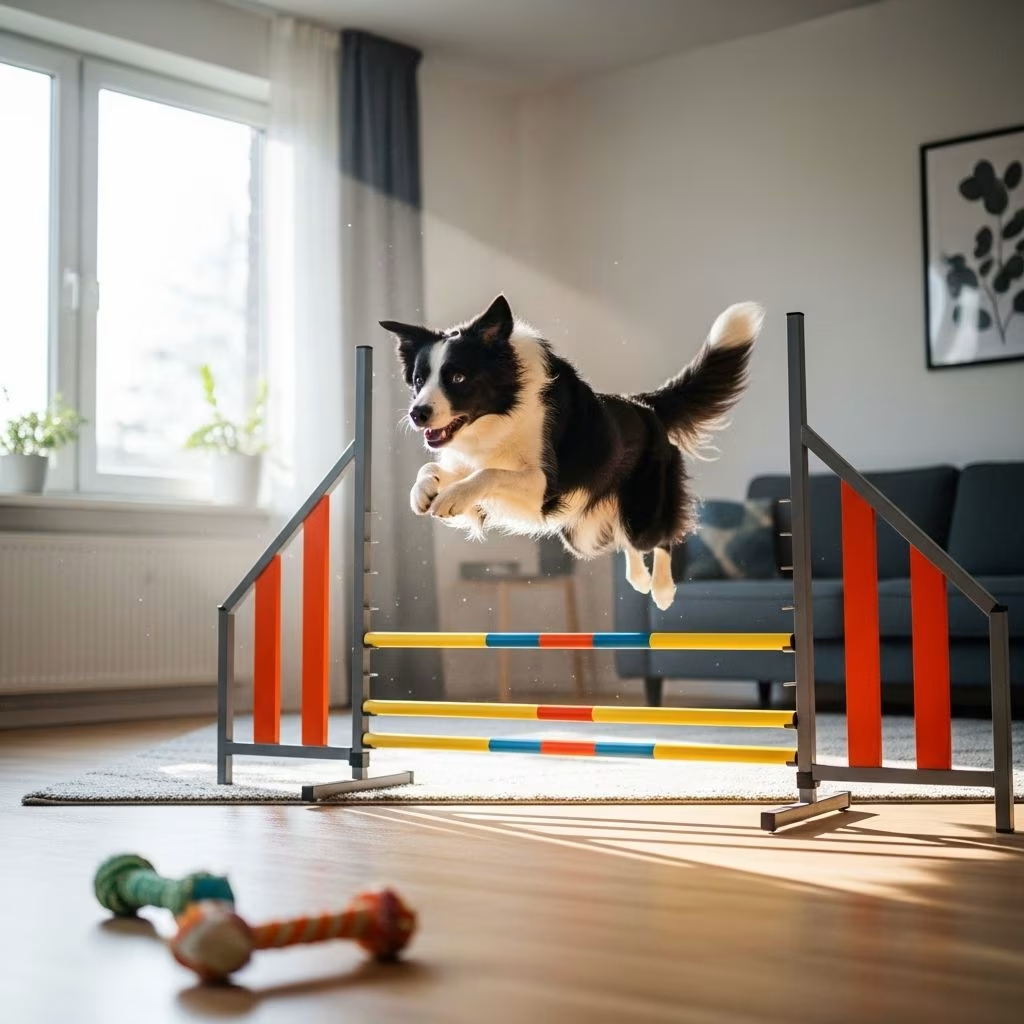
Herding dogs, bred for relentless work on farms and ranches, possess boundless energy and sharp instincts that demand regular outlets. When outdoor access is limited—due to weather, urban living, or safety concerns—indoor activities become essential to prevent boredom-induced issues like chewing or excessive barking. These intelligent breeds thrive on tasks that mimic their natural drives, such as chasing, circling, and problem-solving.
Why Herding Breeds Need Special Indoor Engagement
Herding dogs like Border Collies, Australian Shepherds, and English Shepherds were developed to manage livestock all day, requiring 1-2 hours of intense daily activity. Insufficient stimulation leads to frustration, manifesting as destructive habits or hyperactivity. Indoor exercises not only burn physical energy but also engage their quick-thinking minds, fostering better behavior and a stronger human-dog bond. Research from canine organizations emphasizes combining mental challenges with movement to replicate their working heritage.
Key benefits include improved cardiovascular health, muscle tone, and reduced stress. For instance, activities simulating herding—such as controlled chasing—tap into their “predatory sequence” of stalking and gathering, promoting overall wellness without livestock.
Essential Gear for Indoor Herding Workouts
Stock your home with durable, interactive tools to maximize engagement. Prioritize items that encourage problem-solving and movement in confined spaces.
- Puzzle Toys: Dispensers that release treats upon manipulation, ideal for mental fatigue.
- Flirt Poles: Long poles with lures for chasing drills, building impulse control.
- Exercise Balls: Large, sturdy balls for pushing and “herding” practice.
- Tunnel Sets: Collapsible fabric tunnels for agility-like navigation.
- Scent Items: Toys infused with smells for hide-and-seek hunts.
These tools are affordable and space-efficient, transforming living rooms into training arenas.
Mental Stimulation Games to Challenge Their Smarts
Herders excel in obedience and scent work due to their problem-solving prowess. Dedicate 15-30 minutes daily to brain games, which tire them as effectively as physical runs.
Hide-and-Seek with a Twist
Hide treats or toys around your home, using commands like “find it” to direct searches. Start simple, progressing to multi-room hunts. This leverages their sniffing skills and mimics livestock tracking. Sessions build focus and recall, crucial for high-drive dogs.
Command Mastery Challenges
Teach advanced tricks like “spin,” “weave,” or “backup” using positive reinforcement. Herding breeds’ eagerness to please makes them obedience stars. Track progress in a journal to motivate both you and your dog.
Treasure Hunt Mazes
Create DIY mazes with furniture or cardboard boxes, hiding rewards inside. Guide your dog verbally to navigate, enhancing spatial awareness.
Physical Indoor Exercises Mimicking Herding Instincts
Focus on controlled movements that echo circling, nipping, and driving behaviors, preventing over-arousal.
Treibball at Home
This “urban herding” uses large exercise balls (2-4 feet diameter) that dogs push into goals marked by tape or cones. Start with one ball, adding more for complexity. It satisfies gathering urges safely indoors. Limit to 10-15 minutes to avoid fatigue.
Flirt Pole Chases
Drag a flirt pole across floors, prompting pursuit and stops on cue. This builds speed and obedience, ideal for rainy days. Vary patterns to simulate livestock evasion.
Tug-of-War with Rules
Use sturdy ropes for structured tugs, incorporating “drop it” and “take it.” Rotate with calm periods to teach self-control.
DIY Agility Courses for Small Spaces
Assemble mini-courses using household items—no fancy equipment needed. Herders dominate agility due to their precision and speed.
| Obstacle | Materials | Skills Targeted |
|---|---|---|
| Jump Hurdle | Broom across chairs | Speed, jumping |
| Weave Poles | Bottles or PVC in a line | Agility, focus |
| Tunnel Crawl | Chairs draped with sheets | Confidence, navigation |
| A-Frame Climb | Ramp from plywood/box | Balance, strength |
| Table Stay | Coffee table | Impulse control |
Run sequences 3-5 times, rewarding with praise or toys. Scale for your dog’s size and energy.
Adapting Activities by Age and Energy Level
Puppies need shorter, gentler sessions (10-20 minutes) focusing on socialization and basics like sit/stay to manage budding drives. Adults require 45-60 minutes split into bursts. Seniors benefit from low-impact options like scent games to maintain mobility without joint strain.
- High-Energy Pups: Combine flirt pole with puzzles.
- Mature Dogs: Full treibball or agility.
- Older Herders: Scent work and short tugs.
Monitor for signs of overexertion, like heavy panting, and adjust accordingly.
Common Pitfalls and Pro Tips
Avoid free-play without rules, as it can intensify fixation. Always end on a calm note with a “settle” command. Rotate activities weekly to sustain interest. If issues persist, consult trainers specializing in herding breeds.
Pro Tip: Film sessions to analyze improvements and share with vets for health insights.
Frequently Asked Questions
How often should I do indoor activities with my herding dog?
Aim for two 20-30 minute sessions daily, plus spontaneous play. Consistency prevents behavioral issues.
Can these activities replace outdoor exercise?
They supplement but don’t fully replace; combine with walks when possible for complete stimulation.
What if my dog gets too excited indoors?
Incorporate frequent breaks and “leave it” cues to build control.
Are puzzle toys safe for all herding breeds?
Choose durable, non-toxic options sized appropriately to avoid frustration or injury.
How do I introduce treibball to a novice?
Begin with nose touches to the ball, gradually encouraging pushes with treats.
Long-Term Benefits for You and Your Dog
Regular indoor routines enhance obedience, reduce vet visits for stress-related ailments, and deepen companionship. Herding dogs in stimulated environments live longer, happier lives. Invest time now for a harmonious home.
References
- A Beginner’s Guide to Herding Dogs — English Shepherd Club. Accessed 2026. https://englishshepherd.org/a-beginners-guide-to-herding-dogs/
- Maximizing the Potential: Top Activities for Herding Dogs — CollieBall. Accessed 2026. https://www.collieball.com/blog/top-activities-for-herding-dogs
- The Best Dog Sports and Training for Herding Breeds — American Kennel Club (AKC). Accessed 2026. https://www.akc.org/expert-advice/dog-breeds/dog-sports-for-herding-breeds/
- How to Train a Herding Dog — Black Paw Dog Training. Accessed 2026. https://blackpawdogtraining.com/how-to-train-a-herding-dog/
- Indoor Activities for Herding Dogs — Hill’s Pet. Accessed 2026. https://www.hillspet.com/dog-care/play-exercise/indoor-activities-for-herding-dogs



