
Indoor Cats: Healthier and Happier Lives
Explore why keeping cats indoors boosts their lifespan, safety, and well-being while protecting wildlife and your home.
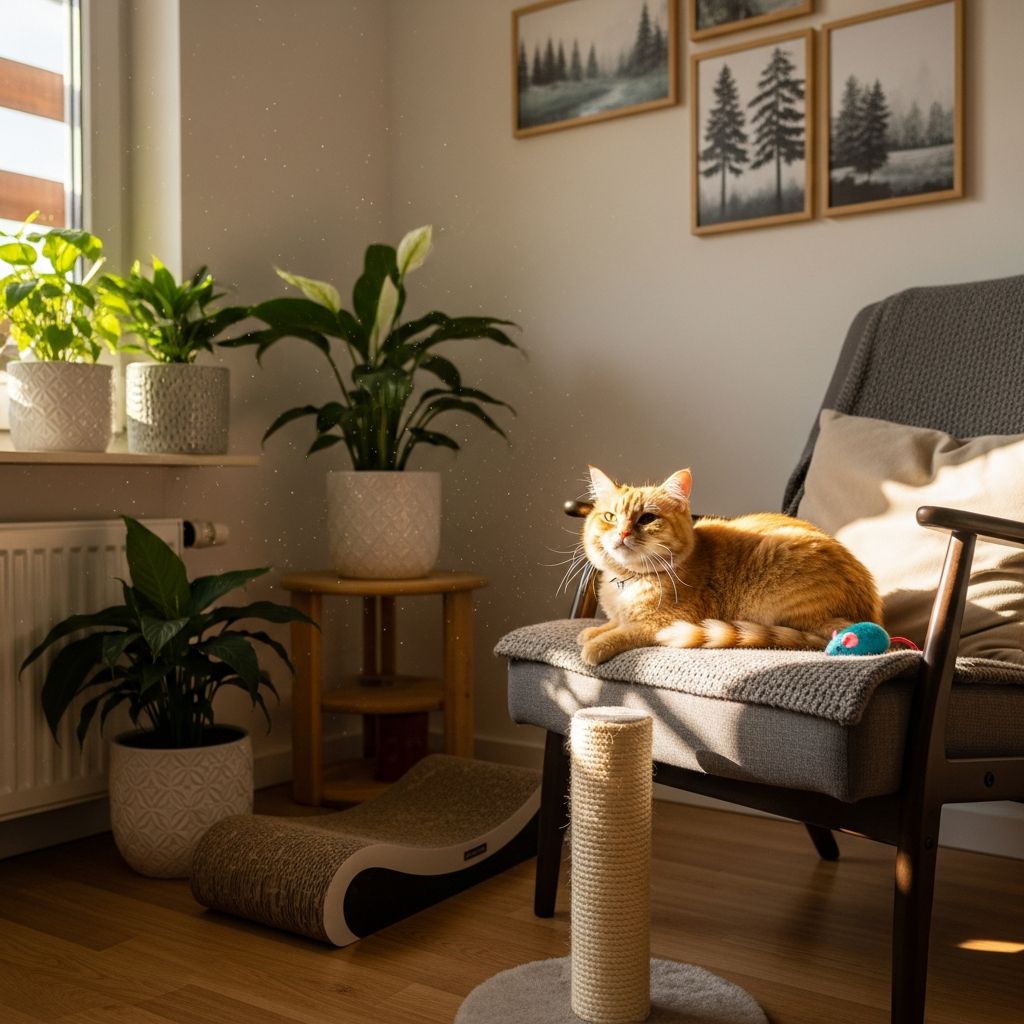
Keeping cats indoors offers substantial benefits for their physical health, emotional well-being, and overall longevity. Indoor environments shield felines from numerous outdoor hazards while allowing owners to create enriching spaces that meet their natural instincts.
Enhanced Safety and Risk Reduction
One of the primary advantages of indoor living is the dramatic reduction in life-threatening dangers. Outdoor cats face constant threats from vehicular traffic, aggressive predators like coyotes and dogs, and territorial fights with other felines, which often result in severe injuries or fatalities. By contrast, indoor cats avoid these perils entirely, leading to fewer emergency veterinary visits and associated costs.
Statistics highlight this disparity: indoor cats typically enjoy lifespans of 12-15 years or more, compared to just 2-5 years for free-roaming counterparts. This longevity stems from a controlled setting free from hit-and-run accidents, falls from heights, or encounters with wildlife carrying rabies—a rising concern in areas with increasing bat, coyote, and raccoon populations.
Protection Against Diseases and Parasites
Outdoor exposure heightens vulnerability to infectious diseases such as feline leukemia virus (FeLV), feline immunodeficiency virus (FIV), and upper respiratory infections, which spread through contact with infected animals or contaminated environments. Indoor cats, remaining isolated from these vectors, experience significantly lower infection rates, promoting robust immune health.
Parasite control is another critical benefit. Fleas, ticks, and intestinal worms thrive in outdoor settings and can infest homes, posing risks to other pets and humans. Regular preventatives work more effectively in indoor-only households, minimizing treatment needs and maintaining a hygienic living space.
Shielding from Toxins and Environmental Hazards
The outdoors abound with poisons like rodenticides, antifreeze, pesticides, and toxic plants such as lilies, which can cause acute poisoning or chronic organ damage in cats. Indoor confinement eliminates these encounters, though owners must still cat-proof homes by securing medications, cleaning supplies, and small ingestible objects.
| Hazard Type | Outdoor Risk | Indoor Mitigation |
|---|---|---|
| Traffic Accidents | High (leading cause of death) | Eliminated |
| Disease Exposure | FeLV, FIV, rabies | Vaccinations sufficient |
| Parasites | Fleas, ticks, worms | Targeted preventatives |
| Toxins | Pesticides, poisons | Home secured |
Boosted Lifespan and Veterinary Savings
The cumulative effect of these protections translates to extended lifespans and financial benefits. Indoor cats avoid costly treatments for abscesses from fights, parasite eradications, and disease management, allowing budgets to focus on preventive care like annual check-ups and nutrition. In the U.S., where about 73.8 million households own cats, this shift supports healthier pet populations overall.
Preserving Local Wildlife and Ecosystems
Beyond cat welfare, indoor living safeguards biodiversity. Free-roaming cats are prolific predators, killing billions of birds, small mammals, and reptiles annually, contributing to species declines. By keeping cats indoors, owners prevent this impact, aligning pet care with environmental responsibility and complying with some regional wildlife protection laws.
Strengthening the Human-Cat Bond
Indoor cats foster deeper connections with owners through daily interactions, play, and observation. This proximity enables early detection of health issues—subtle signs like appetite changes or lethargy are harder to spot in outdoor roamers. The result is a more attuned relationship, enhancing mutual well-being.
Addressing Mental and Physical Enrichment Needs
While safety is paramount, indoor life demands proactive enrichment to prevent boredom, obesity, and stress-related behaviors like excessive grooming or furniture scratching. The Feline Veterinary Medical Association outlines five essential pillars for indoor cat welfare:
- Safe spaces: Vertical perches, hiding spots, and quiet retreats to reduce anxiety.
- Resource separation: Multiple litter boxes, food stations, and water bowls spaced apart, especially in multi-cat homes.
- Play opportunities: Toys mimicking prey (e.g., feather wands, laser pointers) to satisfy hunting instincts.
- Social interaction: Predictable, positive human engagement through scheduled play and gentle handling.
- Sensory respect: pheromone diffusers, novel scents, and minimal disruptive odors.
Implementing these prevents distress, which can manifest as urinary issues or aggression.
Practical Strategies for a Thriving Indoor Environment
Transform your home into a cat paradise with these actionable tips:
- Install multi-level cat trees and window perches for panoramic views and climbing exercise.
- Rotate toys weekly to maintain novelty and prevent habituation.
- Use puzzle feeders to engage foraging behaviors and combat obesity—a common indoor risk linked to diabetes.
- Create a “catio” (enclosed outdoor patio) for safe fresh air and sunlight exposure without roaming risks.
- Incorporate interactive tech like automated lasers or treat-dispensing balls for solo play.
These enhancements ensure physical fitness and mental stimulation, countering perceptions that indoor life is restrictive.
Overcoming Common Challenges of Indoor Living
Owners may worry about weight gain or lethargy, but structured routines mitigate these. Aim for 15-20 minutes of daily play per cat, mimicking hunt-chase-pounce cycles. Monitor diets with high-protein, low-carb foods to maintain ideal body condition.
Behavioral issues arise from unmet needs, not confinement itself. Veterinary guidance during wellness visits can tailor solutions, emphasizing environmental audits.
Frequently Asked Questions (FAQs)
Do indoor cats live longer?
Yes, indoor cats often live 10-20 years versus 2-5 for outdoor cats, due to fewer traumas and diseases.
Can indoor cats get enough exercise?
Absolutely—with toys, climbing structures, and play sessions, they stay fit and avoid obesity.
What about fresh air for indoor cats?
Catios or screened porches provide safe outdoor access, combining benefits without risks.
Are indoor cats bored?
Not if enriched properly; follow the five pillars for play, resources, and social needs.
Does keeping cats indoors help wildlife?
Yes, it drastically reduces predation on birds and small animals.
Conclusion: A Responsible Choice for Cats and Communities
Opting for indoor living is a compassionate decision that prioritizes safety, health, and happiness. With thoughtful enrichment, cats thrive indoors, owners save on vet bills, and ecosystems benefit—creating harmony for all.
References
- 7 Reasons to Give Your Cat an Indoor Life — SpayMart. Accessed 2026. https://spaymart.org/7-reasons-to-give-your-cat-an-indoor-life/
- The Vital Importance of Keeping Your Cats Indoors — For The Love of Cats FL. Accessed 2026. https://www.fortheloveofcatsfl.com/post/the-vital-importance-of-keeping-your-cat-indoors-a-guide-to-responsible-cat-ownership
- For indoor cats, wellbeing requires more than physical safety — American Veterinary Medical Association (AVMA). 2024. https://www.avma.org/news/indoor-cats-wellbeing-requires-more-physical-safety
- The Benefits of Keeping Your Cat Indoors — Cat Care Society. Accessed 2026. https://www.catcaresociety.org/the-benefits-of-keeping-your-cat-indoors/
- Indoor Cats vs Outdoor Cats: Lifespan & Risks — Byram Animal Hospital. Accessed 2026. https://www.byramanimal.com/indoor-cats-vs-outdoor-cats-lifespan-risks
- Keeping Your Cat Happy Indoors — PAWS. Accessed 2026. https://www.paws.org/resources/keeping-your-cat-happy-indoors/
- Indoor–Outdoor Cats and the “One Health” Perspective — PMC (NCBI). 2024. https://pmc.ncbi.nlm.nih.gov/articles/PMC11359215/
Similar Articles








Read full bio of medha deb




