

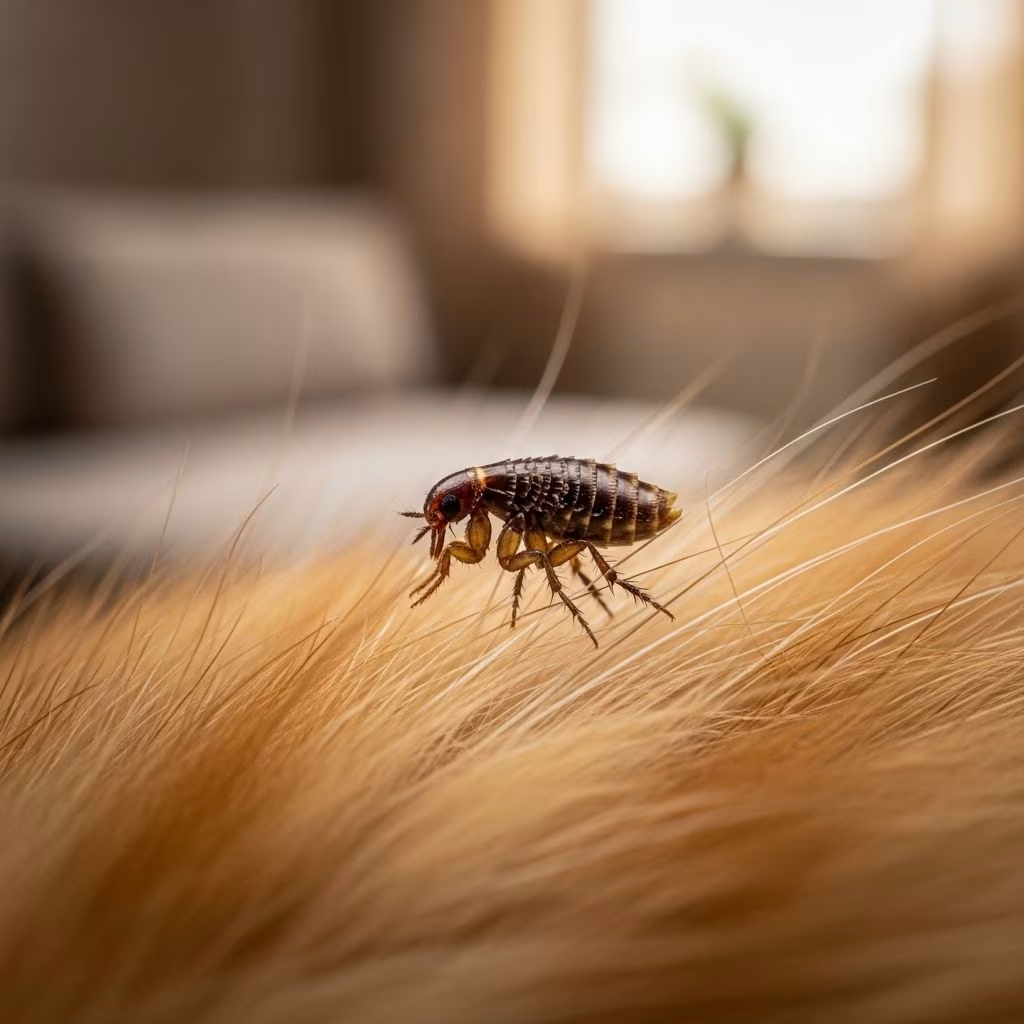
Many cat owners assume that keeping their feline companions strictly indoors provides complete protection from parasites like fleas. However, the reality is more complex. Fleas can infiltrate even the most carefully controlled indoor environments through multiple pathways, surprising many pet owners who discover their exclusively indoor cats scratching and infested with these persistent pests. Understanding how fleas breach your home’s defenses is the first step toward implementing effective prevention strategies.
The Unexpected Ways Fleas Enter Your Home
Indoor cats can contract fleas through numerous routes that many owners never consider. These parasites are remarkably resourceful, and their ability to find their way into homes is part of what makes them such a persistent problem for pet owners worldwide.
Human Visitors and Clothing
One of the most common yet overlooked transmission routes involves your guests and their clothing. Fleas can hitchhike on the clothing, shoes, and bags of people visiting your home. Once inside, these parasites seek out your cat or establish themselves in your living spaces. If a visitor has been around flea-infested animals—whether their own pets or strays—fleas can easily transfer to your home during their visit. This transmission method doesn’t require direct contact between animals; fleas simply need access to a warm-blooded host.
Other Household Pets
If you have multiple pets in your home, the transmission risk increases significantly. Dogs that have outdoor access represent a primary risk factor. Even brief outdoor excursions expose dogs to fleas, which then travel inside when the dog returns. Rabbits, guinea pigs, and other small pets can also harbor fleas. If these animals have any outdoor exposure or contact with wildlife, they can bring fleas into your indoor environment. Fleas don’t discriminate between species; they will readily move from one pet to another or to humans, then ultimately to your cat.
Wildlife and Pest Access
Rodents and other wildlife can serve as flea reservoirs. Mice, rats, possums, and raccoons frequently carry fleas and may enter homes through small gaps, cracks, or holes in the foundation, walls, or roof. Once inside, these animals can leave fleas behind even if they don’t directly contact your cat. Wildlife that nests in attics, crawl spaces, or wall cavities can infest your home’s interior with fleas from their own populations. Additionally, feral cats in your neighborhood may leave flea-infested material near windows or doors, contributing to household contamination.
Contaminated Objects and Materials
Fleas can arrive on secondhand furniture, bedding, or other used items brought into your home. Thrift store purchases, hand-me-down furniture, or items obtained from other homes with flea problems can harbor flea eggs, larvae, or pupae. These items may not show obvious signs of infestation, making it difficult for owners to recognize the risk before bringing them inside. Even items stored in garages or basements can develop flea populations if wildlife has accessed those spaces.
Understanding the Flea Life Cycle and Indoor Survival
Fleas thrive in indoor environments because homes provide ideal conditions for their rapid reproduction. Understanding this life cycle helps explain why indoor infestations can escalate quickly.
Fleas progress through four distinct life stages: egg, larva, pupa, and adult. Adult fleas spend most of their time on the host animal, feeding and reproducing. However, eggs fall off the host into the environment—carpets, bedding, furniture, and floor crevices. These eggs hatch into larvae within days, which then burrow into protected areas like the spaces under cushions, within carpet fibers, and along baseboards. The larval stage can last several days to weeks depending on environmental conditions. Eventually, larvae pupate in protective cocoons that can remain dormant for extended periods. When conditions are right—triggered by vibrations, body heat, or carbon dioxide—adult fleas emerge from pupae and immediately seek a host.
Indoor environments provide perfect conditions for this entire cycle. Consistent temperatures, protection from the elements, and abundant potential hosts allow fleas to reproduce continuously throughout the year. Unlike outdoor flea populations that experience seasonal die-offs in cold weather, indoor fleas can establish year-round infestations.
Why Your Indoor Cat Remains Vulnerable
The belief that indoor cats are immune to fleas stems from a misunderstanding of flea biology and transmission. Indoor living doesn’t eliminate exposure; it simply changes the exposure pathways.
Your cat doesn’t need to go outside to encounter fleas. Every person who enters your home, every package delivered, and every piece of secondhand furniture represents a potential vector. Additionally, if your home has any structural vulnerabilities—gaps around doors and windows, foundation cracks, or openings where utilities enter—wildlife can access your interior spaces. Once fleas establish themselves in your home’s environment, they don’t need your cat to go outside; your cat comes to them.
Recognizing Flea Infestation in Your Indoor Cat
Early detection is crucial for preventing infestations from becoming severe. Several signs indicate your cat has fleas:
- Excessive scratching, licking, or biting at the skin, particularly around the neck, back, and hindquarters
- Hair loss or bald patches resulting from self-trauma caused by scratching
- Flea dirt (flea feces that appears as dark specks) visible on your cat’s skin or in bedding
- Red or irritated skin, sometimes with open sores from scratching
- Pale gums indicating potential anemia from blood loss in severe infestations
- Behavior changes such as restlessness or difficulty sleeping due to discomfort
- Scabs or dermatitis on the skin
Use a fine-tooth flea comb to inspect your cat’s fur more closely. Run the comb through your cat’s coat and check both the comb and a white paper towel for flea dirt or live fleas. This simple tool can help confirm suspicions before contacting your veterinarian.
Treatment Options for Infected Cats
Once your cat has fleas, multiple treatment approaches are available. The most effective options depend on your cat’s age, health status, and your preference for application method.
Topical Preventatives
Spot-on treatments applied to the skin at the back of the neck are among the most popular options. Products containing fipronil kill adult fleas and ticks, while additional ingredients can disrupt the flea life cycle by preventing egg and larval development. These treatments typically provide monthly protection and spread across the entire body as they dry. They’re relatively easy to apply and don’t require convincing your cat to swallow medication.
Oral Medications
Oral flea treatments, available as chewable tablets or capsules, provide an alternative for cats that cannot tolerate topical products or have sensitive skin. Some oral medications work within 30 minutes and can kill 98% of adult fleas within four hours. These products are particularly useful for cats that resist handling or have skin conditions aggravated by topical treatments.
Flea Collars
Modern flea collars, such as those using sustained-release technology, provide eight months of continuous protection. These collars use patented systems to release medication gradually over time, killing fleas on contact and preventing infestations. They’re particularly useful for people who struggle to remember monthly treatments or for cats that roam outdoors frequently.
Flea Shampoos and Sprays
While flea shampoos kill adult fleas at the time of application, they provide minimal lasting protection, leaving your cat vulnerable to reinfestation within days. Sprays should target areas where flea eggs, larvae, and pupae concentrate, such as soft furniture and carpets. These options work best as part of a comprehensive treatment plan rather than as standalone solutions.
Environmental Control and Home Treatment
Treating your cat alone is insufficient for eliminating fleas. The majority of fleas exist in your home’s environment rather than on your cat, making thorough household treatment essential.
Vacuuming Strategy
Vacuuming is one of your most important weapons against fleas. The process should be comprehensive and repeated regularly:
- Vacuum all carpets, rugs, and hard floors thoroughly, paying special attention to edges where walls meet floors
- Move furniture and vacuum underneath, including under cushions and seat crevices
- Target baseboards, floor seams, and areas where your cat spends the most time
- Vacuum before applying house treatments, as the vibrations encourage pupae to emerge from cocoons where they’re vulnerable to insecticides
- Dispose of vacuum bags immediately in sealed plastic garbage bags to prevent eggs and larvae from developing inside the vacuum cleaner
Repeat vacuuming daily initially, then maintain weekly cleaning of areas where your cat frequents.
Laundry and Bedding
Wash all bedding in the household—both your cat’s and your own—in hot water and dry on the highest heat setting. This approach removes flea eggs and pupae that have accumulated in fabric. Hot water is particularly effective because flea eggs and pupae are extremely tough and resistant to insecticides, but heat destroys them.
Furniture Treatment
Soft furniture like couches, chairs, and cushions require special attention. Wash removable covers in hot water if possible. For non-removable upholstery, use targeted spray applications specifically designed for furniture, focusing on cracks, crevices, and areas where your cat rests. Move cushions and furniture to spray underneath these items thoroughly.
Chemical Treatments
For heavy infestations, household sprays containing an adulticide plus an Insect Growth Regulator (IGR) are highly effective. IGRs prevent flea eggs, larvae, and pupae from developing into adults, breaking the reproduction cycle. Apply these treatments according to label directions, concentrating on areas where immature fleas concentrate. You may need to repeat treatments at two-week intervals for severe infestations, as it typically takes two or three applications to eliminate all flea life stages.
Comprehensive Treatment Timeline
| Treatment Phase | Actions | Duration |
|---|---|---|
| Initial Treatment | Treat your cat with flea medication; vacuum and wash all bedding; apply household spray | Day 1 |
| Follow-up Cleaning | Continue daily vacuuming; wash bedding weekly | Days 2-14 |
| Second Treatment | Repeat household spray application and thorough vacuuming | Day 14 |
| Third Treatment (if needed) | Repeat household spray if fleas are still present | Day 28 |
| Maintenance | Continue monthly cat treatment; weekly vacuuming and bedding washing | Ongoing |
Prevention Strategies for Indoor Cats
Preventing flea infestations is far easier than treating them. Year-round flea prevention is recommended for all cats, regardless of whether they have outdoor access.
Consistent Preventative Medication
The most reliable prevention involves using veterinarian-recommended flea and tick preventatives year-round. Consistent use prevents infestations from establishing in the first place. This approach is more cost-effective and stress-reducing than dealing with established infestations.
Home Management
- Minimize clutter where fleas can hide and establish populations
- Designate specific areas for your cat to sleep and rest, concentrating cleaning efforts there
- Maintain regular cleaning routines, including weekly vacuuming and bedding washing
- Seal gaps and cracks in your home’s exterior to prevent wildlife entry
- Screen vents and close off crawl spaces that wildlife might use
Visitor and Guest Management
While you can’t quarantine guests, you can take precautions. If you know visitors have pets, request that they avoid sitting on furniture where your cat rests. Wash clothing or items that have been exposed to other animals, and consider asking about flea status before visits from people with pets.
Secondhand Item Screening
Before bringing used furniture, bedding, or other fabric items into your home, inspect them carefully for signs of fleas or flea dirt. If there’s any doubt about an item’s history, consider washing it in hot water or leaving it outside in direct sunlight for several days before bringing it inside.
When to Contact Your Veterinarian
Consult your veterinarian if:
- Your cat is scratching excessively and you suspect fleas
- You discover fleas despite preventative measures
- Your cat develops skin infections or shows signs of anemia
- You’re unsure which flea prevention product is appropriate for your cat’s age and health status
- Your cat has allergic reactions or sensitivity to flea treatments
Your veterinarian can recommend the most appropriate treatment based on your cat’s individual needs and prescribe medications that work best for your household situation.
Frequently Asked Questions
Can indoor cats get fleas without going outside?
Yes, absolutely. Fleas can enter homes through human visitors, other pets, wildlife, and contaminated items. Indoor living does not guarantee flea-free status.
How long does it take to eliminate an indoor flea infestation?
Typically, a comprehensive treatment plan takes two to four weeks. Heavy infestations may require multiple treatments at two-week intervals. Consistent environmental control is crucial throughout this period.
Is it safe to use flea treatments on kittens?
Most flea treatments have age restrictions. Some products are not labeled for use in kittens younger than 14 weeks or in pregnant or nursing cats. Always consult your veterinarian to determine which treatments are safe for your specific kitten.
Do I need to treat all my pets for fleas?
Yes. Fleas reproduce rapidly and easily jump between pets. Every animal in your household should receive treatment to prevent reinfestation.
Why does my indoor cat keep getting fleas?
Continuous reinfection typically indicates either incomplete environmental treatment, the flea prevention being missed or improperly applied, or ongoing introduction of fleas from external sources like wildlife or visitors. Review your prevention routine and household cleaning practices.
References
- Control Fleas on Your Pet, Your House, and Your Yard — Mississippi State University Extension. https://extension.msstate.edu/publications/control-fleas-your-pet-your-house-and-your-yard
- Flea Control in Cats — VCA Animal Hospitals. https://vcahospitals.com/know-your-pet/flea-control-in-cats
- The Best Flea and Tick Treatments for Cats in 2026 — Business Insider. 2026. https://www.businessinsider.com/guides/pets/best-flea-prevention-cats
- 5 Ways Indoor Cats Can Get Fleas — PetMD. https://www.petmd.com/cat/general-health/ways-indoor-cats-can-get-fleas



