

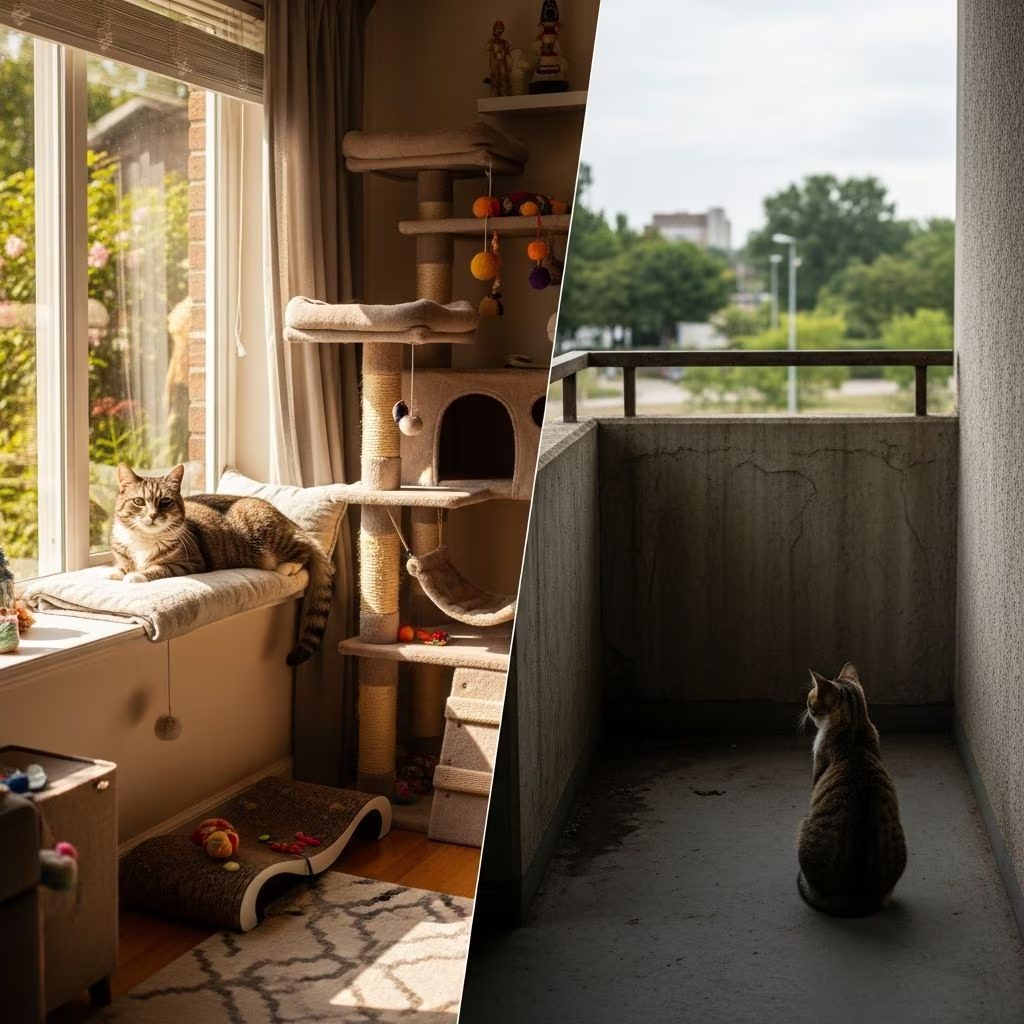
Keeping cats indoors sparks debate among pet owners: does it deprive them of natural freedoms or protect them from deadly dangers? Evidence from veterinary sources shows indoor living significantly boosts lifespan and health, though it demands proactive enrichment to prevent boredom and related issues.
The Safety Edge of Indoor Living
One of the strongest arguments for indoor cats centers on unparalleled protection from external threats. Cats roaming outside face constant risks from vehicles, predators, and territorial conflicts, which drastically shorten their lives. Indoor confinement eliminates these hazards entirely.
- Traffic accidents: Outdoor cats are frequently struck by cars, a leading cause of feline fatalities.
- Predator attacks: Dogs, coyotes, and even larger cats pose lethal dangers in many areas.
- Toxins and hazards: Antifreeze, pesticides, and garbage expose roamers to poisoning.
By staying inside, cats avoid tracking in contaminants like fleas, ticks, and dirt, safeguarding not just themselves but household humans and other pets too.
Health and Longevity Advantages
Statistics underscore a clear winner: indoor cats outlive their outdoor peers by years. Typical lifespans for housebound felines range from 12 to 18 years, compared to just 2 to 5 years for free-roaming ones. This gap stems from reduced disease exposure and easier health monitoring.
| Aspect | Indoor Cats | Outdoor Cats |
|---|---|---|
| Average Lifespan | 12-18 years | 2-5 years |
| Disease Risk (FeLV, FIV) | Low | High |
| Parasite Exposure | Minimal | Frequent (fleas, ticks, worms) |
| Vet Costs | Lower overall | Higher due to injuries |
Controlled diets prevent obesity better indoors, where owners portion meals precisely, unlike scavengers who overeat sporadically. Early illness detection is simpler too, as indoor cats receive prompt care without venturing far.
Environmental and Household Benefits
Beyond personal health, indoor living curbs cats’ predatory impact on wildlife. Free roamers kill billions of birds and small mammals annually, disrupting ecosystems. House cats rarely hunt, sparing local fauna and reducing messy “gifts” like dead critters on doorsteps.
Financial perks include fewer emergency vet trips. Injuries from fights or falls demand costly treatments, whereas indoor routines mean routine checkups and preventive care only.
Challenges of Confinement: Boredom and Behavior
Critics argue indoor life stifles cats’ exploratory nature, leading to frustration. Felines are wired for hunting, climbing, and patrolling territories—instincts dulled by walls. Without outlets, problems emerge.
- Obesity risk: Limited space means less natural activity, spiking diabetes and joint issues.
- Stress behaviors: Scratching furniture, spraying urine, or excessive meowing signal unmet needs.
- Lethargy: Boredom fosters laziness, eroding playfulness post-kittenhood.
In multi-cat homes, cramped quarters amplify tensions, sparking fights or anxiety. Watching outdoor peers through windows adds insult, heightening stress.
Outdoor Appeals: Freedom and Fitness
Advocates for outdoor access highlight vitality gains. Roaming provides boundless exercise, leaner bodies, and mental stimulation from novel scents and sights. Sunlight boosts vitamin D and mood, while social interactions with neighborhood cats fulfill independence.
However, these perks come at steep costs: rampant diseases like FIV and FeLV spread via fights, and parasites thrive outdoors. Owners lose dietary oversight, as hunters supplement kibble with unpredictable prey.
Compromise Solutions for Feline Fulfillment
Neither extreme suits every cat. Hybrid approaches balance safety with stimulation.
- Enclosed spaces: Catio enclosures or screened porches let cats breathe fresh air safely.
- Window vantage points: Perches by bird feeders mimic hunting without escape risks.
- Vertical realms: Multi-level cat trees and wall shelves expand indoor territories.
- Interactive play: Puzzle feeders, laser pointers, and feather wands channel predatory drives.
Leash training or supervised yard time works for some, but demands vigilance against escapes.
Enriching the Indoor Kingdom
Transform homes into cat paradises to counter cruelty claims. Rotate toys weekly to sustain interest, and schedule daily 15-minute play sessions. Automated feeders dispense meals at random intervals, sparking hunt simulations.
For long-haired breeds, indoor life eases grooming by avoiding burrs and mud. Monitor weight with monthly weigh-ins, adjusting food for activity levels.
Assessing Your Cat’s Needs
Individual factors dictate the best setup. Urban dwellers favor indoors due to traffic density, while rural owners might risk supervised outings. Age matters: seniors benefit from safety, kittens from play-rich indoors.
Consult vets for personalized advice, especially on vaccines if partial outdoor access is planned. Track behavior post-changes; persistent issues signal inadequate enrichment.
Frequently Asked Questions
Do indoor cats live longer?
Yes, indoor cats average 12-18 years versus 2-5 for outdoor ones, thanks to fewer injuries and diseases.
Can indoor cats be happy?
Absolutely, with ample toys, climbing structures, and interaction. Enrichment mimics outdoor thrills.
What if my cat begs to go out?
Redirect with window perches or play. Escapes risk panic in street-naive indoor cats.
Is a catio worth building?
Highly, offering safe outdoor vibes without dangers.
How to prevent indoor obesity?
Portion control, interactive feeders, and daily exercise keep weights ideal.
Key Takeaways for Cat Owners
Indoor living isn’t cruel when paired with thoughtful enrichment—it’s often the kindest path to longevity. Prioritize safety while fueling instincts through creative setups. Your cat thrives safest under your roof, adventures included.
References
- Indoor vs. Outdoor Cats: The Pros and Cons — Coastal Paws Pet Resort. 2023. https://www.coastalpawspetresort.com/indoor-vs-outdoor-cats-the-pros-and-cons/
- Indoor vs. Outdoor Cats: Health Risks and Benefits — Orchard Road Animal Hospital. 2024. https://www.orchardroadanimalhospital.com/services/cats/blog/indoor-vs-outdoor-cats-health-risks-and-benefits
- Pros and cons: Indoor vs. outdoor cats — Banfield Pet Hospital. 2025. https://www.banfield.com/Wellness-at-banfield/kitten-hub/indoor-vs-outdoor-cats
- Indoor Cats vs. Outdoor Cats — American Humane Society. 2024. https://www.americanhumane.org/public-education/indoor-cats-vs-outdoor-cats/
- Are outdoor cats happier? — Animal Humane Society. 2023. https://www.animalhumanesociety.org/resource/are-outdoor-cats-happier



