
Keeping Indoor Cats Stimulated and Content
Transform your home into an engaging playground for your feline friend
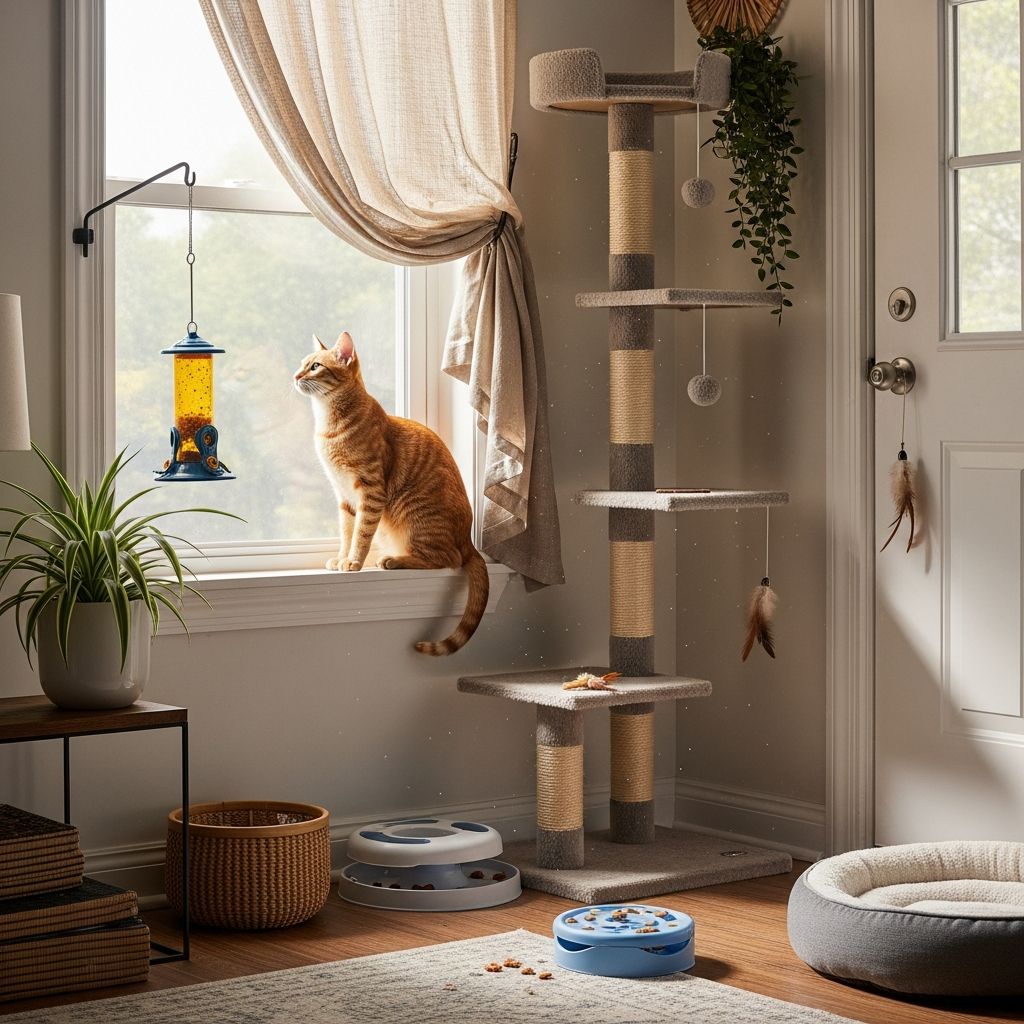
Indoor cats face unique challenges when it comes to staying mentally and physically engaged. Unlike their outdoor counterparts, house cats have limited opportunities for natural exploration, hunting, and territorial investigation. This confined lifestyle can lead to restlessness, behavioral issues, and a general sense of dissatisfaction. However, with thoughtful planning and creative enrichment strategies, you can transform your home into a dynamic environment that fulfills your cat’s psychological and physical needs.
The key to a happy, well-adjusted indoor cat lies in understanding that enrichment isn’t complicated or expensive. Using items already present in most households, combined with strategic play sessions and mental challenges, you can create an engaging lifestyle that keeps your feline companion thriving.
Understanding Why Mental Engagement Matters for Your Cat
Cats are sophisticated creatures with complex behavioral needs that extend far beyond food and shelter. They possess natural instincts to hunt, explore, climb, and investigate their surroundings. When these instincts go unaddressed, cats often develop behavioral problems and stress-related issues.
Research indicates that enrichment activities help indoor cats by reducing stress, preventing unwanted behaviors, and allowing them to express natural instincts in appropriate ways. When cats lack sufficient stimulation, they may engage in destructive scratching, excessive vocalization, pacing, or overgrooming—all signs that they’re seeking an outlet for pent-up energy and frustration.
Beyond preventing negative behaviors, enrichment strengthens the bond between you and your cat. Shared activities build communication, trust, and mutual understanding, transforming your relationship into something more interactive and rewarding for both parties.
Interactive Play Sessions: The Foundation of Daily Enrichment
Regular, purposeful play sessions form the cornerstone of any enrichment program. These interactions provide physical exercise while tapping into your cat’s natural hunting drive. The variety of play options available ensures that even the most selective cats can find something engaging.
Wand and String Toys
Wand toys with feathers, strings, or small attachments simulate the movement of prey animals, triggering your cat’s chase-and-pounce instincts. These toys allow you to control the pace and direction of play, making them excellent for interactive sessions. The key is varying your movements—sudden stops, quick darts, slow drags—to keep your cat engaged and challenged.
Laser Pointers and Light-Based Entertainment
Laser pointers provide an excellent cardiovascular workout by encouraging rapid chasing and directional changes. The unpredictable nature of the moving dot maintains your cat’s interest and challenges their reflexes. However, always conclude laser play sessions by allowing your cat to “catch” a physical toy, providing a satisfying sense of accomplishment rather than endless pursuit with no resolution.
Fetch and Retrieval Games
Many people assume cats don’t play fetch, but certain breeds—particularly Bengals, Abyssinians, and Siamese cats—naturally enjoy this activity. Tossing lightweight toys like small plushies or crinkle balls can encourage your cat to retrieve and return items. Using positive reinforcement strengthens this behavior and provides an engaging interactive experience.
Puzzle Feeding and Cognitive Challenges
Mealtime presents an ideal opportunity to incorporate mental stimulation into your cat’s daily routine. Rather than simply placing food in a bowl, interactive feeders and puzzle toys transform eating into a rewarding problem-solving activity.
Commercial Puzzle Toys
Interactive treat-dispensing toys range from simple designs for beginners to complex puzzles with multiple steps. These toys encourage foraging behavior, mimic natural hunting patterns, and slow down cats that eat too quickly. The mental engagement required to access the food provides substantial cognitive stimulation in a relatively short timeframe.
DIY Feeding Enrichment
Creating your own puzzle feeders costs little and often proves just as effective. A common approach involves using a standard muffin tin: place cat treats or kibble in the cups and cover them with small toys or balls. Your cat must manipulate the covers to access the food. As your cat masters this game, increase difficulty by filling only some cups while covering all of them, forcing your cat to problem-solve which cups contain rewards.
Alternative DIY options include egg cartons and ice cube trays, which can be modified to create varying levels of difficulty as your cat’s skills improve.
Clicker Training: Building Communication and Trust
Clicker training, long associated with dog training, works remarkably well with cats. This method uses a small clicking device to mark the precise moment your cat performs a desired behavior, followed immediately by a reward.
Getting Started with Clicker Training
Begin by establishing an association between the clicker sound and treats. Click the device, then immediately provide a reward. After several repetitions, your cat learns that the click predicts something positive. Once this connection is established, you can use the clicker to reinforce specific behaviors.
Training Applications
Clicker training can teach your cat to sit, spin, give high-fives, or jump through hoops. Beyond simple tricks, this training method has practical applications for cooperative care. Cats trained using clicker methods respond better to nail trims, grooming, medication administration, and veterinary visits. The shared language you develop through training builds a stronger relationship while giving your cat appropriate outlets for mental engagement.
Physical Exercise Through Environmental Design
Creating an environment that encourages movement and exploration significantly impacts your cat’s daily activity level and mental satisfaction.
Vertical Space Development
Cats possess a natural affinity for heights, which provides safety, territorial surveying capability, and escape routes. Investing in cat trees, wall-mounted shelves, or DIY climbing structures addresses this instinct while encouraging vertical movement. These elevated spaces should be strategically placed near windows, on stable surfaces, and distributed throughout your home to encourage exploration.
Obstacle Courses and Movement Challenges
Transform your living space into an agility course using pillows, blankets, cardboard boxes, and tunnels. Arrange these obstacles to create pathways and hiding spots. Guide your cat through the course using a wand toy or treat trail, encouraging climbing, jumping, crawling, and strategic navigation. This type of structured play combines physical exercise with mental engagement as your cat plans routes and overcomes obstacles.
Indoor Exploration and Hiding Spaces
Cardboard boxes, paper bags, and various hiding spots provide safe spaces for your cat while encouraging exploration. Rotating these items periodically maintains novelty and prevents habituation. Many cats find comfort and entertainment in simple, inexpensive options that provide security while satisfying their need to hide and observe.
Solo Entertainment Options for Independent Play
Not every enrichment activity requires your direct participation. Self-play toys allow your cat to engage independently, which is particularly valuable when you’re busy or away from home.
Toys That Encourage Self-Play
Catnip-filled toys, springs, crinkle balls, and wall-mounted toys provide entertainment without requiring your involvement. Crumpled paper balls and paper bags with handles removed offer simple, free options that many cats find endlessly entertaining.
Interactive Robotic Toys
Battery-operated toys with unpredictable movements, such as robotic mice or hexbug-type devices, maintain your cat’s interest through novelty and surprise. These toys are particularly valuable for cats that spend extended periods alone, as they provide consistent engagement and mental stimulation.
Outdoor Enrichment Within Safe Parameters
Safely introducing outdoor experiences expands your cat’s environmental variety and provides rich sensory stimulation.
Harness and Leash Training
Teaching your cat to walk on a leash and harness opens new avenues for exploration and physical activity. Begin by allowing your cat to investigate the equipment at their own pace, then gradually acclimate them to wearing it indoors before venturing outside. Pairing the equipment with positive experiences, such as treats, facilitates acceptance and comfort.
Outdoor Puzzle Toys and Catios
Introducing puzzle feeders to a secure outdoor space or catio provides mental stimulation with environmental variety. The new setting adds sensory interest while maintaining safety. Similarly, enclosed outdoor spaces allow cats to experience fresh air, natural light, and outdoor sights and sounds while remaining protected from predators and traffic hazards.
Creative DIY Enrichment Projects
Effective enrichment doesn’t require purchasing expensive commercial products. Many household items can be repurposed into engaging toys and activities.
Sock Toys and Crinkle Balls
Fill old socks with catnip or silvervine, tie them securely, and provide them to your cat for kicking and batting. Crumpled foil or parchment paper formed into small balls offers auditory and tactile stimulation, with the optional addition of a string for interactive play.
Box Mazes and Peek-a-Paw Games
Stack and tape cardboard boxes together, cutting holes between them to create mazes and hiding spaces. For peek-a-paw games, cut holes in a closed box and place toys inside, encouraging your cat to reach through the openings and engage their hunting instincts.
Treat Hunts and Hide-and-Seek
Hide treats around your home, starting with obvious locations and gradually increasing difficulty. This activity combines mental engagement with mild physical activity, encouraging your cat to explore and problem-solve.
Maintaining Novelty and Preventing Habituation
Even the most engaging toy loses appeal through overexposure. Strategic rotation and variety maintenance prevent habituation and maintain your cat’s interest.
Rather than leaving all toys accessible simultaneously, store most items and rotate them periodically. Reintroducing a toy after it’s been hidden for several weeks creates renewed interest and excitement. Additionally, regularly introducing new toys, activities, and environmental changes keeps your cat’s environment stimulating and challenging.
Social Connection Through Shared Activities
While cats possess independent natures, they are fundamentally social animals requiring meaningful interaction. Structured play sessions, training activities, and collaborative enrichment projects strengthen your bond while providing essential engagement.
Even brief five-minute training sessions or play periods leave cats sufficiently mentally and physically fatigued to enjoy extended rest periods, demonstrating enrichment’s efficiency and effectiveness.
Addressing Common Questions About Cat Enrichment
How much time should I dedicate to enrichment activities?
Begin with two to three interactive play sessions daily, each lasting 5-15 minutes. Most cats respond well to shorter, frequent sessions rather than extended play. As you observe your cat’s preferences, adjust frequency and duration accordingly. Self-play toys and environmental enrichment provide additional engagement when you’re unavailable.
My cat ignores new toys. What should I do?
Some cats require time to acclimate to new items. Place toys in their environment without pressure, allowing voluntary exploration. Try different types—wand toys, balls, interactive puzzles—to identify your cat’s preferences. Infusing toys with catnip or silvervine can increase appeal. Remember that novelty matters; toys that seem ignored may regain interest after storage and reintroduction.
Can indoor-only cats be satisfied without outdoor access?
Absolutely. Well-designed indoor environments with diverse enrichment opportunities fully satisfy most cats’ physical and psychological needs. Harness training, window access, outdoor sounds, and varied indoor activities provide sufficient stimulation for indoor-only cats.
Is expensive enrichment necessary?
No. Effective enrichment often involves repurposed household items, free environmental modifications, and your own engagement. Cardboard boxes, paper bags, string, and simple DIY projects frequently prove as entertaining as commercial products.
Creating a Comprehensive Enrichment Plan
A successful enrichment program combines multiple approaches tailored to your individual cat’s preferences and personality. Assess your cat’s natural tendencies—some cats prefer physical play, others enjoy puzzle-solving—and design activities accordingly.
Combining interactive play, cognitive challenges, environmental modifications, and social engagement creates a holistic approach that addresses all aspects of your cat’s well-being. Regular evaluation and adjustment ensure your enrichment strategies remain effective and engaging over time.
By committing to consistent enrichment practices, you’re investing in your cat’s long-term health, happiness, and contentment. The result is a more engaged, well-adjusted companion and a stronger relationship between you and your feline friend.
References
- Cat Enrichment: What to Do if Your Cat Is Bored — Preventive Vet. Accessed April 2026. https://www.preventivevet.com/cats/cat-enrichment-for-bored-cats
- The Ultimate Guide to Cat Enrichment: Toys, Games, and DIY Ideas — Birds Be Safe. Accessed April 2026. https://www.birdsbesafe.com/blogs/news/ultimate-cat-enrichment-guide
- 14ish Fun Ideas for DIY Enrichment For Cats — Class Act Cats. Accessed April 2026. https://classactcats.com/blog/14ish-fun-ideas-for-diy-enrichment-for-cats/
- How Enrichment Helps Bored Cats — PetMD. Accessed April 2026. https://www.petmd.com/cat/general-health/how-enrichment-helps-bored-cats
- The Best Indoor Cat Enrichment Ideas: Toys, Puzzles, and More — Best Friends. Accessed April 2026. https://bestfriends.org/pet-care-resources/best-indoor-cat-enrichment-ideas-toys-puzzles-and-more
- DIY Enrichment for Cats — Humane Animal Partners. Accessed April 2026. https://www.humaneanimalpartners.org/diy-enrichment-for-cats/
Similar Articles








Read full bio of Sneha Tete




