

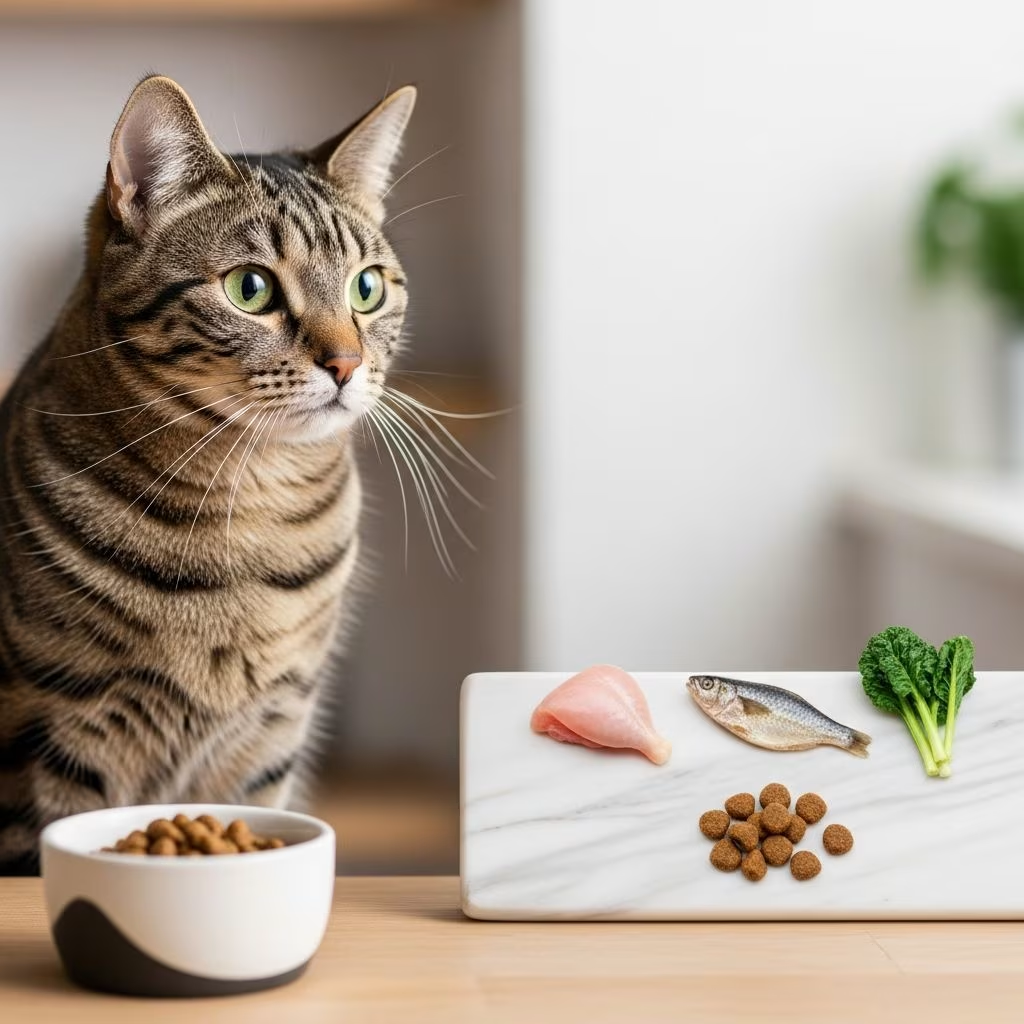
Selecting the appropriate diet for your feline companion involves more than simply choosing a popular brand or following general pet care advice. The environment in which your cat lives significantly influences their nutritional requirements, energy expenditure, and overall health needs. Indoor cats, in particular, benefit from specially formulated nutrition that addresses the unique challenges of a sedentary lifestyle. This comprehensive guide explores why indoor cats require different nutritional approaches than their outdoor counterparts and how to make informed decisions about your pet’s diet.
The Foundation of Feline Nutrition
All cats, regardless of whether they spend their days indoors or roaming freely outside, share fundamental nutritional requirements. Cats are obligate carnivores, meaning they derive essential amino acids, vitamins, and minerals primarily from animal-based proteins. Every feline requires adequate protein, essential fatty acids, and a balanced spectrum of vitamins and minerals to maintain optimal health and bodily function. Despite these universal requirements, the quantity and specific formulation of these nutrients must be tailored to match each cat’s lifestyle and activity level.
The distinction between indoor and outdoor cat food formulas reflects these lifestyle differences rather than fundamental variations in what cats need to survive. Understanding these distinctions helps pet owners make informed nutritional choices that support their cat’s long-term wellness.
Caloric Needs and Weight Management in Indoor Environments
The most significant difference between indoor and outdoor cat food formulas is caloric density. Indoor cats typically expend considerably less energy than outdoor cats due to their more sedentary lifestyle. While an outdoor cat might cover several kilometers daily exploring territory, hunting, or engaging in natural behaviors, an indoor cat’s activity is confined to a home environment with limited opportunities for vigorous exercise.
This fundamental difference in energy expenditure creates a compelling reason for caloric adjustments in indoor cat formulas. Feeding an indoor cat food designed for an active outdoor cat can lead to excessive calorie consumption, ultimately resulting in unwanted weight gain. Obesity in cats presents serious health consequences that extend far beyond appearance:
- Development of type 2 diabetes mellitus
- Increased strain on joints and skeletal system
- Digestive and gastrointestinal disorders
- Compromised cardiovascular health
- Skin conditions and reduced coat quality
- Decreased lifespan and quality of life
Indoor cat food formulas address this concern by reducing caloric density while maintaining portion sizes that keep cats feeling satisfied. This approach allows owners to feed their pets adequate volume without excessive calorie intake, comparable to the difference between consuming a large portion of lean protein versus fatty cuts of meat.
Fiber Content and Hairball Prevention
Indoor cats face a unique digestive challenge that warrants specialized nutritional intervention: excessive hairball formation. The increased time indoor cats spend grooming themselves, combined with their continuous exposure to their own fur and confined space, leads to greater ingestion of hair strands. This accumulated fur can clump in the digestive system, causing discomfort, vomiting, and potentially serious blockages requiring veterinary intervention.
To combat this issue, most indoor cat food formulas incorporate elevated fiber levels. This increased fiber content serves multiple purposes in promoting digestive health:
- Traps loose hair and assists movement through the gastrointestinal tract
- Prevents hair accumulation and clumping in the stomach
- Supports overall digestive function and regularity
- Reduces caloric density while maintaining satiety
- Promotes healthy gut bacteria and microbiome balance
The strategic use of fiber in indoor formulas addresses multiple health concerns simultaneously. Beyond hairball management, adequate fiber helps indoor cats maintain healthy body weight by increasing the volume of food without proportionally increasing calories. Pet owners can further support hairball prevention by ensuring their indoor cats maintain proper hydration, as adequate water intake significantly reduces the likelihood of hair-related digestive issues.
Mineral Adjustments for Urinary Health
Indoor cats experience higher rates of urinary tract problems compared to their outdoor counterparts, necessitating specific mineral adjustments in their diet. Certain minerals, when present at elevated levels, can contribute to crystal and stone formation within the urinary tract, potentially causing painful conditions or requiring surgical intervention. Indoor cat food formulas typically incorporate lower levels of these minerals to reduce the risk of urinary complications.
This proactive nutritional adjustment represents an important preventative health measure for indoor cats, helping to reduce the incidence of conditions such as feline lower urinary tract disease (FLUTD). By selecting indoor formulas specifically designed with these mineral considerations, owners can help protect their cats from painful and expensive medical conditions.
Comparing Indoor and Outdoor Cat Nutritional Profiles
| Nutritional Component | Indoor Cat Food | Outdoor Cat Food |
|---|---|---|
| Caloric Density | Lower, optimized for sedentary lifestyle | Higher, supports active exploration and hunting |
| Fiber Content | Elevated to prevent hairballs | Standard levels, less hairball concern |
| Mineral Profile | Lower levels to protect urinary health | Higher mineral content for active metabolism |
| Protein Levels | Adequate but slightly lower fat content | Higher protein and fat for energy needs |
| Purpose | Weight management and disease prevention | Energy support for active lifestyle |
Nutritional Requirements for Outdoor and Active Cats
Outdoor cats and indoor cats with access to larger living spaces or enrichment equipment have substantially different energy requirements. Research demonstrates that free-roaming cats can travel impressive distances daily, with some covering several kilometers in a single day. This constant activity, combined with hunting instincts and territorial patrol behaviors, creates significant caloric demands that indoor formulas cannot adequately address.
Outdoor cat food formulas reflect these higher energy needs through increased caloric density, elevated protein content, and higher fat levels. The protein boost supports muscular development and maintenance, while increased fat provides concentrated energy for sustained activity. However, outdoor cats present their own dietary management challenges, as they may supplement their diet with prey catches or receive additional food from well-meaning neighbors, requiring careful portion monitoring.
Assessing Your Individual Cat’s Needs
The distinction between indoor and outdoor formulas provides a useful framework, but individual cats often fall outside these neat categories. A cat spending most of its time indoors but with access to a stimulating environment with climbing structures and exercise wheels may thrive on a standard or active formula. Conversely, an outdoor cat that spends most of its time sunbathing in a sheltered garden may do perfectly well on an indoor formula.
Several factors should influence your nutritional decisions for your specific cat:
- Actual activity level and daily movement patterns
- Current body weight and condition score
- Age and metabolic rate
- Any existing health conditions or medical dietary requirements
- Individual preferences and eating behaviors
- Access to supplemental food from outside sources
Rather than assuming an indoor or outdoor label applies perfectly to your cat, assess your individual pet’s circumstances and consult with your veterinarian about the most appropriate formula. Professional guidance proves invaluable, especially for cats with specific health concerns or unusual lifestyle patterns.
Feeding Quantity and Outdoor Cat Considerations
Many cat owners assume that outdoor cats require larger portions due to their activity level, but this oversimplifies the actual nutritional picture. While outdoor cats do burn more calories, they often supplement their provided diet with hunting successes and snacks from other households. This opportunistic feeding means that providing the same increased portions you might expect could result in excessive overall calorie consumption.
The key to managing outdoor cat nutrition involves careful monitoring of body weight and condition, with portion adjustments based on observable results rather than assumptions. Some outdoor cats benefit from identification collars indicating they should not be fed by other community members, helping ensure consistent nutritional management. This practice proves particularly important if your cat needs to follow a special medical diet for health reasons.
Selecting High-Quality Indoor Cat Food
Beyond understanding the nutritional differences between indoor and outdoor formulas, selecting a high-quality food remains paramount. Premium indoor cat formulas should provide complete and balanced nutrition containing all essential amino acids, vitamins, and minerals your cat requires. Look for foods with animal-based protein as primary ingredients, avoiding formulas that rely heavily on grain fillers or low-quality protein sources.
Quality ingredients support not only proper nutrition but also digestive health, coat quality, and overall wellness. When evaluating specific products, read the ingredient label carefully, noting protein sources and the absence of unnecessary fillers or artificial preservatives. Premium formulas may cost more initially but often result in reduced veterinary expenses through prevention of nutrition-related health problems.
Additional Wellness Considerations Beyond Diet
While nutritional choices form a crucial foundation for indoor cat health, comprehensive wellness encompasses additional elements. Regular playtime and environmental enrichment help indoor cats maintain healthy activity levels despite environmental constraints. Interactive toys, climbing structures, and scheduled play sessions encourage movement and mental stimulation, reducing the risk of obesity and behavioral problems.
Adequate hydration also warrants attention, particularly for indoor cats. Providing fresh water in multiple locations, considering water fountains that encourage drinking, and offering high-moisture food options like wet or raw diets all contribute to proper hydration. Combined with appropriate dietary fiber and regular veterinary monitoring, these practices create a comprehensive approach to indoor cat health.
Frequently Asked Questions About Indoor Cat Nutrition
Can indoor cats eat outdoor cat food?
While outdoor cat food is not harmful to indoor cats, it may contribute to weight gain if fed in regular portions. Indoor cats consuming outdoor formulas should receive smaller portions to account for the reduced caloric needs of their sedentary lifestyle.
How do I know if my indoor cat is overweight?
A healthy cat should have a visible waist when viewed from above, and ribs that are easily felt but not prominently visible. If your cat appears rounded or you cannot feel the rib cage, consultation with your veterinarian about dietary adjustments may be warranted.
Are there different types of indoor cat food?
Yes, indoor formulas are available in multiple formats including dry kibble, wet canned food, raw diets, and freeze-dried options. Many cats benefit from a combination of wet and dry food, with wet food providing additional hydration.
How often should I feed my indoor cat?
Most adult indoor cats thrive on once or twice daily feeding schedules. Your veterinarian can recommend the optimal feeding frequency for your specific cat based on age, health status, and individual needs.
Making the Transition to Indoor Cat Food
If your cat has been eating outdoor or standard formulas and you’re considering a switch to an indoor-specific diet, make the transition gradually over 7-10 days. Mixing increasing proportions of the new food with the old food allows the digestive system to adjust and reduces the likelihood of gastrointestinal upset. Monitor your cat’s weight and overall condition during and after the transition, making adjustments as needed.
Conclusion
Indoor cat nutrition represents a specialized area of pet care that reflects the unique lifestyle and health challenges facing cats in home environments. By understanding why indoor formulas differ from outdoor alternatives—including lower caloric density, elevated fiber content, and adjusted mineral profiles—pet owners can make informed decisions supporting their cat’s long-term health and wellness. Combined with appropriate portion control, regular veterinary check-ups, environmental enrichment, and abundant love, specialized indoor cat nutrition helps ensure your feline companion enjoys a long, healthy, and happy life.
References
- Indoor vs Outdoor Cat Food: Choosing the Right Formula — Boosie. https://www.boosie.co/en-us/blogs/journal/difference-between-indoor-and-outdoor-cat-food
- The Difference Between Indoor Cat Food and Regular Cat Food — Chewy. https://www.chewy.com/education/cat/food-and-nutrition/whats-the-difference-between-indoor-cat-food-and-regular-cat-food
- The Dietary Needs of Outdoor Versus Indoor Cats — Scruffy Paws Nutrition. https://scruffypawsnutrition.com/blogs/cat-care/the-dietary-needs-of-outdoor-versus-indoor-cats
- Indoor vs. Outdoor Cat Food: Vet-Reviewed Nutritional Differences — Catster. https://www.catster.com/nutrition/indoor-vs-outdoor-cat-food/
- Do Indoor Cats Have Different Needs to Outdoor Cats? — My Pet Nutritionist. https://mypetnutritionist.com/post/do-indoor-cats-have-different-needs-to-outdoor-cats/
- Nutritional Needs For Indoor and Outdoor Cats: Is There a Difference? — Cats.com. https://cats.com/nutritional-needs-for-indoor-and-outdoor-cats



