

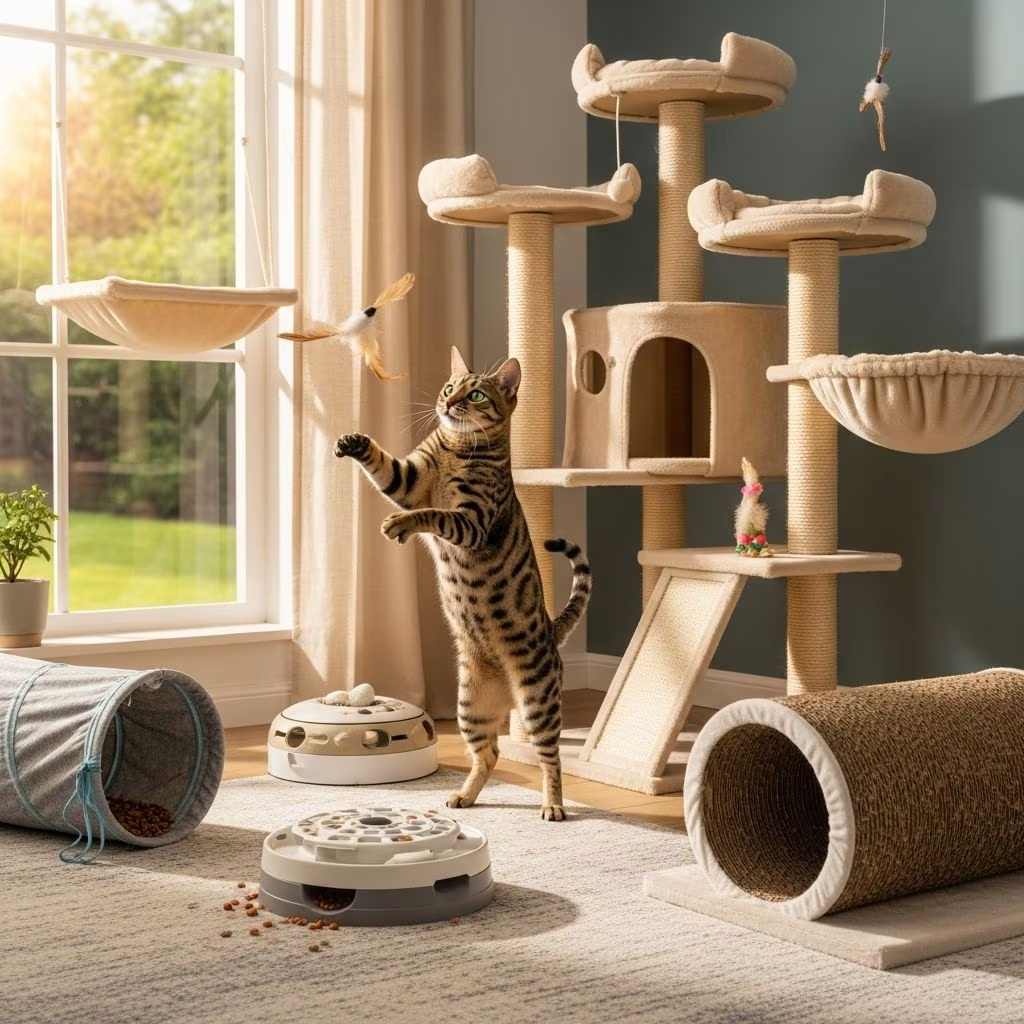
Indoor cats face a unique challenge: they are naturally driven to hunt, climb, explore, and engage with their environment, yet many spend their days confined to the same four walls without adequate stimulation. Unlike their outdoor counterparts who encounter changing scenery, wildlife, and environmental challenges daily, indoor cats often lack the mental and physical engagement their species requires to thrive. This deficit can lead to boredom, anxiety, behavioral problems, and even health complications. The solution lies in deliberate enrichment—a comprehensive approach to creating an engaging, stimulating indoor environment that satisfies your cat’s instinctive needs and supports their overall wellness.
Enrichment isn’t simply about providing toys or distractions; it’s about understanding your cat’s natural behaviors and designing an environment that encourages these behaviors in positive ways. When done correctly, enrichment activities reduce stress, prevent destructive behaviors, maintain healthy body weight, strengthen your bond with your pet, and contribute to a longer, healthier, and more fulfilling life for your feline companion.
Understanding Why Enrichment Matters for Indoor Cats
Cats in their wild state engage in a wide variety of activities throughout the day. They hunt for food, climb trees to survey their territory and escape predators, scratch surfaces to maintain their claws and mark their territory, hide in sheltered spaces, and explore constantly. These aren’t frivolous activities—they are essential expressions of feline behavior that have evolved over thousands of years.
When indoor cats are denied opportunities to engage in these natural behaviors, the consequences can be significant. Research on feline behavior indicates that unstimulated cats experience elevated stress levels, increased anxiety, and a higher likelihood of developing behavioral problems such as inappropriate elimination, aggression, or obsessive grooming patterns. Beyond behavior, the lack of physical activity contributes to weight gain, reduced cardiovascular fitness, and diminished muscle tone. Mental under-stimulation can even lead to depression-like symptoms in cats, characterized by lethargy and disinterest in their surroundings.
Conversely, cats that receive consistent enrichment demonstrate improved mood, better stress management, healthier body weight, stronger muscles and joints, and more stable behavior patterns. These cats are more confident, curious, and engaged with their environment and their human companions. Enrichment essentially transforms the indoor environment from a place of confinement into a dynamic space where cats can express their natural instincts and experience daily joy and satisfaction.
Interactive Play: The Foundation of Daily Engagement
Interactive play sessions form the cornerstone of any enrichment program. Unlike passive activities, interactive play directly involves you as a participant, which strengthens the human-animal bond while simultaneously providing the physical and mental stimulation cats need.
The most effective interactive play tools simulate natural prey movement. Wand toys with feathers, strings, or small objects attached at the end mimic the erratic flight patterns of birds. Feather teasers create a similar effect. Laser pointers project moving dots that trigger hunting instincts, though they should always be followed by a physical toy the cat can actually catch and grab—this provides the psychological satisfaction of a successful hunt. Without this element of capture, laser play can frustrate rather than satisfy.
Optimal play schedules align with your cat’s natural activity rhythms. Most cats show peak activity during dawn and dusk, reflecting their evolutionary role as crepuscular hunters. Scheduling play sessions for early morning and early evening maximizes engagement and helps regulate your cat’s sleep-wake cycle. Aim for at least 30 minutes of playtime daily, ideally split into multiple shorter sessions to prevent fatigue and maintain interest.
Variety prevents habituation. Rotating toys every few days makes previously used items feel fresh and exciting. Introducing novel toys periodically rekindles curiosity and engagement, preventing the boredom that comes from playing with the same items constantly.
Puzzle Feeders and Food-Based Enrichment Strategies
Food is a powerful motivator for cats, making it an excellent vehicle for enrichment. Puzzle feeders transform mealtime from a passive consumption activity into an engaging problem-solving challenge.
Puzzle feeders come in various designs, from simple balls with openings that release kibble as the cat nudges them, to complex mazes requiring manipulation and persistence. These devices accomplish multiple goals simultaneously: they provide mental stimulation through problem-solving, slow down eating speed (which benefits cats who gulp their food), reduce boredom-related snacking between meals, and encourage foraging behaviors that mimic natural hunting patterns.
Beyond commercial puzzle feeders, hiding and scattering food throughout your home encourages exploration and engages your cat’s natural hunting instincts. Place small portions of kibble in different rooms, hide treats in cardboard boxes, or use snuffle mats—textured mats where food is hidden within fabric layers that cats must nose through to find rewards. These activities keep cats mentally engaged throughout the day and add variety to their routine.
Foraging games can be as simple as placing a few treats under crumpled paper, inside paper bags, or beneath overturned cups. The process of searching, discovering, and retrieving the food provides engagement beyond the nutritional reward itself.
Environmental Enrichment: Structures, Textures, and Territory
Environmental enrichment involves designing your physical space to provide cats with the elements they seek naturally. Vertical space is particularly important for cats, who feel secure when they can climb to elevated vantage points.
Climbing and Perching: Cat trees, wall-mounted shelves, and vertical catwalks satisfy climbing instincts while providing safe observation spots from which cats can monitor their territory. Cats feel more confident and in control when they can survey their environment from above.
Scratching Posts and Surfaces: Scratching isn’t behavioral problem—it’s a necessary activity for maintaining claw health, marking territory through scent glands in the paws, and stretching muscles. Providing multiple scratching surfaces of varying textures (sisal rope, cardboard, carpet, wood) and orientations (vertical and horizontal) encourages appropriate scratching while protecting furniture. Placing scratching posts near sleeping areas and high-traffic zones increases their attractiveness to your cat.
Hiding Spaces: Despite their reputation as independent animals, cats feel safer with access to enclosed spaces where they can retreat. Cardboard boxes, paper bags, covered cat beds, tunnels, and low furniture with access underneath provide security and reduce stress. These spaces are particularly valuable when cats want to withdraw and observe without being observed.
Window Perches and Visual Stimulation: Windows offer endless entertainment through the observation of birds, insects, weather patterns, and outdoor activity. Window perches position cats optimally for “cat television”—watching the outside world. Some cats are additionally entertained by bird feeders positioned outside windows, creating sustained visual interest.
Sensory and Olfactory Enrichment
Cats experience the world primarily through their highly developed sense of smell. Olfactory enrichment leverages this sensory capability to create novel, engaging experiences.
Catnip and silvervine are the most recognizable scent enrichments. These plants trigger a response in most cats characterized by rolling, rubbing, purring, and playfulness that can last several minutes. Rotating these scents—using them for a period, then withholding them for a week before reintroducing—maintains their potency and effectiveness.
Cat grass and cat-safe plants like spider plants provide natural chewing and nibbling outlets. Some cats enjoy interaction with paper, cardboard, or crinkly materials that produce interesting textures and sounds. Introducing new scents through essential oil diffusers (cat-safe varieties), fresh plant materials, or even the natural scents of different areas can stimulate curiosity and exploration.
Training and Learning as Cognitive Enrichment
Many cat owners underestimate their pets’ capacity and motivation to learn. Cats are highly intelligent animals capable of mastering numerous behaviors through positive reinforcement training, which serves as powerful cognitive enrichment.
Training provides mental stimulation, creates positive interaction between cat and owner, builds confidence, and gives cats a sense of accomplishment. Common tricks cats learn include sit, high-five, spin, come when called, and even retrieving toys. Teaching these behaviors involves breaking them into small steps, using high-value treats as rewards, and maintaining short, positive training sessions of 5-10 minutes.
Cooperative care training—teaching cats to willingly participate in nail trimming, tooth brushing, or accepting medications—combines enrichment with practical benefits. These training sessions leverage your cat’s intelligence and build trust while making essential care easier for both you and your pet.
Creating a Balanced Daily Enrichment Schedule
Sustainable enrichment requires structure and planning. A well-designed daily routine incorporates varied activities that address physical, mental, and social needs:
- Early Morning: High-energy interactive play session with wand toys or similar tools, taking advantage of natural dawn activity patterns
- Mid-Morning: Training session or puzzle feeder to provide mental challenge and food motivation
- Midday: Window observation time, allowing independent engagement with visual stimuli
- Afternoon: Scent enrichment or exploration of rotated toys to maintain interest during traditionally lower-activity periods
- Evening: Another interactive play session aligned with natural dusk activity peak, followed by food-based enrichment like puzzle feeders or hidden treats
- Bedtime: Calm interaction such as gentle petting or grooming to facilitate wind-down and sleep
This framework isn’t rigid; adapt it based on your schedule and your individual cat’s energy level and preferences. Some cats require more stimulation than others. Kittens and young adults typically need more activity than senior cats, though enrichment remains important across all life stages.
Budget-Friendly Enrichment Solutions
Effective enrichment doesn’t require expensive equipment or constant purchasing. Many of the most engaging enrichment options cost nothing or minimal amounts:
- Cardboard boxes of various sizes provide climbing, hiding, and scratching opportunities
- Paper bags (with handles removed for safety) create crinkling sounds and exploration opportunities
- Crumpled paper balls serve as throwable toys that activate hunting response
- Toilet paper and paper towel tubes can be stuffed with treats or crinkled as toys
- Household items like ping pong balls or corks provide entertainment at no cost
- Rotating existing toys rather than constantly buying new ones maintains novelty
The most valuable enrichment often requires only your time and creativity rather than financial investment.
Specialized Enrichment: Catios and Safe Outdoor Access
For cats whose owners have the space and resources, catios—enclosed outdoor spaces—represent the ultimate enrichment investment. These structures provide safe access to outdoor stimulation including natural light, fresh air, insects, birds, plants, and weather variations without the dangers of free roaming.
Catios boost mental health through endless sensory input and novelty. They encourage physical activity through climbing, jumping, and exploration. They satisfy predatory instincts through observation of wildlife. They provide control and choice—cats can access outdoor stimulation whenever they wish, reducing stress and anxiety. While not feasible for all cat owners, catios represent an exceptional enrichment solution when possible.
Monitoring and Adjusting Your Enrichment Program
Effective enrichment requires observation and adjustment. Monitor your cat’s engagement level and behavioral indicators. Signs of adequate enrichment include playful behavior, relaxed body language, consistent activity levels, and absence of stress-related behaviors like excessive grooming, hiding, or aggression. Signs of insufficient enrichment include destructive behavior, excessive vocalization, lethargy, weight gain, or inappropriate elimination.
Work with your veterinarian to create or adjust enrichment plans tailored to your specific cat’s personality, energy level, age, and health status. Some cats are naturally high-energy and require extensive enrichment, while others are more reserved and prefer gentler, quieter activities.
The Long-Term Benefits of Consistent Enrichment
Cats receiving consistent enrichment throughout their lives demonstrate measurably better physical and mental health outcomes. They maintain healthier body weight, stronger muscles and bones, better cardiovascular function, and lower stress hormone levels. Behaviorally, they show increased confidence, reduced anxiety, fewer destructive behaviors, and stronger bonds with their human families. Beyond these practical benefits, enriched cats simply appear happier—more playful, curious, and engaged with life.
Enrichment represents an investment in your cat’s quality of life and longevity. The time and effort spent creating a stimulating environment pays dividends in the form of a healthier, happier companion who brings greater joy to your household.
References
- The Importance of Enrichment for Indoor Cats: Keeping Their Minds and Bodies Healthy — St. Pete Animal Hospital. https://stpeteah.com/the-importance-of-enrichment-for-indoor-cats-keeping-their-minds-and-bodies-healthy/
- Indoor Cat Enrichment — Helping Hands Humane Society. https://www.hhhstopeka.org/education/indoor-cat-enrichment/
- Cat Enrichment Program: Why is Enrichment Important? — Cat Care Society. https://www.catcaresociety.org/behavior-enrichment/
- Why Enrichment is Essential for a Happy, Healthy Indoor Cat — Atlanta Humane Society. https://atlantahumane.org/blog/cattopia/
- From Couch Potato to Curious Explorer: Why Cat Enrichment Matters — New Jersey Shelter. https://njshelter.org/from-couch-potato-to-curious-explorer-why-cat-enrichment-matters/
- CAT-ching Up On Feline Enrichment — Texas A&M College of Veterinary Medicine and Biomedical Sciences. https://vetmed.tamu.edu/news/pet-talk/feline-enrichment/
- Enhancing Feline Lives: The Enrichment Benefits of Catios — Kansas Humane Society. https://kshumane.org/enhancing-feline-lives-the-enrichment-benefits-of-catios-%F0%9F%90%88/
- What Is Feline Enrichment and Why Is It Important? — Star of Texas Veterinary Hospital. https://staroftexasvet.com/what-is-feline-enrichment-and-why-is-it-important/



