

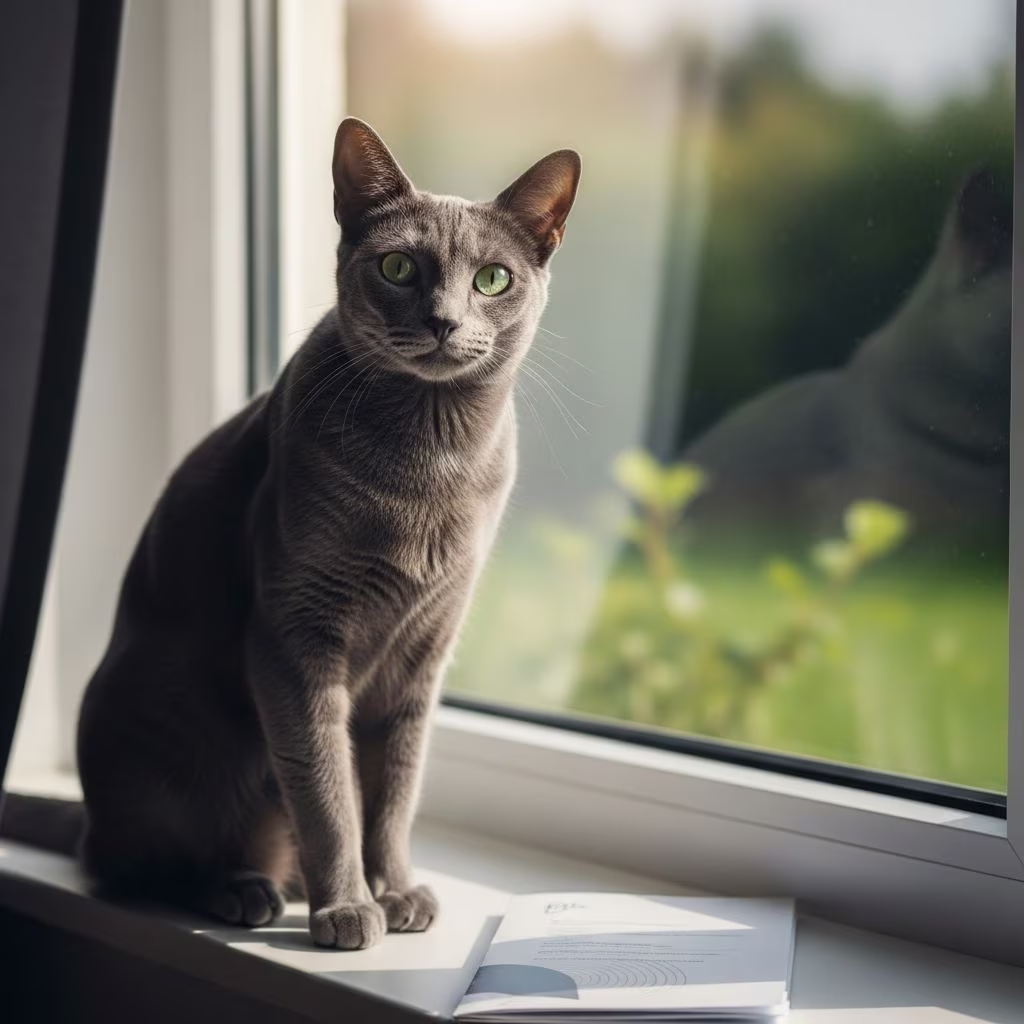
Pet insurance for indoor cats offers substantial financial safeguards against unforeseen veterinary expenses, even in controlled home environments. Despite lower exposure to external hazards, these felines face significant health challenges that can lead to high costs, making coverage a prudent choice for responsible owners.
Unseen Dangers in the Home Environment
Indoor living shields cats from traffic accidents, fights, and predators, but domestic spaces harbor unique perils. Cats may leap from high furniture, resulting in fractures or sprains during playful antics. Tails caught in doors, burns from kitchen appliances, or ingestion of household toxins like plants or chemicals represent common indoor mishaps. These incidents often require immediate diagnostics, X-rays, and surgeries, with bills escalating rapidly.
Young kittens, with their developing bones, are particularly vulnerable to falls while climbing shelves or curtains. Adult cats might suffer soft tissue injuries from sudden twists while chasing toys. Such accidents underscore that safety is never absolute indoors, prompting many owners to seek insurance for prompt, affordable treatment.
Prevalent Health Issues Affecting Indoor Cats
Chronic diseases strike indoor cats at rates comparable to their outdoor counterparts. Conditions like hyperthyroidism, diabetes, and kidney disease emerge frequently, especially in middle-aged and senior felines. Obesity, a hallmark of indoor lifestyles due to limited activity, heightens risks for arthritis, heart problems, and urinary tract disorders.
- Urinary conditions: Idiopathic cystitis plagues indoor cats, causing painful inflammation without clear triggers.
- Dental problems: Periodontal disease demands extractions and cleanings, often costing thousands.
- Respiratory issues: Asthma flares require ongoing medications and nebulizer treatments.
- Gastrointestinal disorders: Inflammatory bowel disease leads to persistent vomiting and diarrhea.
These ailments necessitate lifelong management, including blood tests, ultrasounds, and specialist consultations. Early detection through insurance-supported diagnostics improves outcomes and curbs escalating expenses.
Financial Realities of Feline Veterinary Care
Veterinary costs have surged, with routine visits averaging $100 and emergencies exceeding $5,000. A simple fracture repair might hit $3,000, while chronic illness management like diabetes insulin therapy accumulates over years. Without insurance, owners face tough choices: pay out-of-pocket, delay care, or forgo treatment altogether.
| Condition | Average Treatment Cost | Potential Insurance Reimbursement |
|---|---|---|
| Broken Leg Surgery | $3,000 – $5,000 | 70-90% after deductible |
| Dental Extraction | $1,500 – $6,000 | 80% coverage typical |
| Diabetes Management (Annual) | $1,000 – $2,500 | Recurring reimbursements |
| Hyperthyroidism Treatment | $2,000 – $4,000 | Full illness coverage |
Insurance spreads these burdens via monthly premiums, often under $50, reimbursing 70-90% post-deductible. This model ensures access to advanced care like chemotherapy for cancer or MRI scans for neurological issues.
Advantages of Comprehensive Cat Policies
Modern pet insurance extends beyond accidents to illnesses, hereditary conditions, and preventive care add-ons. Policies cover diagnostics, hospitalizations, surgeries, medications, and alternative therapies like acupuncture for arthritis. Multi-pet discounts and family plans further reduce costs for households with several cats.
Key perks include:
- Direct vet payment options or fast reimbursements via apps.
- 24/7 helplines for advice on symptoms.
- Customizable deductibles, reimbursement rates, and coverage limits.
- Wellness riders for vaccines, spays, and flea preventives.
Enrolling young avoids pre-existing condition exclusions, locking in lower rates as cats age. This proactive step transforms potential financial disasters into manageable claims.
Evaluating Costs Versus Long-Term Savings
Premiums vary by age, breed, location, and coverage level, starting around $10 monthly for basic plans. While some view this as an unnecessary expense for healthy indoor cats, real-world claims reveal otherwise. A single emergency can dwarf years of premiums; for instance, a $4,000 surgery reimburses $3,500, recouping costs instantly.
Owners report peace of mind as invaluable, enabling worry-free decisions prioritizing health over budgets. Statistical trends show insured pets receive earlier interventions, boosting survival rates and quality of life.
Choosing the Right Insurance Provider
Select providers with high customer ratings, broad networks, and transparent claims processes. Compare accident-only versus accident-and-illness plans, noting exclusions for breeding or elective cosmetics. Read policy fine print for annual limits, waiting periods, and refund options during trial phases.
Indoor cats rarely qualify for premium discounts, as risks persist regardless of lifestyle. Request personalized quotes online, factoring in multiple pets for bundled savings.
Preventive Strategies Complementing Insurance
Insurance pairs best with proactive wellness: obesity control via measured feeding and interactive toys, regular vet checkups, dental hygiene chews, and parasite preventives. Environmental enrichment reduces stress-related cystitis, while litter box hygiene prevents infections.
These habits lower claim frequency but don’t eliminate needs, reinforcing insurance as a safety net.
Frequently Asked Questions
Do indoor cats really need pet insurance?
Yes, due to indoor accidents, genetic diseases, and age-related issues that incur high vet bills.
How much does cat insurance cost monthly?
Plans start at $10-$50, depending on age, location, and coverage extent.
Does insurance cover pre-existing conditions?
No, enroll before issues arise to maximize eligibility.
Can I insure multiple indoor cats together?
Many providers offer family plans with shared deductibles for savings.
What isn’t covered by typical policies?
Preventable issues, breeding, or routine wear-and-tear like nail trims.
References
References
- Should My Indoor Cat Have Pet Insurance? — MetLife Pet Insurance. 2023. https://www.metlifepetinsurance.com/blog/pet-insurance/should-my-indoor-cat-have-pet-insurance/
- Top Five Reasons You Need Pet Insurance for an Indoor Cat — Pets Best. 2024-09-25. https://www.petsbest.com/blog/top-five-reasons-you-need-pet-insurance-for-an-indoor-cat
- Do Indoor Cats Need Pet Insurance? — Pawlicy Advisor. 2024. https://www.pawlicy.com/blog/do-indoor-cats-need-pet-insurance/
- Pros and Cons of Getting Cat Insurance — PetScreening. 2024. https://www.petscreening.com/blog/pros-and-cons-of-getting-cat-insurance
- Is Cat Insurance Worth It? — PetMD. 2024. https://www.petmd.com/cat/general-health/insurance-cats



