

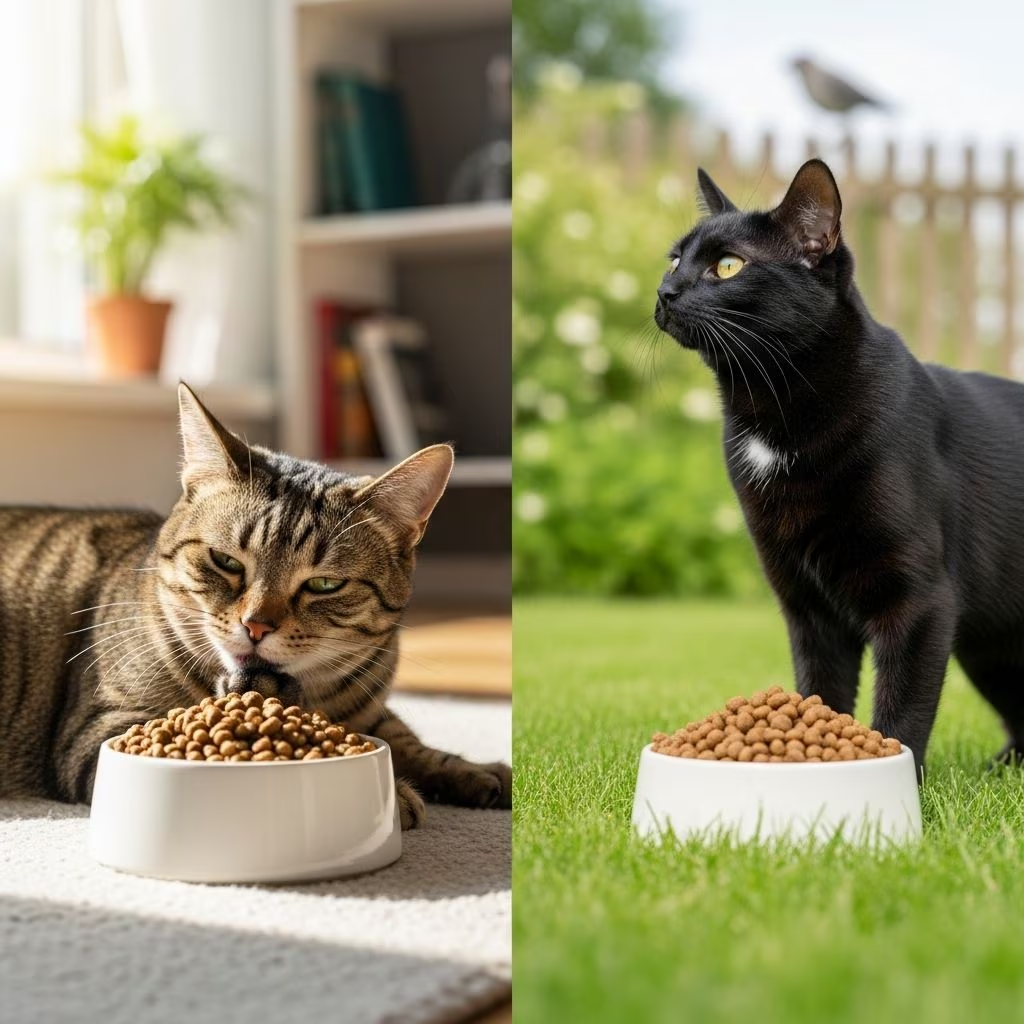
Understanding Indoor Cat Food vs Regular Cat Food
When it comes to feeding your feline companion, the choice between indoor cat food and regular cat food can feel overwhelming. The primary distinction between these two types of formulas is straightforward: indoor cat food typically contains fewer calories per serving compared to regular or outdoor cat food. This difference exists because cats that live exclusively indoors tend to be less active than their outdoor counterparts, resulting in lower energy expenditure and a higher risk of weight gain.
While indoor and outdoor cats technically can consume the same diet, indoor cats often gain more weight when fed standard formulas due to their sedentary lifestyle. This metabolic reality is one of the main reasons veterinarians and pet nutrition experts recommend considering a switch to an indoor cat formula for cats that spend all their time indoors. Understanding these differences can help you make an informed decision about your pet’s dietary needs.
What Makes Indoor Cat Food Different?
Indoor cat food formulas are specifically designed with the lifestyle and health needs of indoor felines in mind. According to Dr. John Knox Mayfield, III, DVM, a veterinarian at Animal Medical Center in Hattiesburg, Mississippi, the big difference between indoor cat food and standard cat food is that the indoor food usually has fewer calories per serving. This calorie reduction is essential because indoor cats don’t expend as much energy as cats with outdoor access.
Calorie Content and Weight Management
The reduced calorie content in indoor formulas serves a critical purpose: helping less active indoor cats maintain a healthy body weight. Indoor cats are particularly susceptible to obesity, which can lead to serious health complications including digestive disorders, skin conditions, diabetes, heart disease, and joint problems. By feeding your indoor cat food with lower caloric density, you can help prevent excess weight gain and the associated health risks that accompany feline obesity.
Fiber Content and Hairball Control
Most indoor cat food formulas contain higher levels of fiber compared to regular cat food. According to Dr. Angela Witzel Rollins, DVM, PhD, DACVIM (Nutrition), clinical associate professor of nutrition at the University of Tennessee, indoor formulas are generally higher in fiber to help move hairballs through the gastrointestinal tract. The increased fiber content serves a dual purpose: it helps trap hair and move it through the digestive system rather than allowing it to clump in the stomach, and it also helps lower the overall calorie count per cup of food.
Indoor cats are more prone to hairball formation because they spend more time grooming themselves compared to outdoor cats. By incorporating high-fiber indoor formulas into your cat’s diet, you can help prevent the discomfort and potential health issues associated with excessive hairballs. Additionally, ensuring your cat drinks plenty of water can further reduce the chances of hairball problems.
Mineral Profile Adjustments
Another important difference between indoor and regular cat food involves mineral content. Indoor formulas may feature a nutrient profile with slightly lower levels of certain minerals. This adjustment is specifically designed because indoor cats are more vulnerable to urinary tract problems, and certain minerals can contribute to crystal and stone formation in the urinary tract. By carefully balancing the mineral content in indoor formulas, manufacturers help reduce the risk of urinary issues that commonly affect indoor felines.
Key Nutritional Differences: A Comparison
| Nutritional Factor | Indoor Cat Food | Regular/Outdoor Cat Food |
|---|---|---|
| Calorie Content | Lower (per serving) | Higher (per serving) |
| Fiber Levels | Higher | Standard |
| Protein Content | Slightly Lower | Higher |
| Fat Content | Lower | Higher |
| Mineral Profile | Adjusted for Urinary Health | Standard |
| Intended Use | Less Active Cats | Active/Outdoor Cats |
Should You Buy Indoor Formulas for Your Cat?
The decision to switch your cat to an indoor formula depends on several factors related to your individual pet’s needs and lifestyle. If you have an indoor-only cat who is not very active, switching them to an indoor formula might be a good idea. Indoor formulas tend to have fewer calories, which can help your cat maintain a healthy body weight. However, it’s important to understand that an indoor formula may not be appropriate for every indoor cat or for weight loss purposes.
When Indoor Formulas Are Beneficial
Indoor formulas work best for cats that genuinely are sedentary and spend all their time indoors. These formulas are particularly beneficial if your cat shows signs of weight gain, struggles with hairballs, or has a history of urinary tract problems. Indoor formulas can also be helpful for older cats whose activity levels have naturally decreased with age.
When Regular Formula Might Be Better
Conversely, some indoor cats may not benefit from indoor formulas. If your indoor cat is highly active—for example, if you have a large house with climbing structures, an exercise wheel, or multiple levels—your cat might do well with regular or outdoor formulas despite being indoors. Similarly, indoor cats that are already at a healthy weight may not need the calorie reduction that indoor formulas provide. In these cases, feeding your cat regular formula in appropriate portion sizes might be the better choice.
Consulting Your Veterinarian
When in doubt, the best approach is to speak with your veterinarian for personalized advice. Your vet can evaluate your cat’s individual energy needs, current weight, age, health status, and activity level to recommend the most appropriate food formula. Your veterinarian can also help determine whether your cat truly needs an indoor formula or whether portion control of regular food would be more suitable.
Understanding Your Cat’s Nutritional Requirements
Despite the differences between indoor and regular cat food, it’s crucial to remember that all cats have the same overarching nutritional requirements. Every feline diet should include plenty of protein, essential fatty acids, and vitamins and minerals necessary for optimal health. Cats are obligate carnivores, meaning they require animal-based proteins to thrive. The distinction between indoor and regular cat food is not about fundamental nutritional needs but rather about adjusting calorie density and specific nutrient profiles to match different lifestyles.
When selecting any cat food—whether indoor formula or regular—prioritize high-quality options that contain clearly identified meat sources and avoid fillers or questionable animal derivatives. Reading ingredient labels carefully ensures you’re providing your cat with nutritionally complete meals that support their long-term health and wellness.
Practical Tips for Feeding Your Indoor Cat
Regardless of whether you choose an indoor formula or regular cat food, several practical strategies can help your indoor cat maintain optimal health:
- Monitor your cat’s weight regularly and adjust portion sizes accordingly
- Ensure your indoor cat has plenty of fresh, clean water available daily
- Provide enrichment activities and playtime to increase physical activity levels
- Consider interactive toys or exercise wheels to boost activity
- Feed your cat at consistent times each day
- Gradually transition to any new food formula over 7-10 days to prevent digestive upset
- Use a measuring cup to ensure accurate portion sizes
Outdoor Cats and Activity Levels
For comparison, outdoor cat food typically contains higher calorie content to support more active lifestyles. Outdoor cats often cover surprisingly large distances in their daily activities, with studies showing some cats traveling a median daily distance of 2.4 kilometers and as far as 9.36 kilometers. The higher calorie content in outdoor formulas helps ensure these active felines have sufficient energy for their exploratory activities, particularly in rural areas where cats tend to have larger home ranges.
It’s also worth noting that outdoor cats have opportunities to catch prey and may receive extra snacks from well-meaning neighbors, so it’s vital to monitor your outdoor cat’s weight and adjust feeding quantities accordingly. If you want to prevent neighbors from feeding your outdoor cat, consider using a collar with a tag stating “please don’t feed me.”
Frequently Asked Questions
Q: Can I feed my indoor cat regular cat food instead of an indoor formula?
A: Yes, you can feed your indoor cat regular cat food, but you’ll need to carefully monitor portion sizes and your cat’s weight. Indoor formulas are specifically designed with lower calories to help prevent weight gain in sedentary cats, so if you use regular food, you should feed smaller portions to maintain a healthy weight.
Q: Will indoor cat food help my cat lose weight?
A: Depending on your cat’s individual energy needs, an indoor formula may not be appropriate for weight loss. While indoor formulas contain fewer calories, the amount you feed and your cat’s overall activity level are equally important for weight management. Consult your veterinarian to develop a weight loss plan tailored to your cat’s specific needs.
Q: Why do indoor cats need more fiber?
A: Indoor cats are more prone to hairballs because they spend more time grooming. Higher fiber content in indoor formulas helps trap hair and move it through the digestive system more easily, reducing the frequency and severity of hairball problems.
Q: Are there any downsides to indoor cat food?
A: Some indoor cat foods may use filler ingredients instead of quality proteins, so it’s important to read labels carefully. Additionally, the higher fiber content means your cat may use the litter box more frequently, which might require more frequent cleaning.
Q: Should I switch my cat to an indoor formula immediately?
A: No, always transition gradually over 7-10 days by mixing increasing amounts of the new food with the old food. Abrupt diet changes can cause digestive upset. Additionally, consult your veterinarian before making any dietary changes to ensure the new formula is appropriate for your cat.
Q: What if my indoor cat is very active?
A: If your indoor cat is highly active due to environmental enrichment, multiple levels in your home, or toys and exercise equipment, a regular formula might be more appropriate than an indoor formula. Activity level matters more than whether a cat goes outdoors, so discuss your cat’s specific activity with your veterinarian.
Conclusion: Making the Right Choice for Your Indoor Cat
The difference between indoor cat food and regular cat food comes down to calorie content, fiber levels, and nutrient adjustments designed for less active lifestyles. Indoor formulas typically contain fewer calories and more fiber to support weight management and hairball control in sedentary cats. However, the best food choice for your individual cat depends on their lifestyle, health condition, age, weight, and activity level.
Whether you choose an indoor formula or regular cat food, the most important factor is selecting a high-quality option that contains all the essential nutrients your cat requires. Combined with plenty of love, appropriate portion sizes, and regular playtime, proper nutrition will ensure your indoor feline stays happy, healthy, and at an optimal weight throughout their life.
References
- Indoor vs Outdoor Cat Food: Choosing the Right Formula — Boosie. 2025. https://www.boosie.co/en-us/blogs/journal/difference-between-indoor-and-outdoor-cat-food
- The Difference Between Indoor and Outdoor Cat Food — Chewy. 2025. https://www.chewy.com/education/cat/food-and-nutrition/whats-the-difference-between-indoor-cat-food-and-regular-cat-food
- What is the Best Cat Food for Your Indoor Cat? — Purina US. 2025. https://www.purina.com/articles/cat/feeding/guides/feeding-your-indoor-cat
- Indoor vs. Outdoor Cat Food: Vet-Reviewed Nutritional Differences — Catster. 2025. https://www.catster.com/nutrition/indoor-vs-outdoor-cat-food/
- Do Indoor Cats Have Different Needs to Outdoor Cats? — My Pet Nutritionist. 2025. https://mypetnutritionist.com/post/do-indoor-cats-have-different-needs-to-outdoor-cats/



