

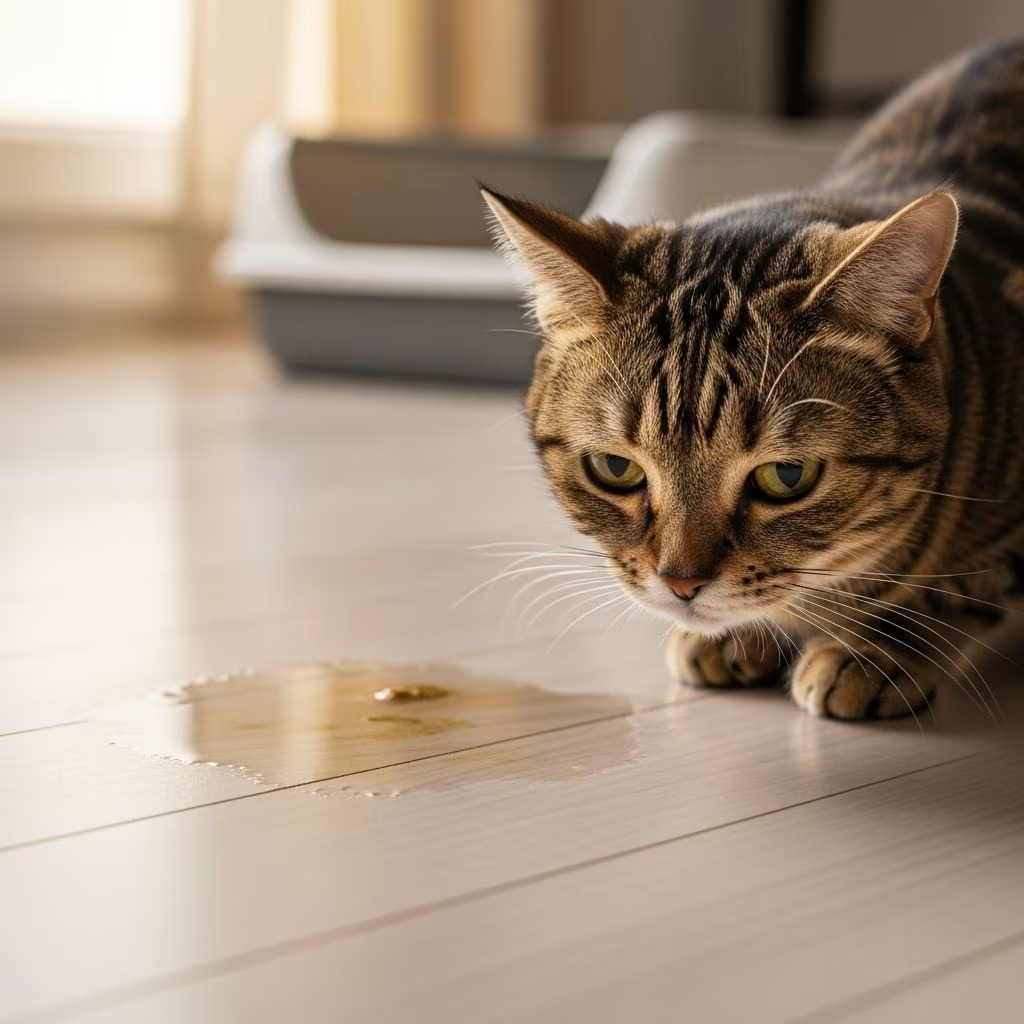
Understanding Inappropriate Elimination in Cats
Inappropriate elimination, commonly referred to as house soiling, is one of the most frustrating behavioral issues cat owners encounter. This condition involves urination and/or defecation in locations outside the designated litter box and can stem from medical conditions, behavioral problems, or a combination of both. The key to effectively addressing this issue is understanding its root causes and implementing appropriate interventions. If your cat is eliminating outside her litter box, the first critical step is to have her examined by your veterinarian to rule out medical conditions.
What is Inappropriate Elimination?
Inappropriate elimination is defined as urination and/or defecation occurring in places other than the litter box. This behavior can manifest in various ways, from occasional accidents to consistent avoidance of the litter box entirely. The severity and frequency of inappropriate elimination can vary significantly between individual cats and may fluctuate over time. Understanding the distinction between different types of inappropriate elimination is essential for developing an effective treatment plan.
Medical Causes of Inappropriate Elimination
Medical conditions represent a significant portion of inappropriate elimination cases in cats. When cats experience discomfort during elimination, they often seek alternate locations that allow them to stretch or move their bodies more comfortably than confined spaces permit. Additionally, cats may develop an aversion to their litter box if they associate it with pain or discomfort.
Pain-Related Medical Conditions
Several medical conditions cause discomfort during elimination, driving cats to avoid their litter boxes. Urinary tract infections and inflammation create pain during urination, while inflammatory bowel disease causes discomfort during defecation. Orthopedic and neurologic pain conditions may make it difficult for cats to enter traditional litter boxes or assume proper elimination postures. Cats experiencing such discomfort often prefer accessible alternative locations where they can eliminate more easily.
Increased Frequency Conditions
Medical conditions that increase urination or defecation frequency, such as kidney disease, diabetes mellitus, and various digestive disorders, cause cats to produce excessive urine or stool. When litter boxes fill quickly, cats naturally seek cleaner alternative locations. These conditions require veterinary intervention to manage the underlying disease while addressing the behavioral component of house soiling.
Feline Lower Urinary Tract Disease (FLUTD)
Feline Idiopathic Cystitis (FIC), a form of Feline Lower Urinary Tract Disease, represents a particularly common medical cause of inappropriate elimination. This condition creates inflammation and pain in the cat’s bladder, producing sensations similar to urinary tract infections, though no actual infection is present. Cats with FIC often exhibit frequent urination attempts, blood in urine, and vocalizations during urination.
Age-Related Medical Issues
Senior cats face multiple age-related conditions affecting litter box use. Arthritis and degenerative joint disease make entering and exiting traditional litter boxes painful, particularly those requiring climbing or jumping. Cognitive dysfunction in geriatric cats impairs their ability to locate or remember litter box locations. Hyperthyroidism, common in older cats, increases metabolic rate and urination frequency, while declining mobility affects their ability to reach boxes in time.
Behavioral Causes of Inappropriate Elimination
Beyond medical conditions, behavioral factors significantly contribute to inappropriate elimination. These behavioral issues often develop independently but can also be triggered or exacerbated by stress and anxiety.
Litter Box Aversion
Cats may develop aversions to their litter boxes for various reasons. Box type preferences vary among individual cats; some dislike covered boxes that feel confining, while others prefer them. Box size matters considerably—small boxes restrict movement and discourage use. Litter substrate changes frequently trigger aversion responses, as cats have established preferences for specific textures and materials. Poor hygiene, including infrequent cleaning, makes boxes undesirable. Additionally, if a painful event occurred while using the box, cats may develop lasting negative associations.
Location and Accessibility Issues
The physical location of litter boxes significantly impacts their use. Boxes placed in noisy areas near appliances, in high-traffic zones, or near food bowls may discourage use. Limited box accessibility, particularly in multi-story homes where cats must navigate stairs or difficult passages, contributes to inappropriate elimination. The general rule recommends providing one litter box per cat plus one additional box, distributed throughout the home in easily accessible locations.
Marking and Spraying Behaviors
Territorial marking represents a normal feline behavior, though it becomes problematic when occurring in inappropriate locations. Cats lift their tails and spray urine on vertical surfaces, including doorways, areas where other cats rest, new household items, or locations with concentrated odors. Stress, territorial disputes with other cats, and dissatisfaction with the litter box environment trigger marking behaviors. Unneutered or unspayed cats exhibit more frequent marking, though it occurs in fixed cats as well.
Environmental Stress Factors
Cats respond to stress by changing elimination behaviors. Changes in household composition, new pets, moving to new homes, construction noise, or alterations to established routines trigger stress responses manifesting as inappropriate elimination. Overcrowded households with insufficient resources force cats to seek alternative elimination sites. Understanding and minimizing stressors provides essential behavioral management.
Diagnostic Evaluation
Accurate diagnosis requires a comprehensive assessment combining physical examination with laboratory testing and behavioral evaluation. Your veterinarian should conduct a thorough physical examination and recommend laboratory work including urinalysis and fecal examination to identify medical causes. These diagnostic tools help identify infections, crystals, kidney dysfunction, and other medical abnormalities.
A detailed behavioral history is equally important. Questions about the cat’s elimination patterns, litter box setup, previous medical history, household environment, and concurrent behavioral changes help identify behavioral contributors. Documentation of where inappropriate elimination occurs, frequency patterns, and any triggering events provides valuable diagnostic information.
If medical causes are ruled out or persist after treatment, consultation with a veterinary behaviorist is recommended for comprehensive behavioral assessment and customized treatment planning.
Treatment Approaches for Medical Conditions
Treating medical causes of inappropriate elimination involves addressing the underlying disease while managing associated behavioral components. Treatment varies depending on the specific condition identified.
Urinary Tract Disease Management
Cats with urinary tract infections receive appropriate antibiotic therapy, while those with bladder stones or crystals may require dietary modifications, increased water intake, or surgical intervention. For cats with FIC, treatment focuses on pain management, stress reduction, and environmental modification. Increasing water intake through wet food, water fountains, or additional water bowls helps maintain dilute urine and reduce crystal formation.
Systemic Disease Treatment
Kidney disease management involves dietary adjustments and medications to support kidney function. Diabetes mellitus treatment through insulin therapy or dietary modifications helps regulate blood sugar and urination frequency. Hyperthyroidism responds to medication, dietary therapy, or surgical intervention. Arthritis treatment includes pain medications and environmental modifications to improve accessibility.
Behavioral Treatment Strategies
Even after successful medical treatment, behavioral components of inappropriate elimination may persist, requiring dedicated behavioral intervention.
Environmental Modification
Optimize litter box setup by providing multiple boxes throughout the home, ideally one per cat plus one additional. Ensure boxes are large enough for comfortable movement, easily accessible, and placed in quiet, low-traffic areas away from food and water bowls. Offer varied litter types to identify individual preferences. Clean boxes daily and perform complete litter changes regularly to maintain hygiene.
Stress Reduction
Create a calm home environment through consistent routines, vertical spaces for refuge, window perches, and interactive play. Use synthetic pheromone products designed to reduce feline stress and anxiety. Provide hiding places and separate resources to minimize conflicts in multi-cat households. Gradually introduce changes to the environment rather than implementing sudden alterations.
Therapeutic Interventions
Medications prescribed by veterinarians or veterinary behaviorists may help manage anxiety-driven inappropriate elimination. Behavioral modification techniques, including positive reinforcement when cats use litter boxes appropriately and environmental management to prevent access to eliminated-in areas, support recovery.
When to Seek Emergency Care
Certain signs warrant immediate veterinary attention. Male cats displaying signs of urinary obstruction, including straining without productive urination, represent a medical emergency requiring immediate hospitalization. Cats exhibiting severe pain, inability to urinate or defecate, or systemic signs of illness require urgent evaluation. Any sudden changes in elimination patterns accompanied by lethargy, vomiting, or loss of appetite necessitate prompt veterinary assessment.
Preventing Recurrence
Long-term success requires ongoing management. Maintain optimal litter box hygiene and configuration, continue stress-reduction strategies, and monitor for changes in elimination patterns or other behavioral shifts. Regular veterinary check-ups help identify and address medical issues before they manifest as inappropriate elimination. Understanding your individual cat’s preferences and needs supports prevention of future episodes.
Frequently Asked Questions
Q: How many litter boxes should I have for my cat?
A: The recommended guideline is one litter box per cat plus one additional box. For example, a two-cat household should have three boxes distributed throughout the home in accessible locations.
Q: What should I do if my cat eliminates outside the box?
A: Schedule a veterinary examination immediately to rule out medical causes. Thoroughly clean soiled areas with enzymatic cleaners to remove odors that encourage repeated use. Avoid punishment, which increases stress and worsens the behavior.
Q: Can stress cause inappropriate elimination?
A: Yes, stress significantly contributes to inappropriate elimination. Environmental changes, new household members, or conflicts with other pets trigger stress-related behavior. Creating a stable, calm environment helps prevent stress-induced house soiling.
Q: Is inappropriate elimination a sign of medical problems?
A: Inappropriate elimination often indicates medical issues, making veterinary evaluation essential. Medical causes include urinary tract disease, kidney disease, diabetes, arthritis, and gastrointestinal disorders. However, behavioral factors also play significant roles in many cases.
Q: What is feline idiopathic cystitis?
A: Feline Idiopathic Cystitis is bladder inflammation causing pain similar to urinary tract infections, but without actual infection present. Cats experience frequent urination attempts, blood in urine, and pain during urination.
Q: Should I punish my cat for inappropriate elimination?
A: No, punishment increases stress and anxiety, potentially worsening inappropriate elimination. Focus on environmental modifications, litter box optimization, and positive reinforcement for appropriate box use instead.
Q: When should I consult a veterinary behaviorist?
A: After medical causes have been ruled out or appropriately treated, if inappropriate elimination persists, a veterinary behaviorist can provide specialized behavioral assessment and customized treatment planning.
Q: Can diet affect inappropriate elimination?
A: Yes, diet impacts elimination patterns. Increasing wet food intake increases water consumption, promoting dilute urine beneficial for urinary tract health. Specialized diets address kidney disease, diabetes, and digestive issues contributing to inappropriate elimination.
Q: What signs indicate a urinary emergency in cats?
A: Male cats straining to urinate without productive output represent a urinary emergency requiring immediate hospitalization. Additional emergency signs include inability to urinate for extended periods, severe pain, and systemic illness signs.
Q: How long does treatment typically take?
A: Treatment duration varies depending on underlying causes and behavioral components. Medical conditions may resolve within weeks with appropriate treatment, while behavioral modification typically requires weeks to months of consistent environmental management and intervention.
References
- Inappropriate Elimination Disorders in Cats — VCA Animal Hospitals. 2024. https://vcahospitals.com/know-your-pet/inappropriate-elimination-disorders-in-cats
- Feline Behavior Problems: House Soiling — Cornell University College of Veterinary Medicine Feline Health Center. 2024. https://www.vet.cornell.edu/departments-centers-and-institutes/cornell-feline-health-center/health-information/feline-health-topics/feline-behavior-problems-house-soiling
- Practical Techniques from the NAVC Institute: Feline Inappropriate Urination — Today’s Veterinary Practice. 2024. https://todaysveterinarypractice.com/behavior/practical-techniques-from-the-navc-institutefeline-inappropriate-urination/
- Inappropriate Elimination, Cat – Client Education Sheets — Crossroads Animal Hospital. 2019. https://crossroadsanimalhospital.net/wp-content/uploads/2019/06/inappropriate_elimination_cat-1.pdf
- Common Medical Causes of Inappropriate Urination in Feline Patients — Alpine Animal Hospital. 2024. https://alpineanimalhospital.com/feline-house-soiling



