
In-Home Pet Euthanasia Guide
Learn what happens during compassionate at-home euthanasia for your beloved pet, from preparation to peaceful farewell.
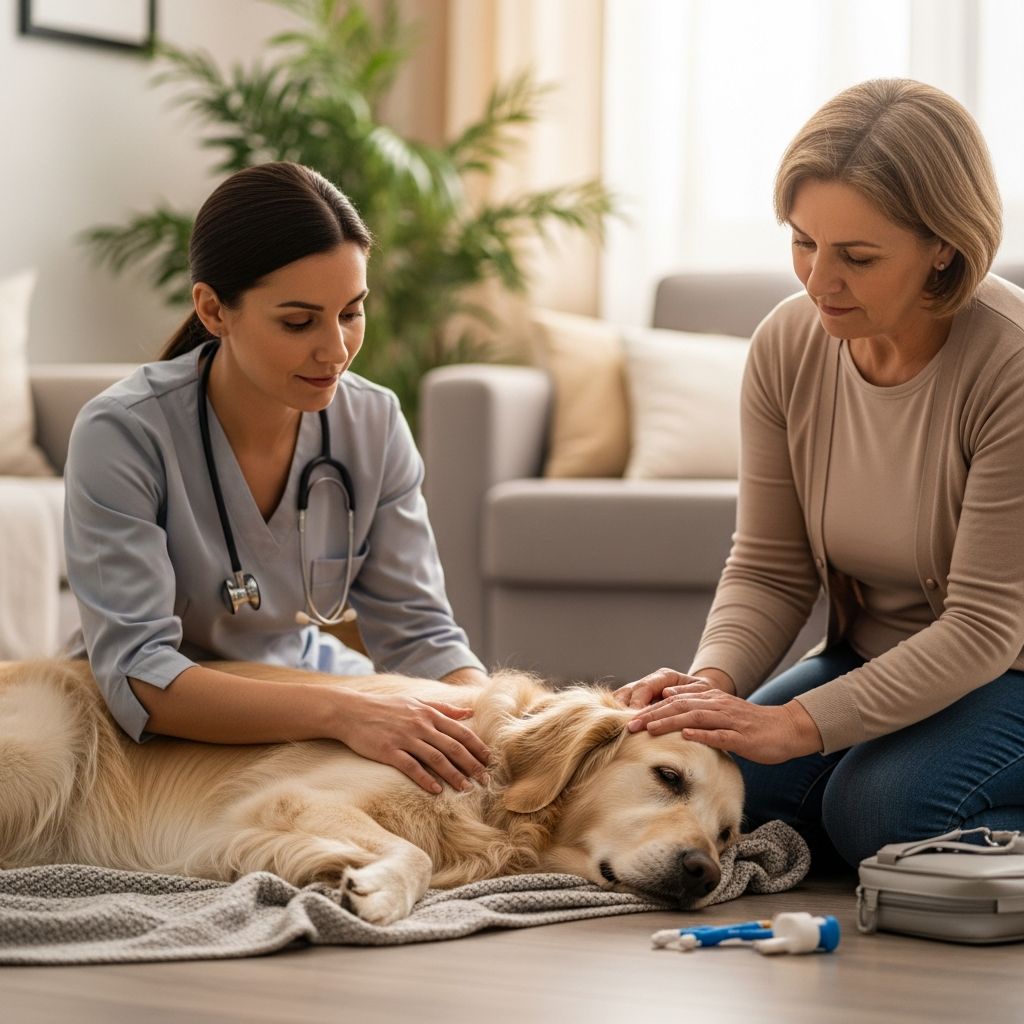
Choosing in-home euthanasia allows pet owners to provide a serene and familiar environment for their companion’s final moments. This approach minimizes stress, enabling pets to pass surrounded by loved ones in a place they know best. Veterinary teams specializing in these services prioritize comfort, explaining each step to ease family anxieties.
Recognizing When It’s Time for In-Home Euthanasia
Deciding on euthanasia often follows observing significant declines in quality of life. Signs include unrelenting pain, inability to enjoy food or play, loss of mobility, and chronic discomfort despite treatments. Pet owners should assess daily joys against sufferings, consulting vets for objective insights. In-home options suit pets too frail for clinic travel, preserving dignity.
Quality-of-life scales help quantify this: evaluate eating, hydration, hygiene, happiness, mobility, and more. Scores below 35% on a 100-point scale signal consideration. Families benefit from discussing timelines with compassionate vets who visit homes.
Selecting a Reliable In-Home Veterinary Service
Research providers offering house calls, like those with dedicated end-of-life teams. Look for licensed veterinarians experienced in gentle protocols, positive reviews emphasizing empathy, and clear policies on aftercare. Services often include sedation, euthanasia, and optional cremation arrangements.
- Verify state licensing and controlled substance permits for safe medication handling.
- Confirm availability for your schedule, including evenings or weekends.
- Ask about involvement of children or other pets during the visit.
- Inquire on keepsakes like paw prints or fur clippings.
Arranging the Appointment: Practical Steps
Contact the service via phone or online form to describe your pet’s condition. Vets review history, answer queries, and guide decision-making. Schedule at a calm time, perhaps when the home is quiet. No special prep needed beyond focusing on your pet; providers supply blankets and pads.
Discuss preferences: location (favorite bed or yard), family presence, and post-procedure plans. Consent forms outline protocols, ensuring alignment. Appointments last 45-90 minutes, allowing unhurried pacing.
Creating a Comfortable Environment Before the Vet Arrives
Select a peaceful spot: living room blanket, backyard under trees, or pet’s bed. Gather favorite toys, treats, or music to soothe. Dim lights, reduce noises, and limit visitors. For multi-pet homes, separate others to avoid distress, reuniting post-procedure if desired.
Prepare emotionally: share stories, cuddle, offer last meals. If kids attend, explain simply: “We’re helping [pet] stop hurting peacefully.” This fosters understanding without fear.
The Vet’s Arrival and Initial Assessment
Vets arrive discreetly, often in plain clothes for comfort, carrying necessary supplies. They greet the family, meet the pet, and review the plan. Questions are welcomed; they’ll assess vitals and confirm readiness. A signed consent ensures all understand the reversible sedation-first approach.
Expect a compassionate demeanor—no clinical scrubs disrupt the homey feel. They adapt to behaviors, like handling fearful pets gently.
Sedation Phase: Ensuring Deep Relaxation
Sedation starts with subcutaneous or intramuscular injections of pain relievers and tranquilizers, akin to vaccine shots. Pets may get treats to distract. Within 5-15 minutes, they relax, sigh, eyelids droop, breathing slows—slipping into deep, painless sleep.
Owners hold pets throughout, stroking fur, whispering comforts. Vets monitor until fully unresponsive, ensuring no awareness. Extra doses available if needed, keeping it gentle.
| Phase | Duration | Pet’s Experience | Family Role |
|---|---|---|---|
| Sedation Injection | 1-2 minutes | Mild poke, then calm | Comfort pet |
| Effect Onset | 5-15 minutes | Deep sleep, no pain | Spend time cuddling |
The Euthanasia Injection: A Peaceful Transition
Once sedated, vets administer euthanasia solution intravenously—often a barbiturate overdose acting as ultimate anesthesia. A leg may be clipped briefly for access; pets feel nothing. Heart and breathing cease within seconds, brain anesthetized first.
For cats or challenging veins, alternatives like intra-organ injection used under full sedation. Families stay close, holding paws, until confirmation via stethoscope.
Physical Responses During and After Euthanasia
Common, normal reactions: final breath (agonal gasp), muscle twitches, bladder release—purely reflexive, post-consciousness. Eyes may stay open; closing optional. Vets explain these to prevent alarm, confirming passing via absent heartbeat.
- Gasps: Air expulsion, not distress.
- Twitches: Nerve signals fading.
- Release: Loss of muscle control.
Spending Final Moments and Saying Goodbye
Post-injection, vets step out, granting private time—minutes or hours. Families hug, cry, reminisce. When ready, assist with transport or handle remains per wishes.
This intimacy honors bonds, creating cherished last memories amid grief.
Aftercare Options: Honoring Your Pet’s Memory
Choose private cremation (ashes returned), communal, or burial (check local laws). Providers coordinate, offering urns or scattering. Keepsakes: paw imprints, fur locks, photo sessions.
Memorialize via albums, shadow boxes, plantings, or donations. Notify regular vets; services often do this.
Supporting Family, Kids, and Other Pets Through Grief
Children process via honest talks, drawings. Adults lean on support groups, counseling. Other pets sense loss—extra play, routines help. Watch for depression signs.
Frequently Asked Questions (FAQs)
Is in-home euthanasia painful for my pet?
No, sedation ensures deep sleep before euthanasia; they feel nothing.
How long does the full process take?
Typically 30-60 minutes, plus goodbye time.
Can children be present?
Yes, if age-appropriate; vets guide discussions.
What if my pet has trouble with veins?
Sedated alternatives ensure comfort.
Do you handle body transport?
Most services do, with options for you to carry small pets.
Long-Term Coping: Healing After Loss
Grief evolves; journal, join forums, consider new pets when ready. Professional therapy aids complicated mourning. Celebrate life’s joys shared.
References
- A Step-by-Step Guide to Pet Euthanasia at Home — Eternity Home Vet. 2023. https://www.eternityhomevet.com/blog/1367339-a-step-by-step-guide-to-pet-euthanasia-at-home
- FAQ: Answering Your In-Home Pet Euthanasia Questions — BluePearl Vet. 2024. https://bluepearlvet.com/in-home-pet-hospice/faq/
- What to Expect During In-Home Pet Euthanasia — Lap of Love. 2024. https://www.lapoflove.com/blog/end-of-life-care-and-euthanasia/what-to-expect-during-in-home-pet-euthanasia
- What to Expect at an In-Home Euthanasia Appointment — Caring Pathways. 2023. https://caringpathways.com/blog/pet-euthanasia-what-to-expect/
- Pet Euthanasia at Home: Knowing When It’s Time and What to Expect — Preventive Vet. 2024. https://www.preventivevet.com/pets/euthanasia-at-home-what-to-expect
- In-Home Euthanasia — Lap of Love. 2024. https://www.lapoflove.com/our-services/in-home-euthanasia
Similar Articles








Read full bio of Sneha Tete


