

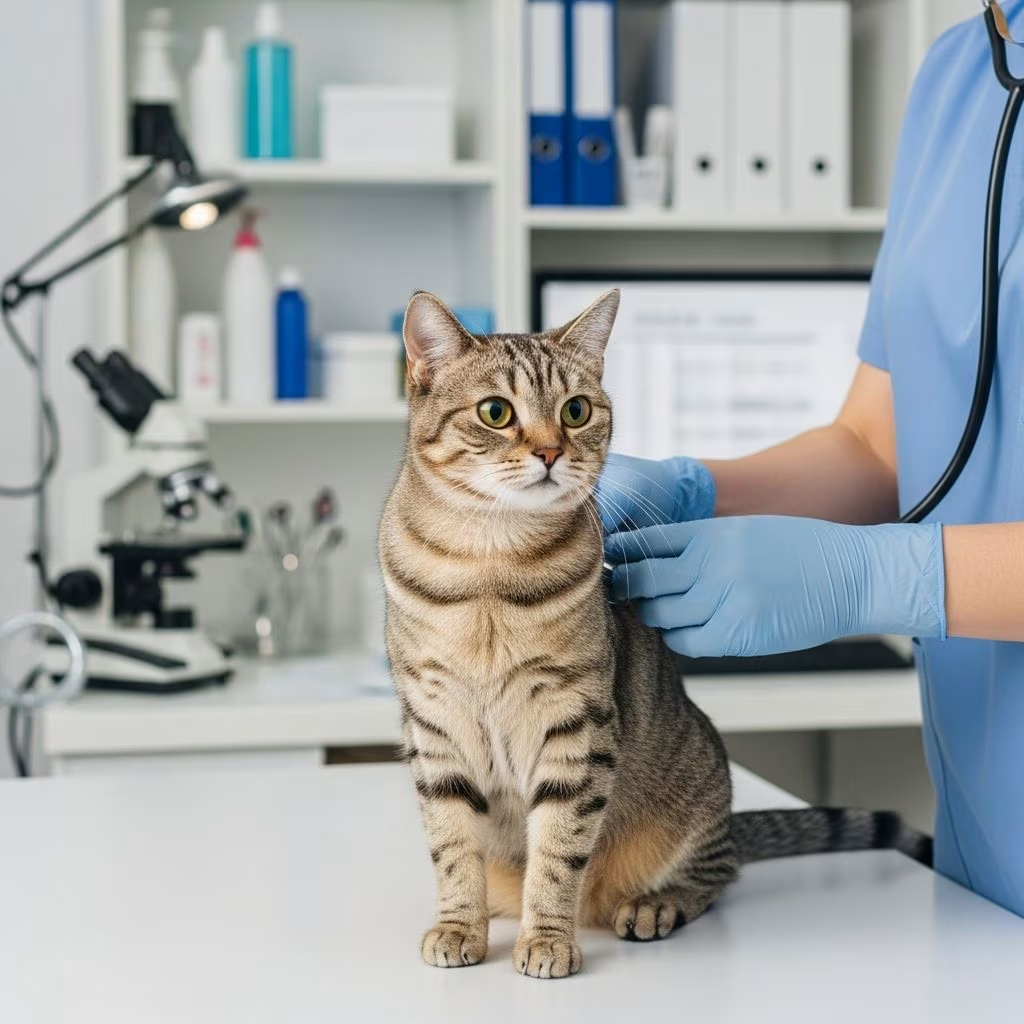
Regular veterinary checkups are fundamental to maintaining your cat’s health and extending their lifespan. These routine visits enable early detection of issues, preventive care, and personalized health management, often before symptoms appear.
Why Regular Checkups Matter for Cats
Cats are experts at concealing illness, making regular checkups essential. Many owners only seek vet care when problems are obvious, but by then, conditions may be advanced and harder to treat. Wellness exams focus on prevention and early intervention, which are more effective and cost-efficient.
Annual or bi-annual visits benefit all cats, with seniors or those with conditions needing checkups every six months. This proactive approach supports long-term health, addressing preventable issues like dental disease, arthritis, and kidney problems common in felines.
Early Detection of Health Issues
One of the primary benefits of regular cat checkups is early detection of potential health problems. Cats hide discomfort masterfully, so subtle signs like weight loss, changes in appetite, or lethargy might indicate serious issues such as kidney disease, hyperthyroidism, or cancer.
During a checkup, vets perform a thorough physical exam, palpating the abdomen for organ abnormalities, checking eyes for cloudiness or discharge, examining ears for infections or mites, and inspecting the mouth for dental disease. Bloodwork and urinalysis can reveal hidden issues like elevated kidney values or diabetes before symptoms emerge.
- Common hidden issues: Kidney disease, dental problems, heart murmurs, and tumors.
- Benefits of early detection: More effective treatments, lower costs, and better prognosis.
For instance, routine blood tests track kidney function in aging cats, allowing timely dietary changes or medications to slow progression.
Preventive Care and Vaccinations
Preventive care is a cornerstone of cat checkups. Vets review vaccination history and recommend updates based on age, lifestyle, and exposure risks. Indoor cats need core vaccines like rabies and feline distemper, while outdoor cats require broader protection.
Parasite control for fleas, ticks, heartworms, and intestinal worms is also discussed, even for indoor cats, as these pests can enter homes. Dental cleanings, spaying/neutering advice, and nutrition guidance prevent obesity and related issues.
| Vaccine | Purpose | Frequency |
|---|---|---|
| Rabies | Prevents fatal viral disease | Every 1-3 years |
| FVRCP (Feline Viral Rhinotracheitis, Calicivirus, Panleukopenia) | Protects against respiratory and GI infections | Annually or every 3 years |
| Leukemia | For at-risk cats | Annually |
These measures safeguard against life-threatening diseases, ensuring your cat remains protected.
What Happens During a Cat Checkup
A standard cat wellness exam is comprehensive, covering head to tail. Vets weigh your cat, assess body condition, listen to heart and lungs for murmurs or irregularities, check gums for anemia or infection, and evaluate gait for arthritis.
- Eyes: Redness, cloudiness, tearing.
- Ears: Mites, infections, wax buildup.
- Mouth/Teeth: Periodontal disease, fractures.
- Skin/Coat: Parasites, allergies, lumps.
- Abdomen: Organ size, pain, masses.
- Nails/Feet: Overgrowth, injuries.
Diagnostic tests like blood panels screen for organ function, anemia, or infections. Urinalysis checks for diabetes or UTIs. For seniors, thyroid and blood pressure checks are routine.
Monitoring Chronic Conditions
For cats with ongoing issues like diabetes, arthritis, hyperthyroidism, or kidney disease, regular checkups are vital. Vets monitor treatment efficacy, adjust medications, and recommend supplements or diets.
Senior cats (over 7-10 years) benefit from twice-yearly visits to track age-related decline. Bloodwork detects changes early, preventing crises like diabetic ketoacidosis or uremic poisoning.
Nutritional guidance helps manage weight and supports conditions; for example, renal diets for kidney disease or joint supplements for arthritis.
Frequency of Cat Checkups by Life Stage
Checkup schedules vary by age and health:
| Life Stage | Recommended Frequency | Focus Areas |
|---|---|---|
| Kitten (under 1 year) | Every 3-4 weeks initially, then monthly | Vaccines, deworming, growth |
| Adult (1-7 years) | Annually | Wellness screening, parasites |
| Senior (7+ years) | Every 6 months | Chronic disease monitoring, bloodwork |
Puppies and kittens need frequent visits for boosters; seniors require more due to higher disease risk.
Strengthening the Vet-Cat Relationship
Regular visits familiarize cats with the clinic, reducing stress. A trusting vet relationship means better advice and quicker issue resolution.
Owners should note behavior changes, diet, or litter habits to share, aiding accurate assessments.
Nutritional Guidance and Lifestyle Advice
Vets provide tailored diet plans to prevent obesity, a major cat health risk. They assess for allergies or needs like high-protein for active cats.
Advice on enrichment, litter box setup, and environmental safety promotes overall well-being.
Frequently Asked Questions (FAQs)
What if my indoor cat seems healthy?
Even indoor cats hide issues; annual checkups catch silent killers like kidney disease early.
How often do senior cats need checkups?
Every 6 months for cats over 7-10 years to monitor aging-related conditions.
Are vaccines necessary for adult cats?
Yes, boosters maintain immunity against preventable diseases.
What tests are done in a routine checkup?
Physical exam, bloodwork, urinalysis, fecal exam, and vital checks.
Why is dental care part of checkups?
Periodontal disease affects 70% of cats over 3 years; early intervention prevents spread to organs.
References
- Top 5 Benefits of Regular Veterinary Check-ups — Birmingham Animal Hospital. 2023-2024. https://birminghamanimalhospital.com/benefits-of-veterinary-check-ups/
- The Importance Of Annual Check-Ups For Your Cat — Cumberland Animal Hospital. 2023-2024. https://www.cumberlandanimal.com/blog/the-importance-of-annual-check-ups-for-your-cat/
- The Importance of Regular Check-Ups for Your Cat — Cherry Creek Vet. 2023-2024. https://www.cherrycreekvet.com/blog/the-importance-of-regular-check-ups-for-your-cat/
- The Lifelong Benefits of Regular Vet Visits & Check-Ups for Your Pet — Beaconer Vet. 2023-2024. https://www.beaconer.vet/news-blog/lifelong-benefits-of-regular-vet-check-ups
- Why are veterinary checkups so important? — Silver Springs Animal Clinic. 2024-03-15. https://www.silverspringsanimalclinic.com/site/blog/2024/03/15/veterinary-checkup-important
- Why Are Regular Veterinary Checkups Important? — Zeeland Veterinary. 2021-06-30. https://www.zeelandveterinary.com/site/blog/2021/06/30/why-regular-checkups-are-important-to-your-pets-health
- Importance of wellness exams — American Veterinary Medical Association (AVMA). 2023-2024. https://www.avma.org/resources-tools/pet-owners/petcare/importance-wellness-exams



